
Colors
In this collection
Color is wonderful stuff! Take the Stroop Test, learn about Isaac Newton and rainbows, and find out why pink wasn’t always for girls.
See below for dozens of books, color science and math, color poetry, color projects, and more.
And check out the color-themed book lists!
Color for Beginners
ROY G BIV is the kicky little mnemonic that helps us remember, in order, the colors of the visible spectrum: Red, Orange, Yellow, Green, Blue, Indigo, and Violet.
According to most public-school curricula, kids should be able to name and identify the colors by the time they get out of kindergarten (both primary and secondary colors, plus brown, black, white, and gray) and there are hundreds - literally, hundreds - of books do help them do so.

By Jennifer Adams and Alison Oliver, Babylit’s Alice in Wonderland (Gibbs Smith, 2014) is a “colors primer” with a Wonderland theme, featuring a white rabbit, a blue caterpillar, a yellow teapot, and a lot of red hearts. For ages 1-4.

In Keith Baker’s Little Green Peas (Little Simon, 2016) – subtitled “a BIG book of COLORS” – the little green peas sail blue boats, fly red kites, ski down purple mountains, and more. For ages 2-5.

Lois Ehlert’s visually appealing Color Farm (HarperCollins, 1990) and Color Zoo (HarperCollins, 1989) pack a triple whammy, combining animals, colors, and geometric shapes. Kids discover lions, tigers, monkeys, pigs, cows, and chickens, variously pieced together from blue circles, orange squares, red triangles, and the like. For ages 2-6.

Bill Martin’s Brown Bear, Brown Bear, What Do You See? (Henry Holt, 1992) - a wonderful rhyming classic - is a picture-book tour of brilliantly colored paper-collage animals, including, along with the title’s brown bear, a blue horse, green frog, purple cat, and bright-yellow duck. For ages 2-6.

Tana Hoban, known for her award-winning wordless picture books illustrated with full-page photographs, has published several with color themes, among them Of Colors and Things (Greenwillow, 1996), Is It Red? Is It Yellow? Is It Blue?: An Adventure in Color (William Morrow, 1987), and Colors Everywhere (Greenwillow, 1995). This last - a collection of glowing scenes of striped umbrellas, flower gardens, autumn leaves, and birds - includes bar graphs on each page showing the proportions of the different colors present in the photographs. For ages 2-6.

Bruce McMillan’s Growing Colors (Mulberry Books, 1994) is set in the garden, where readers find colors in luscious photographs of green peas, yellow corn, purple beans, and red raspberries. For ages 2-6.

In Patricia Hubbard’s My Crayons Talk (Henry Holt, 1999), a little girl discovers colors through a very vocal box of talking crayons (Brown shouts “Play! Mudpie day!”). For ages 3-7.

Anita Lobel’s One Lighthouse, One Moon (Greenwillow, 2002) is an enchanting multifaceted introduction to colors, numbers (1-10), the days of the week, the seasons, and the months of the year. Colors are paired with the days of the week, as a little girl dons different-colored footgear for each day’s activity: green gardening clogs, red cowboy boots, yellow beach sandals, pink ballet slippers. For ages 4-7.

In Peter Reynolds’s Sky Color (Candlewick, 2013), art-loving Marisol is thrilled to be making a mural for the library – but there’s no blue paint. How to make a sky with no blue paint? Then she realizes that there’s far more to the sky than blue: there are all the colors of sunrises, sunsets, and swirling stars. For ages 4-8.
In Drew Daywalt’s hilarious The Day the Crayons Quit (Philomel Books, 2013), when Duncan opens his box of crayons he finds nothing but disgruntled letters. Beige feels underappreciated (everybody likes Brown better); Black is sick of being used for nothing but outlining; Blue is exhausted from constantly coloring huge expanses of sky and sea. Orange and Yellow are fighting over the color of the sun; and Peach, whose wrapper has been torn off, is naked and in hiding. Duncan comes up with an artistic solution that makes everybody happy. For ages 4-8.
The Day the Crayons Quit is a color-illustrated Reading Is Fundamental guide for parents and educators with extension suggestions, multidisciplinary activities, a vocabulary list, and technology links.
For Older Readers

Joann Eckstut’s The Secret Language of Color (Black Dog & Leventhal, 2013) is a lushly illustrated history and science of color. Readers learn – among much else – why grass is green and flamingos are pink, where yellow journalism comes from, and why doctors wear green scrubs. For teens and adults.

Victoria Finlay’s Color: A Natural History of the Palette (Random House, 2007) is a fascinating exploration of pigments worldwide, filled with intriguing info. Learn all about logwood, saffron, indigo, and lapis lazuli. For teens and adults.

Alexander Theroux’s The Primary Colors and The Secondary Colors (Henry Holt, 1996) are two essay collections, both fascinating compilations of everything (everything!) having to do with red, blue, yellow, orange, purple, or green. Try a color essay of your own! For teenagers and adults.
From the Stanford Encyclopedia of Philosophy, see Color for philosophers. Color is a lot more complicated than you might think.
Color Matters is a website devoted to all aspects of color, including color symbolism, color psychology, color vision, and the science of color, plus lists of color resources. For younger visitors, there’s a kids’ page and fun color facts.
Color and History

By Clive Gifford, The Colors of History: How Colors Shaped the World (QEB Publishing, 2018) is a catchy history of color. Learn about the cave painters’ yellow ocher, and find out about mummy brown, Egyptian blue, and why the Roman emperors wore purple. For ages 8-12.

Pigments Through the Ages has illustrated histories of purple, blue, green, yellow, orange, red, white, brown, and black. Under Red, for example, readers learn that in China, the Phoenix was called the Vermilion Bird, that Neolithic hunters buried their dead with red ochre, and that the red rose is dedicated to Aphrodite, the Greek goddess of love.

From Pantone, check out this 50 Years of Color History infographic - starting with the Psychedelic 60s and the Earthy 70s -and see a list of award-winning Colors of the Year.
See A Brief History of the Color Pink at https://www.artsy.net/article/artsy-editorial-history-pink. (A 17th-century Chinese word for pink meant "foreign color.")
Pink is for girls? Really? Read all about it at When Did Girls Start Wearing Pink? from Smithsonian magazine.
Color Mixing to Color Theory

In Nancy Tafuri’s Blue Goose (Little Simon, 2010), Blue Goose, Red Hen, Yellow Chick, and White Duck decide to paint their black-and-white barn and farmyard. A story of color and color-mixing for ages 2-5.

Color mixing - in a messy but artistic sense - is the theme of Ellen Stoll Walsh’s Mouse Paint (Houghton Mifflin Harcourt, 1995), in which a trio of plump white mice come upon three jars of paint (red, blue, and yellow) and discover - with a lot of splashing about - how to combine them to make green, orange, and purple. For ages 3-6.

Ann Jonas’s Color Dance (Mulberry Books, 1999) explains color-mixing through dance, as three children in leotards twirl and whirl with billowing red, blue, and yellow scarves. For ages 3-7.
While the best introduction to color-mixing is almost certainly to plop down some protective newspaper and a few pots of paint and let the kids experiment (“Look, Mom! I made brown!”), there are many resources available for expanding upon this activity.
The KinderArt website has a large selection of great art lesson plans for kids in preschool through grade 12, many with color themes. For example, see “Blotter Bugs” (a color-mixing activity) and “Neutral Colors” (learn all about black, brown, gray, and white).

Exploding Milk! This is a simple (and fun) experiment in which kids explore color-mixing with food coloring, milk, and soap. See https://kids.nationalgeographic.com/books/article/color-explosion
Learn color theory with The Interactive Color Wheel.

From Deep Space Sparkle, a great hands-on color theory lesson in which kids create and name colors.

Try making your own color wheel project!
Color and Art

The Art of Colors: For Children and Adults (Margaret Steele; Fotofolio, 1999) combines color and art history: kids are introduced to color through twelve different modern art works - for example, purple in an Andy Warhol silkscreen, black in a Louise Nevelson sculpture, red in an oil by Mark Rothko. The book also has a multicultural flair: names of the colors are given in English, Spanish, French, German, and Japanese. For ages 4 and up.

Philip Ball’s Bright Earth (University of Chicago Press, 2003) is a detailed history and science of colors in painting. For older teenagers and adults.
From Dick Blick, Color Scramble is a project in which kids made geometric color pictures based on the work of Frank Stella, using colored masking tape.
Color Vision & Art covers how color is used by artists, with detailed background information and many illustrations and examples of artworks.
From Mensa for Kids, Introduction to Color is a multifaceted online lesson plan with extension activities.
Seeing in Color

From Neuroscience for Kids, Color Vision has background information, illustrations, resources, and experiment suggestions for a range of ages.
From Webvision, Color Vision is a detailed scientific explanation of how color vision works. Pair this one with high-school biology class.
The Joy of Visual Perception is an online book on the eye, with many sections related to color and color vision. For example, check out the pages on Newton’s prism, color mixing, color blindness, and rainbows.
From How Stuff Works, How Vision Works includes illustrated information on color vision and color blindness.

In the Stroop Test, players match color meanings with differently colored words. A simple but surprising test on how the brain processes incongruous information. Give it a try at https://faculty.washington.edu/chudler/java/ready.html.

Do you think you might be colorblind? Take the a version of the Ishihara Color Vision test online at https://colormax.org/color-blind-test/.
Color and Feelings

Dr. Seuss’s My Many Colored Days (Knopf Books for Young Readers, 1998) is a rhyming association of colors with feelings: on a yellow day, the narrator is “a busy, buzzy bee,” on a green day, a “cool and quiet fish,” on a black day, a howling wolf. For ages 3-7.
From the Book Nook, My Many Colored Days has discussion questions and activities to accompany the book. For example, kids make color spinners and color puppets, go on a color hunt, and make color-dyed hardboiled eggs with emotional facial expressions.

Arnold Lobel’s The Great Blueness and Other Predicaments (HarperCollins, 1994) is a wonderful picture book on the emotional impact of color, as a wizard, inventing colors, turns a little town blue (which makes everybody sad), yellow (which gives everyone headaches), and red (which makes everyone angry), until finally coming up with the best solution: to use all the colors at once. It’s out of print, but worth tracking down. Check your library. For ages 4-8.

Leo Lionni’s A Color of His Own (Knopf Books for Young Readers, 2006) is a story about learning to know and value oneself, told from the point of view of a chubby little chameleon who doesn’t want to change color. For ages 4-8.

Also by Lionni, Little Blue and Little Yellow (HarperCollins, 1995) is a story about friendship (the colors ultimately blend to form a beautiful green). For ages 4-8.
From The Great Courses, How Colors Affect You: What Science Reveals is a six-lecture course on the meaning and psychology of color by Professor William Lidwell of the University of Houston. Available for download or on DVD; watch the website – periodic sales offer the courses at a fraction of the listed costs.
Color and Poetry
There are many entrancing color poems - everything from Walter de la Mare’s magical Silver to Gelett Burgess’s foolish
The Purple Cow. Check out some of these:

Mary O’Neill’s Hailstones and Halibut Bones (Doubleday, 1990) is a great resource for potential color-poets: a wonderful illustrated collection of poems about every color of the rainbow (and then some). (“The purple feeling/Is rather put-out./The purple look is a/Definite pout./But the purple sound/Is the loveliest thing./It’s a violet opening/In the spring.”) For ages 4-8.

Joyce Sidman’s Red Sings From Treetops (Houghton Mifflin Harcourt, 2009) is an enchantingly illustrated collection of color poems throughout the seasons. (“Yellow slips goldfinches/their spring jackets.”) For ages 4-8.

Malathi Michelle Iyengar’s Tan to Tamarind: Poems About the Color Brown (Children’s Book Press, 2009) is a collection of fifteen poems about the many shades of brown, from tan and beige to honey, cinnamon, and topaz. Illustrations show kids in a wide variety of skin colors. For ages 4-8.

Sheila Hamanaka’s All the Colors of the Earth (Mulberry Books, 1999) is a celebration of all the different colors of children everywhere: the brown of “roaring bears,” the “tinkling pinks of tiny seashells,” “amber and ivory and ginger.” For ages 4-8.

By Julie Fogliano, When Green Becomes Tomatoes (Roaring Brook Press, 2015), is an illustrated collection of poems through the seasons (“just like a tiny blue hello/a crocus blooming/in the snow.”) For ages 4-8.

By Dianne White, Green on Green (Beach Lane Books, 2020) is a colorful rhyming tour through the seasons beginning with the yellows of spring. For ages 4-8.
Christina Rosetti’s poem Color begins “What is pink? A rose is pink/By a fountain’s brink” – and ends “What is orange? Why, an orange/Just an orange!”
Marge Piercy’s Color Passing Through Us is a wonderful collection of color images: “Purple as tulips in May,” “Yellow as a goat’s wise and wicked eyes,” “Green as mint jelly.”
Color from Emily Dickinson: Nature rarer uses yellow.
What color are vowels? See Vowels by French poet Arthur Rimbaud.
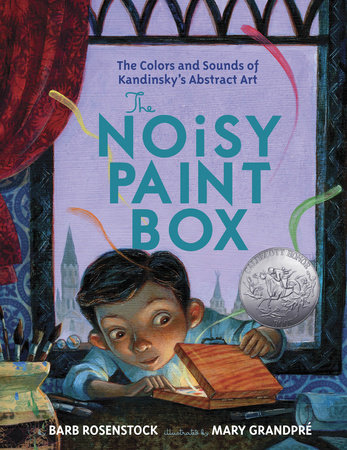
Synesthesia is a condition where senses are crossed, such that people can hear colors or taste shapes. (See Rimbaud's poem "Vowels," above.)
By Barb Rosenstock, The Noisy Paintbox (Knopf, 2014) is the picture-book story of artist Vasya Kandinsky, who heard colors as sounds. For ages 4-8.
Color and Science
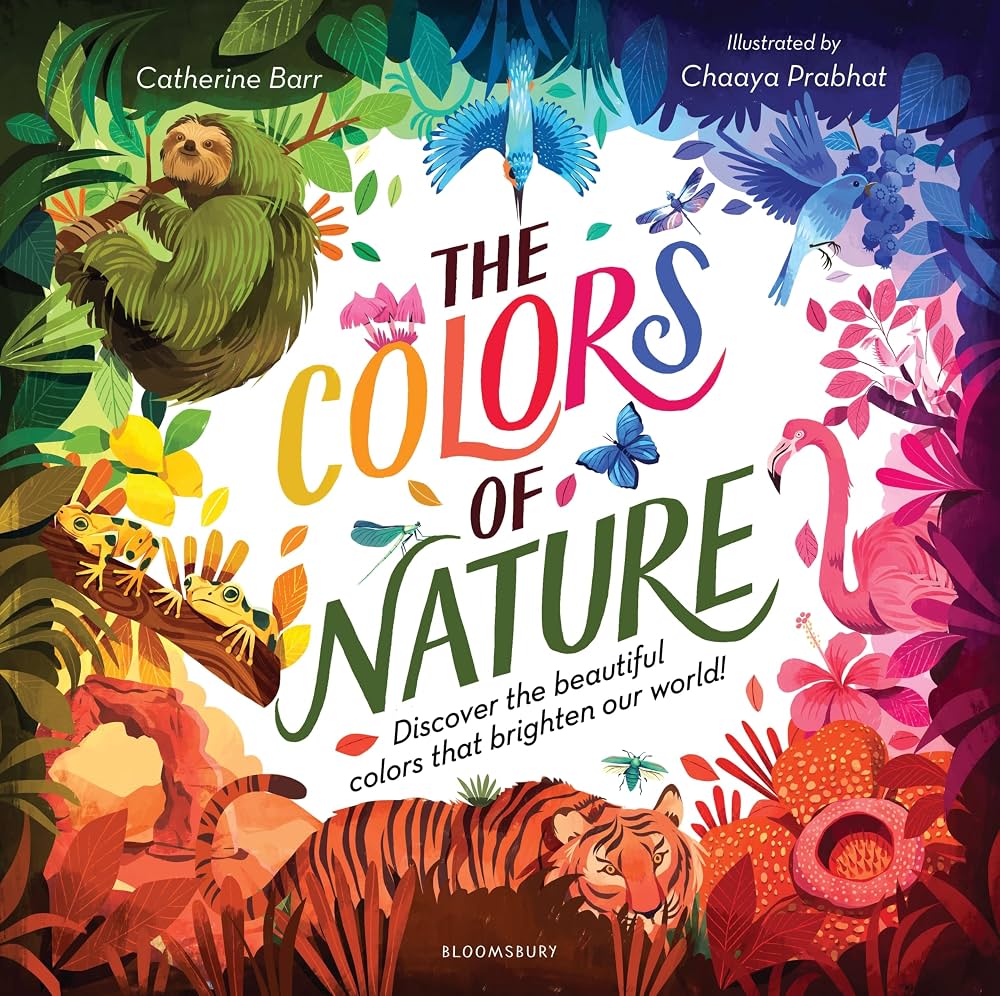
By Catherine Barr, The Colors of Nature (Bloomsbury, 2026) is filled with examples on each color-themed page. White, for example, features swans, white roses, icefish, polar bears, gypsum dunes, and snow. For ages 4-8.

National Geographic’s hefty Life in Color (National Geographic, 2014) is a gorgeous collection of photographs arranged in color-themed chapters. Each includes an essay on the symbolism, meaning, and characteristics of the featured color.
From the Smithsonian, The World Has Millions of Colors: Why Do We Only Name a Few? Good question. (Invent your own color names?)
From the San Francisco Exploratorium’s Perception: Light, Color, and Seeing has many cool demonstrations and experiments on light and color.
Learn about Color and Dye Chemistry while making a tie-dyed T-shirt. (You’ll need to buy materials and T-shirt.)

See this 

What color in markers? Use paper chromatography to separate dyes into their individual components. (Find out what’s in green.) See https://www.youtube.com/watch?v=LbZvnTdkgR4.
From Vimeo, The History and Science of Color Temperature is a series of short videos (plus a quiz). Learn about color and temperature using examples of everything from Spike Lee’s “Do the Right Thing” to the Coen Brothers’ “Fargo.”

With the Rainbow Fire kit can explore flame photometry and learn how astronomers, using color, determine the atomic composition of distant stars. This is incredibly cool, but involves chemicals and matches and requires adult supervision.
From the Sciences Education Foundation, Chromatics: The Science of Color is a downloadable 100+-page unit covering such topics as “Surfing the Electromagnetic Spectrum,” “Fireworks and Flame Photometry,” “Why Plants are Green,” and “Chemiluminescence.”
Rainbows
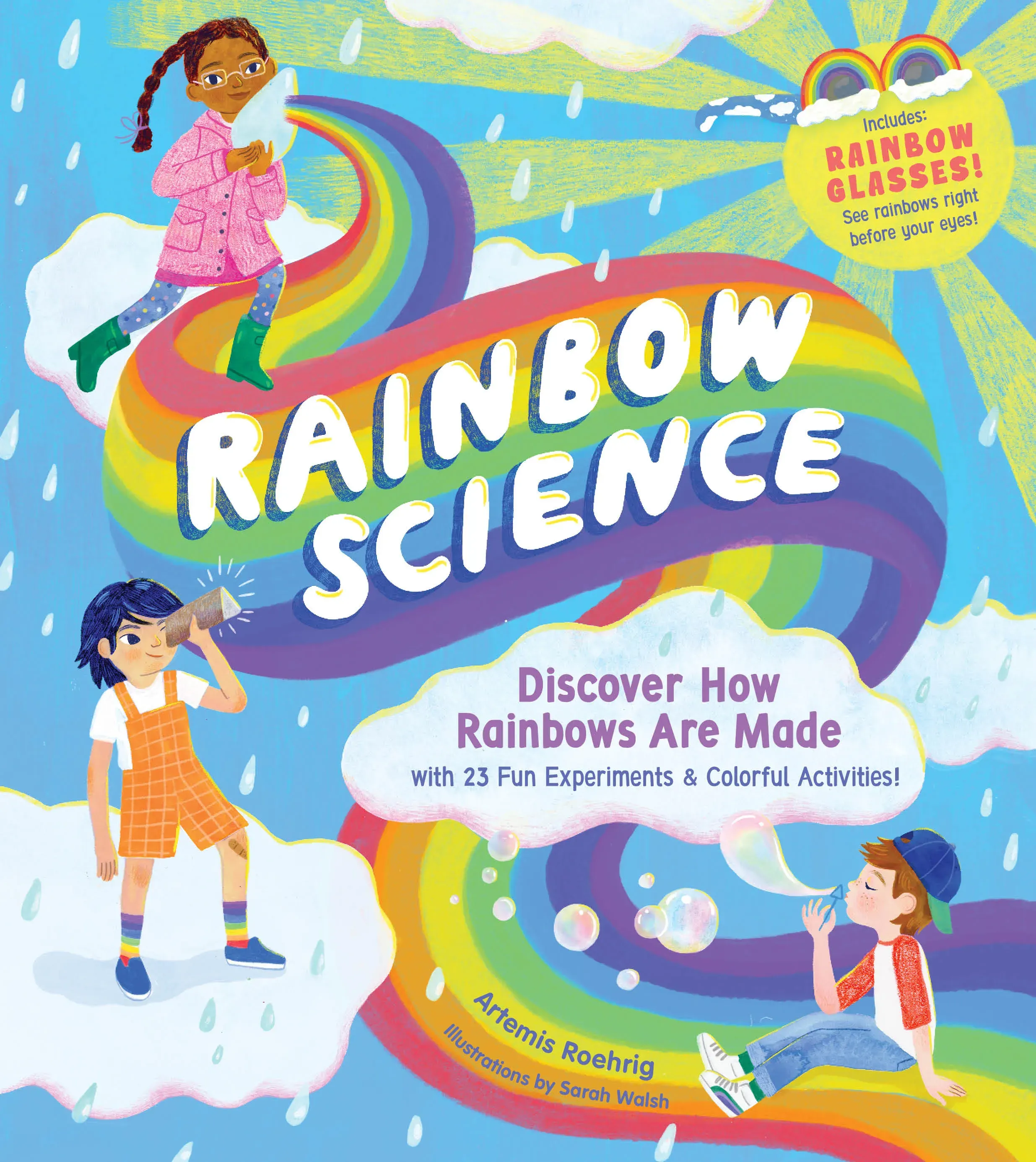
By Artemis Roehrig, Rainbow Science (Storey, 2024) provides straightforward explanations of rainbow science along with 25 creative experiments and activities, among them making a color wheel and a kaleidoscope and blowing rainbow-colored bubbles. For ages 6-9.
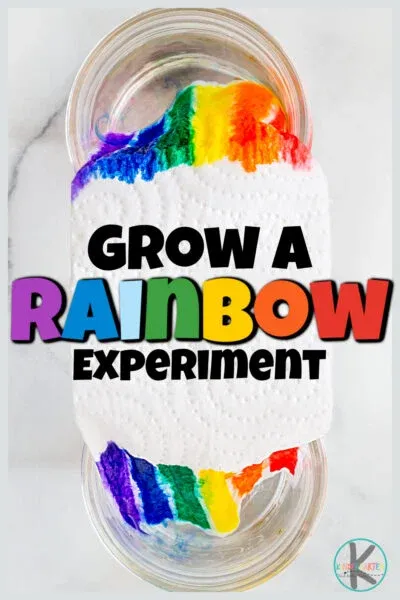
Try a Climbing Rainbow experiment. See https://www.youtube.com/watch?v=Fwl7iZkIpJg or
https://www.coffeecupsandcrayons.com/climbing-rainbow-science-experiment/.
From PBS, The Science of Rainbows is a friendly account on YouTube.
Learn about How Rainbows Work from How Stuff Works, and view a rainbow image gallery.
Make Your Own Rainbow with a glass of water. (And a sunny day.)
Make a rainbow density column. See https://www.youtube.com/watch?v=yZmpG7IJLk4 or
https://www.thoughtco.com/rainbow-in-a-glass-density-demonstration-604258.
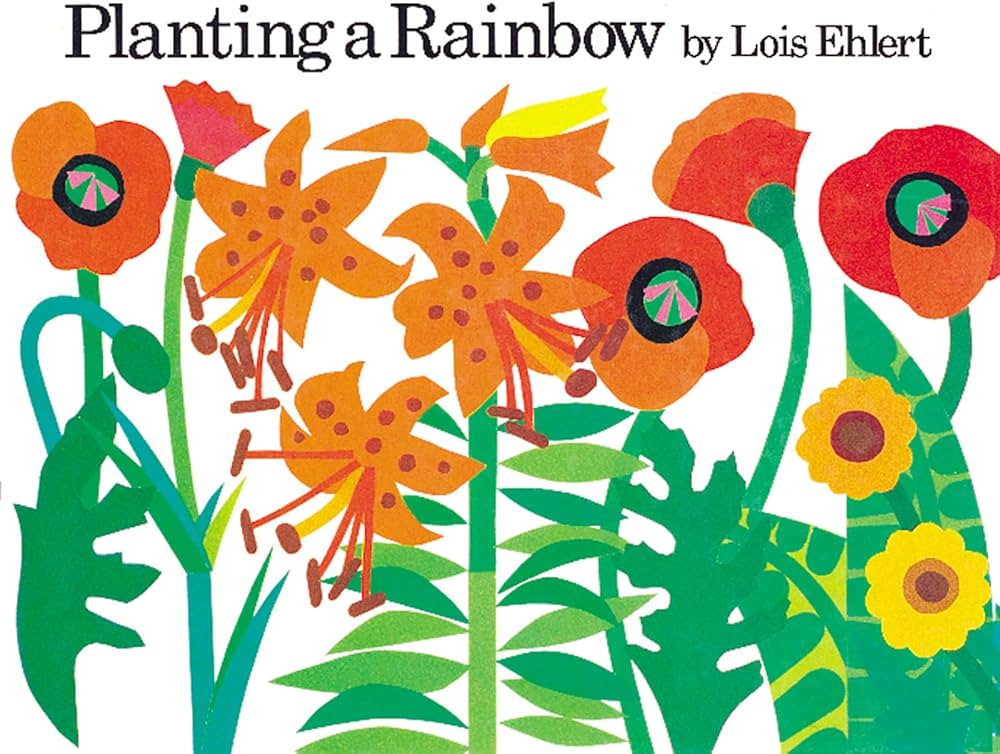
In Lois Ehlert’s Planting a Rainbow (Clarion, 2003), illustrated with bright paper collages, a mother and little girl plant a colorful garden of flowers. Readers learn colors and names of flowers. For ages 2-7.
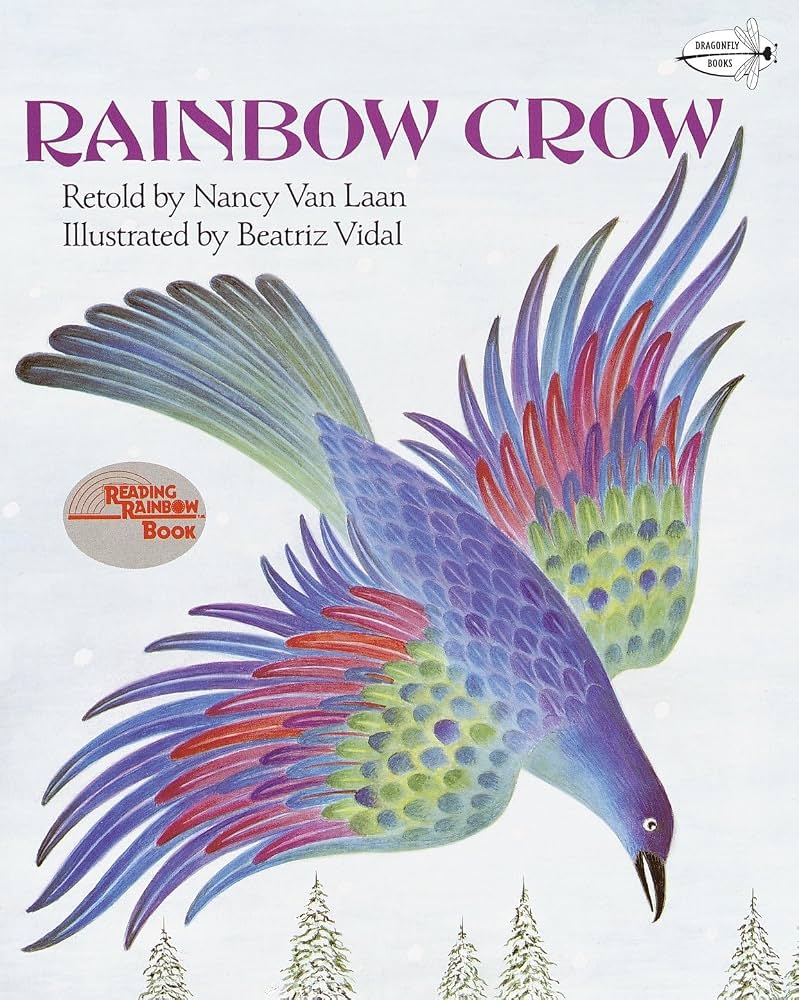
Nancy Van Laan’s Rainbow Crow (Dragonfly Books, 1991), based on a Native American (Lenape) legend, is the story of how the crow lost its singing voice and colored feathers bringing a gift of fire to the woodland animals. For ages 4-8.

Ul de Rico’s gorgeously illustrated The Rainbow Goblins (Thames & Hudson, 1978) is the wonderful tale of seven goblins (Red, Orange, Yellow, Green, Blue, Indigo, and Violet) who spend their time lassoing rainbows and eating all the colors. There’s a happy ending for the rainbow, but the story explains why now the rainbow never touches the earth. For ages 5 and up.
In Norse mythology, Bifrost, the rainbow bridge, connects Asgard, the realm of the gods, to Midgard, land of human beings. At Norse Mythology for Smart People, see https://norse-mythology.org/cosmology/bifrost/.
Color Math

Tana Hoban’s Colors Everywhere (Greenwillow, 1995) - a collection of glowing color photos of everything from striped umbrellas to gaudy birds - includes bar graphs on each page showing the proportions of the different colors present. For ages 2-6.

Barbara Barbieri McGrath’s Teddy Bear Counting (Charlesbridge, 2010) and Teddy Bear Patterns (Charlesbridge, 2013) both use brightly colored teddy bears to teach colors, counting, shapes, sequencing, skip counting, and more. For ages 3-7.
Pair these with hands-on

In The Crayon Counting Book by Pam Munoz Ryan and Jerry Pallotta (Charlesbridge, 1996), kids not only learn to count to 24 by 2’s, but discover a whole new world of bizarre colors, among them iguana, purple hairstreak, and emerald boa. (Go on. Invent color names of your own.) For ages 3-8.

Color-minded mathematicians might enjoy investigating the famous “Four-Color Map Problem,” a mathematical mind-boggler that states that four colors - just four - are enough to color any map such that no two regions with a common border will be colored with the same color. (Don’t believe it? Get a ready-to-be-colored outline map and try it.)
See The Four Colour Theorem, an illustrated explanation from the University of Cambridge. It’s more complicated than it first sounds.

Robin Wilson’s Four Colors Suffice: How the Map Problem Was Solved (Princeton University Press, 2013) tells you everything you possibly want to know about the four-color map problem, with numerous anecdotes. (The whole thing started as an April Fool’s joke.) For teens and adults.
Hexadecimal numbers are used on web pages to set colors. Experiment with Hexadecimal Colors (there are 16 million of them) here.
Color-Themed Book Lists, or Read Your Way Through Roy G Biv
Try inventing lists of your own!
Red

In Kathy Stinson’s Red is Best (Annick Press, 2006), everything red is best – red mittens, red stockings, red boots, red cups, and more. For ages 3-6.

Margaret Wise Brown’s Big Red Barn (Baltzer + Bray, 1995) is a gently farmyard story filled with colors. (“By the big red barn/In the great green field/There was a pink pig/Who was learning to squeal.”) For ages 3-7.

In Don and Audrey Wood’s The Little Mouse, the Red Ripe Strawberry, and the Big Hungry Bear (Clarion, 2020), a charmer of a mouse manages to pick and enormous red strawberry – but now must keep it from the Big Hungry Bear. For ages 3-7.
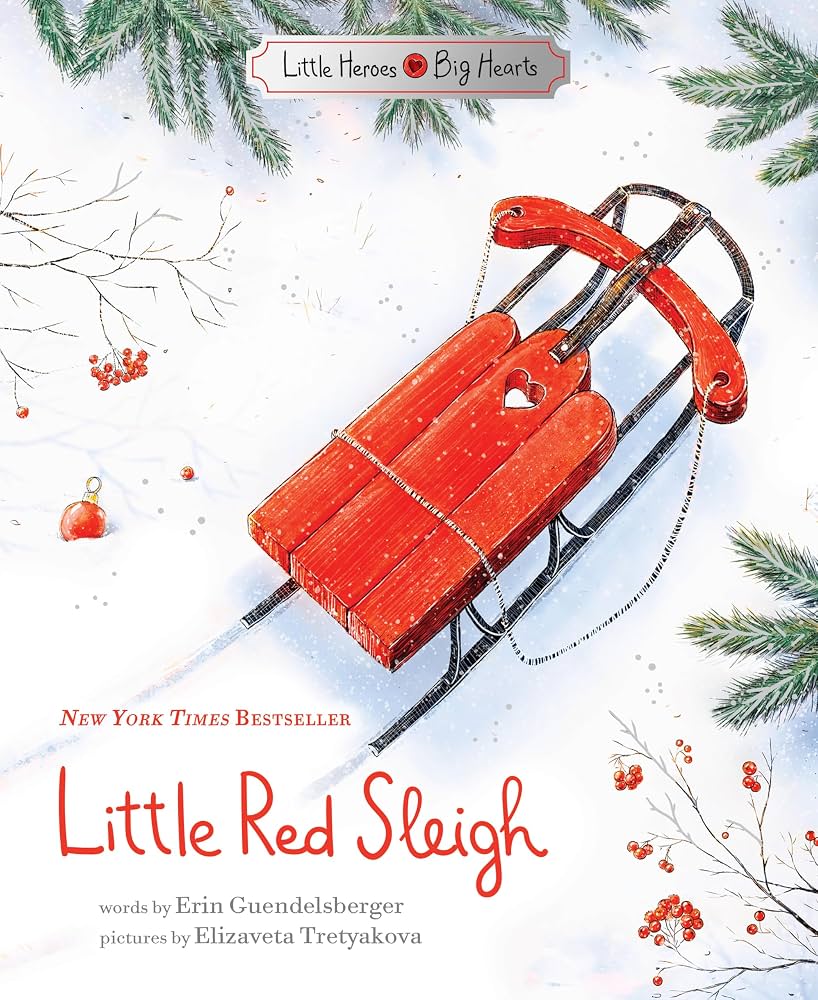
Erin Guendelsberger’s Little Red Sleigh (Sourcebooks Wonderland, 2020) has a dream of being Santa’s sleigh, though all the toys in the toy shop insist she’s too small, too slow, and too young. Even so, off she goes on a journey to the North Pole – and there’s a happy ending. For ages 3-8.
See it read at https://www.youtube.com/watch?v=YOz6CZZH7XA.
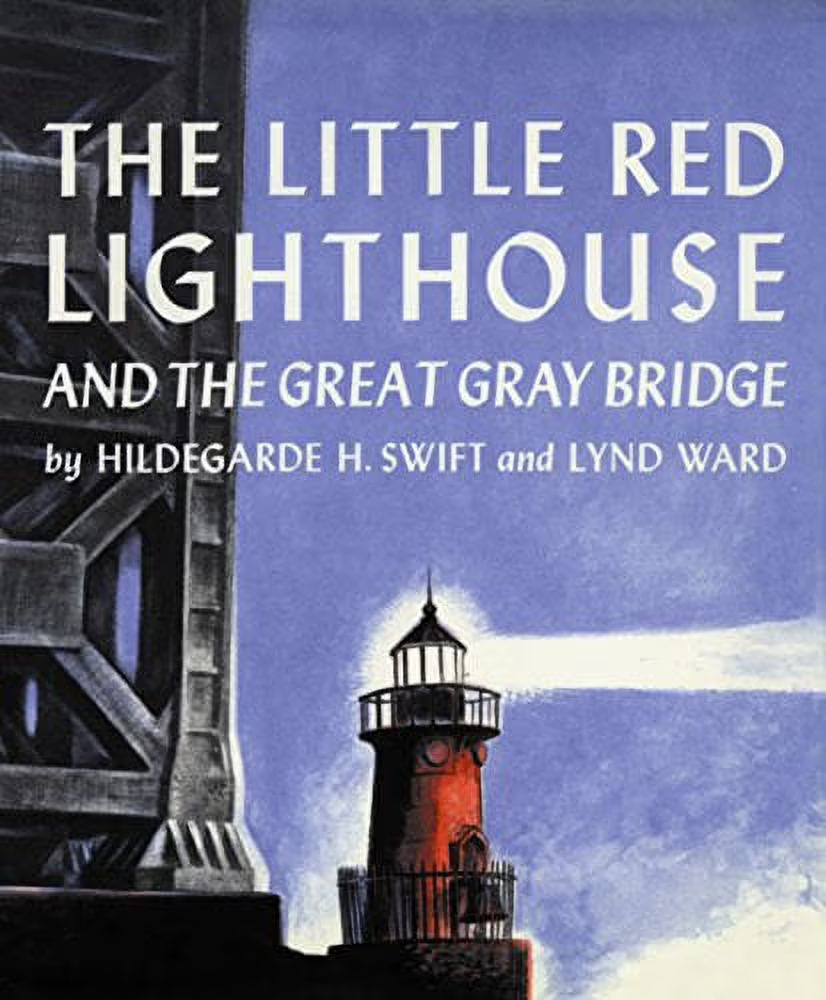
In Hildegarde H. Swift’s now-classic The Little Red Lighthouse and the Great Gray Bridge (Clarion, 2002), originally published in 1942, the lighthouse stood on the banks of the Hudson River, flashing its lights to warn boats away from the rocks. Then workmen built the great gray bridge – and the little lighthouse had never felt so small and useless. (But of course it wasn’t.) For ages 4-7.
See the true story of the lighthouse and the George Washington Bridge at https://historichousetrust.org/houses/little-red-lighthouse/. (If you live near New York City, visit the Little Red Lighthouse.)

Paul Galdone’s The Little Red Hen (Clarion, 1985) is the story of the overworked Red Hen who bakes a cake without any help from Cat, Dog, or Mouse – until it comes time to eat the finished product. For ages 4-7.

In Michael Hall’s Red: A Crayon’s Story (Greenwillow, 2015), a blue crayon is labeled as red – which leads to all kinds of complications. (He has a terrible time drawing strawberries.) A story of self-discovery for ages 4-8.

There are many versions of the story of Red Riding Hood, the little girl who sets off with a basket to visit her grandmother and runs into a wolf – but in all of them, she wears a bright-red cape with a hood. See James Marshall’s Red Riding Hood (Picture Puffins, 1993). For ages 4-8.
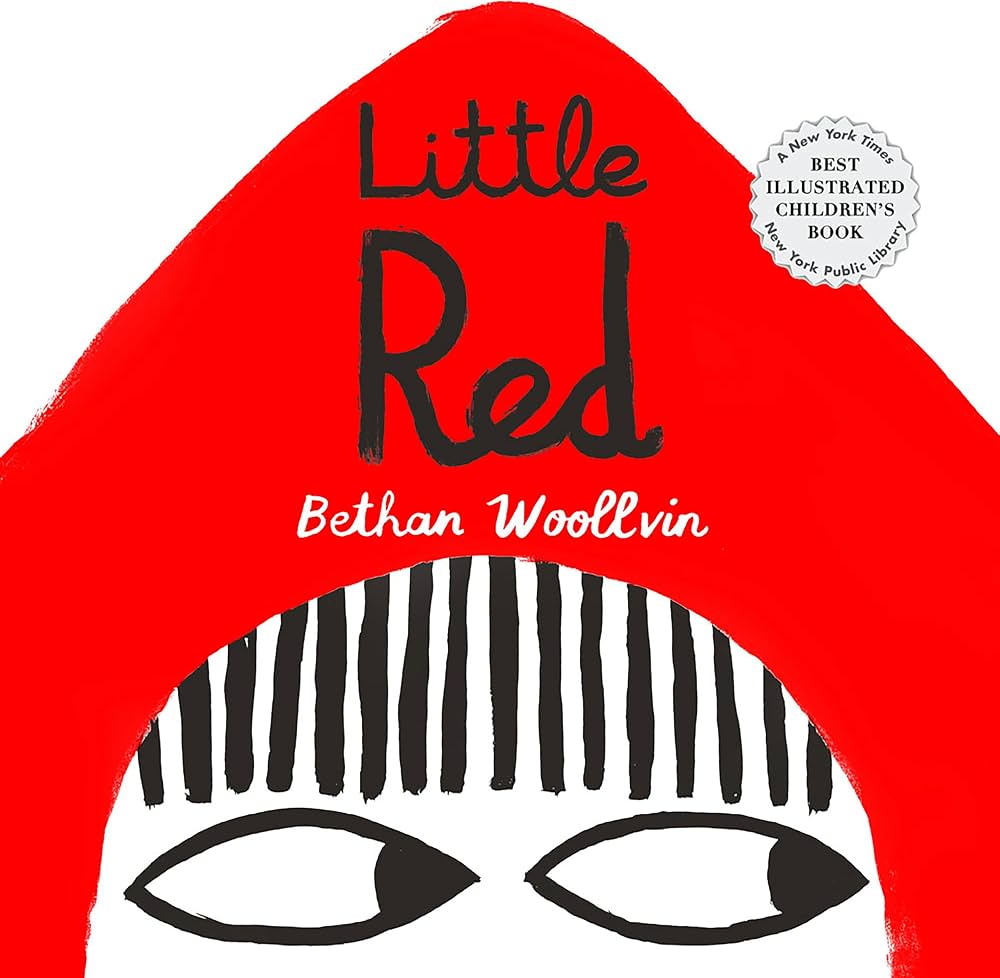
Bethan Woollvin’s Little Red (Peachtree, 2020) is a version of the Little Red Riding Hood story, with a particularly fearless and feisty Little Red. For ages 5-9.
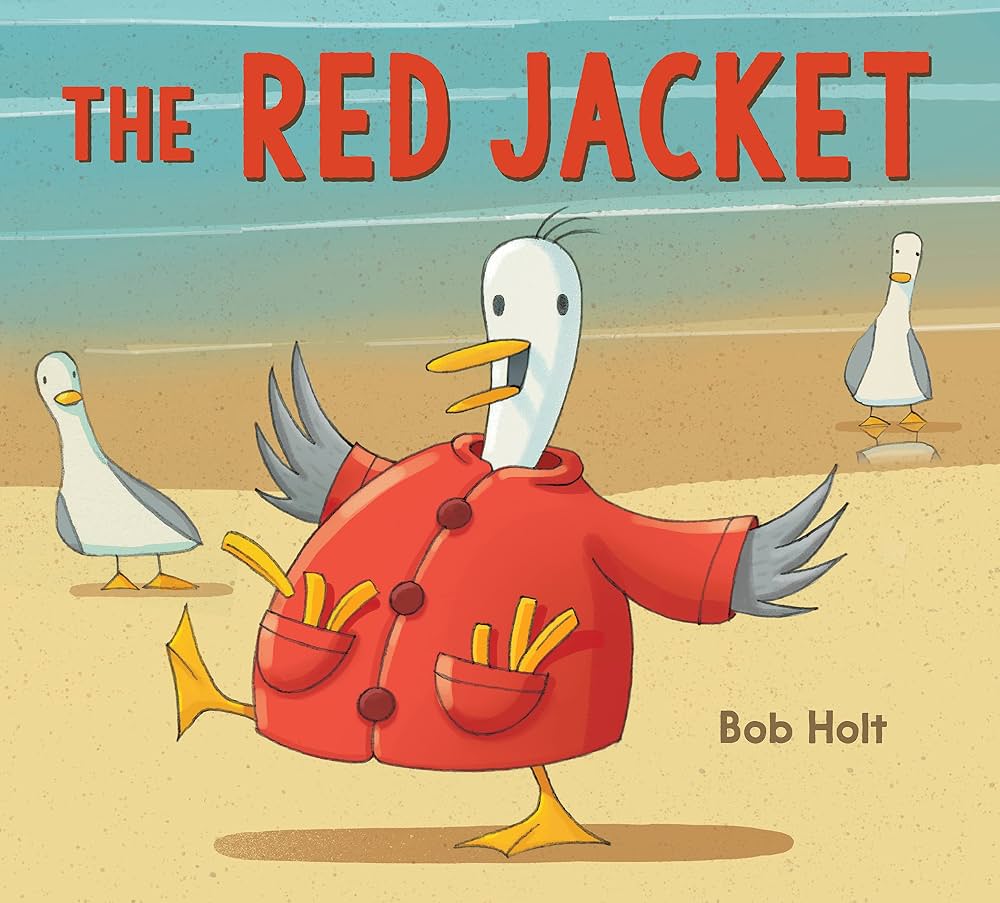
In Bob Holt’s The Red Jacket (HarperCollins, 2023), Bob (the seagull) is given a spiffy red jacket with the French fries in the pockets. Everyone likes him in his red jacket – but then the jacket is washed away by a wave. A surprising number of friends help him find it again - and Bob finds he doesn't need it anymore. So he passes it on. The story is told in cartoon speech bubbles. A great tale of friendship for ages 4-8.

In Norman Bridwell’s Clifford the Big Red Dog (Scholastic, 2010), Emily’s dog is REALLY BIG. And very red. Many sequels. For ages 4-8.

In Brenda Maier’s The Little Red Fort (Scholastic, 2018), Ruby finds some boards and wants to build a fort – though her brothers won’t help. Ruby, instead, finds out how to build a fort on her own – with such great results that her brothers finally pitch in, planting flowers and painting the fort red. For ages 4-8.

By Albert Lamorisse, The Red Balloon (Doubleday, 1967) is the story of Pascal, a lonely little boy in Paris, and his best friend: a magical red balloon. Illustrated with photographs. For ages 4-8.
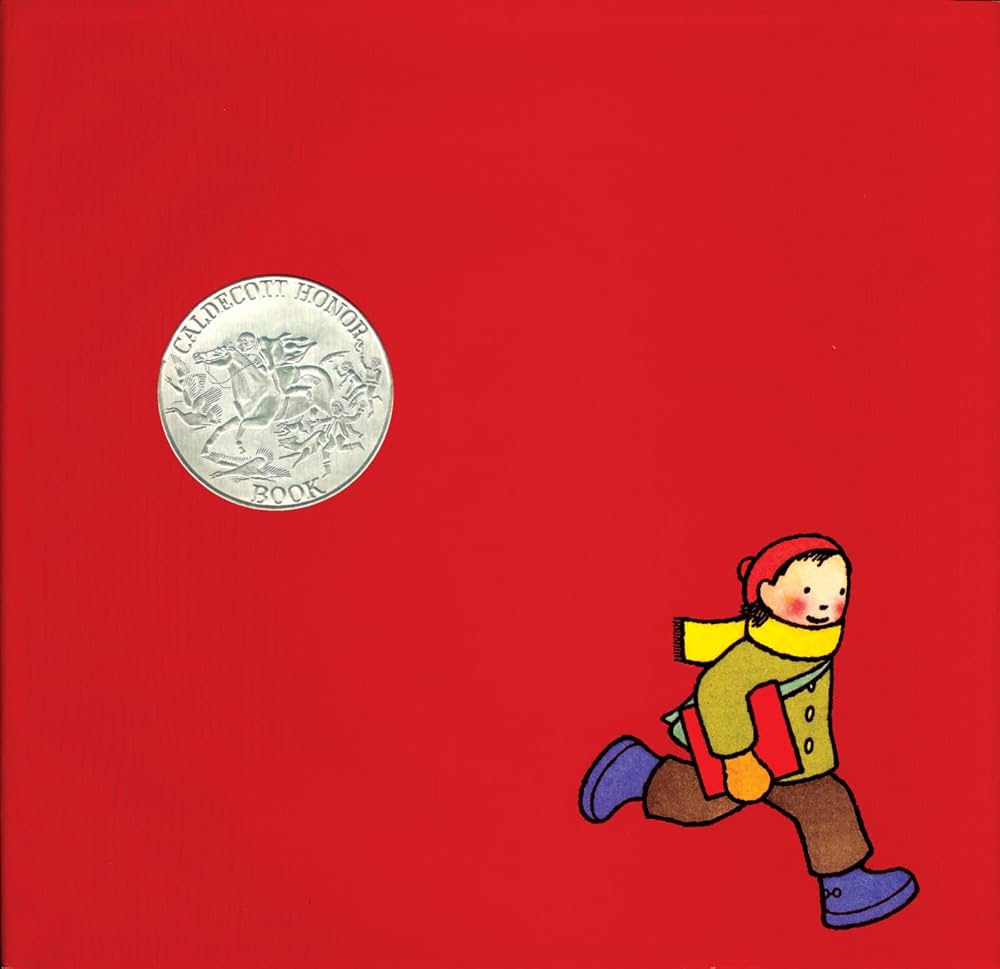
In Barbara Lehman’s wordless The Red Book (Clarion, 2004), readers follow the travels of a magical red book. A wonderful exercise in imagination for ages 5 and up.
See it (not) read aloud at https://www.youtube.com/watch?v=LPGw45OCIbQ.

By Jen Bryant with amazing illustrations by Melissa Sweet, A Splash of Red (Knopf, 2013) is a picture-book biography of African-American artist Horace Pippin. For ages 5-8.
Hear Jen Bryant read A Splash of Red here.
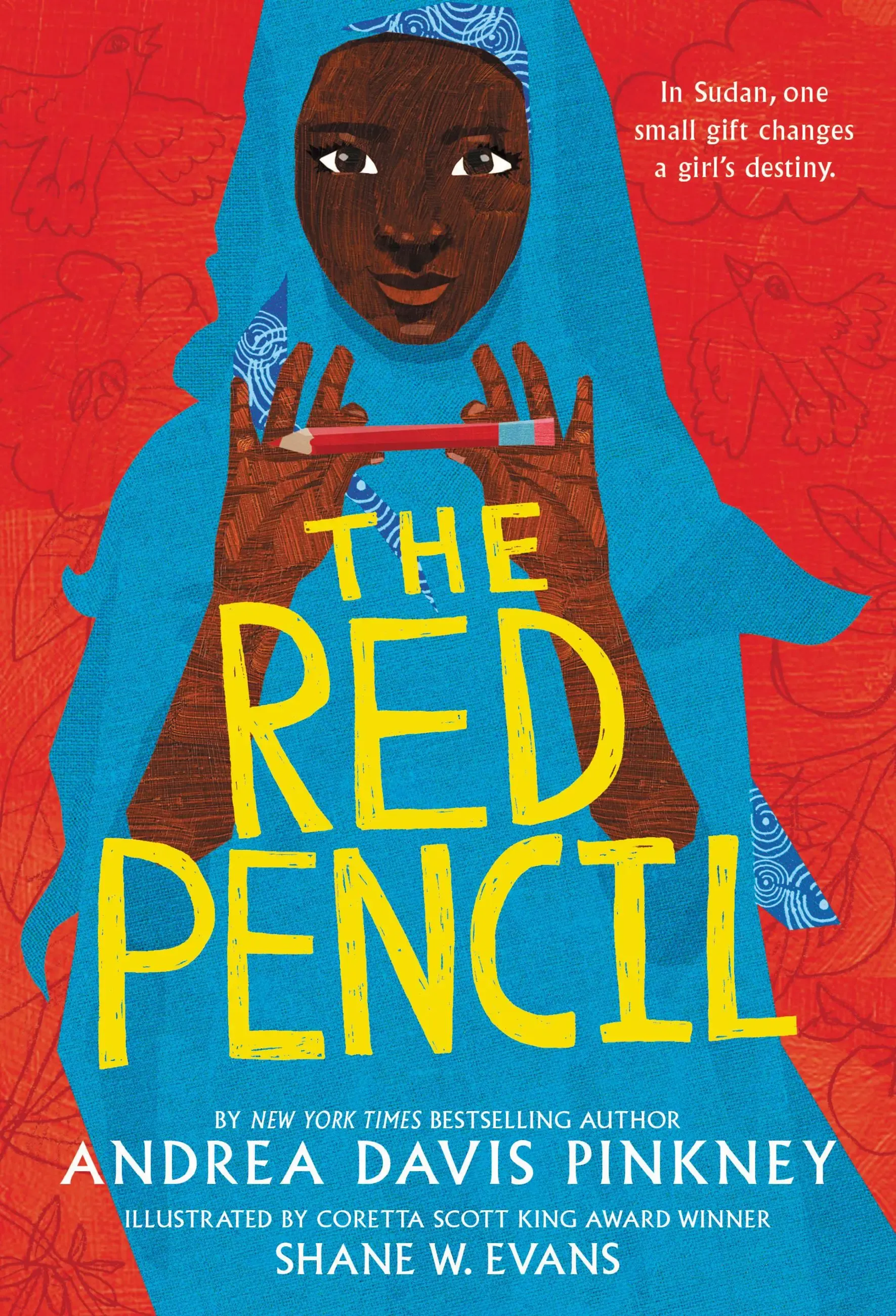
By Andrea Davis Pinkney, The Red Pencil (Little, Brown, 2015) is the story of 12-year-old Amira, whose Sudanese village is attacked and destroyed. Amira makes the long journey to a refugee camp – where the gift of a red pencil opens the way to healing. Written in verse. For ages 9-12.

Arthur Conan Doyle’s A Study in Scarlet, first published in 1887, is the first to feature Sherlock Holmes and sidekick Dr. Watson, soon to be the most famous detective pair in literature. Available in many editions.

Are you a ginger? By Jacky Colliss Harvey, Red (Black Dog & Leventhal, 2015) is a history of red hair and red heads – beginning with a gene mutation that popped up about 30,000 years ago. For teens and adults.
Orange

By Howard Pearlstein, in Orange Porange (Marshall Cavendish, 2020), all the colors have rhymes – except poor Orange. For ages 3-6.
Also see Nothing Rhymes with Orange by Adam Rex (Chronicle Books, 2017).

By Dianne White, Who Eats Orange? (Beach Lane Books, 2018) is an exploration of color through animals’ favorite foods. (Rabbits, chickens, and goats eat orange; gorillas, giraffes, and zebras eat green.) For ages 3-7.
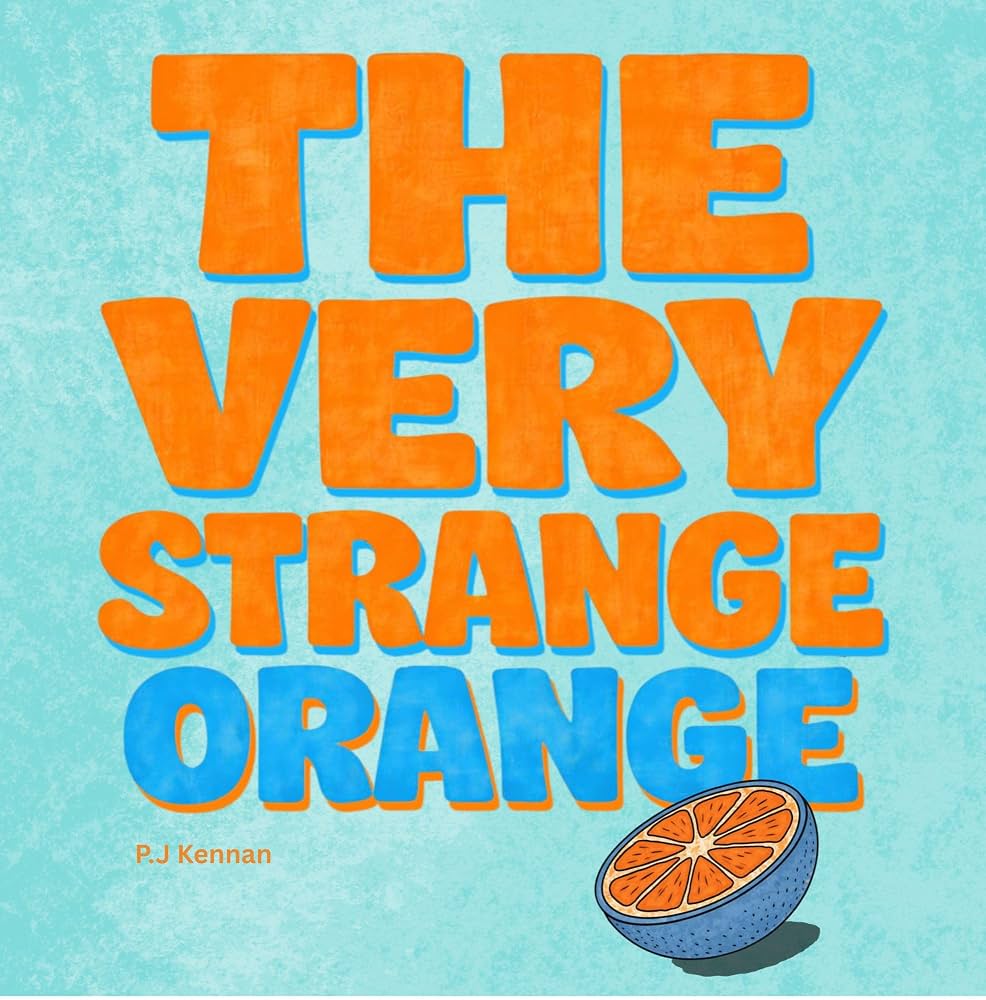
By P.J. Kennan, The Very Strange Orange (Riot Time Studio, 2026) is a “funny book that makes you questions things” – starting with an orange. (Which came first – the color or the fruit? If an orange is blue, is it still an orange?) Fun and though-provoking for ages 4-10.

In Daniel Pinkwater’s The Big Orange Splot, all the houses on Mr. Plumbeam’s street look just the same – until a seagull dropped a can of orange paint on Mr. Plumbean’s roof, creating a big orange splot. It’s the beginning of an artistic explosion. For ages 4-8.
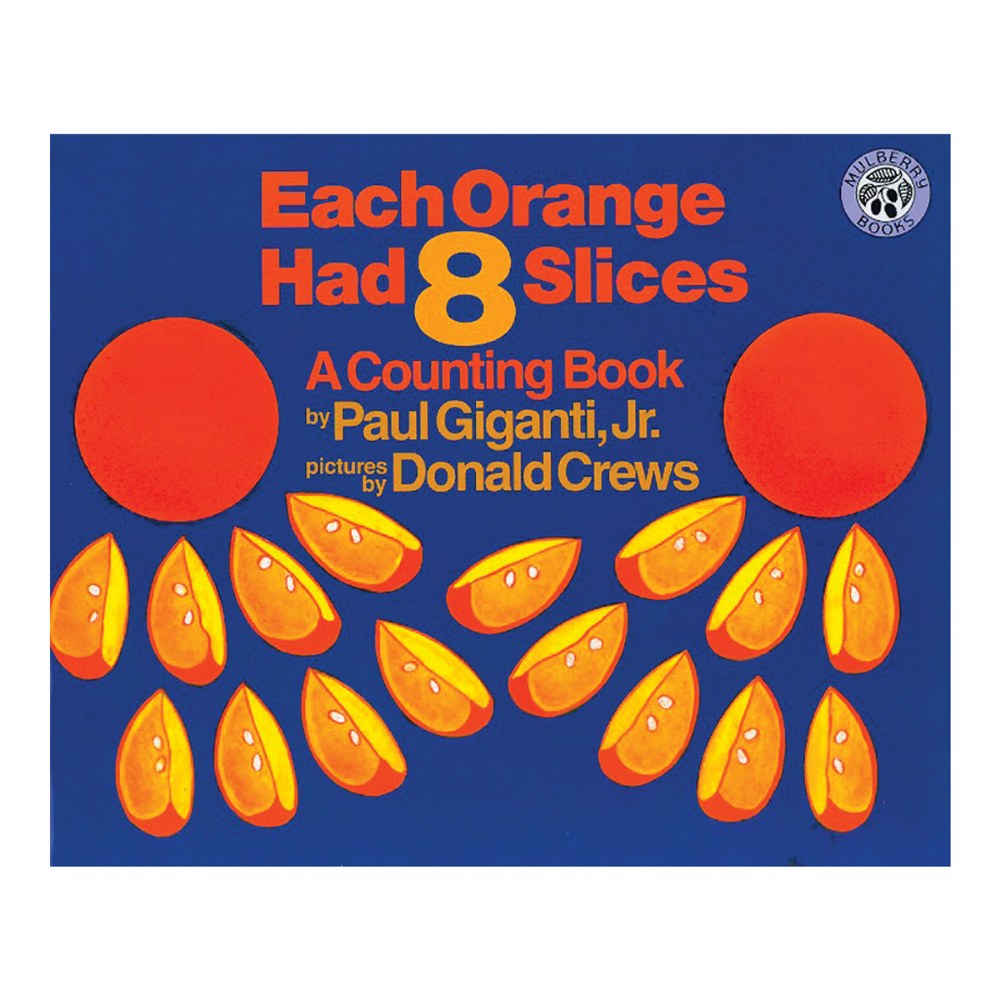
By Paul Giganti, Each Orange Had Eight Slices (Greenwillow, 1999) is an eye-catching introduction to basic math concepts – counting, adding, and multiplying – through appealing problems for ages 5-8.
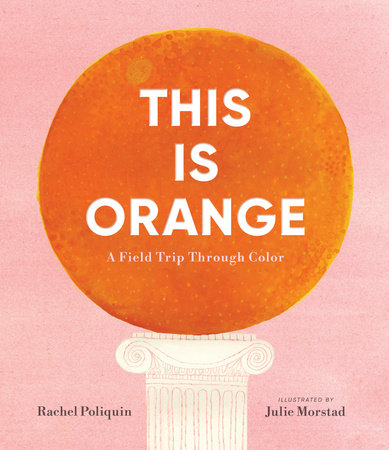
Rachel Poliquin’s This Is Orange (Candlewick, 2025) is a wonderful field trip through color in history, culture, and the natural world. (Did you know that six hundred years ago there was no word for the color orange?) For ages 5-9.

In Trinka Hakes Noble’s The Orange Shoes (Sleeping Bear Press, 2007), Delly Porter, who loves art, comes from a poor family and always walks barefoot to school. When her teacher, Miss Violet, comes up with a plan for a Shoebox Social to raise money for school art supplies, Delly’s father manages to buy her a new pair of orange shoes – which bullies on the playground do their best to destroy. Delly, however, with talent and paint, turns her shoes and shoebox into something beautiful. For ages 5-9.
See this activity guide to accompany The Orange Shoes.

Anthony Burgess’s A Clockwork Orange (W.W. Norton, 2019) is a horrifying vision of the future narrated by Alex, sadistic leader of a violent teenage gang of droogs, who speaks in invented slang. Eventually Alex, apprehended and imprisoned for his crimes, is subjected to the Ludovico technique, a form of aversion therapy intended to convert him into a model citizen. For ages 15 and up.
See these discussion questions to accompany A Clockwork Orange.
Yellow
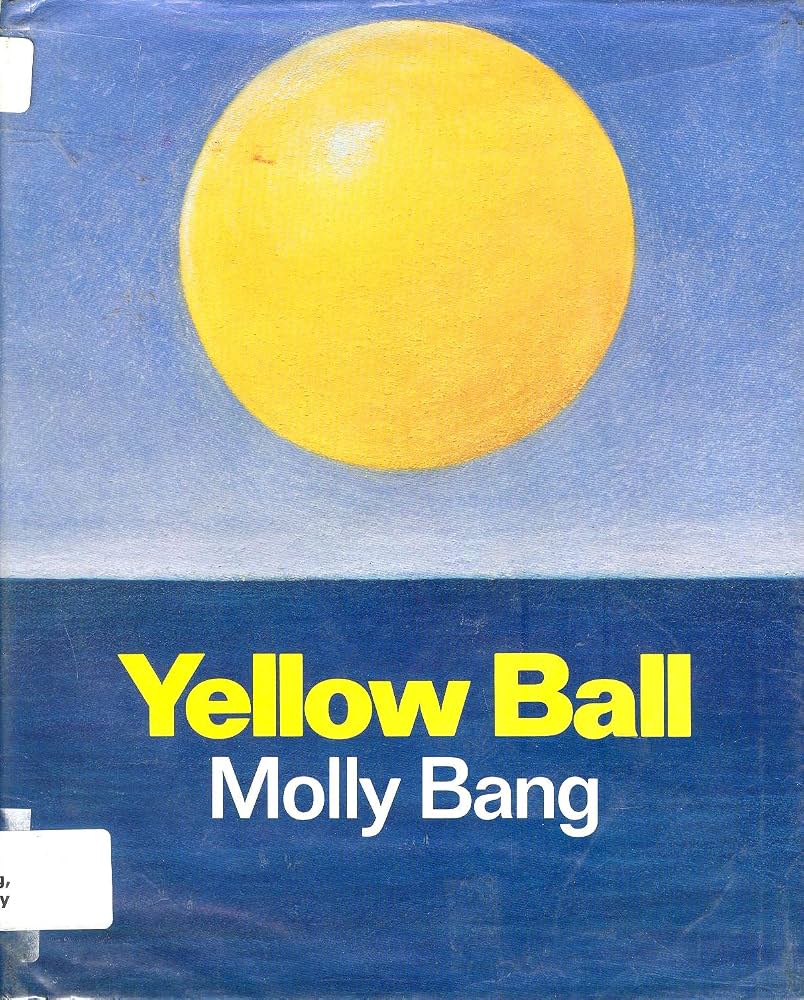
In Molly Bang’s Yellow Ball (Purple House Press, 2022), a big yellow ball is swept out to sea; readers follow its travels until it washed up on shore again and finds a new home. For ages 2-5.
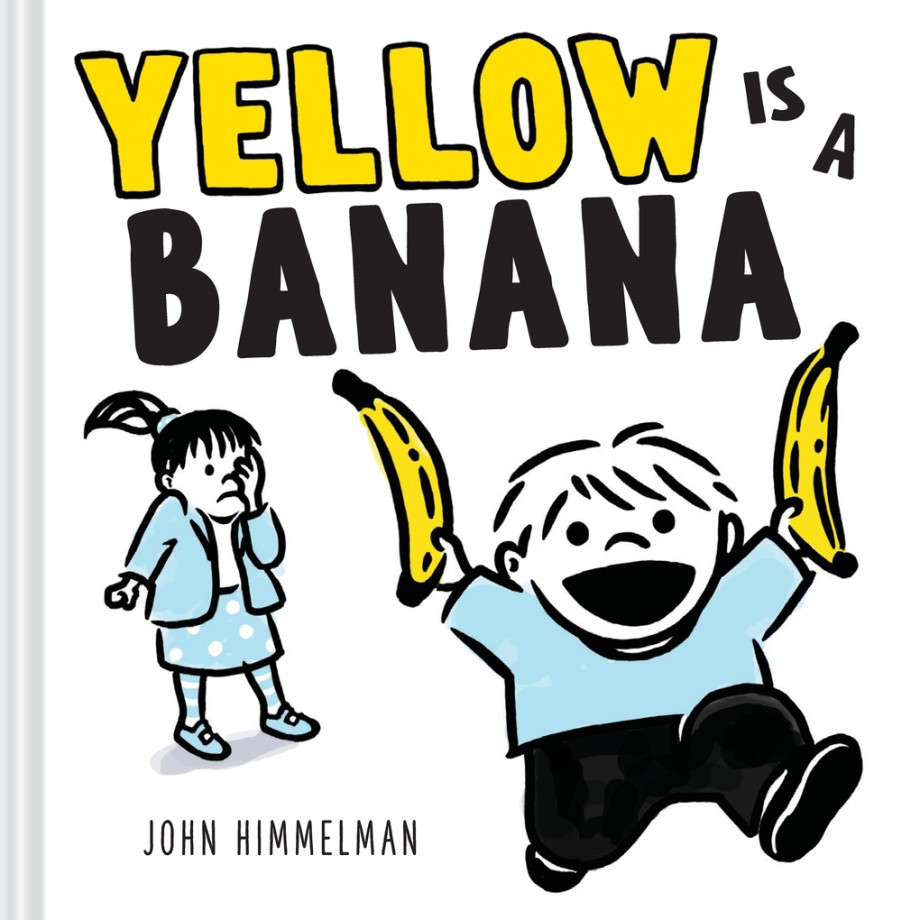
John Himmelman’s Yellow is a Banana (Harry N. Abrams, 2025) is a rollicking (and increasingly tangled) romp through colors. (This yellow is a banana. No, this banana is yellow.) For ages 3-5.

Lauren Stringer’s Yellow Time (Beach Lane Books, 2016) is a lovely celebration of the coming of autumn – the “yellow time.” For ages 3-6.
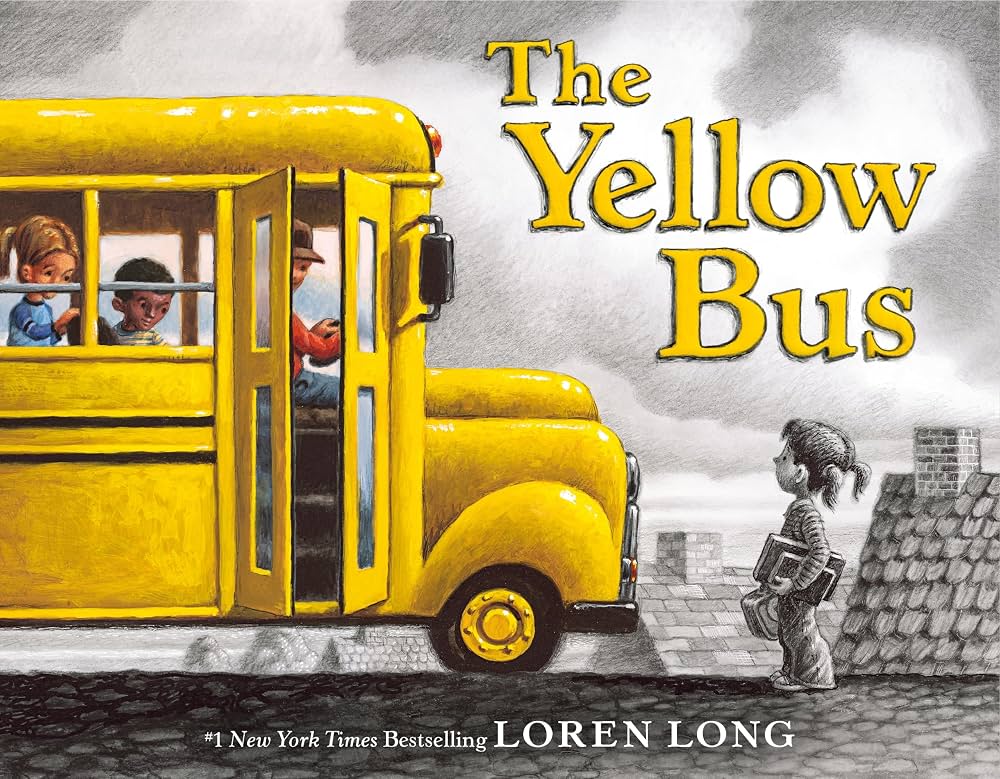
By Loren Long, The Yellow Bus (Roaring Brook Press, 2024) was first a school bus, then transport for senior citizens, a shelter for the homeless, a home for goats, and even – finally – a home for fish. And all filled her with joy. Long’s wonderful illustration pair a bright-yellow bus with soft gray backgrounds. For ages 3-7.
See it read at https://www.youtube.com/watch?v=nT2WJdBc6GA.

Lois Ehlert’s Red Leaf, Yellow Leaf (HMH, 1991) is the story of the life of a sugar maple tree. (Included are instructions for making a bird treat.) For ages 4-7.

William Stieg’s Yellow and Pink (Square Fish, 1988) features a pair of puppets – one yellow and one pink – who debate their origins: are they the result of a series of natural processes or did someone create them? Discussion potential for ages 5-8.
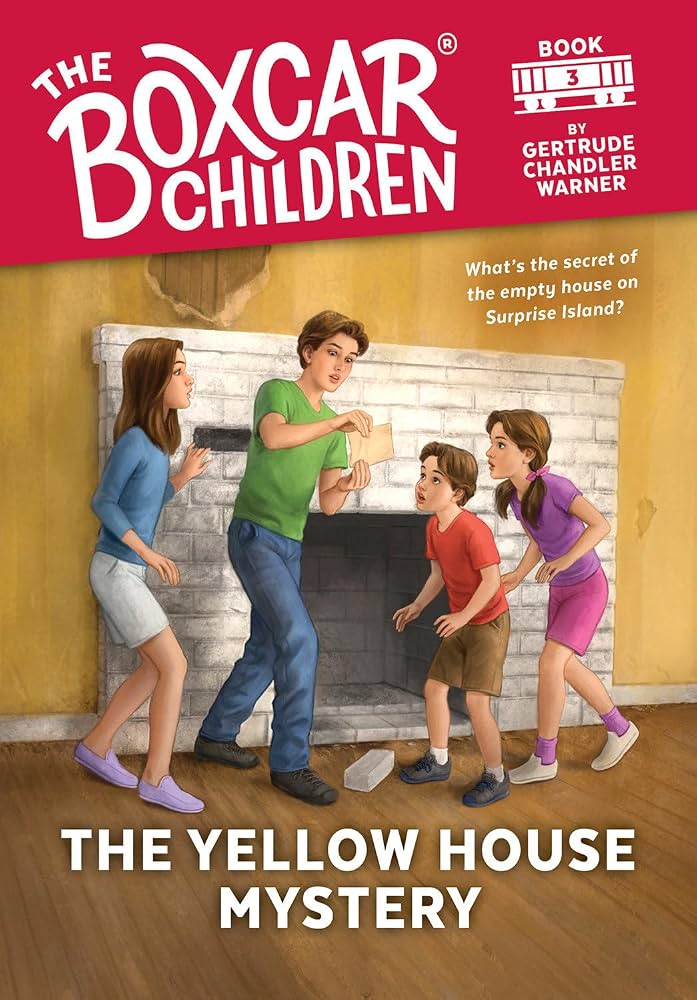
In Gertrude Chandler Warner’s Boxcar Children series, The Yellow House Mystery (Random House, 1989) involves an old yellow house on Surprise Island and a man who vanished many years ago. The Alden siblings have a clue. For ages 6-9.
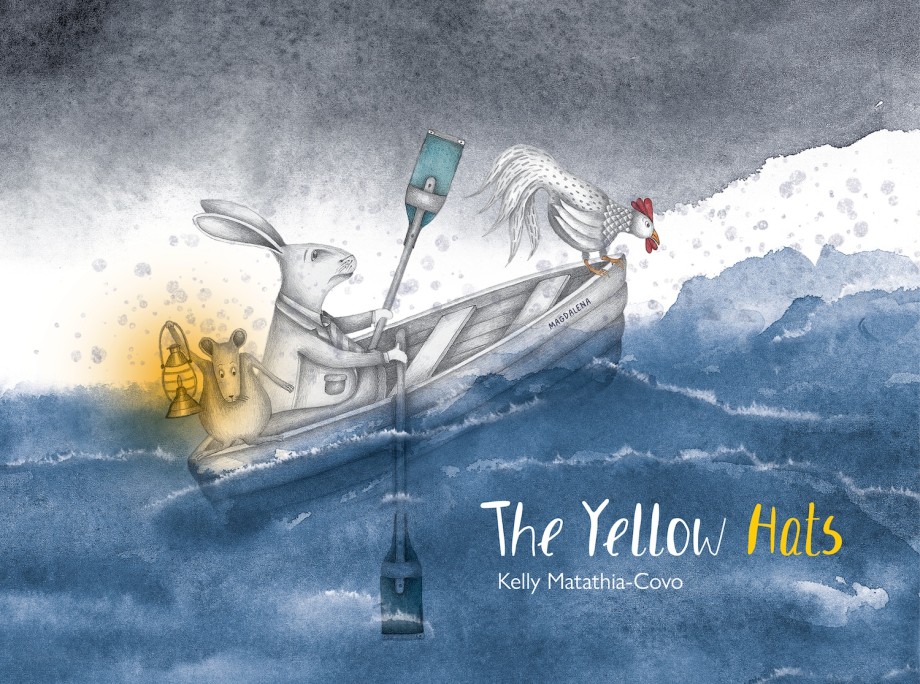
In Kelly Matathia-Covo’s The Yellow Hats (Enchanted Lion, 2026), the animals all live together happily – until the Terrible Things come down from the mountain, rounding up the sheep, imprisoning them in pens, and forcing them to wear yellow hats. The other animals come to their rescue. Based on a Holocaust rescue story. A discussion book for ages 6-9.

By Chris Riddell, Ottoline and the Yellow Cat (Pan Macmillan, 2015) is the first of a chapter-book series starring Ottoline Brown, amateur detective, and her partner, Mr. Munroe, a strange little creature (from a Norwegian bog) who disguises himself as a dog. In this story, they come up against the nefarious Yellow Cat. Funny and clever for ages 7-9.
The Colored Fairy Books of Andrew Lang were originally published in the late 19th and early 20th centuries. Named for the colors of their covers, these included The Red Fairy Book, The Blue Fairy Book, The Green Fairy Book, and more. They’re still available in various editions today.
The Yellow Fairy Book (Racehorse, 2020) includes the stories of Thumbelina, The Steadfast Tin Soldier, The Emperor’s New Clothes, The Story of King Frost, and many more. For ages 8 and up.

By Fred Gipson, Old Yeller (Harper Perennial, 2009), set in early frontier Texas, is the story of young Travis, left to care for family and farm while his father is off on a cattle drive. He does so with the help of a stray yellow dog, dubbed Old Yeller. A classic and a tearjerker for ages 10 and up.

The 1957 Disney movie version of Old Yeller is rated “approved.” A wonderful dog. Just be prepared to cry.
Green
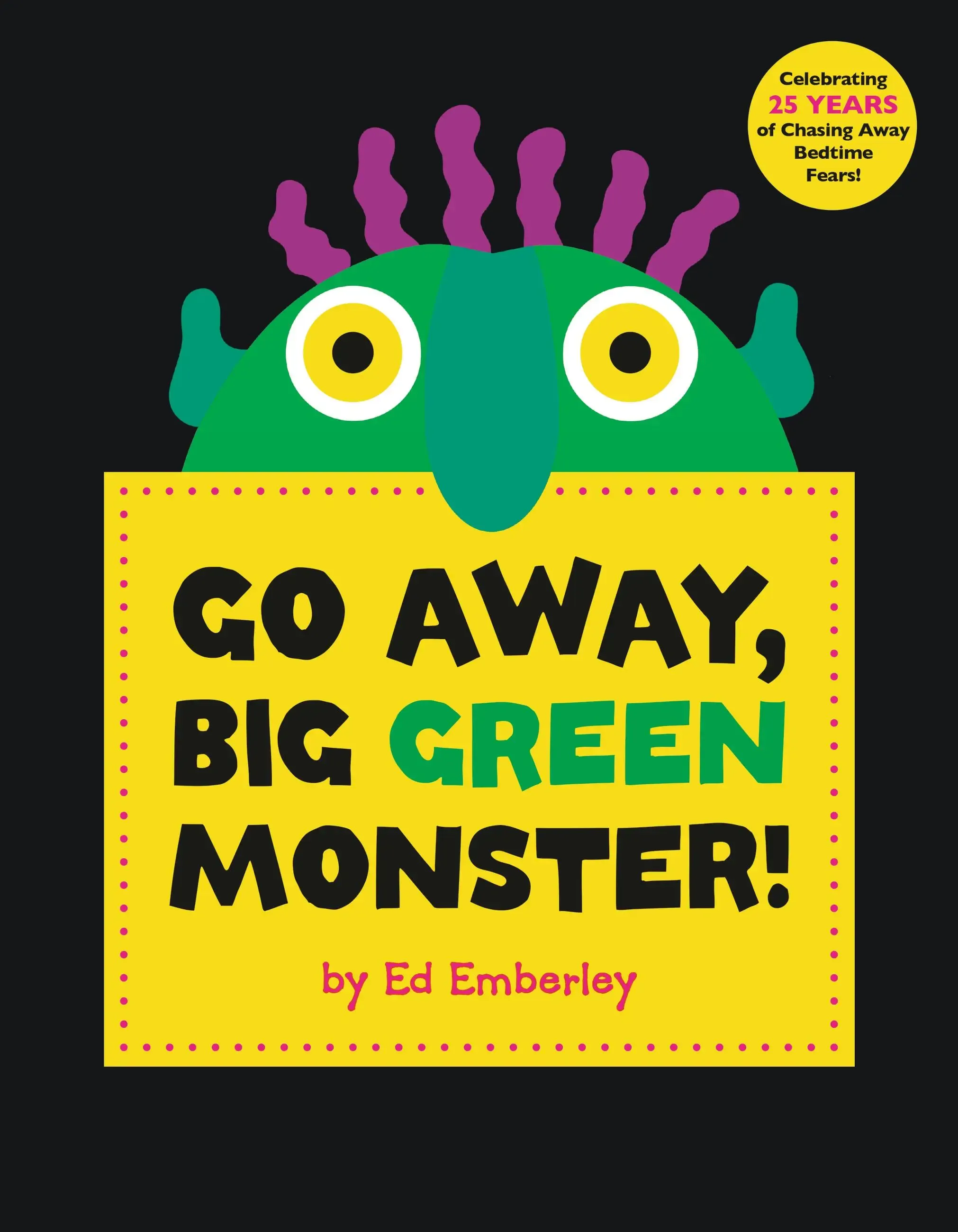
In Ed Emberley’s Go Away, Big Green Monster (Little, Brown, 1992), kids can assemble a big green monster – and then take it apart, ending with “Don’t come back!” For ages 2-4.
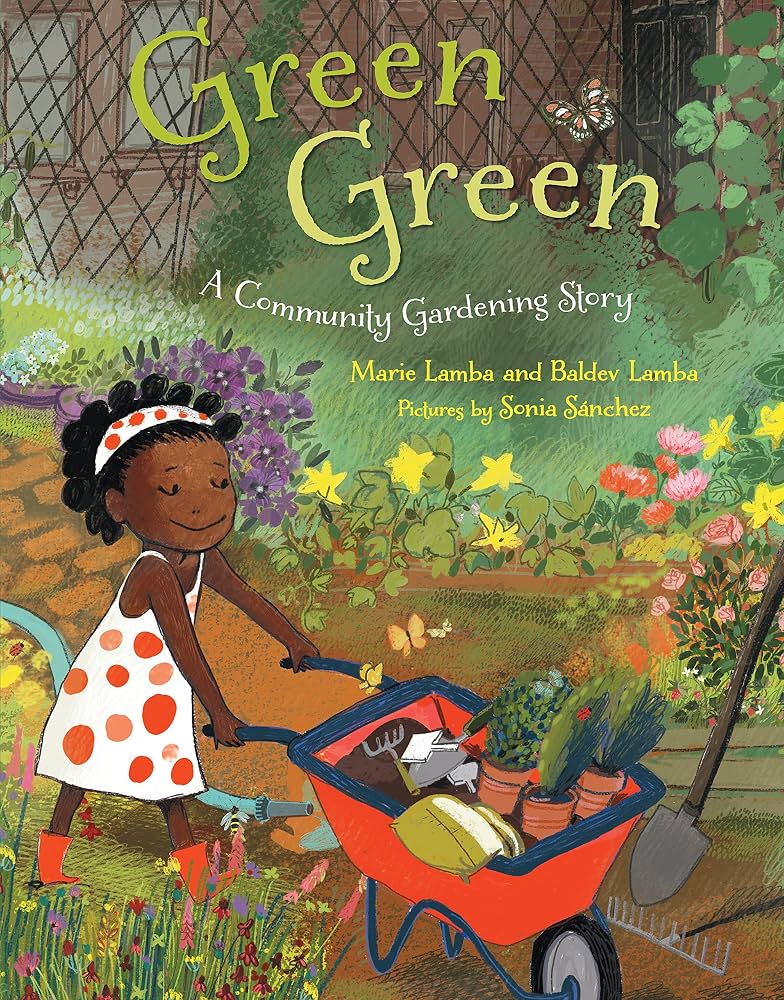
Marie Lamba’s Green Green (Square Fish, 2022) is a simple rhyming story about planting a community garden in the city. For ages 2-5.
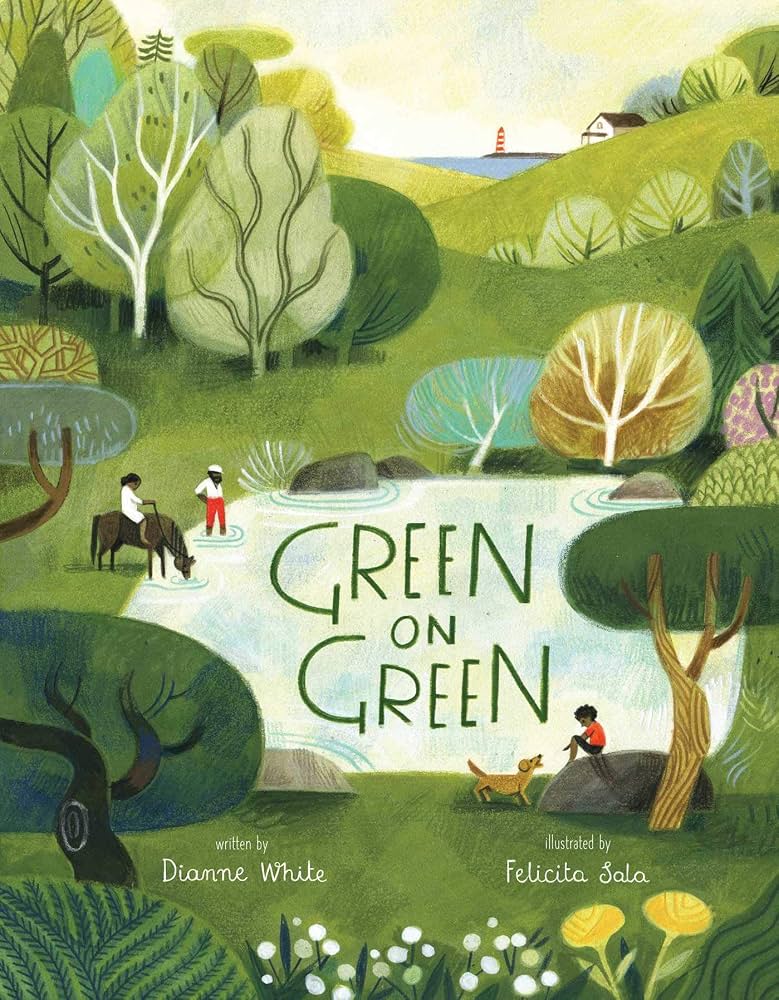
By Dianne White, Green on Green (Beach Lane Books, 2020) is a color-themed tour through the seasons from the yellow flowers of spring to the green pine forests of winter. For ages 3-6.

By Mem Fox, Where Is the Green Sheep? (Harcourt, 2004) is filled with colorful sheep – in the bath, in bed, on the slide, juggling balls, even on the moon – but where is the green sheep? For ages 3-7.

By Roseanne Greenfield Thong, Green is a Chile Pepper (Chronicle Books, 2016) is a rhyming book of Latino culture and colors. (Readers also learn the names of the colors in Spanish.) For ages 3-6.

In Dr. Seuss’s classic Green Eggs and Ham (Random House, 1960), the main character insists to the persistent Sam-I-am, that he DOES NOT LIKE green eggs and ham. For ages 3-7.

Antoinette Portis’s A New Green Day (Neal Porter Books, 2020) is a clever picture-book collection of poetic riddles about the natural world. (“I’m a map of my own/green home. Follow my roads, and climb”…says leaf.) For ages 3-7.

Eve Bunting’s One Green Apple (Clarion, 2006) is the story of Farah, a young Muslim immigrant just learning to speak English – who, on a class trip to a cider mill, puts a green apple rather than a red one into the cider press. The cider, however, is delicious – the lesson being that many different kinds of people blend together to make a better whole. For ages 4-8.

In Lane Smith’s Grandpa Green (Roaring Brook Press, 2011), a young boy tells the story of his great-grandfather’s life while wandering through his marvelous topiary garden. For ages 5-9.

In Judy Blume’s The One In the Middle is the Green Kangaroo (Atheneum, 2014), Freddy Dissel feels squashed between his older brother Mike and younger sister Ellen – it’s hard being a middle kid – until he lands the part of the Green Kangaroo in the school play. For ages 6-9.
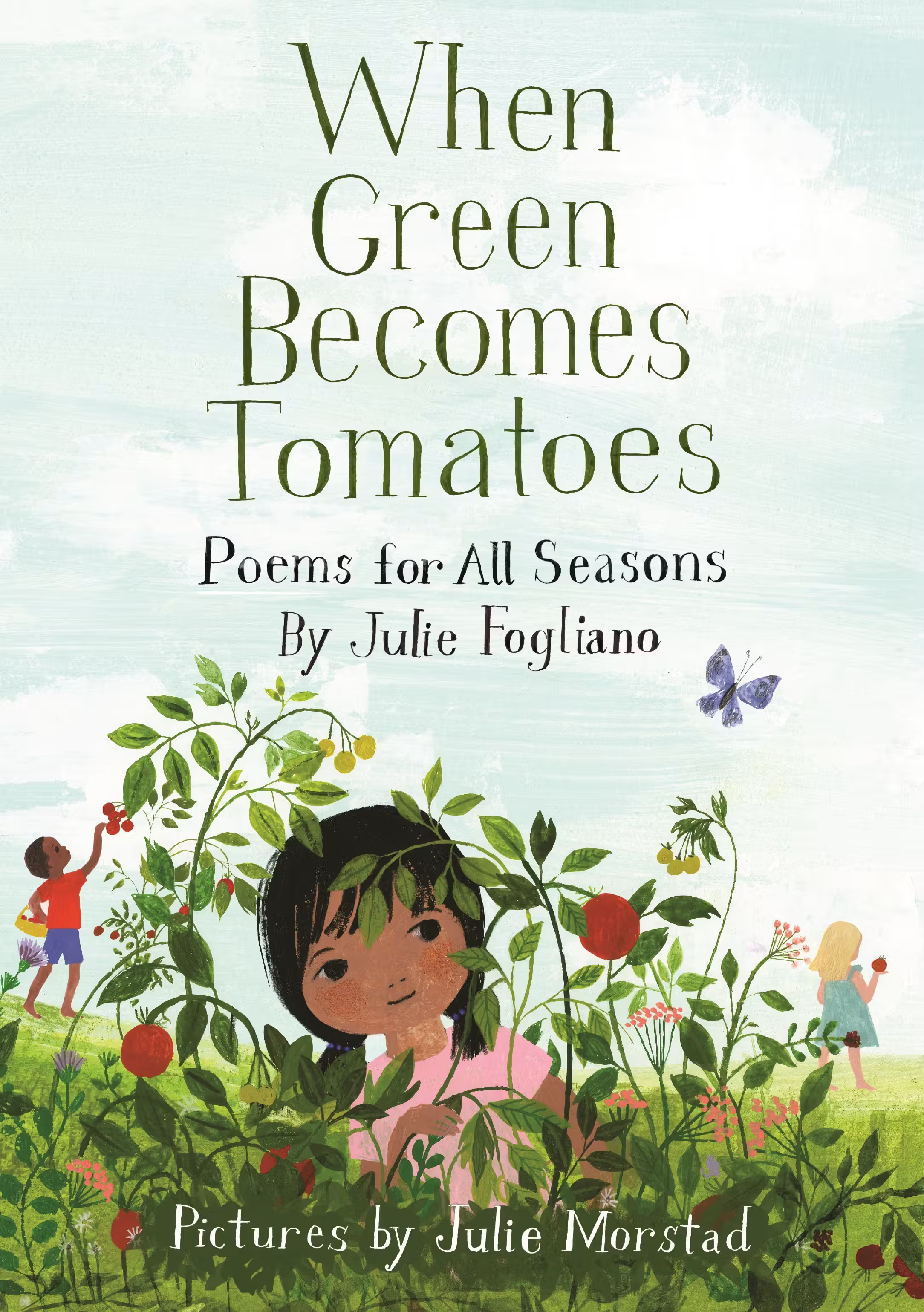
Julie Gogliano’s When Green Becomes Tomatoes (Roaring Brook Press, 2016) is an illustrated collection of poems for all seasons for ages 6-10.
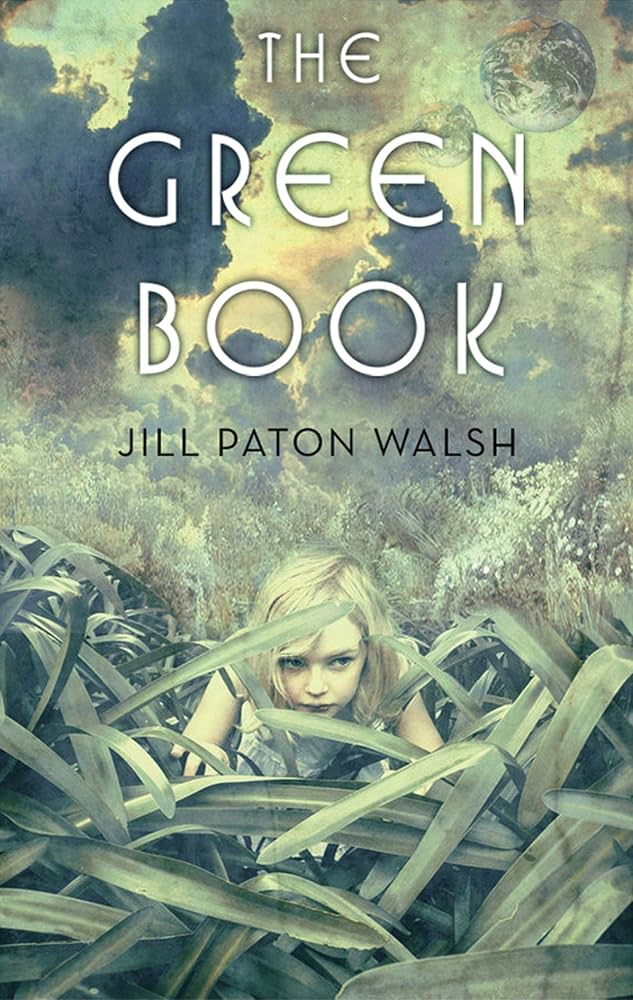
In Jill Paton Walsh’s class sci-fi novel The Green Book (Square Fish, 2012), Pattie and family have fled the dying Earth to create a new home on the distant planet of Shine – but there the plants sparkle like glass and there seems nothing capable of sustaining human life. Answers may lie in Pattie's green book. Discussion opportunities for ages 8-11.
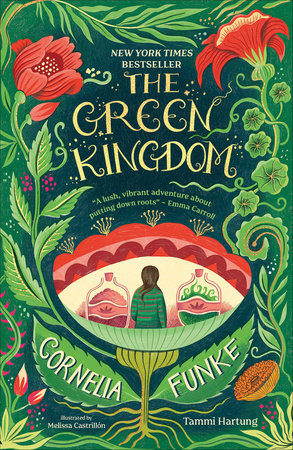
In Cornelia Funke’s The Green Kingdom (DK, 2025), twelve-year-old Caspia is unhappy moving from her small town in Maine to the city – until she finds a bundle of old letters, each containing a green riddle about plants that leads to a scavenger hunt across her urban neighborhood. For ages 8-12.
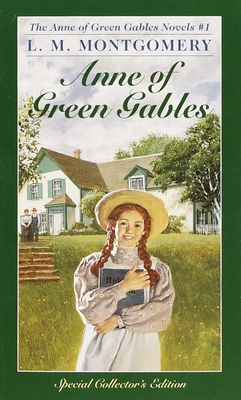
L.M. Montgomery’s Anne of Green Gables (many editions) is the story of the imaginative (and trouble-prone) red-headed orphan sent to live with Matthew and Marilla Cuthbert, a middle-aged brother and sister, on Prince Edward Island. Several sequels. For ages 9 and up.
Like the books, there are multiple film versions – but the best is the 1985 TV mini-series with Megan Follows as Anne (with an E) and Richard Farnsworth and Colleen Dewhurst as Matthew and Marilla Cuthbert. See https://www.imdb.com/title/tt0088727/.

By J. Anderson Coats, The Green Children of Woolpit (Atheneum, 2020), based on a medieval English folk tale, is the story of two strange green children found in a wolf pit by twelve-year-old Agnes. The children are of the Fair Folk, there to convince dreamy and trusting Agnes to come to their underground world – which soon proves to be a dark and treacherous place. For ages 10 and up.

There are many available versions of the tale of Sir Gawain and the Green Knight, in which a mysterious knight, green from head to toe, challenges King Arthur’s knights of the Round Table to a dangerous duel. By Weston Ochise, Sir Gawain and the Green Knight (Dark Moon Books, 2021) is a modern translation of the classic story. For teens and adults.
Blue

The main character of Alice Schertle’s Little Blue Truck (HMH, 2008) is an adorable little blue pick-up – who gets stuck in the mud trying to help a large mean dump truck, but is ultimately rescued with the help of a lot of farm animal friends. And the dump truck learns a lesson about friendship. For ages 3-7.
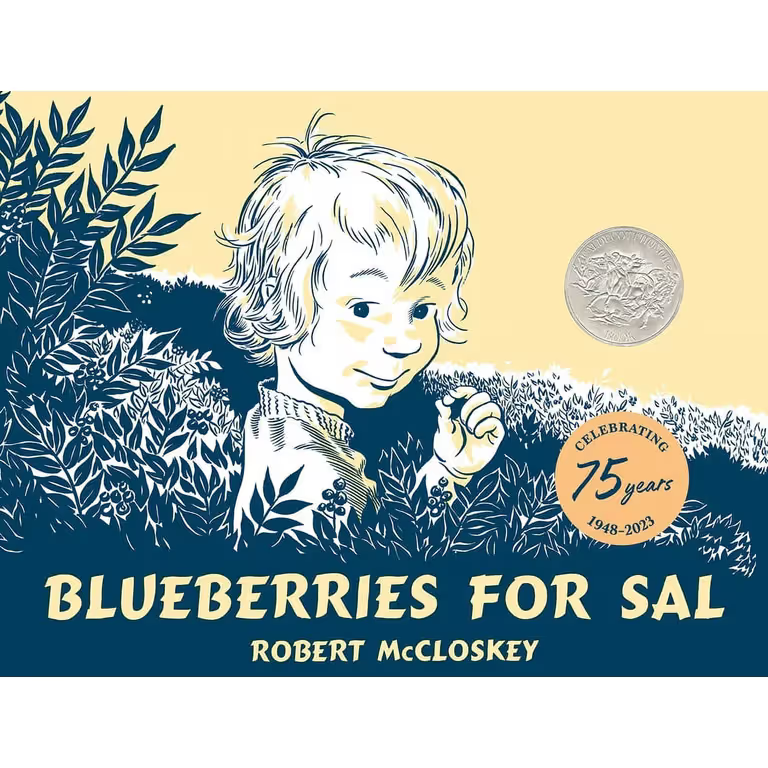
In Robert McCloskey’s Blueberries for Sal (Viking, 1948), Sal and her mother go blueberry picking at the same time that a mother bear and her cub are visiting the blueberry patch. And there’s a mix-up in kids. For ages 3-7.

Dianne White’s Blue on Blue (Beach Lane Books, 2014) is a simple rhyming account of coming rain and thunderstorm, beautifully illustrated with scratchboard-and-watercolor pictures. (“Cotton clouds. Morning light./Blue on blue. White on white.”) For ages 3-8.

Tomie dePaola’s The Legend of the Bluebonnet (Puffin, 1996) is the picture-book version of a Comanche story in which a little girl sacrifices her most beloved possession to bring desperately needed rain to her people. For ages 4-8.
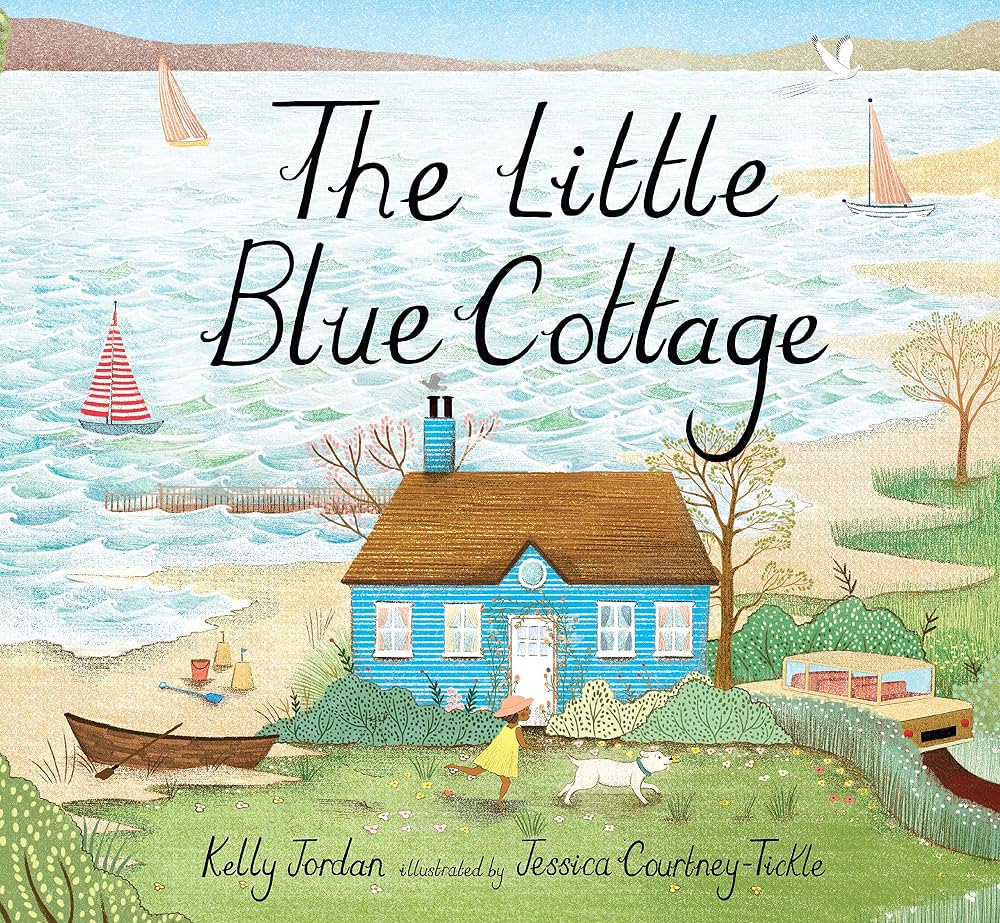
In Kelly Jordan’s The Little Blue Cottage (Page Street Kids, 2020), the little blue cottage waits all year for summer when a little girl comes to visit – until one year she doesn’t come back. The cottage misses her, standing empty and slowly decaying – until at last she returns, now a mother with a little girl of her own, and the cottage is restored. A nostalgic story of a much-loved place for ages 4-8.
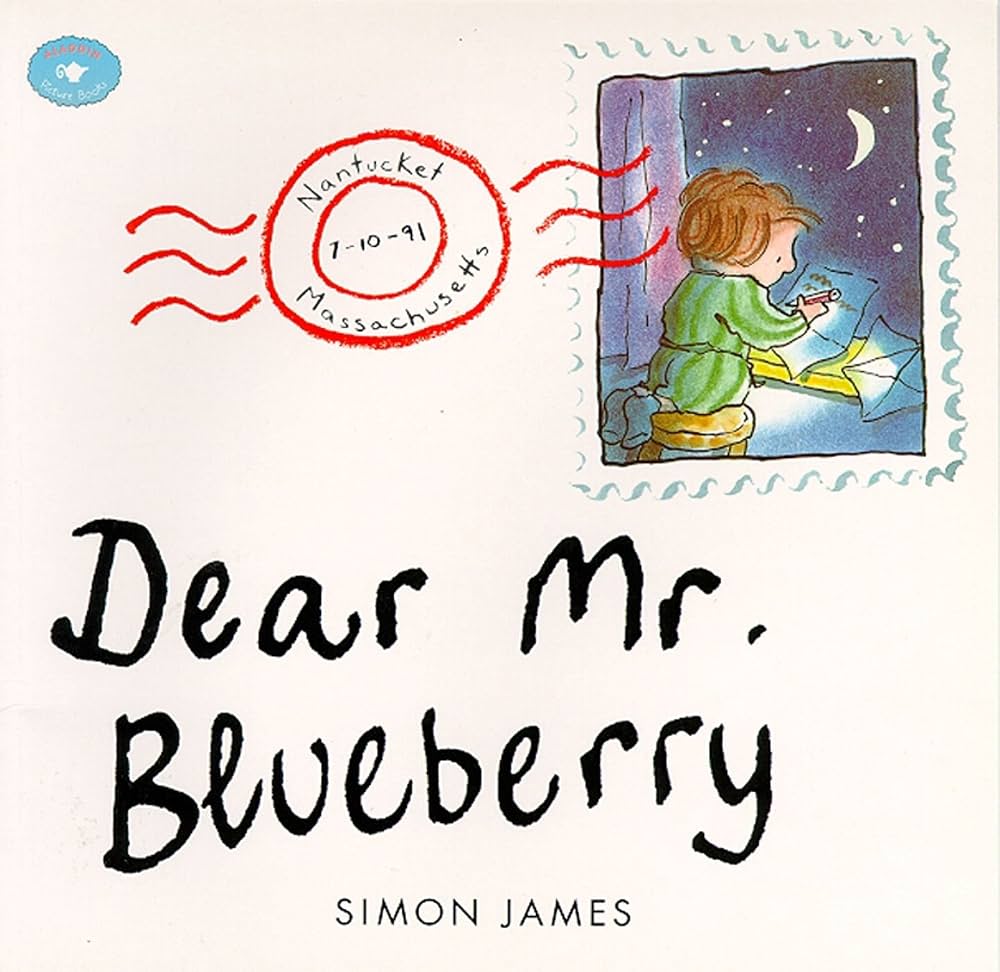
By Simon James, Dear Mr Blueberry (Aladdin, 1996) is written in the form of letters between Emily – who insists there’s a blue whale living in her backyard pond – and her teacher, Mr. Blueberry, who insists that there isn’t. For ages 4-8.
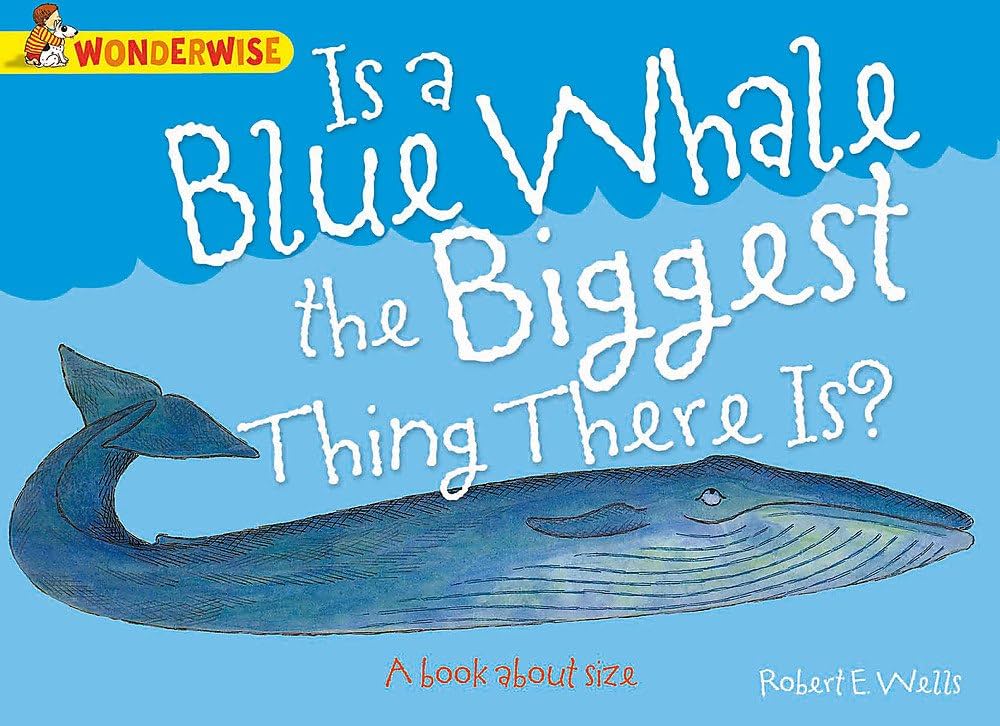
Just how big is a blue whale? By Robert E. Wells, Is a Blue Whale the Biggest Thing There Is? (Albert Whitman, 1993) is a kid-friendly exploration of size and scale. (A lot of things are bigger than a blue whale.) For ages 4-8.
By Alice Faye Duncan, Blues Boy (Greenwillow, 2026) is the picture-book biography of musician B.B. King. For ages 4-8.
From PBS, see What Is the Blues? at https://www.pbs.org/theblues/classroom/essaysblues.html.
From Spotify, see this list of Blues for Kids at https://open.spotify.com/album/2oAR2g9s89eaJiaquuTPtC.
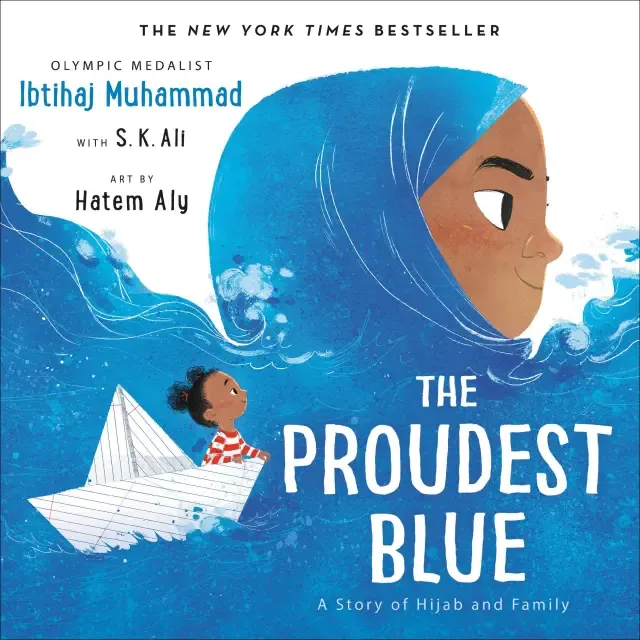
By Ibtihaj Muhammad, The Proudest Blue (Little, Brown, 2019), it’s Faizah’s first day of school and her big sister Asiya’s first day of wearing her beautiful new blue hijab. But not everyone sees the hijab as beautiful, and Faizah and Asiya have to stay strong and stand together against bullies. For ages 4-8.
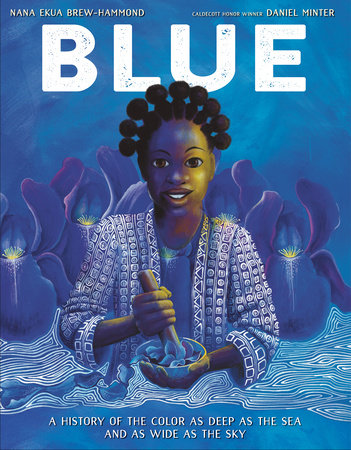
By Nana Ekua Brew-Hammond, Blue (Knopf, 2022), subtitled “A History of the Collor as Deep as the Sea and as Wide as the Sky,” is a vividly illustrated survey of the science, history, and culture of blues, from Eurasian sea snails to lapis lazuli to indigo. For ages 5-9.

In Doreen Cronin’s The Case of the Weird Blue Chicken (Atheneum, 2016), one of the Chicken Squad series, the Chicken Squad – Dirt, Sugar, Poppy, and Sweetie – are out to solve mysteries and fight crime. This one involves a weird blue bird and a house-napping. For ages 6-10.
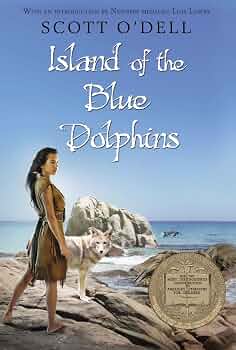
Scott O’Dell’s Newbery-winning Island of the Blue Dolphins (Clarion, 2010), based on a true story, is the story of Karana, a Native American girl, who spent eighteen years alone on an island off the coast of California. For ages 8-12.

By Rebecca Rupp, Journey to the Blue Moon (Candlewick, 2006) is the story of a fantastical trip to the Blue Moon where all lost things go. Alex and his dog Zeke, with the help of some rambunctious Moon Rats and other lost travelers, are on a mission to find lost time. For ages 9-12.

In Niki Smith’s graphic novel The Deep and Dark Blue (Little, Brown, 2020), twins Hawke and Grayson’s royal family has been destroyed in a political coup. Taking on new identities as Hanna and Grayce, the two find their way to the Communion of Blue, an order of magical women who spin the mystical threads that bind the world. For ages 10 and up.
Purple

By Robert Munsch, Purple, Green and Yellow (Annick Press, 2018) is the story of Brigid, who wants washable markers, scented markers, and – oh-oh - “super-indelible, never-come-off-until-you’re-dead-and-maybe-even-later” markers. For ages 4-7.

In Crockett Johnson’s Harold and the Purple Crayon (HarperCollins, 2015), Harold, armed with a magical purple crayon, goes for an imaginative walk in the moonlight. First he draws the moon – and next a long straight path, so that he won’t get lost. For ages 4-8.

By Kevin Henkes, in Lilly’s Purple Plastic Purse (Greenwillow, 2006), Lilly’s most beloved possession is her purple plastic purse – which she can’t resist showing off, interrupting Mr. Slinger’s lesson about Types of Cheese. When her purse is confiscated, Lilly, furious, draws a picture of Big Fat Mean Mr. Stealing Teacher – but then she finds the understanding note that he left in her purse. For ages 4-8.

By Leonard Kessler, in Mr. Pine’s Purple House (Purple House Press, 2014), Mr. Pine lives in a street of plain white houses – so he decides to make his stand out. He paints it purple. For ages 4-8.

One of Gertrude Chandler Warner’s Boxcar Children series, in The Mystery of the Purple Pool (Albert Whitman & Company, 1994) the Alden kids go to New York City and tackle a mystery in their hotel – including a prankster who has dyed the hotel swimming pool purple. For ages 7-10.
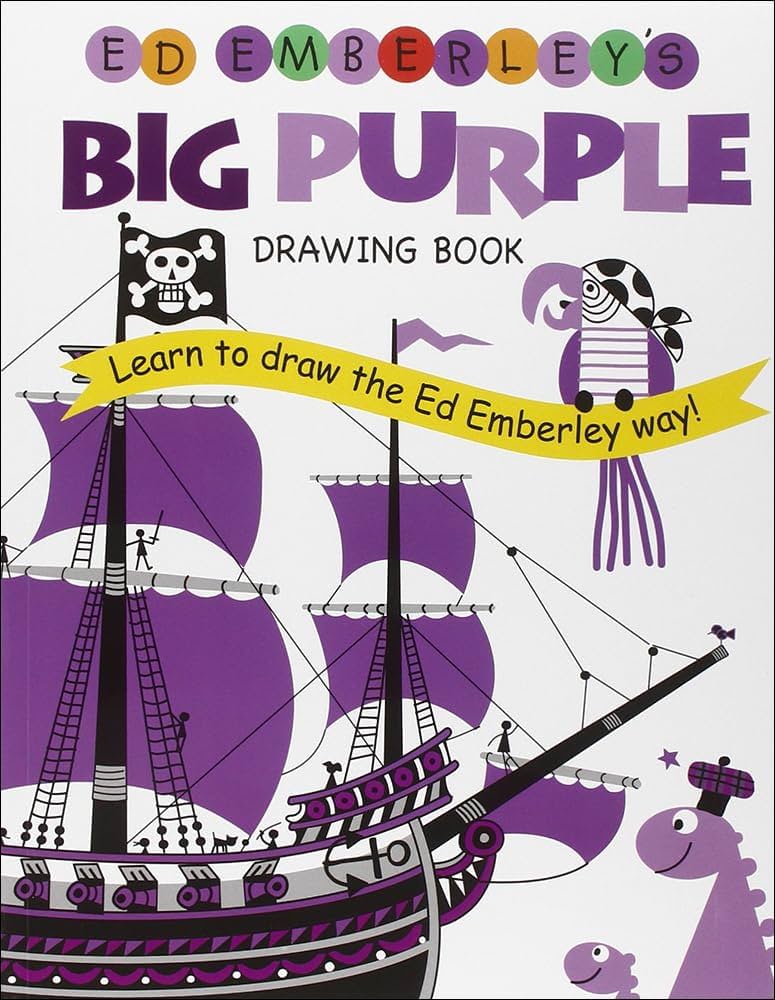
Ed Emberley’s Big Purple Drawing Book (Little, Brown, 2005) is a step-by-step drawing book that shows kids how to draw everything from robots to animals, people, and pirate ships using simple shapes. For ages 7 and up.
If you like Emberley in purple, there are many more drawing books, including the Big Green Drawing Book, Big Orange Drawing Book, and Big Red Drawing Book.
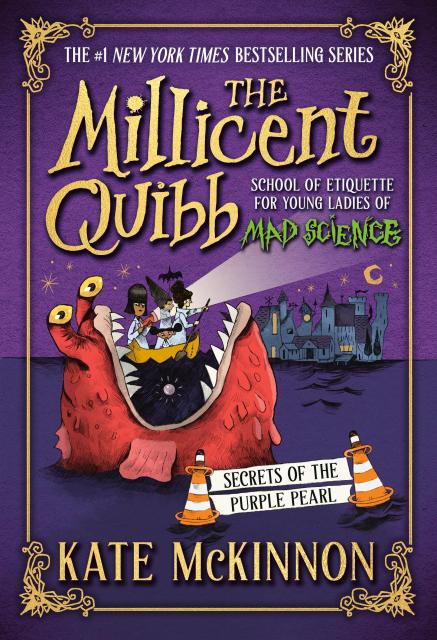
In Kate McKinnon’s The Millicent Quibb School of Etiquette for Young Ladies of Mad Science series, Secrets of the Purple Pearl (Little, Brown, 2025) features a gang of nefarious mad scientists in search of the legendary Purple Pearl – but Gertrude, Eugenia, Dee-dee (and mentor Millicent Squibb) are hot on their trail. For ages 9-12.

By Tami Lewis Brown and Debbie Loren Dunn, Perkin’s Perfect Purple (Little, Brown, 2020) is the story of how young chemist William Perkin failed at making a synthetic quinine – a drug used to treat malaria – but by mistake came up with fabulous purple aniline dyes. For ages 4-8.

Simon Garfield’s Mauve: How One Man Invented a Color That Changed the World (W.W. Norton, 2002) is the story of Perkin and his marvelous purple dye for teens and adults.

Alice Walker’s The Color Purple (Penguin, 2019) – winner of the Pulitzer Prize and National Book Award – is the story, told in letters, of two African American women, sisters, Celie and Nettie, in early 20th-century rural George. For teens and adults.