
Letters and Letter Writing
In this collection
See below for books about letters and letter writers, a great Graceful Envelope Contest, the Month of Letters Challenge, a (mailable!) plastic pigeon, typing cows, postcard-posting pigs, Emily Dickinson's envelope poems, and much more.
Books Full of Letters: Elementary

In Doreen Cronin’s wonderful Click, Clack, Moo (Atheneum Books for Young Readers, 2000), Farmer Brown’s cows have acquired a typewriter and promptly begin to make their problems known via letter: “Dear Farmer Brown, The barn is very cold at night. We’d like some electric blankets. Sincerely, The Cows.” Farmer Brown refuses and the cows go on a milk strike. All is finally resolved with the helpful intervention of Duck, who ends up with the typewriter – and promptly fires off a note announcing that the duck pond is boring and the ducks would like a diving board. Hilarious for ages 3 and up. There are several sequels featuring the Click, Clack, Moo characters.
Check out the history of typewriters, find out how they work, and download a typewriter font for your computer here.

Holly Hobbie’s enchanting Toot and Puddle (Little, Brown, 2010) is a tale of two very different pigs: Puddle stays happily at home in Woodcock Pocket while Toot tours the world, sending home accounts of his adventures on postcards. Double-page spreads compare Puddle and Toot’s very different activities, with illustrated postcards from Toot. Many sequels. For ages 3-7.

In Karen Kaufman Orloff’s I Wanna Iguana (Putnam Juvenile Books, 2004), Alex’s mother doesn’t want him to have an iguana – so Alex embarks on a persuasive letter campaign. For ages 3-8.

In Drew Daywalt’s The Day the Crayons Quit (Philomel Books, 2013), Duncan opens his box of crayons – and finds a pack of disgruntled letters. Red is sick of working on holidays, coloring Santa Clauses; Purple is annoyed at coloring outside the lines; Blue has had it coloring all those seas and skies. For ages 3-8.

In Ezra Jack Keats’s A Letter to Amy (Puffin, 1998), Peter is mailing his friend Amy a special invitation to his birthday party – but as he dashes through a storm to mail it, the wind whips the letter out of his hand. Chasing it, he barrels into Amy herself, knocks her down, and is convinced that now he’s ruined everything. (But he hasn’t.) For ages 3-8.

In Simon James’s Dear Mr. Blueberry (Aladdin, 1996), Emily, on vacation, writes to her teacher, Mr. Blueberry, for help – she’s worried about the whale living in the pond in her yard. Mr. Blueberry replies that there cannot be a whale in Emily’s pond, since whales live in salt water. Emily adds salt to the pond, names the whale Arthur, and feeds it cornflakes – all the while corresponding with Mr. Blueberry, who continues to insist that there is no whale. Delightful for ages 4-7.

By Troy Cummings, Arfy of Can I Be Your Dog? (Random House, 2018) is a master of persuasive letter-writing, as he tries to find himself a home. (“Dear People at Yellow House. WOOF!! Can I be your dog? I am potty trained and I have my own squeaky bone. Also I love to play!”) Nothing works out – but at last Arfy gets a letter from the mail lady, asking to be his person. A sweetheart of a book for ages 4-8.
See also


Arnold Lobel’s Frog and Toad books are charmers. Toad is mopey and disaster-prone: his kite won’t fly; his garden won’t grow; he loses lists and buttons; and he looks silly in his striped swimsuit. Frog is cheerful, upbeat, and supportive. They’re a perfect pair – funny, touching, and delightful – and their adventures deal neatly with many of the trials and tribulations of childhood. In Frog and Toad Are Friends (HarperCollins, 2003), one such tribulation centers around the mailbox. Toad is miserable because he never gets mail; the kindhearted Frog promptly writes him a letter – but then entrusts its delivery to a very slow snail. All eventually ends happily, but young readers will sympathize with Toad’s disappointment with his empty mailbox and the awful frustrations of waiting. For ages 4-8.

In Josh Funk’s Dear Dragon (Viking, 2016), George and Blaise – in their very different classrooms – have been assigned each other as penpals. They just don’t realize that George is a human boy and Blaise is a dragon. For ages 4-8.

In Jeff Brown’s Flat Stanley (HarperCollins, 2013), Stanley is a perfectly ordinary 3-D boy until a bulletin board falls on him and squashes him flat. The half-inch-thick Stanley can now slide under doors, fly like a kite, or mail himself across the country by folding himself into an envelope. For ages 4-8.
See the Flat Stanley website for games, quizzes, activities, and instructions for sending a Flat Stanley of your own on a mail adventure.
This Flat Stanley Project has suggestions for letter-writing activities. Also see this alternative Flat Stanley Project for suggestions for making and decorating Flat Stanleys and other associated art activities.

Gene Barretta’s Dear Deer (Square Fish, 2010) is a homophone-stuffed letter to Dear Deer from Aunt Ant. For ages 4-8.

In Judith Caseley’s Dear Annie (Greenwillow, 1994), Annie’s grandfather has been writing her letters ever since the day she was born. When Annie becomes old enough to write letters herself, the two become devoted penpals. A lovely story of a close multigenerational (letter-filled) relationship for ages 4-8.
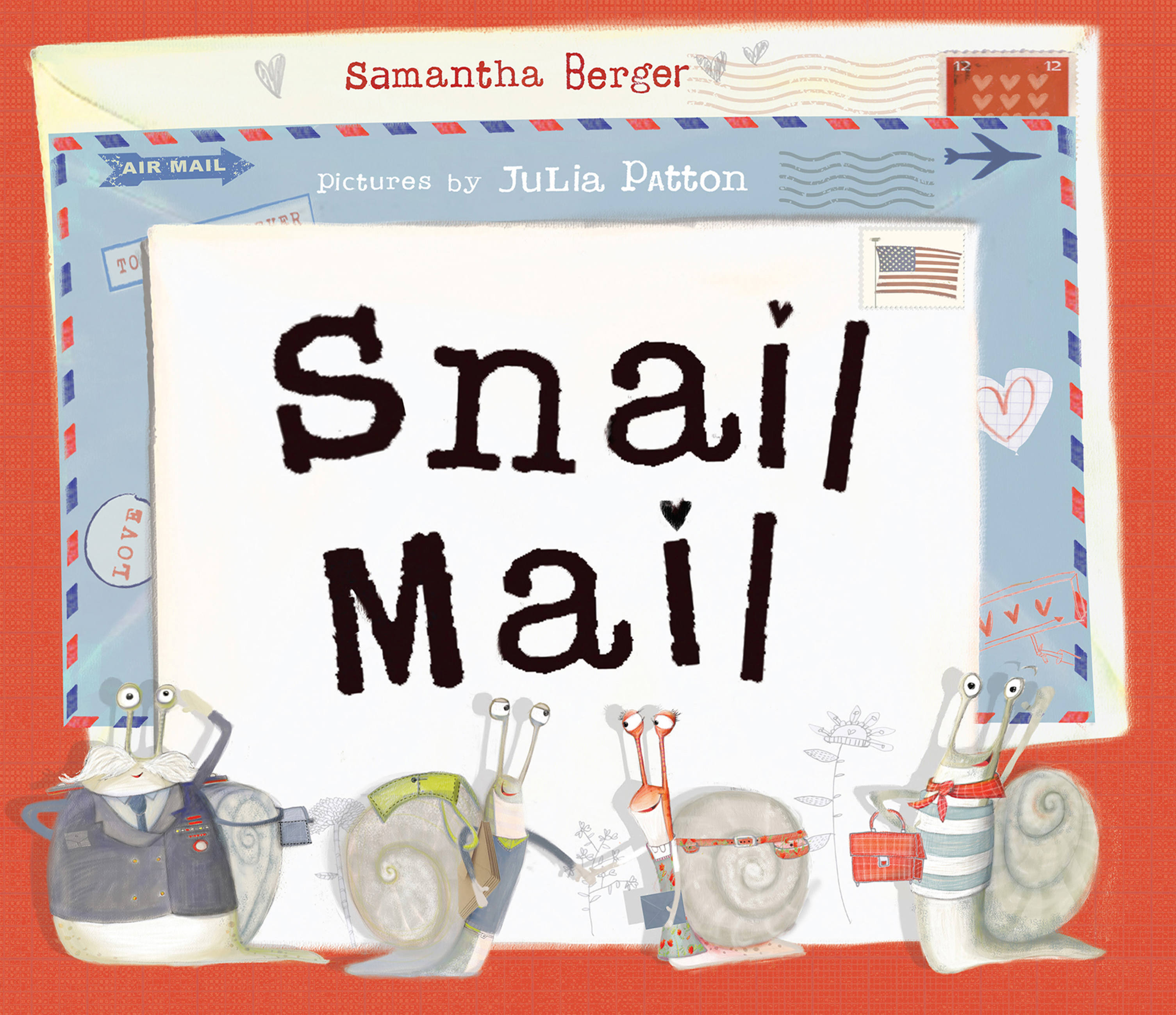
Samantha Berger’s Snail Mail (Running Press Kids, 2018) is a clever and delightful story of what mail was like before email and texting – when it was delivered by snails. Actual snails. They’re funny and adorable. For ages 4-8.

In Help Me, Mr. Mutt: Expert Answers for Dogs with People Problems (Houghton Mifflin Harcourt, 2008) by Janet Stevens and Susan Stevens Crummel, Mr. Mutt, a dog who works as a dog counselor, answers desperate letters from unhappy dogs (Famished in Florida, Underplayed in Utah) while struggling with his own problems with a supercilious cat known as the Queen. Funny and clever for ages 4-8.

In Duncan Tonatiuh’s Dear Primo (Harry N. Abrams, 2010), two cousins – Charlie, who lives in America, and Carlitos, who lives in Mexico – exchange letters about their very different daily lives. Included are two dozen vocabulary words in Spanish (easy to understand in context). Attractive illustrations are reminiscent of traditional Mexican art. For ages 4-8.

In Alan Durant’s Dear Tooth Fairy (Candlewick, 2004), Holly has lost a tooth, but isn’t sure she wants to leave it for the Tooth Fairy – and so begins an exchange of letters. (“Why do you want my tooth?” Holly demands.) The Tooth Fairy’s replies come in entrancing tiny envelopes attached to pages of the book. For ages 4-8.

In Emily Gravett’s Meerkat Mail (Simon & Schuster, 2007), Sunny Meerkat lives in the Kalahari Desert with his large family. The desert is VERY hot and Sunny’s family can be – well, TOO close. So off Sunny goes on a trip, sending picture postcards home every step of the way. (The postcards are right there in the book.) The illustrations are witty and wonderful – I love Emily Gravett! For ages 4-8.
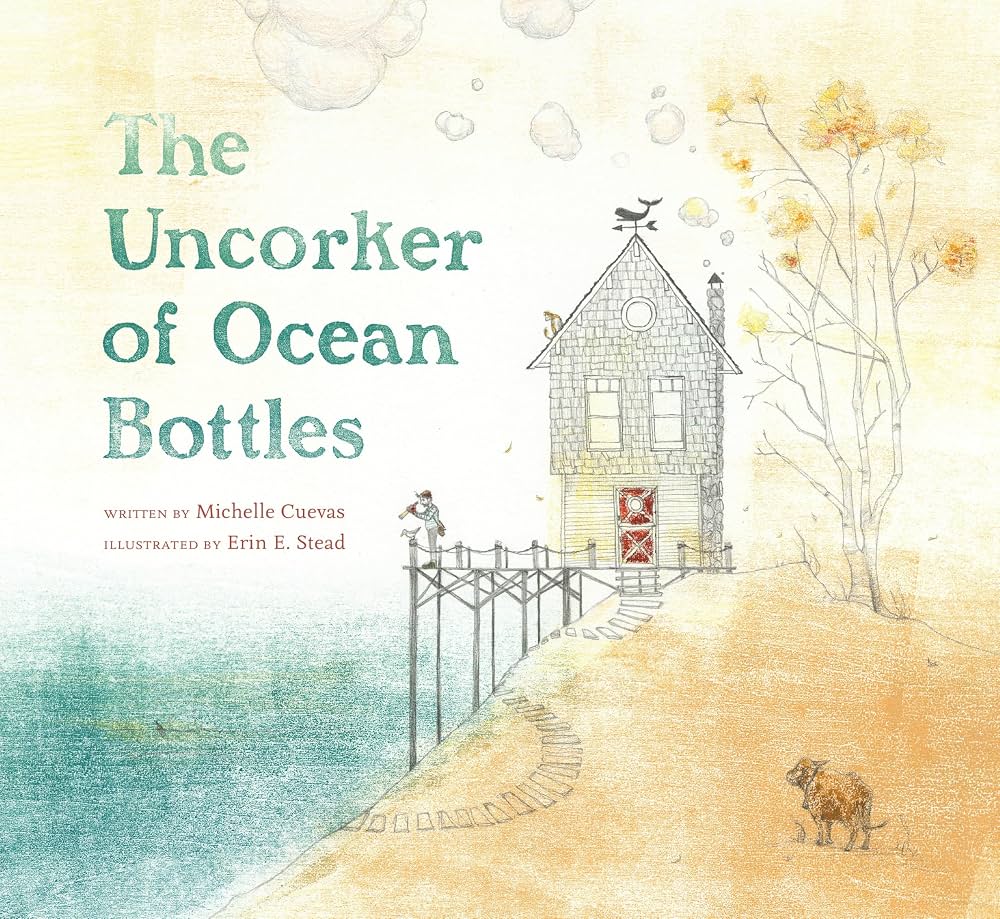
What about a letter in a bottle? By Michelle Cuevas, the main character of The Uncorker of Ocean Bottles (Rocky Pond Books, 2016) lives alone on a hilltop and has the job of opening all bottles found at sea and making sure their messages are delivered. Then a bottle arrives containing a party invitation – but there’s no name attached. So the Uncorker sets out to track it down - a quest that brings him a lot of new friends. For ages 4-8.
The oldest known message in a bottle was part of a science experiment. Read about it at https://www.nationalgeographic.com/science/article/120918-oldest-message-in-a-bottle-science-history-messages.

Stringbean’s Trip to the Shining Sea by Vera B. Williams and Jennifer Williams (Greenwillow, 1999) is the story of Stringbean’s trip with his older brother Fred from Kansas to the Pacific Ocean, told through descriptive illustrated postcards, complete with handwritten messages, snapshots, and cancelled stamps. For ages 4-9.

Mark Teague’s Dear Mrs. LaRue: Letters from Obedience School (Scholastic, 2003) is a collection of letters from Ike, a dog, sent to the Igor Brotweiler Canine Academy for such bad behaviors as cat-chasing and stealing chicken pot pie. Illustrations in color (the real Academy, a sunny camp) and in black-and-white (Ike’s take, a grim and awful prison) add to the humor. There are several sequels, all featuring the letters of the irrepressible Ike LaRue. For ages 5-8.

Alma Flor Ada’s Dear Peter Rabbit (Atheneum, 1997), is a collection of letters written by, to, and among Peter Rabbit, Baby Bear, Goldilocks (whose surname turns out to be McGregor), the Three Pigs, and a couple of Big Bad Wolves. Sequels in the same format include Yours Truly, Goldilocks (2001) and With Love, Little Red Hen (2004). For ages 5-9.
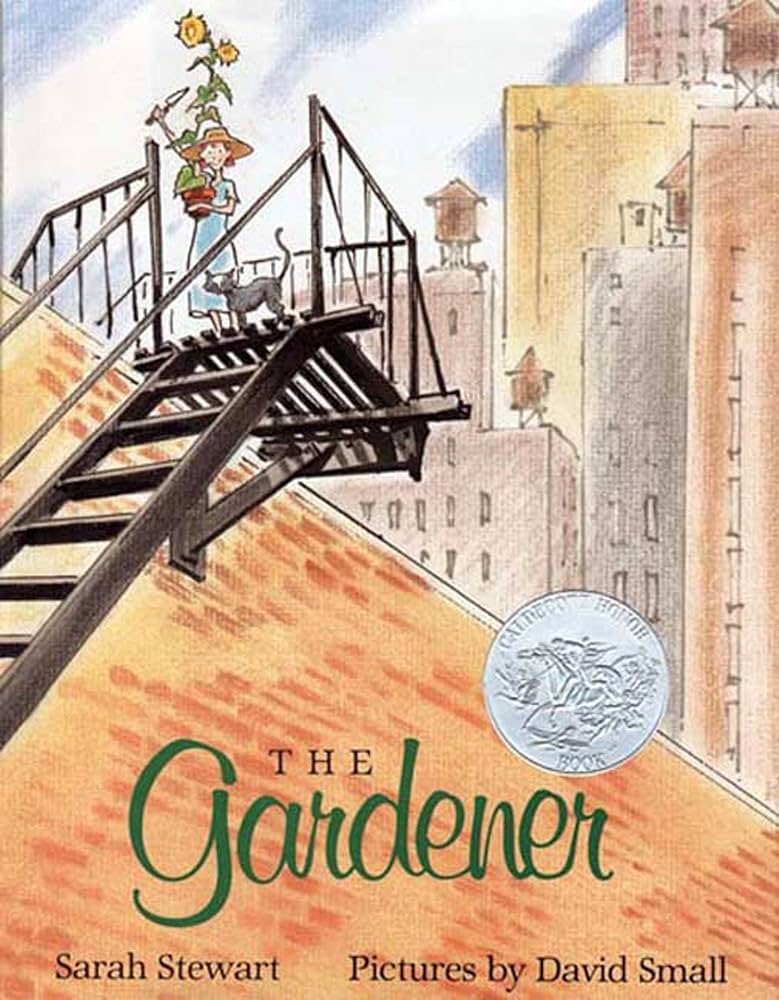
In Sarah Stewart’s The Gardener (Square Fish, 2007), set during the Great Depression, young Lydia Grace Finch is sent to the city to stay with her Uncle Jim, a dour baker. There she plants a wonderful rooftop garden. The story is told through letters written first to Uncle Jim, then to Lydia’s family back home. For ages 5-9.

In Janet and Allan Ahlberg’s The Jolly Postman (Little, Brown, 2001), the postman, on his red bicycle, delivers mail to a host of storybook characters. The letters are all tucked in little pockets right there in the book: for example, Baby Bear gets a note of apology from Goldilocks; the Wicked Witch gets an hilarious illustrated advertising circular; the Giant gets a postcard from Jack. For ages 5-10.

The protagonist of Peggy Gifford’s Moxy Maxwell Does Not Love Writing Thank-You Notes (Yearling, 2009) is heading out to California with her twin brother to visit their father – but she has to finish her Christmas thank-you notes first. Procrastination leads to a desperate act with gold spray paint and a copy machine. Funny and clever for ages 7-10.
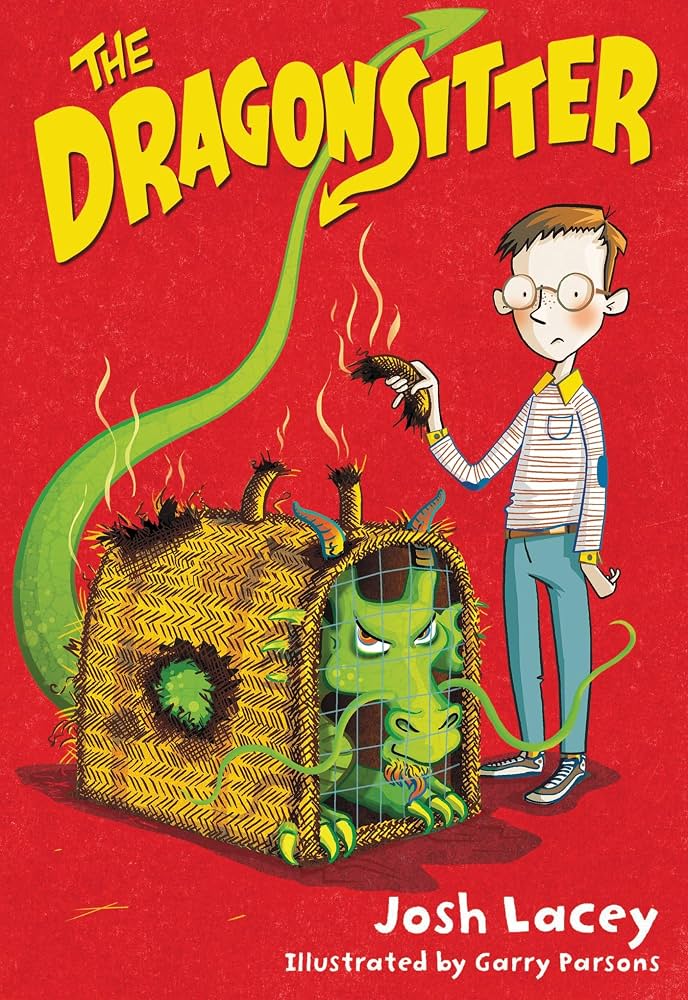
Josh Lacey’s The Dragonsitter (Little, Brown, 2016), written in the form of letters, begins when Edward Smith-Pickle’s uncle has left him in charge of his dragon—and it’s a disaster. “Dear Uncle Morton,” Edward writes. “You’d better get on a plane right now and come back here. Your dragon has eaten Jemima. Emily loved that rabbit!” First of a series for ages 6-10.
Books Full of Letters: Middle Grades

In Kate Klise’s Regarding the Fountain: A Tale, in Letters, of Liars and Leaks (HarperCollins, 1999), the water fountain at Dry Creek Middle School has irrevocably bitten the dust. To design its replacement, the school principal hires the flamboyant and outrageous Florence Waters (who agrees with the Dry Creek fifth-graders: a real fountain should have a root-beer dispenser, goldfish, lots of spraying spouts and spiggots, and a place to toss pennies). The story is told through letters, postcards, memos, faxes, newspaper clippings, and bulletin board notices, which make it all even funnier. There are several other Klise titles in the same format for ages 8-12.

By Kelly Jones, Unusual Chickens for the Exceptional Poultry Farmer (Yearling, 2016), a tale written in letters, twelve-year-old Sophie and family have moved from Los Angeles to the farm they’ve inherited from a great-uncle – where his truly unusual chickens (with superpowers?) begin to come home to roost. And there’s lots of information about chickens. A great read for ages 8-12.
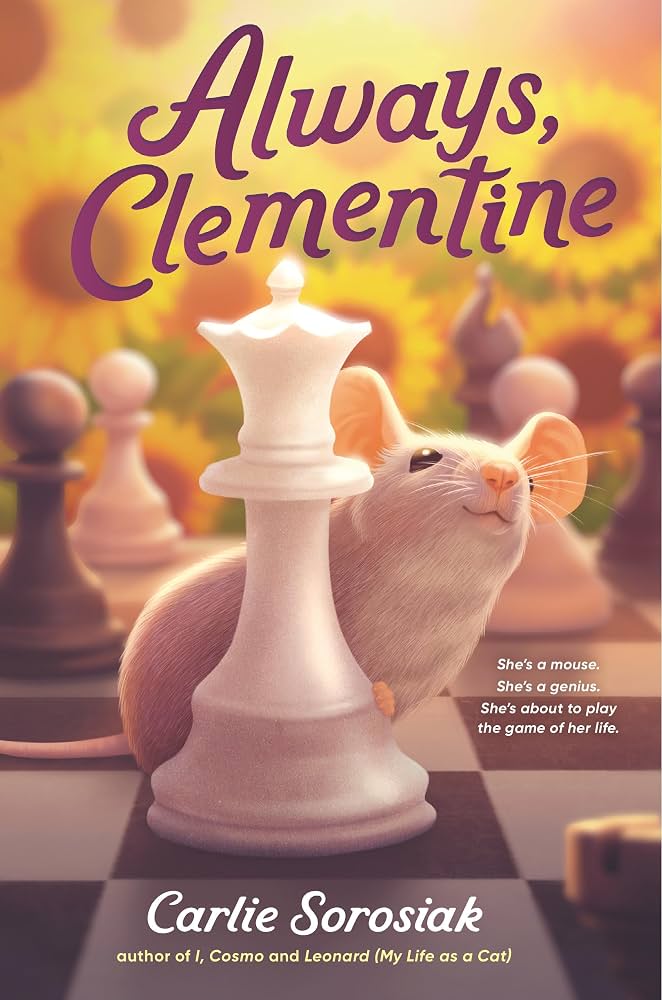
In Carlie Sorosiak’s Always, Clementine (Walker Books, 2024), Clementine is a brilliant lab mouse – she knows Latin, is a whiz at math, and a genius at chess. After she escapes from the lab, she tells about her life in the greater world through letters to her friend Rosie, a lab chimpanzee. For ages 8-12.

In Elvira Woodruff’s Dear Levi: Letters from the Overland Trail (Yearling, 1998), 12-year-old Austin, traveling to the Oregon Territory by wagon train, writes letters home to his younger brother Levi in Pennsylvania. Also see Dear Austin: Letters from the Underground Railroad (Yearling, 2000), in which Levi, 11, writes older brother Austin about a harrowing trip south to rescue a black friend’s sister from the slave catchers. For ages 8-12.

In Courtney Scheinmel’s Sincerely (Simon & Schuster, 2011), 11-year-old Sophie lives in Manhattan and her school-assigned penpal Katie, lives in California. Sophie’s parents are divorcing and she’s unhappy at the all-girls private school where she’s just been rejected by her erstwhile best friend; Katie is having a hard time because her best friend, Jake, is showing interest in another girl. Sophie and Katie both find help and comfort through the penpal letters that lead to a growing long-distance friendship. For ages 8-12.
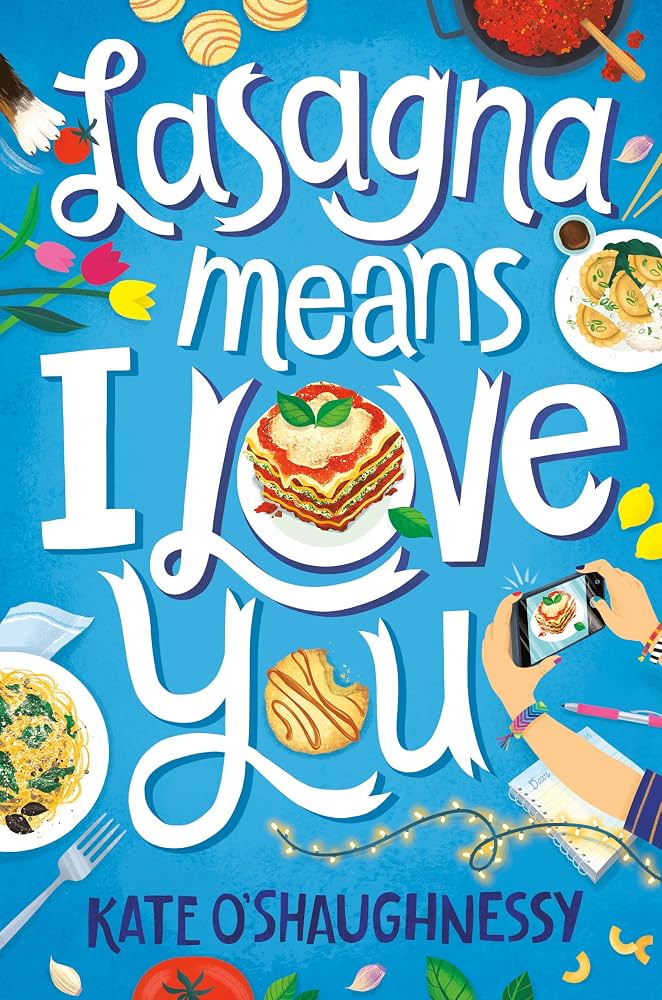
In Kate O’Shaughnessy’s Lasagna Means I Love You (Yearling, 2024), Mo’s grandmother has died, her uncle wants nothing to do with her, and she ends up in foster care – with only a notebook left her by her Nan and advice that she get a hobby. The hobby turns out to be collecting family recipes and eventually leads to finding a real home. The story is told through letters that Mo writes to her dead Nan. For ages 8-12.

By Silas House and Neela Vaswani, Same Sun Here (Candlewick, 2013) is written as an exchange of letters between Meena – an immigrant from India living in New York City – and River, a Kentucky coal miner’s son. Their two lives are very different – but prove to have much in common. A wonderful story of friendship for ages 9-12.

In Lauren Baratz-Logsted’s I Love You, Michael Collins (Square Fish, 2018), it’s 1969 and Mamie’s class has been assigned a project of writing letters to astronauts. Everyone picks either Neil Armstrong or Buzz Aldrin; only Mamie chooses Michael Collins. Through her letters, however, that tell about her family troubles, it becomes clear why she made her choice: because someone has to stay with the ship so that everyone else can get safely home. For ages 9-12.

By Ann Martin and Paula Danziger, P.S. Longer Letter Later (Scholastic, 1999) is written in the form of alternating letters between seventh-grade best friends Tara and Elizabeth. Tara’s CHARENTS (CHildlike pARENTS) have moved her to another town, and the girls maintain their friendship and solve their problems and deal with the changing circumstances of their families through the mail. The two are totally different – Elizabeth is quiet and conservative; Tara likes glitter, nose rings, and fluorescent shoelaces – but both voices are genuine, funny, emotional, and compelling. There’s a sequel, Snail Mail No More, in which Tara and Elizabeth move on to email. For ages 9-12.

In Beverly Cleary’s Dear Mr. Henshaw (Avon, 2000), sixth-grader Leigh Botts confides his troubles – his parents’ divorce, the pain of being the new kid in town, the creep at school who steals from his lunch bag - in letters to his favorite author, Mr. Henshaw. Who writes back, asking Leigh ten questions about himself. It’s the start of a beautiful friendship. For ages 9-13.

In Karen Hesse’s Letters from Rifka (Square Fish, 2009), set in 1919, 12-year-old Rifka and her family flee Jewish persecution in Russia and come to America. Rifka records her experiences, trials, and tribulations in letters to her cousin Tovah – letters she will not be able to send – written in a book of Alexander Pushkin’s poems. An emotional and courageous account of the immigrant experience for ages 10 and up.

Jean Webster’s Daddy-Long-Legs (Puffin, 2011) – originally written in 1912 – is the story of Jerusha Abbott, raised in a foundling asylum, and sent to college by an anonymous trustee with the stipulation that she write him a letter once a month about her studies. Jerusha (nicknamed Judy), a talented writer with a sense of humor, tells the story of her life through a one-sided correspondence with the mysterious patron that she calls “Daddy-Long-Legs.” And there’s a romance. For ages 9 and up.

To Night Owl from Dogfish by Holly Goldberg Sloan and Meg Wolitzer (Dial, 2019) is the story of Avery Bloom and Bett Devlin – two very different girls from opposite ends of the country – who, when their dads fall in love, are sent to sleepaway camp together in hopes that they’ll form a bond. The story is told in the modern equivalent of letters: email and text messages. Funny and heartwarming for ages 9-12.
Books Full of Letters: Older Readers

Letters feature prominently in Mary Shelley’s classic novel Frankenstein, originally written in 1818 and now available in many editions. Often found on high-school recommended reading lists, it’s a good pick for book clubs, since is a great read and a terrific discussion-promoter.
The complete text of Mary Shelley’s Frankenstein, or the Modern Prometheus is online at Project Gutenberg.
There are dozens of films based on the book, beginning with Frankenstein (1931) with Boris Karloff as the Monster. A
2015 version stars James McAvoy as Victor Frankenstein and Daniel Radcliffe – yes, Harry Potter! – as Igor.

In Fay Weldon’s Letters to Alice on First Reading Jane Austen (Basic Books, 1999), Alice – who is 18 and dyes her hair green – is being forced to read Jane Austen, whom she loathes. Aunt Fay puts Jane in another light, in a series of witty and well-informed letters about life and literature, then and now. For ages 12 and up.

Steve Kluger’s The Last Days of Summer (Perennial, 2002) – written in letters, journal entries, memos, report cards, and newspaper clippings – is set in Brooklyn in the 1940s. The main character is precocious young baseball fan Joey Margolis who has a lot on his plate: his parents are divorced (and father thoroughly absent); he’s Jewish, living in an Italian anti-Semitic neighborhood; and his best friend, Craig Nakamura, is sent with his family to a Japanese internment camp. In the course of all this, Joey forges an unlikely friendship with Charlie Banks, down-to-earth Midwestern player for the New York Giants. It’s funny, poignant, heartbreaking, and joyful. For ages 13 and up.

By Patricia Wrede and Caroline Stevermer, Sorcery and Cecelia, or The Enchanted Chocolate Pot (Houghton Mifflin Harcourt, 2004) might be just the thing for those who have outgrown (or exhausted) Harry Potter, but miss him. The book is written as a series of letters between cousins Kate and Cecelia, and is set in an alternative Jane-Austen-era England, this one populated with wizards and magic. So far: two sequels. For ages 12 and up.

The star of Mark Dunn’s Ella Minnow Pea (Anchor Books, 2002) lives on the island of Nollop, named for the inventor of the famous pangram “The quick brown fox jumps over the lazy dog.” (A pangram is a sentence that uses every letter of the alphabet.) (Challenge! Invent some of your own.) When the letters of the pangram begin dropping off the memorial statue of Nollop, the island Council bans the lost letters from the alphabet. As more and more letters are lost and language becomes increasingly restricted, the islanders – among them 18-year-old Ella – begin to rebel. The story is told in letters, which become both inventive and difficult to write as increasing numbers of letters are banned. (Ella Minnow Pea = LMNOP.) A great read for teenagers and adults.

By Mary Ann Shaffer and Annie Barrows, The Guernsey Literary and Potato Peel Pie Society (Dial Press, 2009), begins in January 1946 when writer Juliet Ashton receives a grateful letter from Guernsey pig farmer Dawsey Adams, who has acquired a copy of Charles Lamb’s essays that once belonged to her. This is the beginning of a wonderful correspondence between Juliet and the inhabitants of Guernsey, who formed their literary society during the dark times of the Nazi occupation. A wonderful story, rich with history, distinctive characters, everyday and not-so-everyday heroes, humor, sadness, and joy. For ages 13 and up.

In Jane Austen’s Lady Susan (Dover Publications, 2005), the beautiful and recently widowed Lady Susan Vernon plots to find herself a new husband and to secure an advantageous marriage for her daughter. The story is told entirely through letters. For ages 13 and up.

Lauren Myracle’s ttyl (Amulet Books, 2005) is the story of three 16-year-old girls and their fraught high-school experiences, recounted through instant messages. If you like this one, there are several other books by Myracle in the same format. For ages 13 and up.

The wallflower of Stephen Chbosky’s The Perks of Being a Wallflower is odd, awkward, and bright high-school freshman Charlie, friendless since his best friend’s suicide. Charlie is adopted in the course of the book by Patrick and Samantha (Sam), step-siblings, and their circle of friends, and the book deals with the many problems and perils of modern growing up, among them drugs, alcohol, sex, and – in Charlie’s case, childhood sexual abuse and depression. The book is written in the form of letters by Charlie to an anonymous friend. Painful, funny, and ultimately hopeful. A good pick for kids who loved Catcher in the Rye. For ages 15 and up.
The film version of The Perks of Being a Wallflower (2012) is rated PG-13.

C.S. Lewis’s The Screwtape Letters (HarperCollins, 2009), originally published in 1942, is a series of fascinating, philosophical, funny, and gripping letters written from Screwtape, a very senior demon, to his muddling nephew Wormwood, sent to earth to tempt a wavering young man away from “the Enemy” (God) and into the depths of sin. Thought- and discussion-provoking for teenagers and adults.

In Mark Twain’s Letters from the Earth (Empire Books, 2013) – originally written in 1910, but not published until long after Twain’s death - the writer of the letters is Lucifer, reporting back to angels Michael and Gabriel on the state of the human race. The letters, and accompanying essays, are Twain’s irreverent, funny, and bitter reflections on life, religion, and the human condition. (Twain on the Bible: “It has noble poetry in it; and some clever fables; and some blood-drenched history; and some good morals; and a wealth of obscenity; and upwards of a thousand lies.”) For teenagers and adults.

Helene Hanff’s 84 Charing Cross Road (Penguin, 1990) is a delightful exchange of letters between Hanff, a NYC-based writer with a love for classical literature, and a little British used-book store, beginning shortly after World War II. For teenagers and adults.

Alice Walker’s Pulitzer-Prize-winning The Color Purple (Mariner Books, 2003)– set in rural Georgia in the 1930s and written in the form of letters – is a painful and powerful story of black women, primarily the 20-year saga of Celie, raped and beaten at the age of 14 by Alphonso, whom she believes to be her father. The book repeatedly appears on the American Library Association’s Most Frequently Challenged list for sexual content and violence. What it is, however, is an extraordinary story of survival in the face of awful odds. For teenagers and adults.
The film version of The Color Purple (1985), directed by Steven Spielberg, stars Danny Glover, Whoopi Goldberg, and Oprah Winfrey. Rated PG-13.

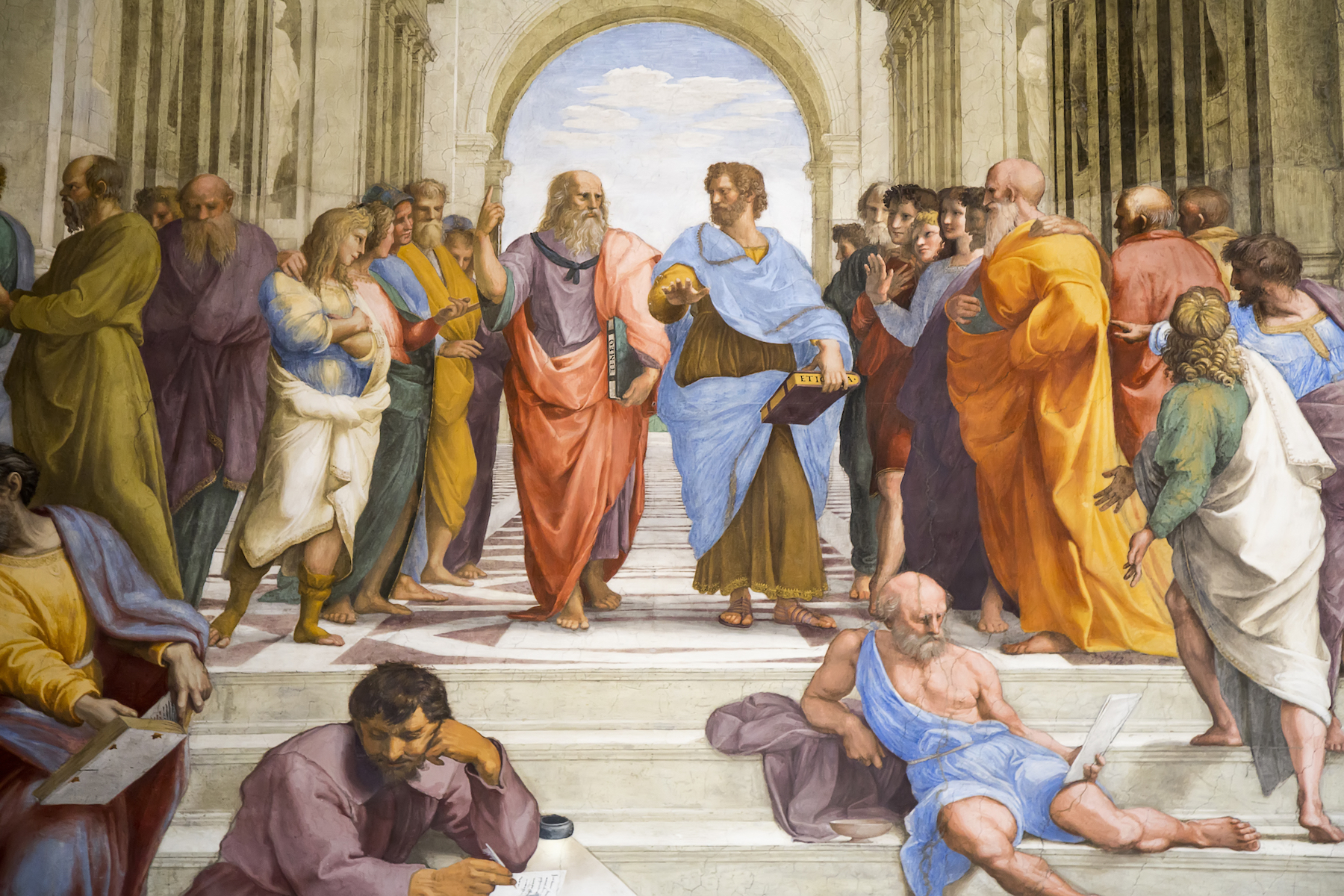
In Jorstein Gaarder’s Sophie’s World (Farrar, Straus, and Giroux, 2007), fourteen-year-old Sophie Amundsen is given a tour of the history of philosophy (from Socrates to Sartre) through letters in big brown envelopes that appear in her mailbox. A mix of fantasy novel and philosophical education for teens and adults.
How to Write Letters

Karen Benke’s Write Back Soon! Adventures in Letter Writing (Roost Books, 2015) encourages everybody to put down the smartphone and pick up a pencil or pen. Many possibilities for creative letters and cards, prompts and exercises, and input from a wide range of contributers. For teens and adults.

Almost all style manuals (of which there are many) cover proper letter formats – see, for example, The Bantam Book of Correct Letter Writing (Lillian E. Watson; Bantam Books, 1993), which covers everything from the rules of grammar to the proper forms of address for archbishops, admirals, and the Queen of England. (Included are dozens of useful sample letters, none with much personality, but all written in admirably correct form.) For teenagers and adults.

I’m addicted to vintage letter-writing books, which are always packed with irresistible samples – “A Father’s Letter to an Erring Son,” “A Brother’s Warning to His Sister,” “A Jolly Letter from a Young Man to His Chum,” “A Condolence on the Loss of a Fortune.” (“Pshaw, what is money?”) From The Marginalian, check some out at How to Write Letters: A Vintage Guide to the Lost Art of Epistolary Etiquette, 1876. (Remember: blots are not allowable, and you must never send a buff envelope to a lady.)
See https://www.themarginalian.org/2012/12/21/how-to-write-letters-1876/.
From Education World, Better Letters has resources and letter-writing lesson plans and projects. For example, kids write story character letters to Dear Abby, letters to Sarah (from Patricia MacLachlan’s Sarah, Plain and Tall), and participate in an anti-smoking letter campaign.
From ReadWriteThink, the Letter Generator is an interactive guide to writing a friendly or a business letter. Type in your name and begin.
ABCYA’s Friendly Letter Creator, recommended for ages 7-10, teaches kids the parts of a letter, after which they can create their own letters online.
Learn How to Write a Letter is an interactive activity for kids. Write a letter of complaint to the Radio-controlled Racing Car Factory by choosing the right parts of the letter and putting them in the right place on the page.
From Reading Rockets, An Introduction to Letter Writing covers all the basics, with discussion questions, typical formats, and activities – among them write an inquiry letter from an alien to Earth asking about liquids and gases and a complaint letter from Papa Bear to Goldilocks’s parents. Recommended for ages 5-9.
Send a Letter!

Take the Month of Letters Challenge! In the spirit of Nanowrimo, participants write a letter or postcard a day throughout the month of February.
The Letter Exchange is dedicated to connecting would-be letter writers – snail mail letter writers, that is. A subscription to their magazine – crammed with potential penpal listings and articles about letters and letter writing – costs $23/year.

Got concerns? Go right to the top. Corresponding with the White House has an online feature and information on how to write a letter to the president.
For hints on writing letters to Congress, see https://www.aclu.org/writing-your-elected-representatives.
From 30 Days, the Printable Summer Letter is an attractive template for kids spending some time away from home, with blocks for writing about (or illustrating) “What I’ve Been Up To” and “What I Love Best About Summer.” Appropriate for a range of ages.
Artistic Letters

From the Editors at Klutz, Lettering In Crazy Cool Quirky Style (Klutz, 2006) comes with colored pencils, felt-tipped pens, and stencils, plus instructions for designing gorgeous and creative words and letters. (Use them to write the best letters ever!) For ages 8 and up.

Joan Irvine’s Easy-to-Make Pop-Ups (Dover Publications, 2005) is a fun collection of pop-up cards and more, including not only pop-ups but springs, tabs, and revolving wheels. Over 30 cool projects for ages 7 and up.

Also by Joan Irvine, see How to Make Super Pop-Ups (Dover Publications, 2008) with another 30 projects, among them a castle, dragon, flying bird, Victorian turning circle, and noise-making robot. For ages 7 and up.

Learn to Draw a Graffiti Master-Piece (Graffiti Diplomacy, 2013) is a cool guide to word design. Step-by-step instructions for making bubble, block, and wild-style letters and more. Fun for ages 11 and up.

The Graceful Envelope Contest, sponsored annually by the Washington Calligraphers Guild and the National Association of Letter Carriers, is open to persons of all ages. The challenge: to design a creative envelope in the spirit of each year’s theme. (Theme for 2014 is “The Superlative Letter S.”) See the website for contest rules and an exhibit of past winning envelopes. See https://www.calligraphersguild.org/graceful-envelope-contest.
Learn how to make your own envelopes.

Make envelope puppets! (You could even mail some to a friend. With a letter.)
Craft Projects Using Envelopes has instructions for several, including a set of surprise envelopes, a postcard display wall hanging, and a Hogwarts acceptance letter.
Letters and History

By Cynthia Grady, Write to Me (Charlesbridge, 2019) is the story of the correspondence between Japanese-American children sent to internment camp during World War II and their hometown librarian, who does her best to support them. A difficult slice of American history gently presented for ages 4-8.

Simon Garfield’s To the Letter (Gotham, 2013) – subtitled “A Celebration of the Lost Art of Letter Writing” – is a fascinating account of the history, literature, and etiquette of the rapidly declining practice of snail mail. Chapter titles include “From Vindolanda, Greetings” (find out what the Romans wrote home from Hadrian’s Wall), “How to Write the Perfect Letter” (find out how to address the pope), and “Why Jane Austen’s Letters Are so Dull” (letters in fiction). A great read for teenagers and adults.

One-third of today’s 16-year-olds have never in their lives written a letter. Not one. Liz Williams’s Kind Regards (Michael O’Mara, 2012) does its best to buck the trend, covering the history and literature of letter writing, love letters and wartime letters, the invention of the fountain pen, and the life and times of the post office. For teenagers and adults.

Colin Salter’s 100 Letters That Changed the World (Universe, 2019) is a fascinating collection, running from ancient Greece (a crisp note from the Spartans to Philip II of Macedon) to the present day. For teens and adults.
Handwritten Letters That Made History include Henry VIII's love letter to Anne Boleyn, Charles Darwin's letter on the theory of evolution, and Winston Churchill's refusal to make a deal with Germany.
All About Mail

Margaret Wise Brown’s Seven Little Postmen (Golden Books, 2002) is the cheerful rhyming story of how seven postmen collaborate to deliver a little boy’s letter after he seals it with red wax and drops it in the mailbox. Originally written in the 1940s, the book has great vintage illustrations. For ages 3-7.

By Gail Gibbons, The Post Office Book: Mail and How It Moves (HarperCollins, 1986) is a straightforward picture-book account of what happens to a letter after you drop it in the mailbox. For ages 4-8.

The National Postal Museum has information and online exhibits on the history of postal operations, stamps, and stamp collecting. Click on the Educators page for a collection of lesson plans, activities, and resources for kids.

In Sandra Horning’s The Giant Hug (Dragonfly Books, 2008), Owen – a lovable little piglet in overalls – decides to send his granny a hug through the mail. So he goes to the post office with his granny’s address, gives the postal clerk a GIANT hug, and asks him to pass it on. And so the hug goes from person to person across the country until it reaches granny herself - who sends back a kiss. For ages 4-8.

In Michael O. Tunnel’s Mailing May (Greenwillow Books, 2000), it’s 1914 and May wants to visit her Grandma Mary who lives “a million miles away through the rough old Idaho mountains,” but her Ma and Pa can’t afford a train ticket. The solution: to send her via U.S. mail (with 53 cents in stamps pasted to the back of her coat). Based on a true story. For ages 4-8.

Mona Kerby’s Owney, the Mail Pouch Pooch (Farrar, Straus & Giroux, 2008) is the true story of a little dog who wandered into the Albany, NY, post office one cold rainy night in 1888 and made himself at home. Named Owney, the dog became famous as the mascot of the post office and later as a guard on trains transporting the mail. (There’s a period photo of Owney on board a train at the end of the book.) For ages 5-8.
From the National Postal Museum, see Owney, the Railway Mail Service Mascot for more info on Owney.

Ellen Levine’s Henry’s Freedom Box (Scholastic, 2007) is the true story of Henry Brown, born a slave, who manages to mail himself north to freedom. For ages 5-10.

Cheryl Harness’s They’re Off! The Story of the Pony Express (Simon & Schuster, 2002) is the attractively designed story of an exciting period in the delivery of the U.S. mail - that of the phenomenal Pony Express. Included are wonderful maps and diagrams, creative illustrations, and an appended list of all the Pony Express Riders. For ages 7-10.
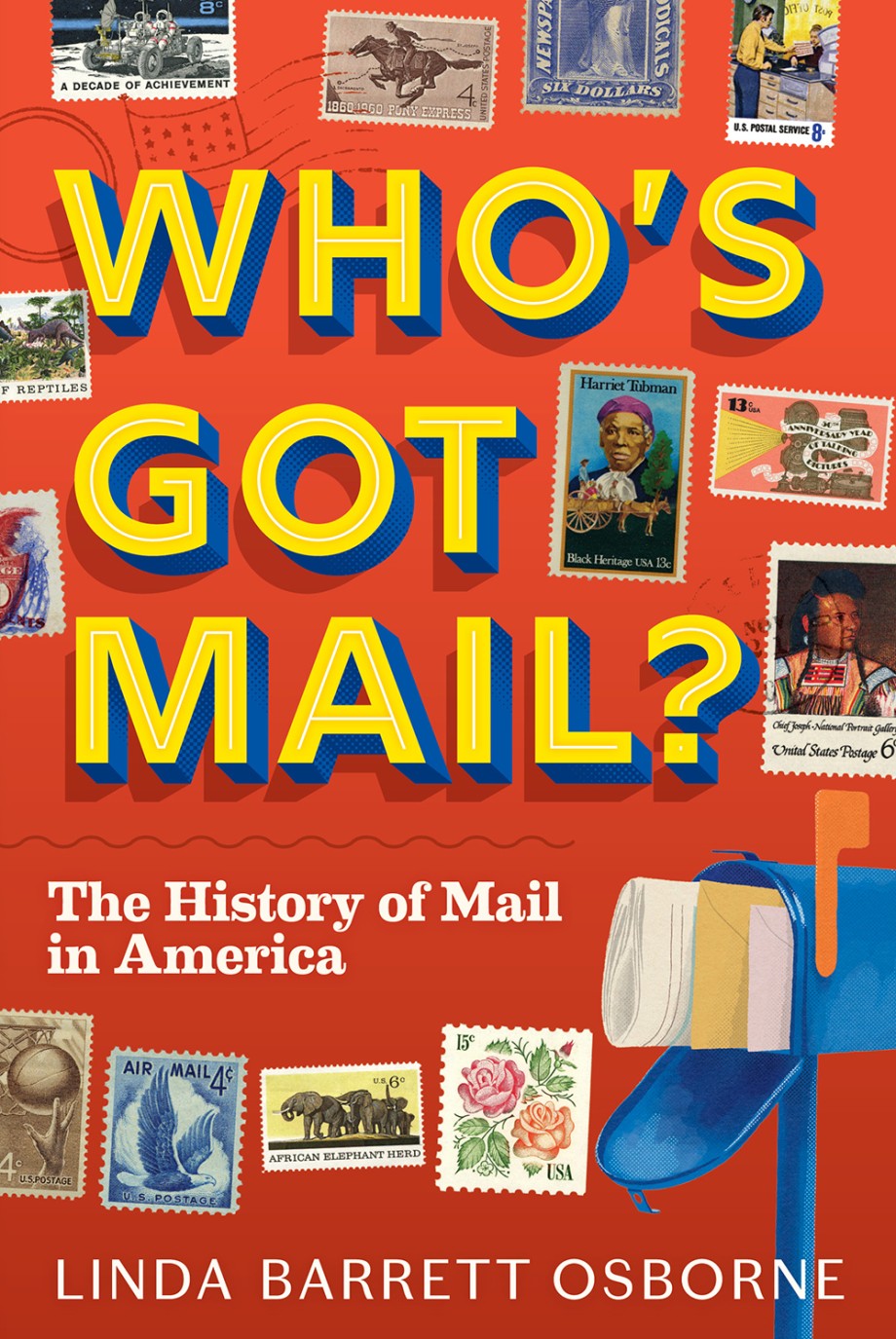
By Linda Barrett Osborne, Who’s Got Mail? The History of Mail in America (Abrams, 2023) is a great illustrated history, filled with anecdotes and fascinating facts. For ages 10 and up.
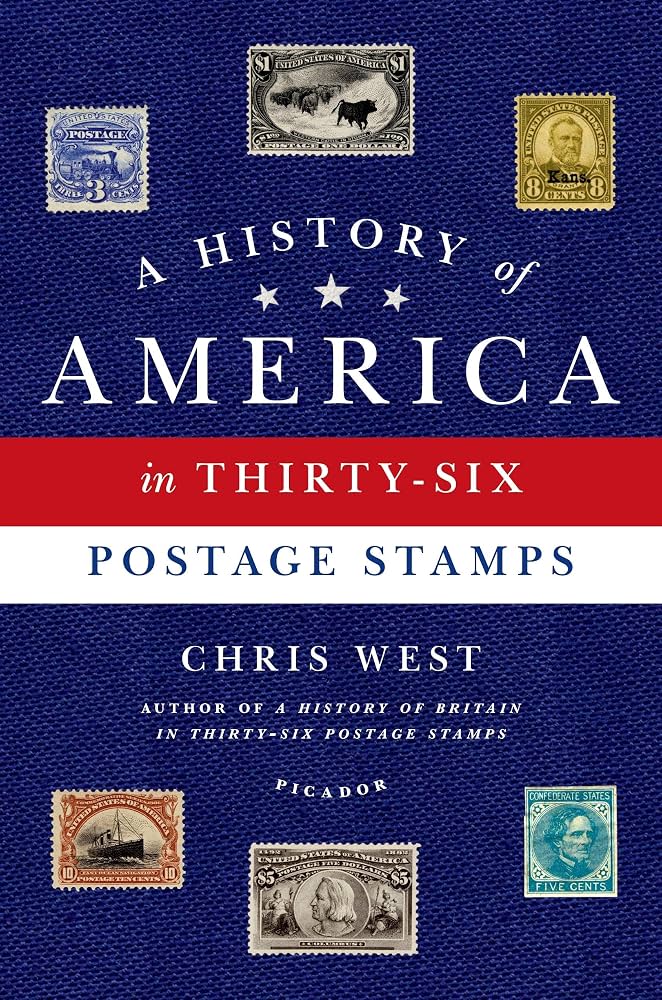
By Chris West, A History of America in Thirty-Six Postage Stamps (Picador, 2014) is a lively history in thirty-six chapters, each headed with a representative stamp. (The book begins, of course, with the Stamp Act.) For teens and adults.
Try starting a stamp collection of your own—not only a fun hobby but a great link to geography. For beginner kits and activities, see the Postal History Foundation at https://postalhistoryfoundation.org/. Albums and packs of international postage stamps are also available from Amazon.
Poetic Letters
Emily Dickinson’s poem Bee! I’m Expecting You is written in the form of a letter from Bee’s friend, Fly.

Emily Dickinson often scribbled her poems on used envelopes.
By Emily Dickinson, The Gorgeous Nothings: Emily Dickinson’s Envelope Poems (New Directions/Christine Burgin, 2013) is a lovely facsimile collection of the 52 poems that Dickinson wrote on scraps of envelopes.
Also see Emily Dickinson's Envelope Poems (New Directions, 2016).
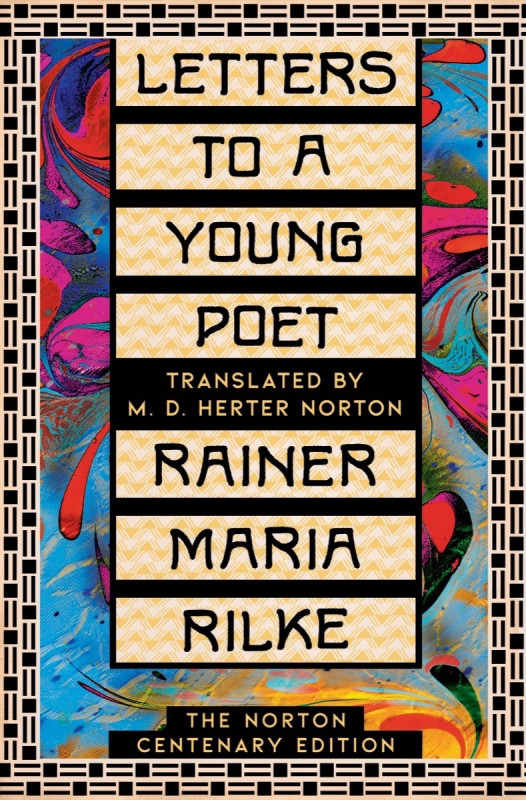
Rainer Maria Rilke’s Letters to a Young Poet (Penguin Classics, 2014) consist of a handful of letters on writing, art, literature, love, solitude, suffering, and creativity written in the early 1900s. For older teens and adults.
The entire collection can be found online; for example, see https://castig.org/letters-to-a-young-poet-by-rainer-marie-rilke/.
Find out all about poems written in the form of letters. See Learning the Epistolary Poem which includes activities and projects at https://www.poetryfoundation.org/articles/70050/learning-the-epistolary-poem.
Projects and Activities

Turn your photos or drawings into postcards and postage stamps!
From Everything Preschool, Post Office Arts and Crafts has instructions for making your own stamp, picture postcard, and mail bag.
From Makezine, see these instructions for making a great Family Connection Letter Writing Center. It hangs on the wall and is filled with pockets for all the essentials: paper, envelopes, stamps, writing and drawing utensils, decorations, and even a pack of clever little cards with letter-writing ideas.
Author Kurt Vonnegut, while teaching at the Iowa Writers’ Workshop, wrote his class assignments in the form of letters, as a means of communicating personally with each of his students.
Read a sample at Kurt Vonnegut’s Rules for Writing Fiction. (Tackle the assignment!)
Letters to Santa

From the Deseret News, Dear Santa is a wonderful collection of letters written by kids in the late 18oos and early 1900s.

Valentine Davies's Miracle on 34th Street (Houghton Mifflin Harcourt, 2010), originally written in 1947, features disillusioned Doris Walker, her six-year-old daughter Susan, Fred, the handsome young attorney who lives next door, a feud between Macy's and Gimbel's, and a wonderful old man who just might be Santa Claus. Proof of the power of letters to Santa and a lovely read for ages 8 and up.

My pick of the Miracle on 34th Street movies is the 1947 original, with Maureen O'Hara, Edmund Gwenn, and a very young Natalie Wood. Rated G. (Forget the 1994 remake. It skips the Santa Claus letters.)