
Clouds, Rain, and Storms
In this collection
If into each life some rain must fall, we might as well have some fun with it. Try making a cloud in a bottle or baking a thunder cake. See below for fiction and nonfiction books, poems, projects, experiments, recipes, and arts and crafts, all having to do with clouds and rain.
Cloud and Rain Stories

Robert Kalan’s Rain (Greenwillow Books, 1991) is as much about colors as rain, beginning with “Blue sky,” “Yellow sun,” and “White clouds.” Then the sky turns gray and rain falls – and finally there’s a wonderful multicolored rainbow. For ages 2-5.


In Eric Carle’s Little Cloud (Philomel, 1996), Little Cloud changes itself into a handful of different shapes – a sheep, a tree, a bunny, an airplane – before joining in with the other clouds to make a rainstorm. For ages 2-6.

In Manya Stojic’s Rain (Dragonfly Books, 2009), rain finally comes to the hot dry African savanna. The porcupine smells it first, and runs to tell the zebras, who see distant lightning. They rush to tell the baboons, who hear thunder; then the rhinoceros feels the first falling drops. Both a rain story and an exploration of the five senses for ages 3-7.

In Charlotte Zolotow’s The Storm Book (HarperCollins, 1989) – a Caldecott Honor book – it’s a hot summer day in the country when a storm sweeps in, and then retreats, leaving behind a beautiful rainbow. For ages 3-7.

Charles Shaw’s It Looked Like Spilt Milk (HarperCollins, 1988) is a collection of splotchy white shapes on a dark blue background, with an attention-grabbing refrain: “Sometimes it looked like a Rabbit. But it wasn’t a Rabbit./Sometimes it looked like a Bird. But it wasn’t a Bird.”) On the last page, readers find out just was it is: a floating white cloud. For ages 3-8.

In David Shannon’s The Rain Came Down (Blue Sky Press), the rain makes everybody cross. The chickens squawk, the cat yowls, the dog barks, people yell, and in no time the entire neighborhood is squabbling – all to the refrain of “the rain came down.” Then (!) the rain stops, the sun comes out, and soon all problems are magically resolved. For ages 3-8.

Linda Ashman’s picture book Rain! (Houghton Mifflin Harcourt, 2013) combines two very different takes on the weather – that of a disgruntled old man (“Nasty galoshes!” “Dang puddles!”) and that of an exuberant little kid pretending to be a frog. A charmer for ages 4-7.

In David Wiesner's Sector 7 (Clarion Books, 1999) - a Caldecott Honor Book - a little boy on a visit to the Empire State Building befriends a cloud and is carried off to the Cloud Dispatch Center in the sky, responsible for Sector 7 which encompasses New York City. There he discovers that the clouds are unhappy with their strictly regulated shapes and sizes, and so sets out to remedy the matter, turning them into a marvelous variety of fantastic shapes. For ages 4-8.

In “Clouds” – one of the short clever stories in Arnold Lobel’s Mouse Tales (HarperCollins, 1978) – a little mouse enjoys watching the changing shapes of clouds until, to his horror, a cloud takes the shape of an enormous cat. For ages 4-8.

Uri Shulevitch’s Rain Rain Rivers (Square Fish, 2006) is a lyrical celebration of rain, beginning with a little girl sitting in her attic bedroom listening to rain on the roof. For ages 4-8.

In Rob Scotton’s The Rain is a Pain (HarperCollins, 2012), Splat the Cat is happily trying out his new purple rollerskates when a determined and annoying cloud moves in. For ages 4-8.
See also

In Tom Lichtenheld’s Cloudette (Henry Holt and Company, 2011), the title character is a very small and adorable cloud. Being small has many advantages, but Cloudette sees how bigger clouds behave, watering crops and filling waterfalls and rivers, and she wants to make a difference too. And finally she does, for one small unhappy frog. For ages 4-8.

In James Stevenson’s We Hate Rain! (Greenwillow Books, 1988), Louie and Mary Ann are fretting because it has rained for two days straight, so Grandpa tells a tale from his youth when he, his brother Wainey, and family were deluged in a truly spectacular rain that filled their Victorian house to the roof. Like all Stevenson books, it’s clever and hilarious. It’s also infuriatingly out of print; check your local library. It’s also available from used-book suppliers. For ages 4-8.

In Judi Barrett’s Cloudy with a Chance of Meatballs (Atheneum, 1978), the village of Chewandswallow gets its food three times a day from the weather – it rains, snows, and blows orange juice, mashed potatoes, and hamburgers. Then, suddenly, the food-bearing weather turns vicious. For ages 4-8.
Also see the sequel, Pickles to Pittsburgh.

The film version of Cloudy with a Chance of Meatballs is 90 minutes long and rated PG.

In Dr. Seuss’s Bartholomew and the Oobleck (Random House, 1949), King Derwin is bored with rain, snow, and fog, and so demands that the royal magicians (“mystic men who eat boiled owls”) create something new and different to fall from the sky. They produce a disastrous storm of gooey green oobleck, and it’s up to the king’s commonsensical page boy, Bartholomew, to solve the problem. For ages 4-9.
From Scientific American, It’s a Solid…It’s a Liquid…It’s Oobleck! has a recipe for making your own oobleck and an explanation of why it behaves the way it does.

In Michael Catchpool’s The Cloud Spinner (Knopf Books for Young Readers, 2012), a young boy can weave beautiful cloth from clouds: “gold in the morning with the rising sun, white in the afternoon, and crimson in the evening” and “soft as a mouse’s touch and warm as roasted chestnuts,” He’s always careful, though, never to weave too much, having been taught by his mother that “enough is enough, and not one stitch more.” Then the king discovers the wonderful cloth and demands more and more of it – until the kingdom is at risk of losing its clouds, with awful consequences for all. Luckily the wise young princess intervenes. A lovely ecological tale for ages 5-8.

In David Wisniewski’s Rain Player (Houghton Mifflin Harcourt, 1995), the land is threatened with a drought, so Pik, a young Mayan boy, challenges Chac, the rain god, to a game of ball. With wonderful Mayan-style cut-paper illustrations. For ages 5-9.
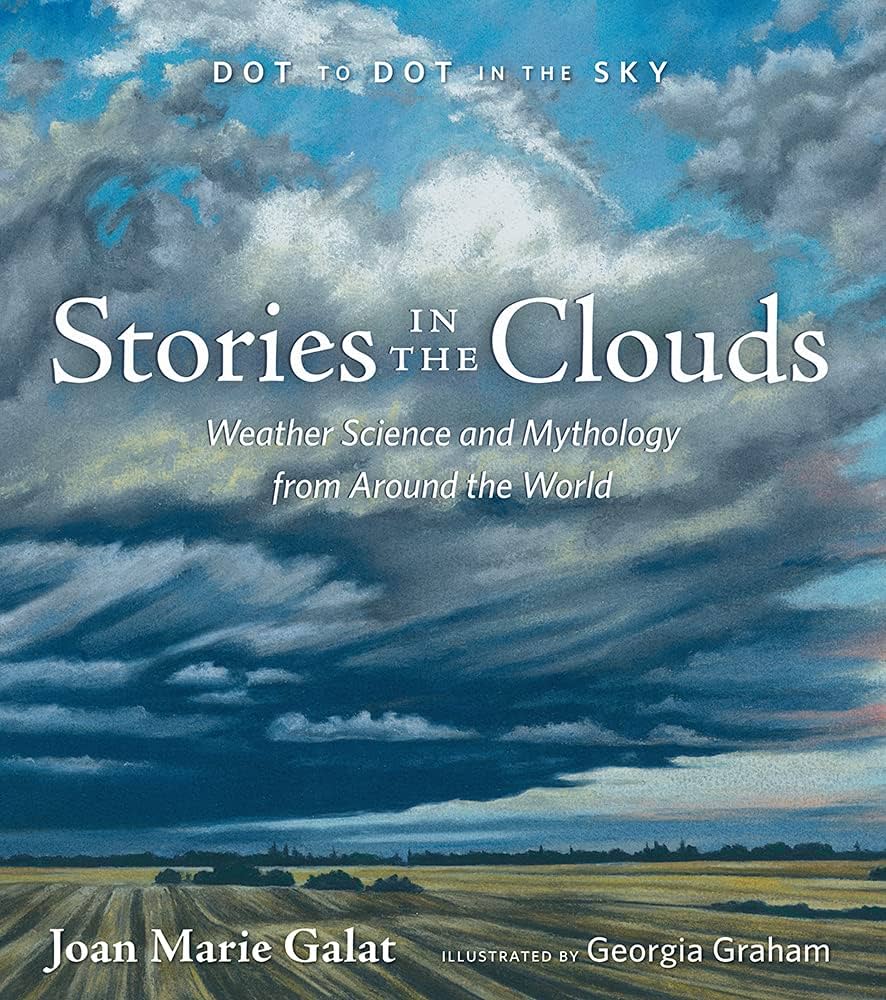
By Joan Marie Galat, Stories in the Clouds (Whitecap Books, 2018) is a collection of weather myths and customs from around the world paired with sidebars detailing the science of weather. Readers learn about Russia’s Father Frost, Maui the Hawaiian wind god, and Lei-Gong, the Chinese god of thunder, as well as how clouds form, what causes thunder and lightning, and more. For ages 9-12.
The Science and History of Clouds and Rain

Franklyn M. Branley’s Down Comes the Rain (HarperCollins, 1997), one of the Let’s-Read-and-Find-Out Science series, is an appealing picture-book overview of the water cycle. Readers learn all about evaporation, condensation, cloud formation, and precipitation. For ages 4-8.

Anne Rockwell’s Clouds (HarperCollins, 2008), one of the Let’s-Read-and-Find-Out Science series, is a simple introduction to the different kinds of clouds and how they help us predict the weather. Included are instructions for making a cloud in a jar. For ages 4-8.

Tomie dePaola’s The Cloud Book (Holiday House, 1984) covers ten different kinds of clouds (“Cumulus clouds are puffy and look like cauliflowers”), cloud mythology and traditional sayings, and ends with a short and silly cloud story. The illustrations are delightful. For ages 4-7.
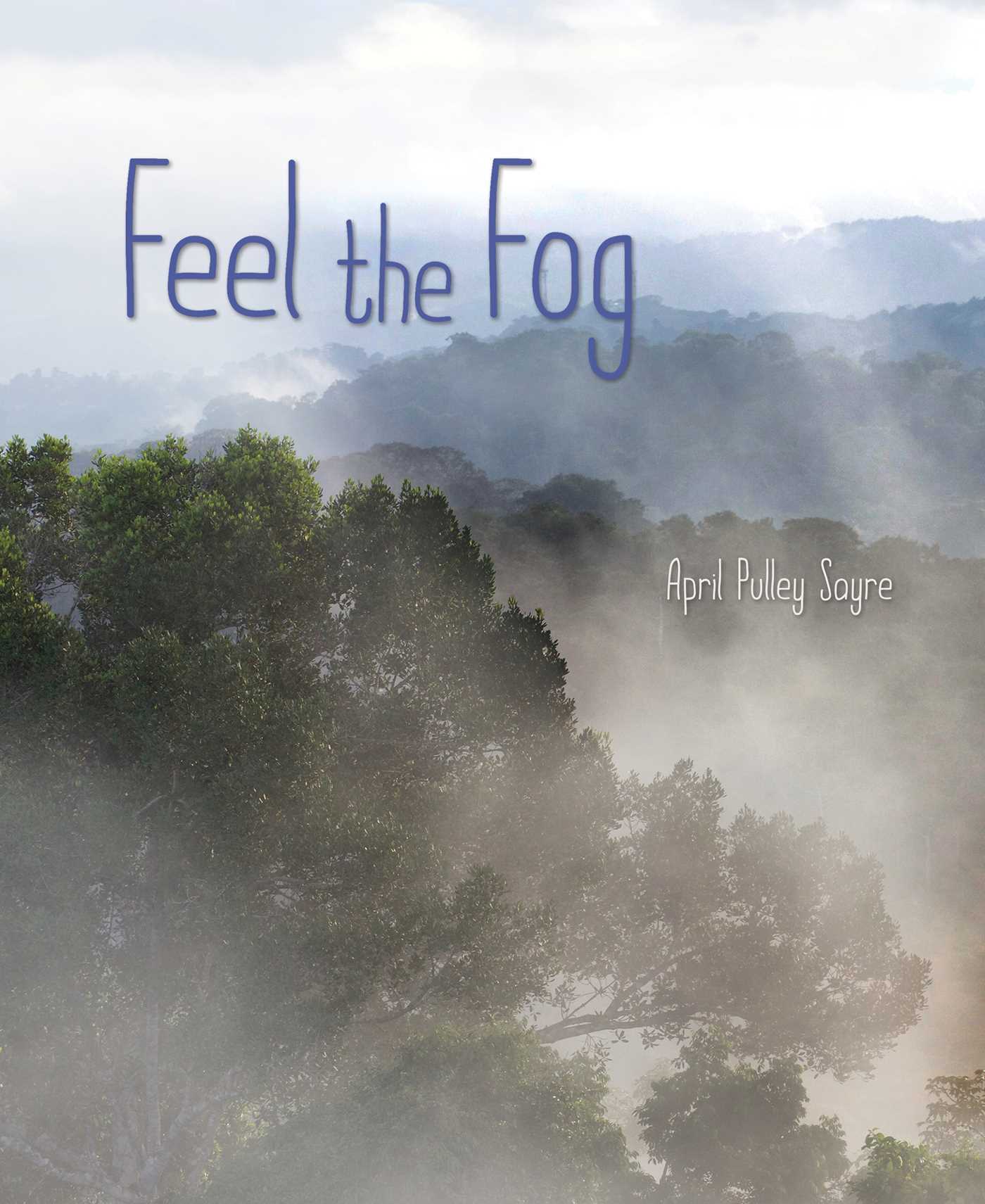
By April Pulley Sayre, Feel the Fog (Beach Lane Books, 2020) – illustrated with wonderful color photographs – is a magical introduction to fog. An appendix provides scientific information. For ages 4-8.

Lawrence Lowery’s Cloud, Rain, Clouds Again (NSTA Press, 2013), one of the I Wonder Why series, is a picture-book introduction to the water cycle with an included activity handbook. For ages 5-8.

Melvin Berger and Gilda Berger’s Can It Rain Cats and Dogs? (Scholastic, 1999), written in interactive question-and-answer format, is an overview of weather divided into three main sections: Sun, Air, and Wind; Rain, Snow, and Hail; and Wild Weather. An interesting interactive read for ages 5-9.

Seymour Simon’s Weather (HarperCollins, 2006), illustrated with gorgeous full-page color photographs, is an overview of the causes and effects of the world’s weather for ages 6-12.

Seymour Simon has several other excellent weather-related books in the same format, among them Storms, Hurricanes, Tornadoes, and Lightning.
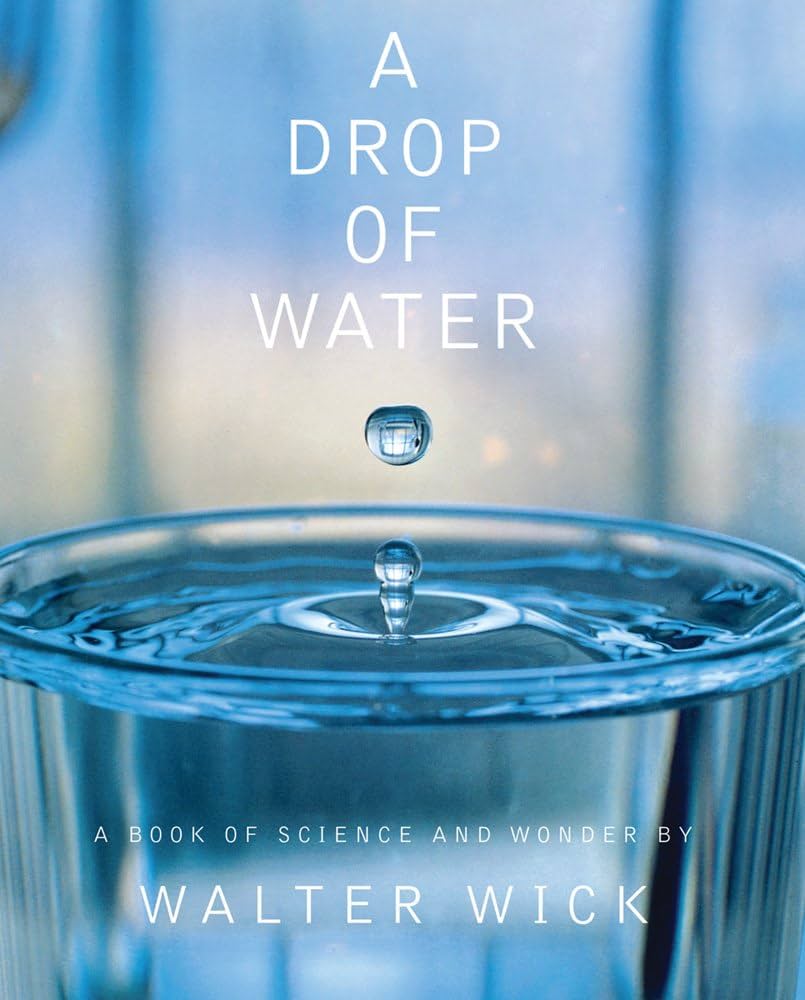
Walter Wick’s A Drop of Water (Scholastic, 1997), illustrated with amazing photographs, covers the many aspects of water, including evaporation, condensation, cloud formation, snowflakes, and more. An end note includes a list of investigations and experiments for readers. For ages 8-12.

Laura Lee’s Blame It on the Rain: How the Weather Has Changed History (William Morrow, 2006) is a fascinating and reader-friendly overview of the historical impact of weather, with such chapters as "Greenland's Vikings," "Gee, It's Cold in Russia," "Washington and Weather," and "Rain Ruins Robespierre." For ages 12 and up.

Richard Hamblyn’s The Invention of Clouds (Picador, 2002) is the story of Luke Howard, the early-19th-century amateur meteorologist who came up with the cloud classification and naming system that we still use today. For teenagers and adults.
What Kind of Cloud?

By John A. Day and Vincent J. Schaefer, the 128-page Peterson First Guide to Clouds and Weather (Houghton Mifflin, 1991) includes basic weather info and 116 helpful color photos for cloud spotters. For ages 6 and up.

Other field guides for weather watchers include David Ludlum’s National Audubon Society Field Guide to North American Weather (Knopf, 1991).

Gavin Pretor-Pinney’s The Cloudspotter’s Guide (Perigee, 2007) is a 330+-page account of the science, history and culture of clouds, filled with fascinating facts and helpful illustrated cloud-spotting charts. Also by Pretor-Pinney, see The Cloud Collector’s Handbook (Chronicle Books, 2011) which is part cloud identification manual, part journal for recording your cloud sightings. For ages 12 and up.

By Louis D. Rubin and Jim Duncan, The Weather Wizard’s Cloud Book (Algonquin Books, 1989) describes a “unique way to predict the weather” by reading the clouds. An appendix explains how to set up a home weather station. For teenagers and adults.

Richard Hamblyn’s 144-page Extraordinary Clouds (David & Charles, 2009) is a collection of gorgeous color photographs of truly extraordinary clouds, each with accompanying explanation. Arranged in five sections: Clouds from the Air, Strange Shapes, Optical Effects, Theatrical Skies, and Man-made Clouds. For ages 12 and up.

Are you a cloud lover? Join the Cloud Appreciation Society and fight blue-sky thinking!
Listen to Cloud Appreciation Society founder Gavin Pretor-Pinney’s TED talk on clouds.

Nephelococcygia is the practice of cloud-watching. Take photos of clouds that look like things. Check out these: https://www.buzzfeed.com/audreyworboys/clouds-that-look-like-things.

From NASA, S'COOL is a cloud observation program for students. Included are cloud schematics, background information, observation tips, lesson plans and activities, and a chance to participate in a citizen science project.
The Clouds 365 Project aims to take a cloud photo every day of the year. (Try it on your own!)
Projects and Activities
From NeoK12, Water Cycle has online quizzes and puzzles and a series of short educational videos. (One of these shows how to make your own water cycle in a box.)

From the Carnegie Museum of Natural History, see Make Your Own Cloud at https://carnegiemnh.org/make-your-own-cloud/.
Let’s Make It Rain is a You Tube video of a simple rain-making experiment.

DIY Rain Gauge has instructions for building one, using a two-liter plastic bottle.
Weather Science Projects has background information and instructions for making a model water cycle and a cloud in a jar.

The Weather WizKids site has kid-friendly info on weather features (among them Clouds, Rain & Floods, Wind, Temperature, Lightning, Hurricanes, and more), a long list of weather experiments, weather games, information on weather instruments, and a photo gallery.
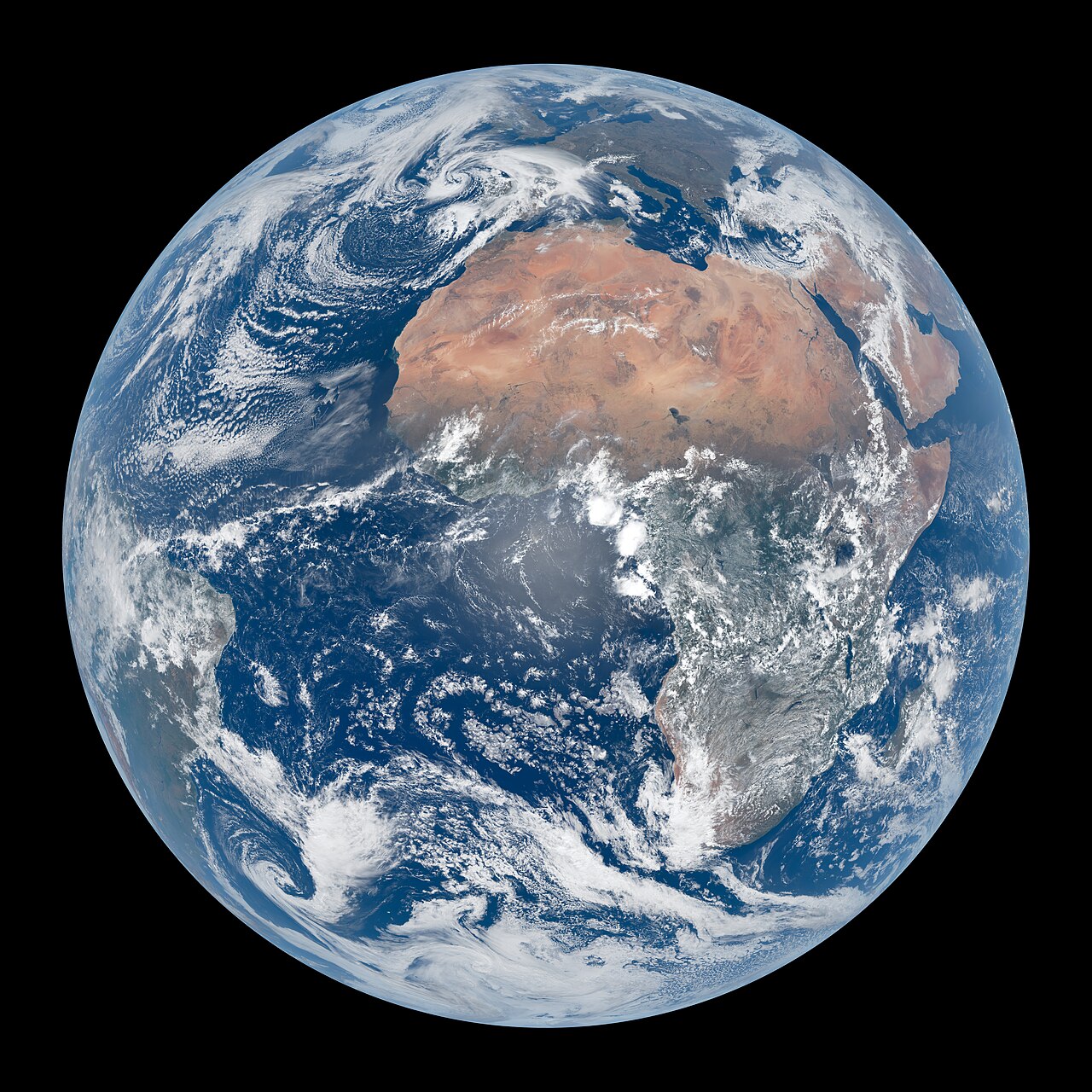
NASA Science Kids: Earth covers "Big Questions" about climate and weather, the greenhouse effect, the carbon cycle, and more, with illustrated information, videos, games, and projects.
See https://science.nasa.gov/kids/earth/.
Storms and Other Weather from the UCAR Science Education Center has illustrated information on thunderstorms, tornadoes, blizzards, and hurricanes, along with hands-on activities, videos, and games and simulations. See https://scied.ucar.edu/learning-zone/storms.
The Weather Dude has basic info on weather topics, statistics on world weather, daily weather stories, weather maps, and a lot of weather songs (available on CD or as downloads).
From Nature, Climate Forecasting is an excellent article for older readers on clouds, climate modeling, and air pollution.

Cosmic rays and clouds? The Cosmics Leaving Outdoor Droplets (CLOUD) experiment is studying the possible link between galactic cosmic rays and cloud formation. Read about it here.
From NOVALabs, Cloud Lab Guide has a great collection of educational science videos and links to weather-related NOVA programs (among them “Earth from Space” and “Inside a Megastorm”).

By Craig F. Bohren, Clouds in a Glass of Beer (Dover Publications, 1987) is a collection of “simple experiments in atmospheric physics,” among them not only “Clouds in a Glass of Beer,” but “Mixing Clouds,” “Black Clouds,” “Indoor Rainbows,” and more. Very thorough explanations for teenagers and adults.
Storm Stories

Nancy Tafuri’s The Big Storm (Simon & Schuster, 2009) is a “Very Soggy Counting Book” from 1 to 10 as more and more animals take shelter from the storm in a cave. For ages 2-5.

In Laura Vaccaro Seeger’s Walter Was Worried (Square Fish, 2006), the sky turns dark and a storm rolls in, with arouses a whole range of emotions: Walter was worried; Priscilla was puzzled; Shirley, shocked; and Frederick, frightened. Their feelings are literally spelled out in letters on their face, which makes for a fun interactive read. (Walter’s eyebrows, for example, are the r’s in “worried.”) For ages 4-8.

In Patricia Polacco’s Thunder Cake (Puffin, 1997), a little girl is frightened by an approaching thunderstorm, and her grandmother reassures her (“This is Thunder Cake baking weather, all right.”), by baking a very special cake. For ages 4-8.
From Food.com, see this yummy recipe for Patricia Polacco’s Thunder Cake.
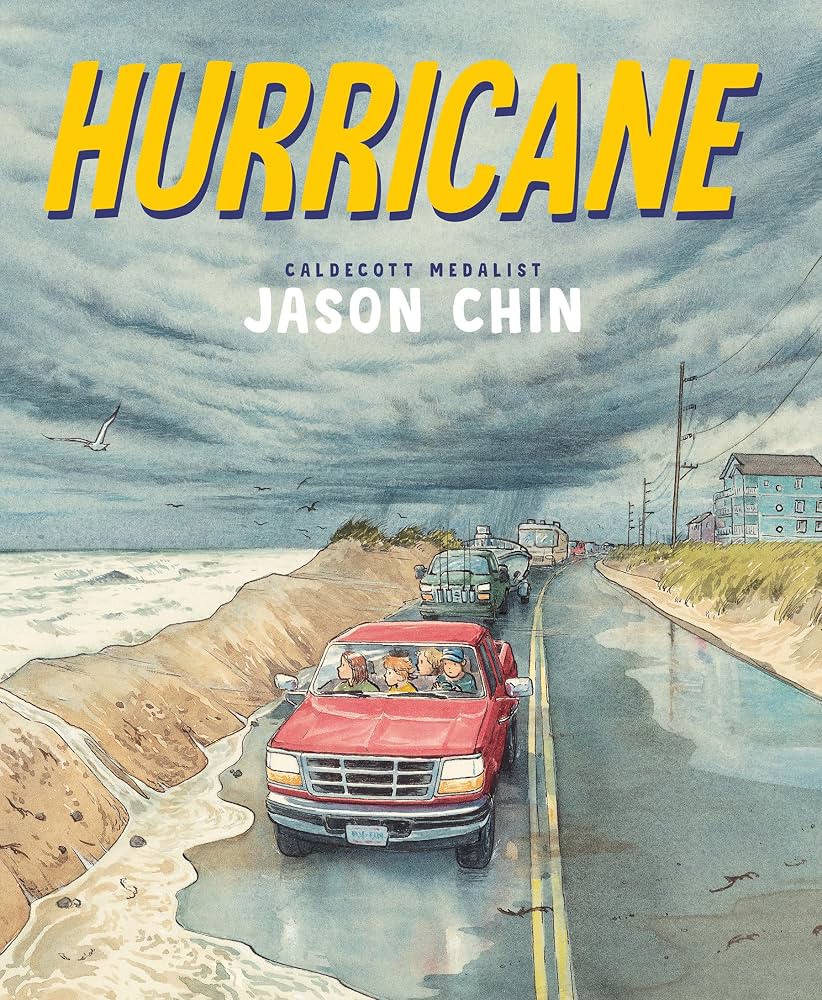
By Jason Chin, Hurricane (Neal Porter Books, 2025) alternates between maps charting the hurricane’s progress and life on Hatteras Island, North Carolina, as families prepare for the storm. For ages 4-8.

In Mary Stolz’s Storm in the Night (HarperCollins, 1990), a frightening storm has knocked out the power, so a grandfather tells his young grandson a story from when he was a boy in a storm as they sit together in the dark. Wonderful storm imagery and themes of intergenerational connection and overcoming fear. For ages 5-9.

In Peter and Connie Roop’s Keep the Lights Burning, Abbie (Carolrhoda Books, 1987), set in 1856 in Maine, young Abbie is left in charge of the lighthouse, her sick mother, and three younger sisters when her father, the lighthouse keeper, goes to the mainland for medicine. When a fierce storm blows up, Abbie is on her own for weeks, keeping the lights burning and caring for her family. For ages 6-9. For another version of Abbie's story, see Marcia Vaughn's Abbie Against the Storm (Aladdin, 1999).

In Mary Pope Osborne’s Twister on Tuesday (Random House, 2001) – one of the popular Magic Tree House series – Jack and Annie are sent to a one-room schoolhouse on the Kansas prairie in the 1870s, and must save their classmates when a tornado moves in. For ages 6-9.

In Jennifer Smith’s The Storm Makers (Little, Brown, 2013) twins Ruby and Simon are having a strange summer, bedeviled with weird weather – which, it turns out, is all Simon’s fault. Simon is a Storm Maker, one of a group of powerful people capable of controlling the world’s weather. Soon opposing forces in the Makers of Storm Society, good and bad, are competing to control him, since Simon may be the most powerful Storm Maker of all time. For ages 8-12.

In Roland Smith’s Storm Runners (Scholastic, 2012), Chase Masters and his father John spend their time traveling the country in pursuit of violent storms. In this, the first of a storm-filled adventure series, they encounter horrific Hurricane Emily. For ages 8-12.

In Ivy Ruckman’s Night of the Twisters (HarperCollins, 2003), twelve-year-old Dan, his best friend Arthur, and baby brother Ryan are on their own when a fearsome tornado rips through their Nebraska town. Fictionalized, but based on a real event. For ages 8-12.

In Susan Vaught's Me and Sam-Sam Handle the Apocalypse (Simon & Schuster, 2019), Jesse, on the autism spectrum, has problems: she's bullied at school; her English teacher dad has just been arrested for stealing; and she's trying to train her Pomeranian, Sam-Sam, to be a bomb-sniffing dog just like her heroic, deployed-overseas mom's. Many kinds of heroism abound - and Sam-Sam comes into his own when a tornado rips through town. For ages 9-12.
Storm Science

In the Let’s-Read-and-Find-Out Science series, Franklyn M. Branley’s Flash, Crash, Rumble, and Roll (HarperCollins, 1999) is a delightfully illustrated introduction to thunderstorms – with great diagrams – for ages 4-8.

Other weather books in this series include Anne Rockwell’s Clouds, Lynda DeWitt’s What Will the Weather Be?, Arthur Dorros’s Feel the Wind, and – both by Franklyn M. Branley – Down Comes the Rain and Tornado Alert! An entire weather library for ages 4-8.

Myron Uhlberg’s A Storm Called Katrina (Peachtree Publishers, 2011) is the harrowing story of the destruction of New Orleans by Hurricane Katrina, seen through the eyes of ten-year-old Louis Daniel – who wants to be a horn player like Louis Armstrong and manages to save only his brass cornet from the wreckage of his family’s home. For ages 4-9.

By Simon Basher and Dan Green, Weather (Kingfisher Books, 2012) is terrific, with funny and informative first-person characterizations of important weather features – among them the Sun, the Atmosphere, Hail, Sleet, Hurricane, and El Nino. (Monsoon – a huge water drop – announces “Boy, am I a big crybaby! Every year I change from bright and sunny to sullen and sulky. I turn on the tears, instantly bringing cloudbursts of my favorite play pal, Rain.”) For ages 8-13.

Lee Sandlin’s Storm Kings (Pantheon, 2013) is a fascinating history of tornados and tornado chasers, beginning with the “Electricians” – stage magicians who performed tricks with static electricity – who inspired Benjamin Franklin to embark on his famous key-and-kite experiment with lightning. An absorbing and exciting read for teenagers and adults.

Make a tornado in a bottle! See https://www.nasa.gov/wp-content/uploads/2020/04/tornado_in_a_bottle.pdf.

Rosalyn Schanzer’s How Ben Franklin Stole the Lightning (HarperCollins, 2002) is an upbeat picture-book account of Ben Franklin’s inventions and innovations, with emphasis on his interest in electricity and his investigations into the nature of lightning. For ages 6-10.
From NOVA, Cloud Lab is a multi-part investigative lesson on clouds and storms for middle- and high-school-level students.
Poetry

Robert Louis Stevenson’s poem Rain appears in A Child’s Garden of Verses, originally published in 1913. “The rain is raining all around/It falls on field and tree…”)
Percy Bysshe Shelley’s poem The Cloud begins “I bring fresh showers for the thirsting flowers.”
Christina Rossetti’s Clouds begins “White sheep, white sheep/On a blue hill…”
See William Wordsworth’s I Wandered Lonely as a Cloud.
Carl Sandburg’s Fog comes on little cat feet.
A lover of rain is called a pluvophile. If you are one, visit Rainy Mood to listen to the rain anytime.

Julian Scheer’s marvelously illustrated Rain Makes Applesauce (Holiday House, 1964) is a wonderful magical read. (“The stars are made of lemon juice/and rain makes applesauce./(Oh, you’re just talking silly talk.)”) Read the entire poem here. For ages 4 and up.

By Joan Bransfield Graham, Splish Splash (Houghton Mifflin Harcourt, 2001) is a great collection of concrete poems about all things water, including one titled “Clouds.” (Kids will want to invent some of their own.) For ages 4-8.

In Verna Aardema’s rhyming Bringing the Rain to Kapiti Plain (Puffin, 1992), there’s a drought in Kenya (“These are the cows, all hungry and dry/Who mooed for the rain to fall from the sky”) – which Ki-pat the herdsman ends when he fires an arrow far into the air. Wonderful illustrations of African animals. For ages 4-8.

Karen Hesse’s Come on, Rain (Scholastic, 1999) is a poetic picture-book celebration of rain cooling a big-city summer heat wave, with great illustrations by Jon Muth. For ages 4-8.

Selected by X.J. Kennedy and Dorothy M. Kennedy, Talking Like the Rain (Little, Brown, 1992) is an illustrated collection of poems for children. The “Wind and Weather” section includes poems by Christina Rossetti, Nikki Giovanni, Eve Merriam, Gwendolyn Brooks, and more. For ages 4-9.
Check out the top 20 weather-related songs.

The title poem of Jack Prelutsky’s poetry collection It’s Raining Pigs and Noodles (Greenwillow Books, 2005) is a celebration of silly and wonderful rains. (“It’s raining pigs and noodles/it’s pouring frogs and hats/chrysanthemums and poodles/bananas, brooms, and cats.”) For ages 5-10.

In Nancy Willard’s wonderful and evocative poetry collection A Visit to William Blake’s Inn (Houghton Mifflin Harcourt, 1982), with illustrations by Alice and Martin Provensen, see “The Wise Cow Enjoys a Cloud.” Highly recommended for all ages.
What if rain dripped in your head and flowed into your brain? Read Shel Silverstein’s Rain.
From Mother Goose Caboose, Rain Poems includes selections from Robert Louis Stevenson, Henry Wadsworth Longfellow, Langston Hughes, and Elizabeth Coatsworth.
Read Rain by Don Paterson, from the poetry collection of the same title.
By Langston Hughes, see In Time of Silver Rain.
“Into each life some rain must fall.” So says Henry Wadsworth Longfellow in The Rainy Day.
Rain? or Reign?

Fred Gwynne’s The King Who Rained (Aladdin, 1998) is a picture book of homophones and idioms, as a puzzled little girl misinterprets forks in the road, fairy tails, boars to dinner, foot prince in the snow, and the king who rained for forty years. For ages 5-8.

By Will Moses, Raining Cats and Dogs (Philomel, 2008) is a collection of "irresistible idioms and illustrations to tickle the funny bones of young people," illustrated with Moses's signature folk art. Lots of fun wordplay for ages 6-11.
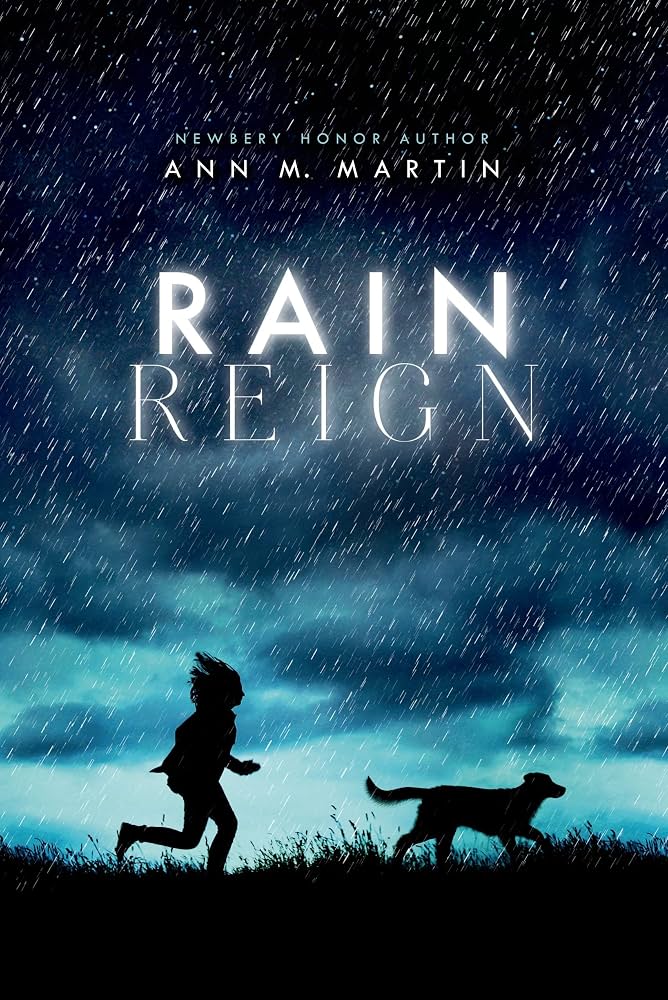
By Ann M. Martin, in Rain Reign (Square Fish, 2018), main character Rose Howard is a neurodiverse kid with a single father. Rose is obsessed with homonyms, which is why she named her dog Rain – but when a storm floods the town and Rain goes missing, Rose has to overcome her challenges to find her dog. Many starred reviews. For ages 9-12.
Clouds, Rain, and Art

Experiment with word cloud generators, of which there are many. For example see https://wordcloudplus.com/.
From DLTK’s Crafts, Weather Activities is a collection of projects for preschoolers and elementary-level kids. For example, kids make a cloud wind puppet, paper-cut and salt-crystal snowflakes, a handprint sun, a windsock, and a pinwheel.

From Red Ted Art, Weather Get Crafty is a selection of particularly gorgeous weather-based crafts, among them suncatchers, sundials, windspinners, wind chimes, and rain mobiles. There’s even a recipe for yummy rainbow jelly (topped with a cloud).

From Holly’s Arts and Crafts Corner, the 
From AllKids Network, the Raining Cloud Craft is a great mobile with translucent tissue paper raindrops.

At Clouds in Art, visitors try to match clouds in famous paintings to photos of cloud types.
The Art of Clouds is a slide-show exercise in which viewers are challenged to identify the kinds of clouds pictured in paintings.

From the Art Institute of Chicago, view Georgia O’Keeffe’s painting Sky Above Clouds.