
The Civil War
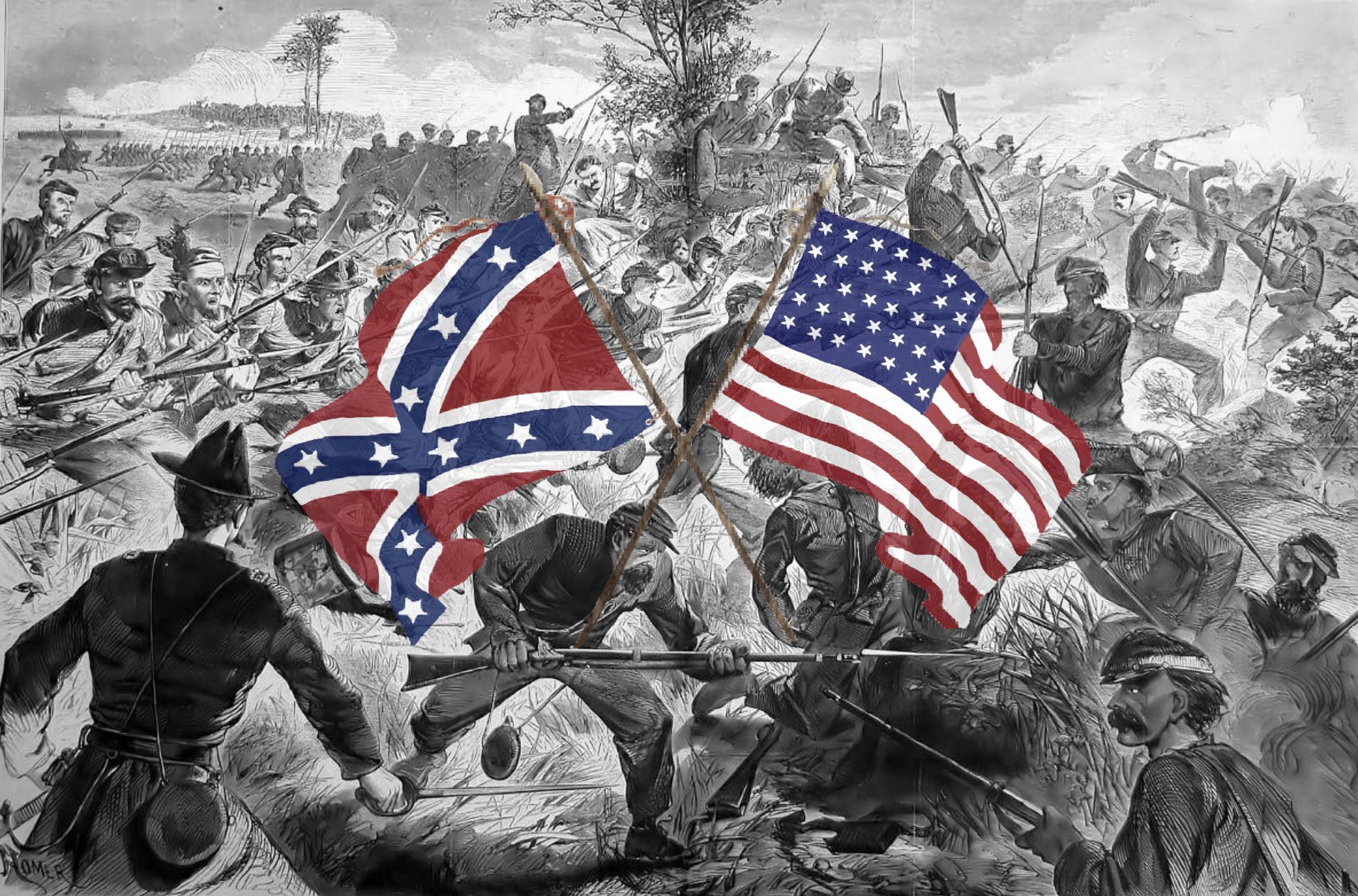
In this collection
All About the Civil War
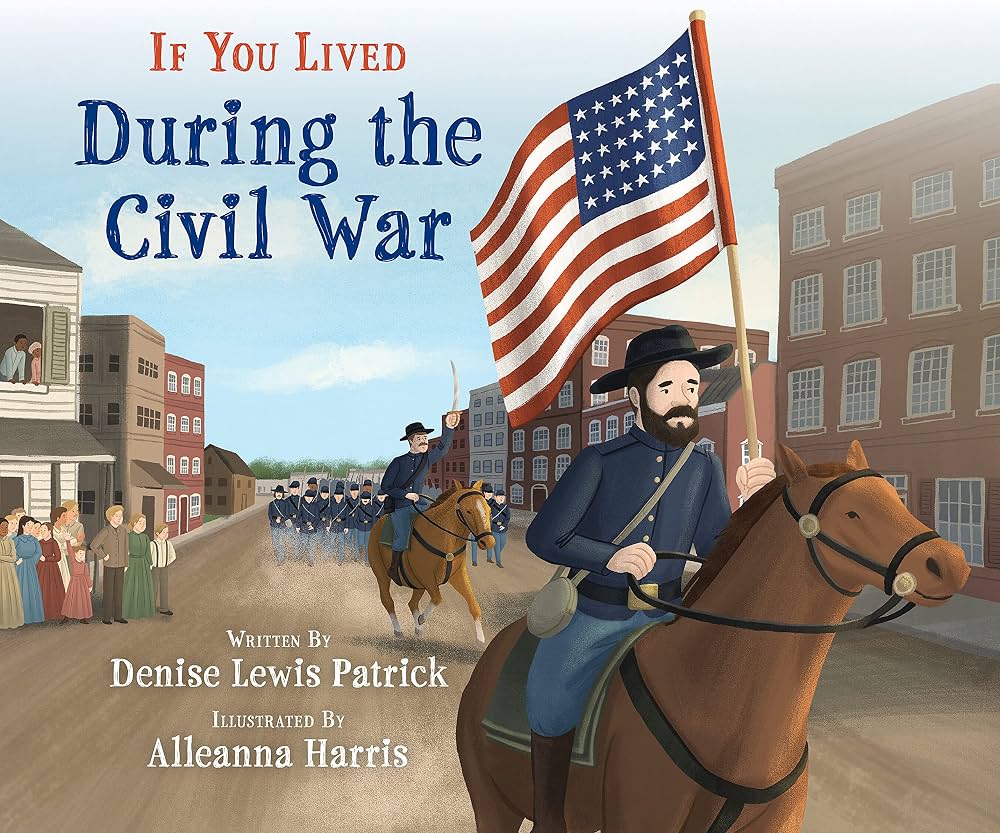
By Denise Lewis Patrick, If You Lived During the Civil War (Scholastic, 2022) is written in an interactive question-and-answer format that makes for a great discussion book, covering all aspects of the Civil War. For ages 7-10.
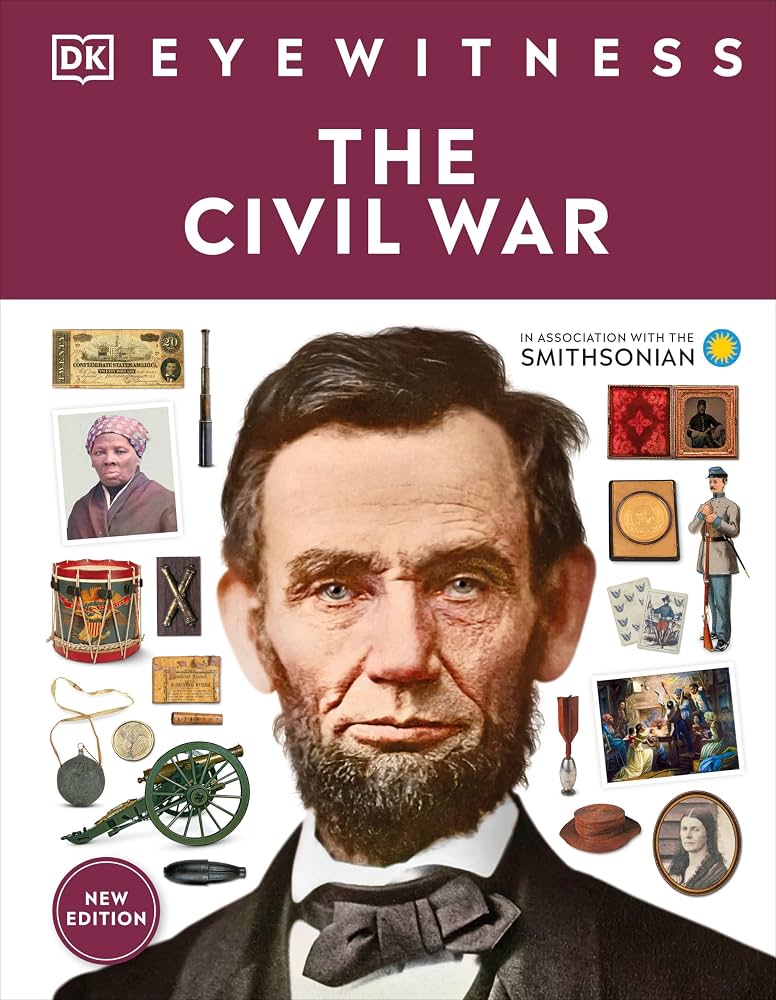
In the Eyewitness series, The Civil War (DK, 2023) is a wonderful visual tour, illustrated with period photos and photos of artifacts. For ages 8-12.
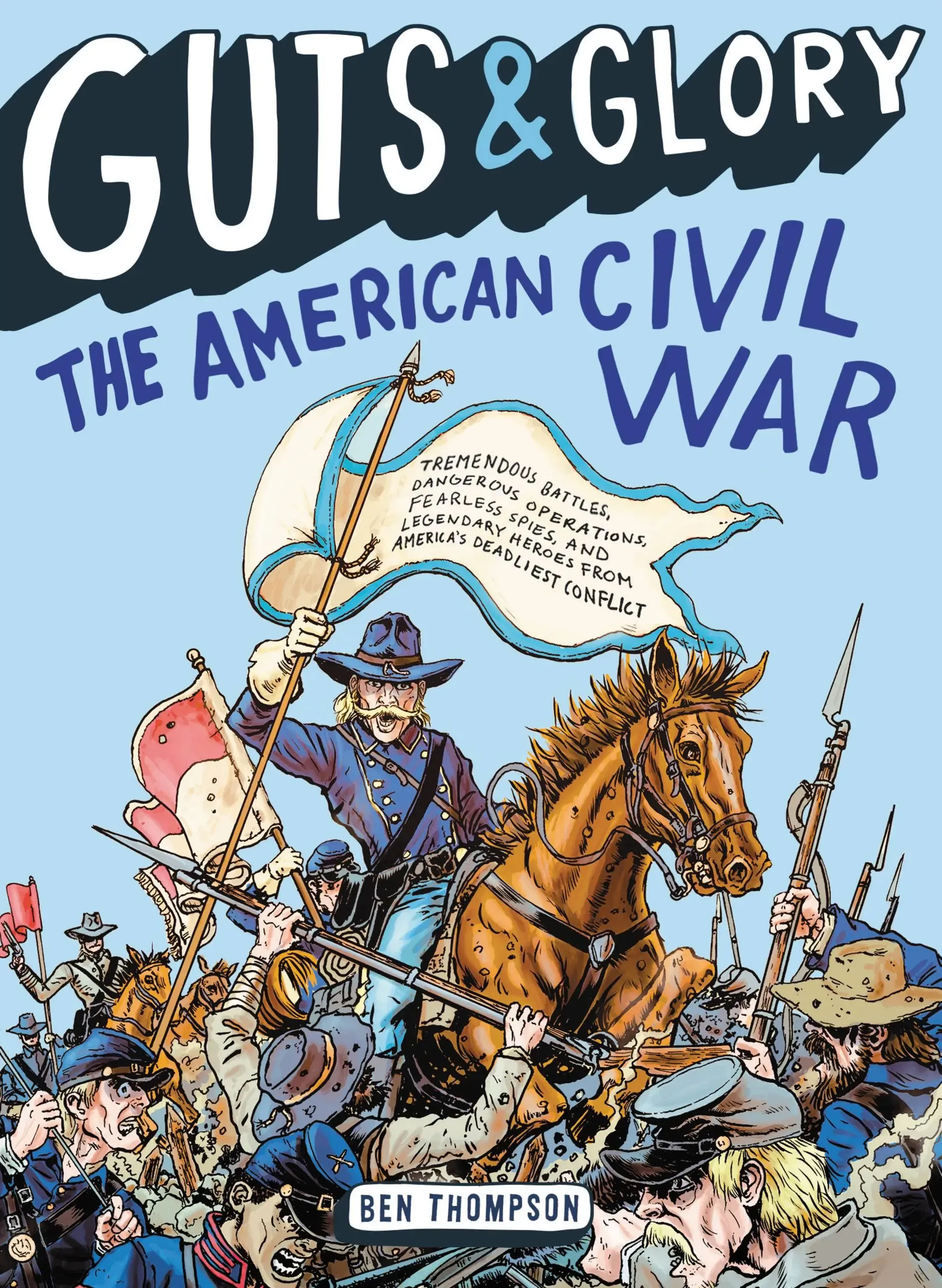
By Ben Thompson, Guts & Glory: The American Civil War (Little, Brown, 2015) is an action-packed history of the war filled with the sort of catchy storytelling that pulls kids into history. For ages 9-12.
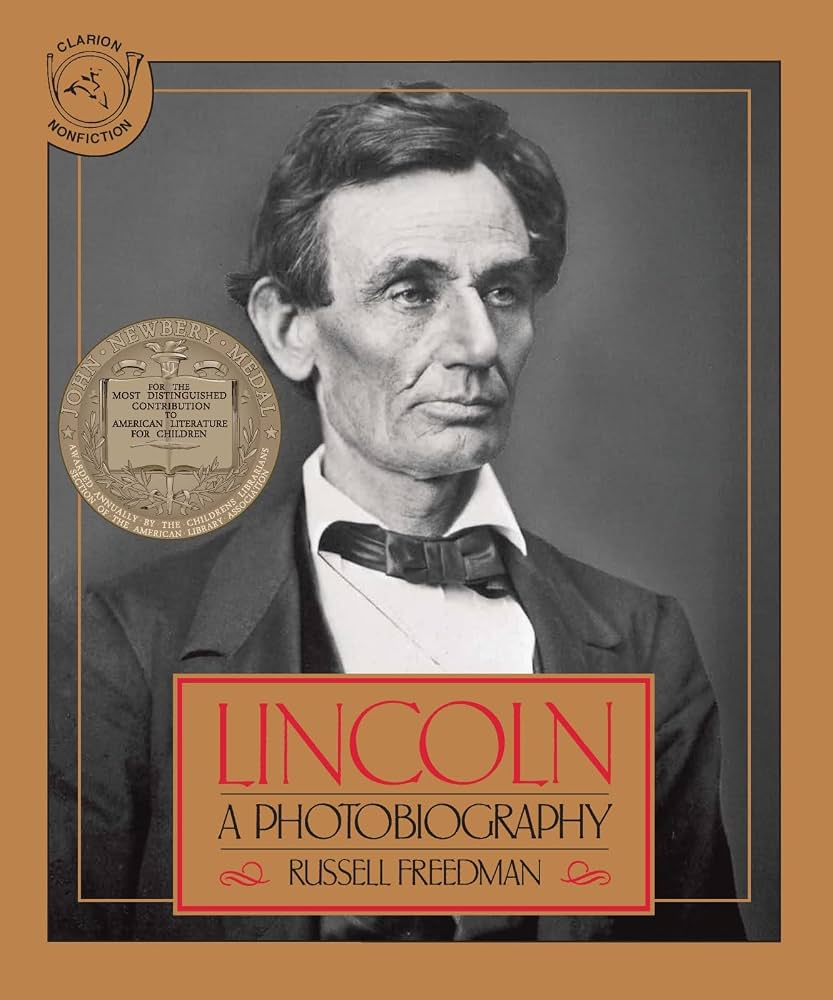
By Russell Freedman, Lincoln: A Photobiography (Clarion, 1989) – a Newbery winner – traces the life of Lincoln from boyhood through the Civil War to the night of his assassination at Ford’s Theatre in 1865. For ages 10-12.

Gail Jarrow’s Blood and Germs (Calkins Creek, 2020) is the fascinating – but dreadful – illustrated nonfiction account of medicine, medical procedures, disease, and death rates during the Civil War. For ages 13 and up.

Janis Herbert’s The Civil War for Kids (Chicago Review Press, 1999) – a “History with 21 Activities” – covers the war in chronological order, illustrated with period prints, photos, and maps, along with capsule biographies and interesting facts in boxes. Included are a timeline, glossary, and resource list. Activities include making berry ink, butternut dye, and hardtack. For ages 9 and up.
In the same format, see Herbert's Abraham Lincoln for Kids (Chicago Review Press, 2007).

By Pulitizer-Prize-winning historian James M. McPherson, Fields of Fury: The American Civil War (Atheneum Books, 2002) is a terrific 96-page overview of the Civil War, organized chronologically. Included are drawings and paintings, maps, period photographs, and Quick Facts boxes. An excellent resource for ages 9-12.

By Genevieve Foster, Abraham Lincoln's World (Beautiful Feet Books, 2003) is a horizontal history of Lincoln's life and times. What else was happening in the world when Lincoln was a baby, a boy, a young man, a president? For ages 9 and up.

Joy Hakim’s eleven-volume A History of US (Oxford University Press, 2007) is a superb American history series, filled with photos and interesting asides, and told in the form of a compelling and absorbing story. The Civil War volume is titled War, Terrible War. This is history as it ought to be taught, but usually isn’t. Highly recommended for ages 10 and up.

Don Nardo’s Civil War Witness (Compass Point Books, 2013) in the Captured History series (in which the central theme is how photographs can change the world) is an account of how photographer Matthew Brady documented the Civil War, illustrated with Brady’s own photographs. For ages 10 and up.
For more on the series, see 

Steve Sheinkin’s 250-page Two Miserable Presidents (Roaring Brook Press, 2008) aims to tell “The Amazing, Terrible, and Totally True Story of the Civil War.” The two miserable presidents are Abraham Lincoln and Jefferson Davis; and Sheinkin does a good job of explaining the big picture and integrating the interesting stories that bring history to life. (It begins with Congressman Preston Brooks of SC about to beat Senator Charles Sumner of MA with his cane.) A good pick for ages 10-14.

Jim Murphy’s The Boys’ War (Houghton Mifflin Harcourt, 1993) is an account of the experiences of boys ages 16 or younger who fought in the Civil War, based on diaries, journals, memoirs, and letters – from “So I Became a Soldier” to “We’re Going Home.” Illustrated with period photographs. For ages 12 and up.

Stephanie Fitzgerald’s 64-page The Split History of the Civil War (Compass Point Books, 2012) is actually two books in one, one written from the Union point of view, the other from that of the Confederacy. Chapter 1 from the Union perspective, for example, is titled “1861: Insurrection!” while Chapter 1 from the Confederate perspective is “1861: A Quest for Independence.” Included are quotations and period photos. A discussion promoter for ages 10-14.
From the Smithsonian, see The Civil War: A Visual History at https://archive.org/details/the-civil-war-a-visual-history-dk-smithsonian/.
See also
People, Battles, Speeches, and a Submarine

Candice F. Ransom’s Willie McLean and the Civil War Surrender (First Avenue Editions, 2004) is the story of Lee’s 1865 surrender to Grant in the McLean house in the little town of Appomattox Court House that finally ended the Civil War. The story features young Willie and Lula McLean; an afternote explains how Lula’s rag doll was taken by a Union officer and eventually, in the 1990s, donated to the Appomattox Court House National Historical Park. For beginning readers ages 6-8.
From the Appomattox Court House National Historical Park, Lula McLean’s Rag Doll is an online story, told in the voice of the doll, of Lee’s surrender to Grant in 1865. There’s also a photograph of the doll.

Cheryl Harness’s Mary Walker Wears the Pants (Albert Whitman & Company, 2013) is the story of the unconventional Mary Edwards Walker, suffragist, and one of the first woman doctors in the United States – who joined the Union Army as a doctor and became the only woman ever to win a Medal of Honor. (And she wore pants!) For ages 6-9.

In Patricia Polacco’s Just in Time, Abraham Lincoln (Puffin, 2014), Michael and Derek walk through a door in a Civil War museum and end up back in 1862 just after the Battle of Antietam, where they meet Abraham Lincoln and bring him a hopeful message from the future. For ages 7-10.

By Kate Boehm Jerome, Civil War Sub: The Mystery of the Hunley (Penguin, 2002) tells the story of the Confederate submarine that completed one mission, then vanished, only to be recovered in 2000. For readers ages 7-9.

Fran Hawk’s The Story of the H.L. Hunley and Queenie’s Coin (Sleeping Bear Press, 2004) is the story of the remarkable Confederate submarine that became the first combat submarine to sink an enemy warship. It was recovered in 2000. For ages 7-11.

Sally Walker’s Secrets of a Civil War Submarine (Carolrhoda, 2023) is a fascinating and well-researched account of the design and building of the Civil War submarine, the Hunley, its one and only mission, and its recovery over 100 years later (with the bodies of the crew still on board). Illustrated with maps, drawings, and photos. For ages 12 and up.
Read more about it at The Hunley’s Daring Submarine Mission.
The Friends of the Hunley website has a history of the submarine and information about its recovery.

Big Bad Ironclad in Nathan Hale's Hazardous Tales series (Amulet Books, 2012) is a graphic-novel account of the race between North and South to build the biggest and best ironclad ship. For ages 8-12.

Jean Fritz’s Just a Few Words, Mr. Lincoln (Penguin, 1993) is a reader-friendly account of the Gettysburg Address for ages 7-9.
Gettysburg by the Numbers discusses what the weather was like during the days of the Battle of Gettysburg, how it affected the soldiers, and how weather impacts battles in general.

Jim O’Connor’s What Was the Battle of Gettysburg? (Grosset & Dunlap, 2013) has a brief overview of the Civil War and a detailed description of the Battle of Gettysburg and its importance. Illustrated with maps, drawings, and photographs. For ages 8-12.
For the complete list of the What Was? series books, see here.

There are many biographies of Clara Barton, Civil War nurse and founder of the American Red Cross. For ages 4-8, see Patricia Polacco’s picture book Clara and Davie (Scholastic, 2014); for ages 6-10, the TIME for Kids series includes the 48-page Clara Barton: Angel of the Battlefield (HarperCollins, 2008), illustrated with period and modern photographs. For teenagers and adults, see historian Stephen Oates’s comprehensive Woman of Valor: Clara Barton and the Civil War (Free Press, 1995).

Jean Fritz’s Stonewall (Puffin, 1997) is a beautifully written 150-page biography of the Southern general who got his nickname from his stand at the Battle of Bull Run. It appears to be out of print – check your local library. Worth tracking down because Fritz is a superb historical writer. For ages 8-12.

By Kathleeen Krull, Louisa May’s Battle (Walker Children’s Books, 2013) is the story of how Louisa May Alcott’s Civil War experiences – she worked as a nurse – led eventually to the publication of Little Women, one of the first novels to be set during the Civil War. For ages 8-12.

Sally Walker’s Boundaries: How the Mason-Dixon Line Settled a Family Feud and Divided a Nation (Candlewick, 2014) is a well-researched and wide-ranging account of the boundary that played such a prominent role in the antebellum slavery debate and the post-Civil-War cultural divide. But there’s a lot more to it than that. A thoroughly interesting read for ages 12 and up.

Lynda Jones’s Mrs. Lincoln’s Dressmaker (National Geographic Children’s Books, 2009) is the story of the “unlikely friendship” between Mary Todd Lincoln and Elizabeth Keckley, a former slave and the First Lady’s dressmaker. For ages 10-14.
From the Smithsonian magazine, see The Story of Elizabeth Keckley, Former-Slave-Turned-Mrs.-Lincoln’s-Dressmaker.

By Thomas B. Allen, Mr. Lincoln’s High-Tech War (National Geographic Children’s Books, 2009) pairs an overview of the Civil War with an account of the technology that was used to win it, from the submarine and the ironclad warship to the telegraph, railroad, and repeating rifle. For ages 12 and up.
The Civil War in Fiction

In Pat Sherman’s Ben and the Emancipation Proclamation (Eerdmans Books for Young Readers, 2009), Ben is a young slave boy in Charleston, SC, who has learned to read – though literacy is illegal for slaves. Imprisoned when the war breaks out, Ben uses his forbidden skill to read the newspaper account of the signing of the Emancipation Proclamation to his fellow prisoners. For ages 5-9.

In Civil War on Sunday (Random House, 2000), one of Mary Pope Osborne’s immensely popular Magic Tree House series, Jack and Annie – attempting to help Morgan le Fay, librarian of Camelot – travel back in time to the Civil War, where they help Clara Barton, the “Angel of the Battlefield,” save wounded soldiers. For ages 6-9.

In Lauren Tarshis’s I Survived: Battle of Gettysburg, 1863 (Scholastic, 2013) – one of the I Survived series – eleven-year-old Thomas and his five-year-old sister, Birdie, have escaped from slavery and are headed north, following the North Star. The two are adopted by a regiment of Union soldiers – and end up in Pennsylvania at the bloody Battle of Gettysburg. For ages 7-10.
Check out the complete list of the I Survived books here.

In Cheryl Harness’s Ghosts of the Civil War (Simon & Schuster, 2004), Lindsey – who has no interest in the Civil War – meets the ghost of young Willie Lincoln and ends up taking a personal tour of the war and its times. The book is packed with information – timelines, annotated maps, fact sidebars – and the dialogue is delivered in cartoon bubbles. A lot of interesting detail in 48 pages for ages 7-10.

In Laurie Myers’s Escape by Night (Henry Holt and Company, 2011), 10-year-old Tommy and his sister Annie have been watching soldiers arrive in their Georgia town, where the local church has been turned into a hospital for the war-wounded. One of the soldiers drops his notebook and Tommy sends his dog to fetch it. He returns it to its owner – a soldier named Red – and a friendship begins. Soon, however, Tommy realizes that Red is actually a Union soldier – and he must make a decision based on his loyalties and his changing attitudes toward slavery and the war. For ages 7-10.

In Trinka Hakes Noble’s The Last Brother (Sleeping Bear Press, 2006), 11-year-old Gabe is a bugler for the Union troops at the Battle of Gettysburg, while his older brother Davy – his “last brother,” Gabe has already lost two to the war - is in the thick of the fray. Before the battle begins, Gabe meets Orlee, a young bugler from Mississippi, and the two boys discover that, despite their opposite allegiances, they have a lot in common. Suddenly Gabe has questions about loyalties to family, friends, and country – and when the order comes to sound the “Charge!,” he has to make a decision. For ages 7-11.
The Last Brother is a detailed teacher’s guide to accompany the book, with exercises and activities. Some are more appealing than others – “Soldier Math,” for example, includes such unexciting problems as “Gabe practiced the bugle for 3 hours each morning and 2 hours each evening. How many hours did he practice each week?” Other projects include making a Civil War diorama, writing an entry in Gabe’s journal, designing a medal for a bugler, and locating key sites from the Battle of Gettysburg on a map.

Patricia Polacco’s Pink and Say (Philomel, 1994) is based on the true story of a pair of teenaged soldiers. Pink, an African-American, finds Say left for dead on a Georgia battlefield, and carries him home to his mother, who nurses him back to health. Pink’s mother is killed by marauders, and the two boys – later captured – end up in Andersonville Prison, where Pink is hanged, but Say survives to tell their story. A powerful, but heart-wrenching, tale for ages 8 and up.

Barry Denenberg’s When Will This Cruel War Be Over? The Diary of Emma Simpson (Scholastic, 2011) in the Dear America series is the story in Emma’s words of life in Virginia during the days of the Civil War, dealing with hardship and scarcity, the absence of her father, the death of her brother. “I never realized how happy I was until this war besieged our land,” Emma writes. For ages 8-12.

In Patricia Beatty’s Turn Homeward, Hannalee (HarperCollins, 1999), 12-year-old Hannalee is one of 2000 Georgia millworkers forcibly sent to work in the North after General Sherman passes through town and burns the mill. Hannalee is determined to find her younger brother and to return home to her mother. Based on true historical events. There’s a sequel, set in 1865: Be Ever Hopeful, Hannalee. For ages 8-12.

In Carolyn Reader’s award-winning Shades of Gray (Aladdin, 1999), 12-year-old Will has lost his entire family in the Civil War, and now is being sent to live on a farm with unknown relatives. There he meets his Uncle Jed, who has refused to fight for the Confederacy. Will considers him to be a coward and a traitor – until he gradually comes to see that there are many kinds of courage, For ages 8-12.

In Rodman Philbrick’s The Mostly True Adventures of Homer P. Figg (Scholastic, 2011), Homer’s wicked guardian, Uncle Squint, has sold his older brother, Harold, to the Union Army, to take the place of a rich man’s son. Homer, who has a talent for telling whoppers, sets out to rescue him, having adventures along the way with a host of colorful characters, among them a pair of repulsive slave catchers, a kindly Quaker, and the suspect Professor Fleabottom, owner of a medicine show called the Caravan of Miracles. Homer is accused of spying, but escapes in a hot-air balloon; finally he finds his brother and the pair end up fighting in the Battle of Gettysburg under the command of Joshua Lawrence Chamberlain. A great story for ages 9-12.

In Avi’s Iron Thunder (Disney-Hyperion, 2009), 13-year-old Tom takes a job in the Brooklyn, NY, ironworks after his father is killed fighting for the Union. There he becomes friends with inventor John Ericsson, who is building a remarkable ironclad ship, the Monitor, destined to battle the Confederate Merrimac. Tom’s association with Ericsson makes him a target for Confederate spies; to escape, he ends up living on board the boat - and sailing with her when she heads for her great sea battle. For ages 9-13.

Irene Hunt’s Across Five Aprils (Berkley, 2002) is the story of young Jethro Creighton through the years – five Aprils – of the Civil War, as his brothers and teacher leave to fight for either the Union or the Confederacy. A good discussion book for ages 10 and up.
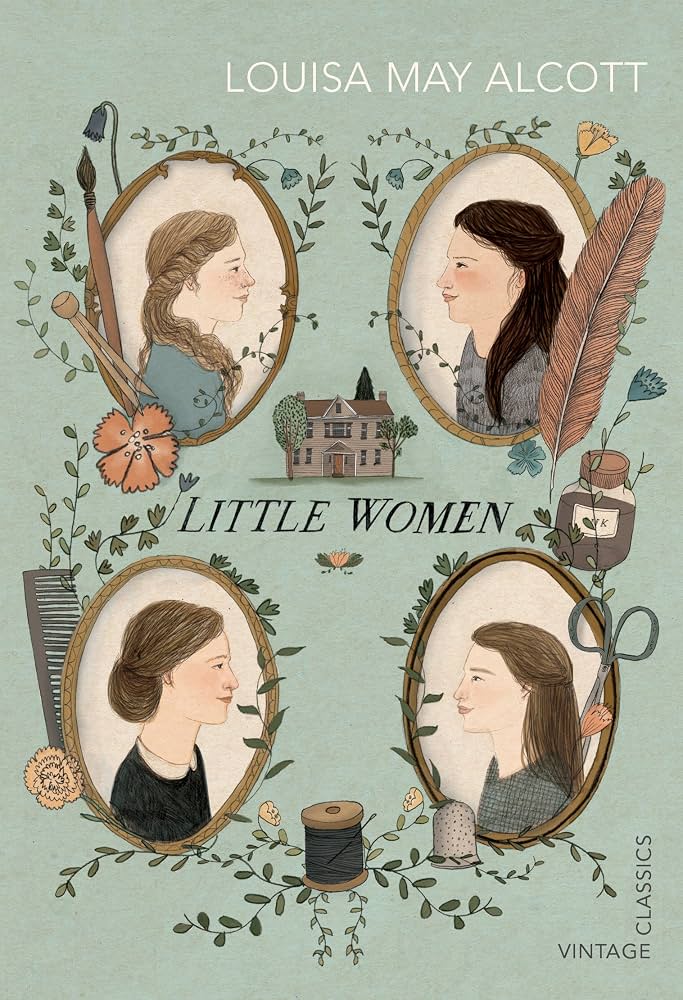
Louisa May Alcott’s Little Women (many editions) is set during the Civil War: their father is serving as a chaplain in the Union army and the family is coping as best they can at home. A classic for ages 10 and up.
Greta Gerwig's movie version of Little Women (2019) is rated PG. See https://www.imdb.com/title/tt3281548/.

Paul Fleischman’s Bull Run (HarperCollins, 1995) is a fascinating account of the terrible Civil War battle, told from sixteen different points of view (black and white, male and female, Union and Confederate). Excellent for ages 10 and up.
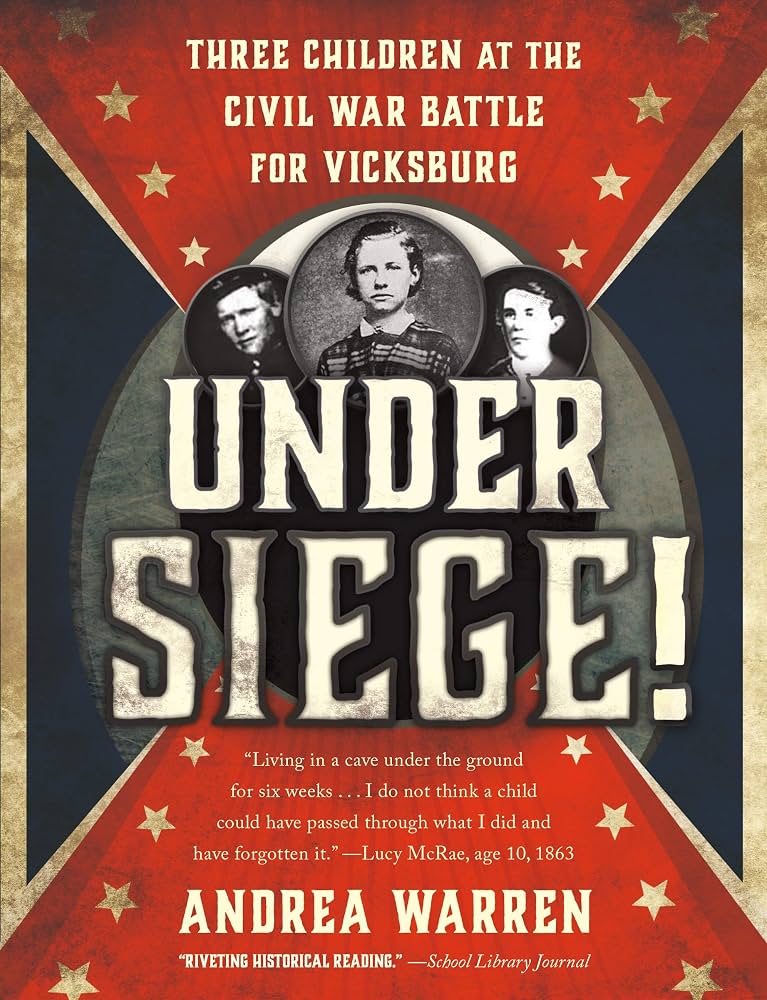
Andrea Warren’s Under Siege! (Square Fish, 2015) details the experiences of three kids at the Battle for Vicksburg in 1863 – one of them twelve-year-old Frederick Grant, son of Ulysses S. Grant. Illustrated with period photos, engravings, and maps. For ages 10-14.

By Craig Crist-Evans, Moon Over Tennessee (Houghton Mifflin Harcourt, 2003), illustrated with wood engravings by Bonnie Christensen, is a free-verse “diary” of a 13-year-old farm boy from Tennessee who goes with his father when he joins the Confederate army, and stays with him until his father’s death at the Battle of Gettysburg. For ages 10 and up.

Seymour Reit’s Behind Rebel Lines (Houghton Mifflin Harcourt, 2001) is the incredible story of Emma Edmonds who disguised herself as a man and joined the Union Army – and later became a spy, working behind enemy lines. Based on a true story. A suspenseful read for ages 12 and up.
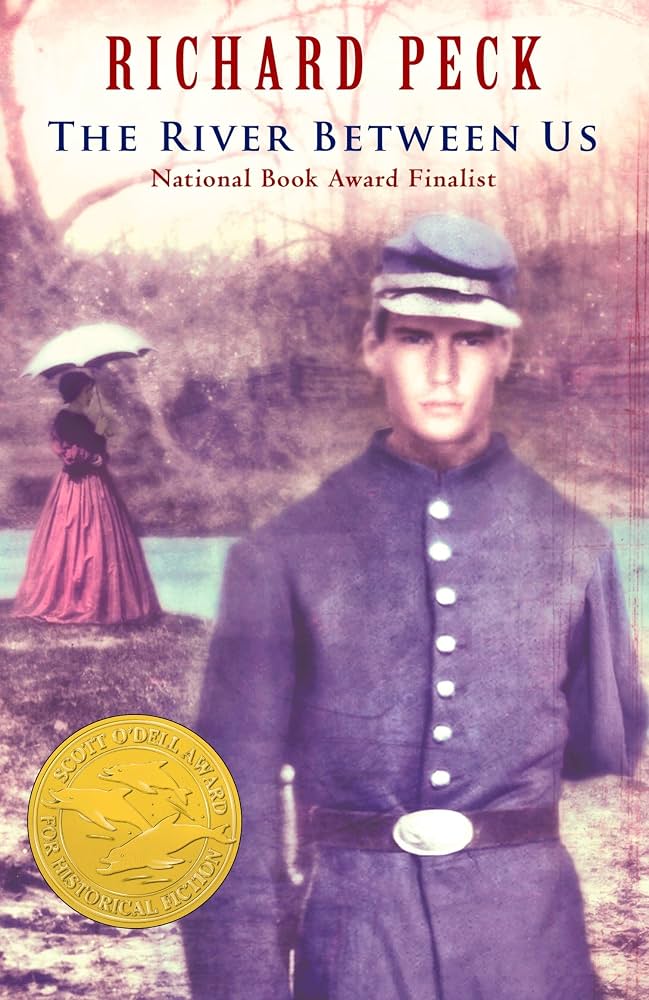
In Richard Peck’s The River Between Us (Puffin, 2005) – a National Book Award finalist – fifteen-year-old Howard visits his father’s family in Illinois and hears his grandma Tilly’s story of life in 1861, when her brother Noah was bent on joining the Union army and two mysterious visitors arrived from New Orleans. For ages 12 and up.

In James Collier’s With Every Drop of Blood (Laurel Leaf, 1996), 14-year-old Johnny – the book’s narrator – has promised his father (now dead of war wounds) that he’ll stay on the family farm in Virginia. Instead, he embarks on a dangerous mission to smuggle food into besieged Richmond, and is captured by black Union soldiers. One of these – Cush – is about Johnny’s age and eventually the boys develop a friendship. For ages 12 and up.
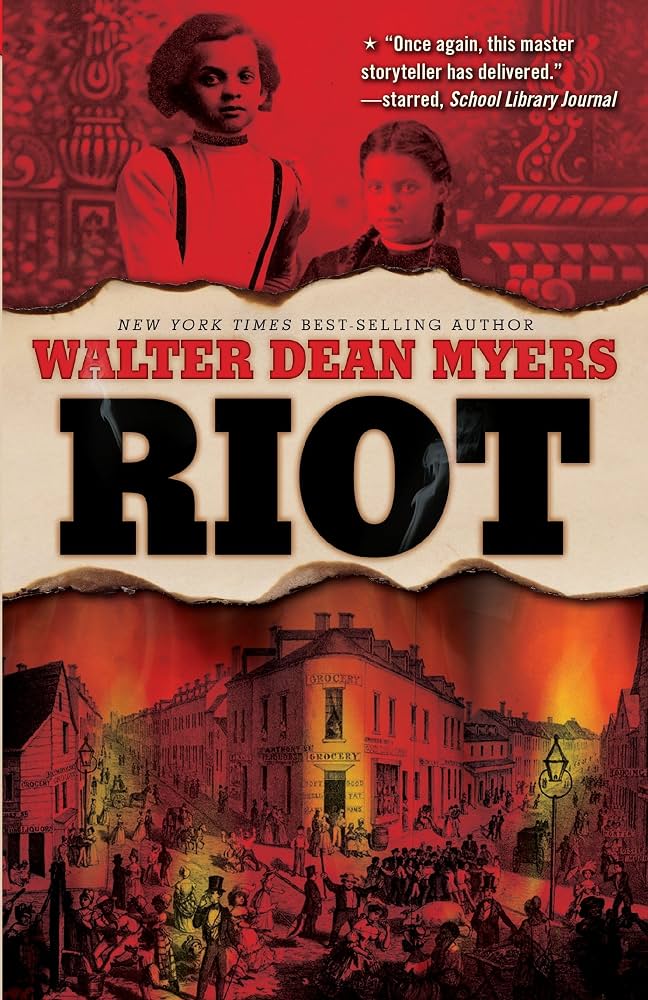
By 1863, Lincoln, his army desperate for more soldiers, has instituted a draft. The wealthy, by paying a waiver, can avoid service; the poor cannot – and New York City erupts in violent protests. In Riot by Walter Dean Myers (Carolrhoda, 2011), teenage Claire, daughter of a black father and an Irish mother, finds herself caught between two sides. For ages 12-18.

Harold Keith’s Rifles for Watie (HarperTeen, 1987), a Newbery Medal winner, is the story of sixteen-year-old Jeff Bussey who joins the Union Army in 1861 – and finds that war is far more than he bargained for. For ages 13 and up.

Stephen Crane's The Red Badge of Courage (many editions). originally published in 1895 and now a classic, is the story of a young Civil War private who runs from the battlefield - and then, ashamed, hopes to be wounded, to acquire a "red badge of courage." Reviews waffle between "brilliant" and "awful" - though it's said to give a close-to-being-there description of what it was like to fight in the Civil War. For ages 13 and up.

Margaret Mitchell’s romantic classic Gone with the Wind (Scribner, 2011) is the story of Scarlett O’Hara – beautiful, selfish, spoiled, and brave – raised in luxury on a plantation and then plunged into the horrors of the Civil War. For ages 13 and up.

The 1939 movie version of Gone With the Wind, starring Vivien Leigh as Scarlett and Clark Gable as Rhett Butler, is rated PG. Spectacular to view; just don't depend on it for an accurate picture of slavery or the Ku Klux Klan.
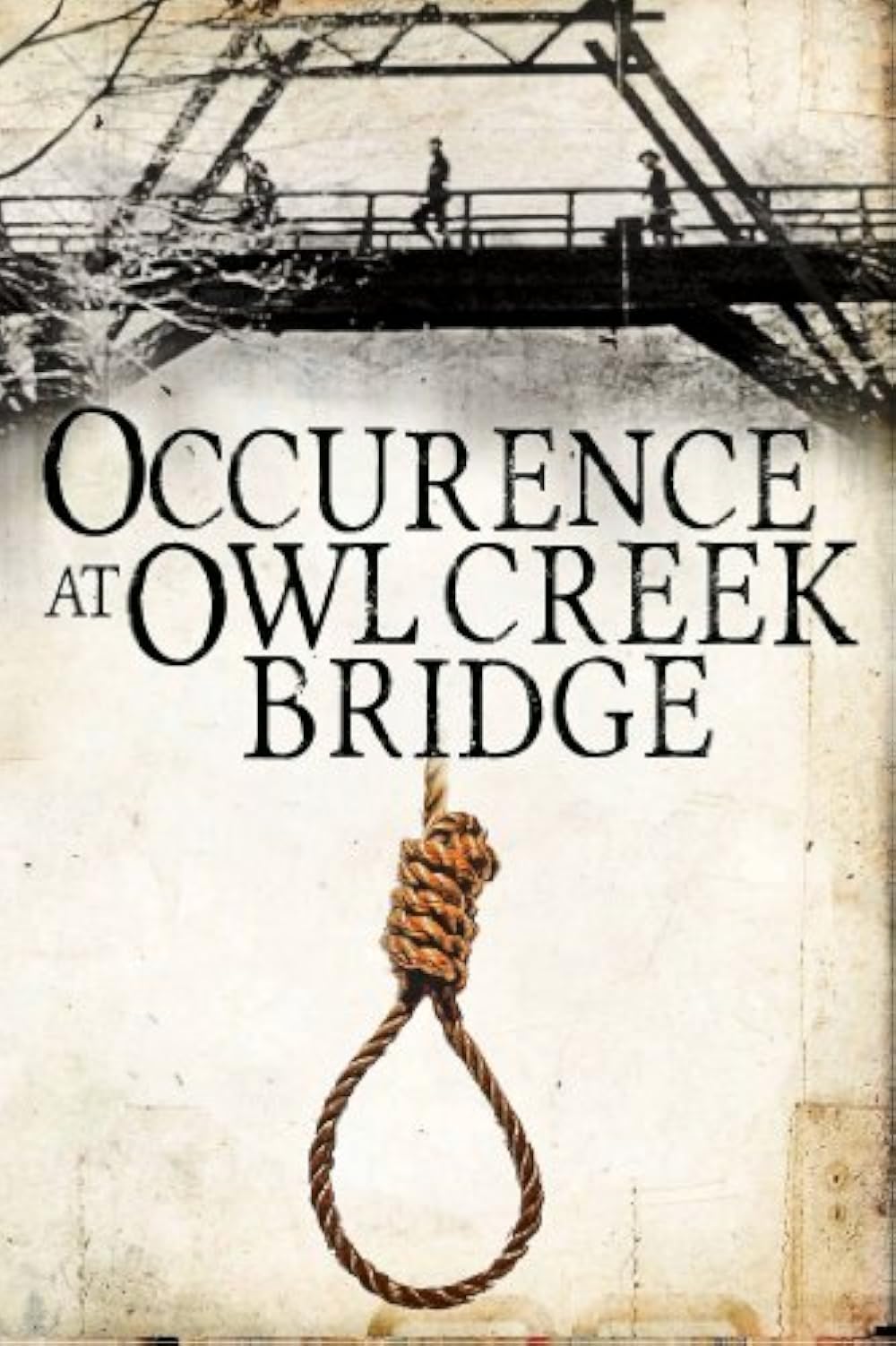
Ambrose Bierce’s “An Occurrence at Owl Creek Bridge” is a short story originally published in 1890 – often included on high school reading lists as an early example of stream-of-consciousness narrative. Set during the Civil War, this is the story of Peyton Farquhar, arrested by Union troops for attempting to burn down the Owl Creek railroad bridge.
Read it at https://americanliterature.com/author/ambrose-bierce/short-story/an-occurrence-at-owl-creek-bridge.
For a video version, see https://vimeo.com/91150431.

Michael Shaara’s Pultizer-Prize-winning The Killer Angels (Ballantine Books, 1996) is a brilliant historical novel, a dramatized account of the four days of the Battle of Gettysburg. A superb read for teens and adults.
Based on the book, the 1993 movie Gettysburg is rated PG. See https://www.imdb.com/title/tt0107007/.
From Carol Hurst’s Literature Site, The Civil War in Children’s Literature is an overview of recommended books with Civil War themes, with some extension suggestions.
Civil War Lesson Plans

From the American Battlefield Trust, The Civil War Curriculum is a lesson plan collections, categorized by Elementary, Middle, and High School. Sample titles: “Civil War Animal Mascots,” “Civil War Reader’s Theater,” Map the Civil War,” “Uncle Tom’s Cabin,” and “Civil War Medicine.”

Teachnology’s Civil War Lesson Plans is a long list, including such titles as “Civil War Battle Map,” “Deciphering Morse Code,” “The Cost of War,” and more.
From the American Library Association, Making Sense of the Civil War at https://www.ala.org/tools/programming/ltai/civil-war has book and resource lists, programming suggestions, and links to online exhibits.

From inventive teacher Mr. Donn, Civil War has a collection of lesson plans and unit studies, most targeted at elementary- and middle-grade-level students.

From Ducksters, see The Life of a Civil War Soldier.
From PBS, Teaching the Civil War has a range of resources, categorized by grade, on the causes, times, and conduct of the Civil War.
Projects and Activities

Dover Publications sells several inexpensive annotated coloring books with Civil War themes, among them The Story of the Civil War Coloring Book, Civil War Uniforms Coloring Book, From Antietam to Gettysburg: A Civil War Coloring Book, Famous Women of the Civil War Coloring Book, and (for fans of Scarlett O’Hara) Civil War Fashions Coloring Book.

For paper-doll fans, Dover Publications has several Civil-War-era books, among them American Family of the Civil War Era, Southern Belles, and Abraham Lincoln and His Family.

Maxine Anderson’s Great Civil War Projects You Can Build Yourself (Nomad Press, 2005) is divided into two major sections: “On the Battlefield” and “On the Homefront.” Battlefield projects include making a Civil War bugle – you’ll need a garden hose, duct tape, and a funnel; constructing a pinhole camera (while learning all about famous photographer Matthew Brady); building a model ironclad and paddlewheeler; making a periscope and a working telegraph; stitching a signal flag and learning how to send messages with it; cooking a batch of hardtack; and making your own Union or Confederate uniforms. (First visit a thrift shop to look for old blue or gray suit jackets, Anderson suggests.)
Homefront projects are equally inventive, among them making berry ink and homemade paper; stitching a four-patch quilt and a rag doll; making dried apples and molasses taffy; designing a Scarlett-O’Hara-style fan; and constructing a banjo and an Underground Railroad lantern. Also included are a glossary and a resource list of books and web sites. For ages 8-12.

David C. King’s Civil War Days (Jossey-Bass, 1999) (subtitled “Discover the Past with Exciting Projects, Games, Activities, and Recipes) follows the lives of two children through the four seasons – 12-year-old Timothy Wheeler, an African-American boy from New York City, and 11-year-old Emily Parkhurst, a white girl from Charleston, South Carolina. Activities include making a pressed-flower scrapbook, a papier-mache bowl, and a yarn doll, learning Morse code, playing a game of mankala, and whipping up batches of hardtack and shortnin’ bread. For ages 8-12.
The Civil War on Film

Ken Burns’s nine-episode PBS series The Civil War is a masterpiece. Episodes are “The Cause” (1861), “A Very Bloody Affair” (1862), “Forever Free” (1862), “Simply Murder” (1863), “The Universe of Battle” (1863), “Valley of the Shadow of Death” (1864), “Most Hallowed Ground” (1864), “War is All Hell” (1865), and “The Better Angels of Our Nature” (1865). See the website for episode descriptions, video clips, classroom activities and lesson plans, resources, and more. Highly recommended.
Ten Best Civil War Movies runs the gamut from Gone With the Wind to Birth of a Nation, with descriptions.
Also see A Teacher's Guide to Civil War Movies.
From PBS’s American Experience, Death and the Civil War is an account of the appalling toll the war took. See the associated
Civil War by the Numbers.
Music and Poetry

Poet Stephen Vincent Benet’s John Brown’s Body (Ivan R. Dee, 1990) – described as “an epic blend of poetry and historical fiction” - won the Pulitzer Prize in 1929. It’s filled with wonderful characters, both real and fictional: Clay Wingate, aristocrat from Georgia; Sally Dupre, daughter of a French dancing-master; Jake Diefer, the barrel-chested Pennsylvania farmer; Jack Ellyat, a scholar from Connecticut; and Melora Vilas, raised in the wilderness by her father – a “hider” - who wanted only to avoid the war. A wonderful read; highly recommended for teenagers and adults.

By Jay Ungar and Molly Mason, who provided the soundtrack for Burns’s The Civil War,
Poetry and Music of the War Between the States has many examples, categorized under Union or Confederacy.