
THE AMERICAN REVOLUTION
In this collection
Nonfiction
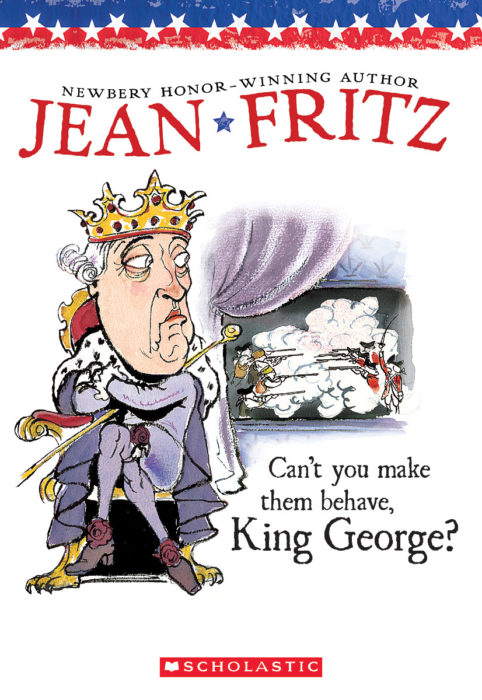
Jean Fritz – an author to remember – has written many excellent history books for kids, all packed with human interest and the sort of stories that make history memorable. Titles set in the Revolutionary War era (Puffin, 1996) include Can’t You Make Them Behave, King George?, And Then What Happened, Paul Revere?, Where Was Patrick Henry on the 29th of May?, Will You Sign Here, John Hancock?, and Why Don’t You Get a Horse, Sam Adams? Recommended for ages 7-9.
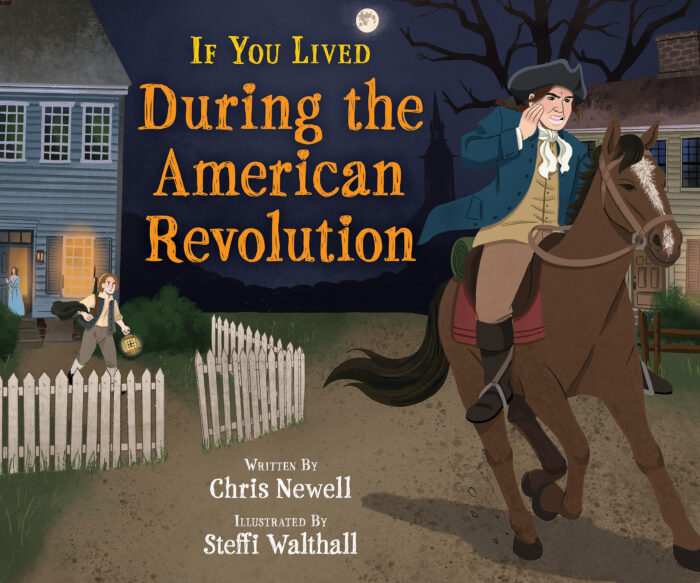
Scholastic’s popular If You series has been updated. These are still written in a question-and-answer format that can make for a chatty read, but the new versions tend more toward test-like quizzes. Rather than open-ended, discussion-promoting questions, Chris Newell’s If You Lived During the American Revolution (Scholastic, 2026) asks “What was the Sugar Act of 1764?” and “What was the Boston Tea Party?” For each question, there’s helpful background information. For ages 7-10.
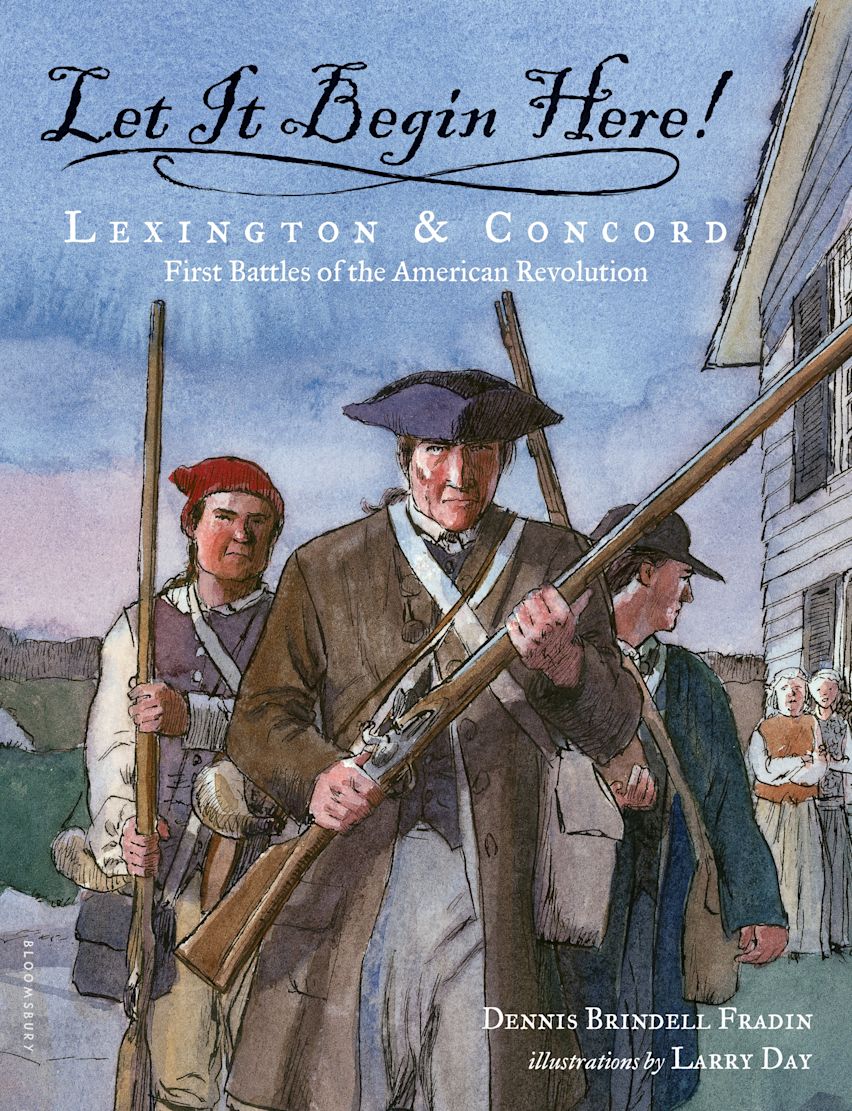
By Dennis Brindell Fradin, Let It Begin Here! (Bloomsbury, 2009) is a step-by-step account of the 24 hours leading up to the Battle of Lexington and Concord. For ages 7-10.
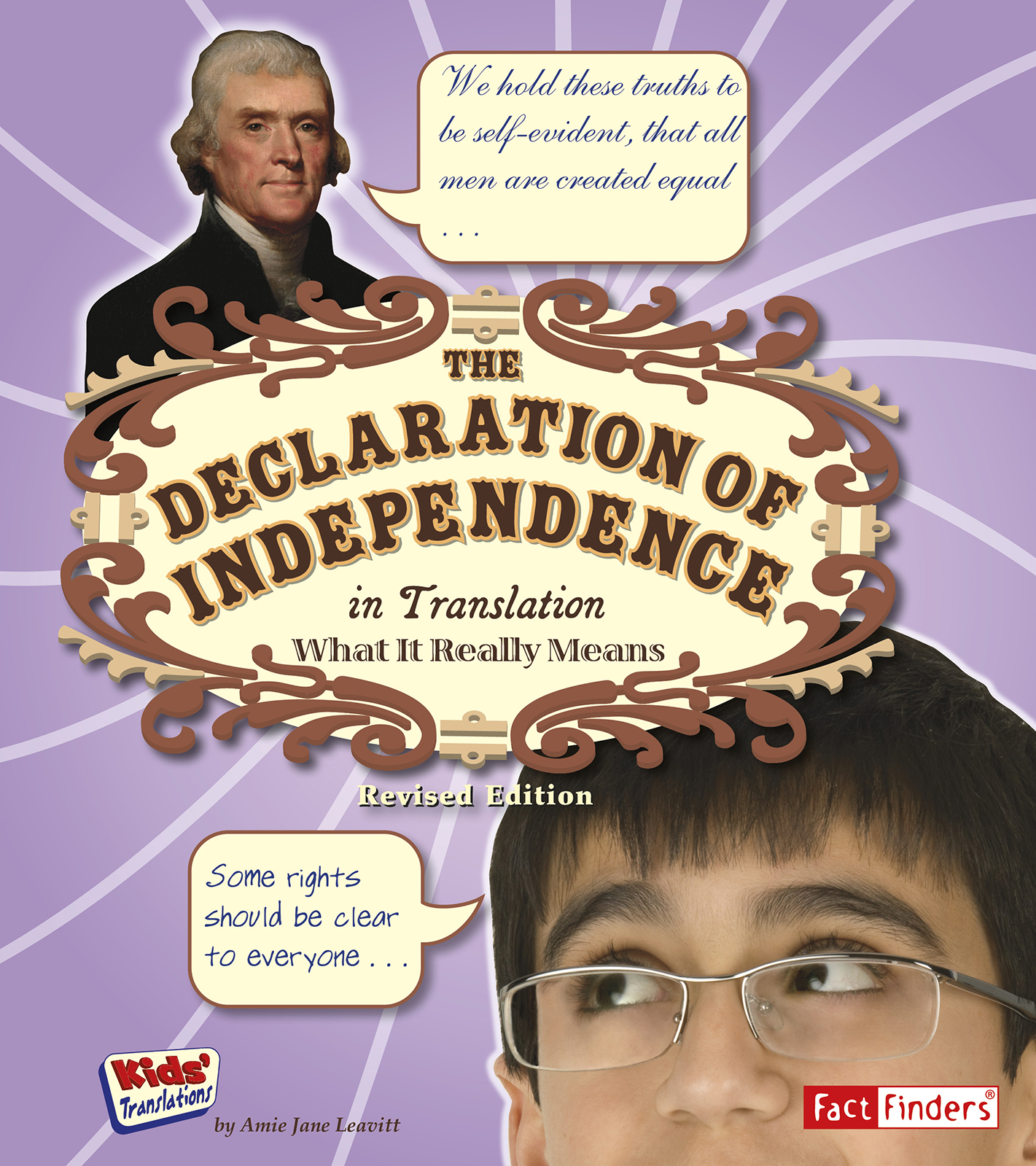
By Amie Jane Leavitt, The Declaration of Independence in Translation (Capstone, 2016) is a cleverly designed explanation of this landmark document in straightforward kid-friendly language. (Just what are “inalienable rights” anyway?) For ages 8-10.
Also see Elaine Landau’s The Declaration of Independence (Children’s Press, 2008) in the True Book series, a short illustrated account for ages 6-9.
Read the original Declaration at https://www.mountvernon.org/education/primary-source-collections/primary-source-collections/article/the-declaration-of-independence-july-4-1776.
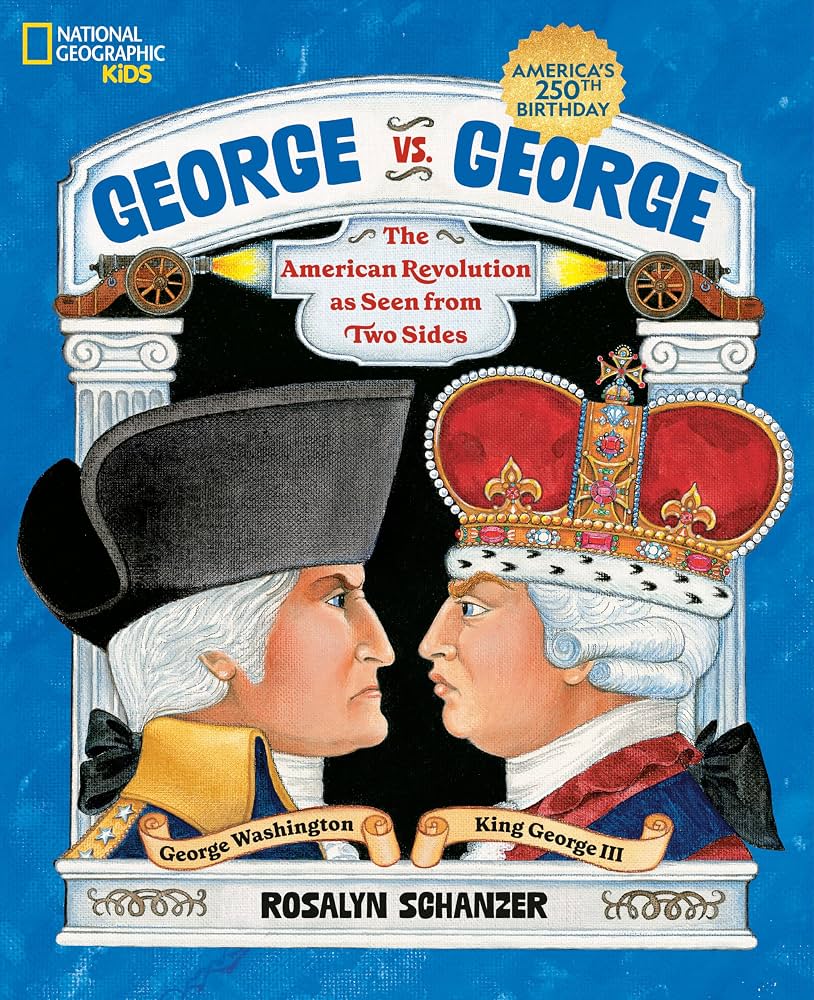
By Rosalyn Schanzer, George vs. George (National Geographic Kids, 2007) is a two-sided take on the American Revolution. Was George III a royal brute? Was George Washington a scurrilous traitor? For ages 8-11.
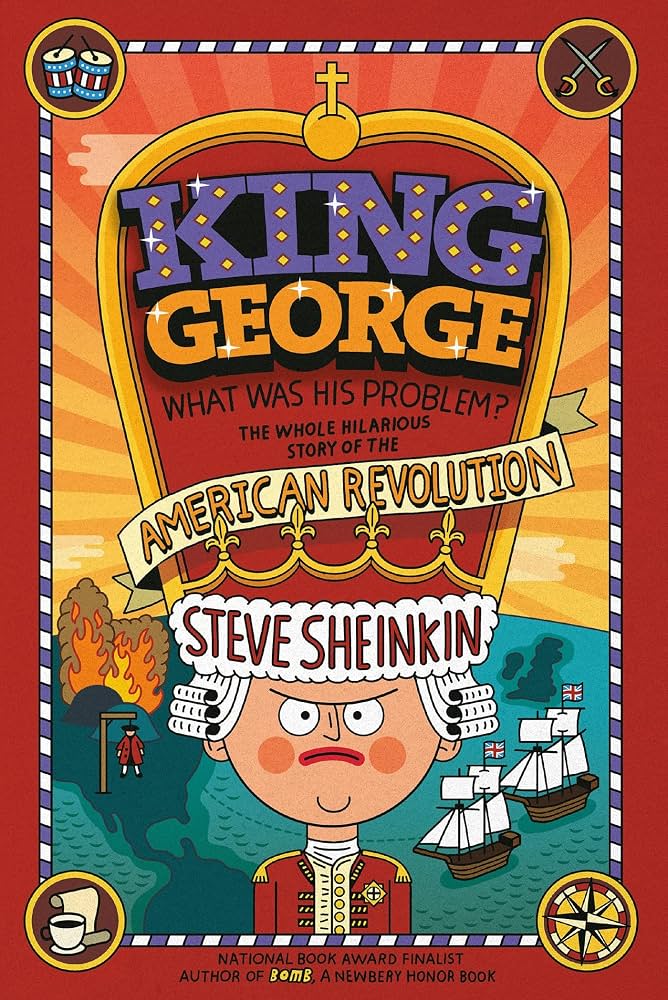
Steve Sheinkin’s King George: What Was His Problem? (Square Fish, 2015) is a thoroughly clever and fascinating account of the Revolution, complete with many out-of-the-ordinary facts – for example, find out about the naked soldiers at the Battle of Eutaw Springs. An irresistible read for ages 9 and up.
Steve Sheinkin used to be a textbook writer which, he explains, taught him what not to do when writing about history for kids.
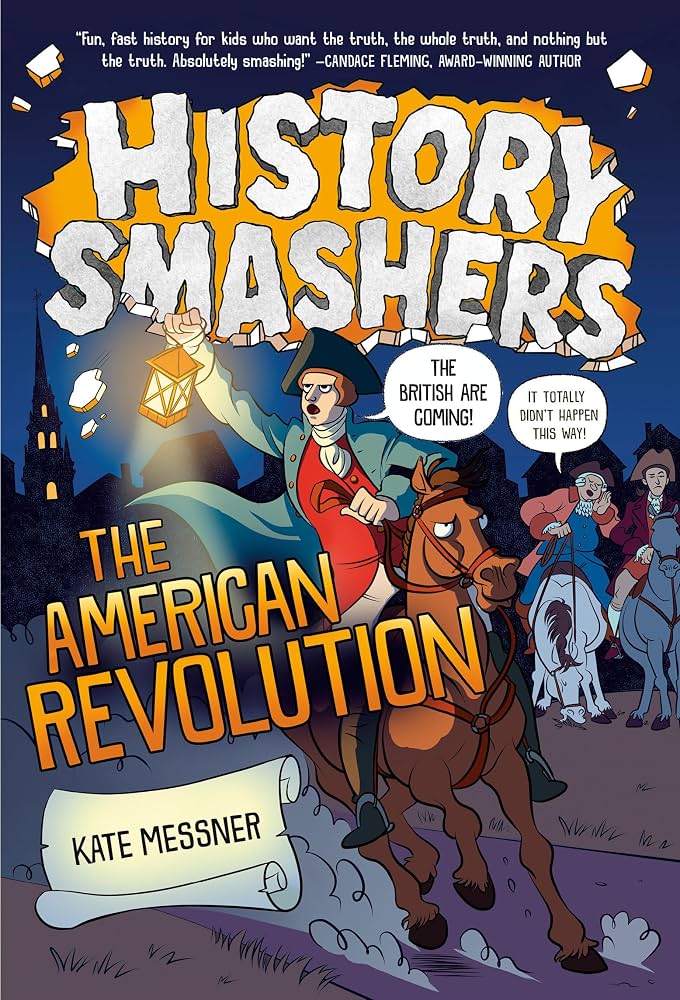
Kate Messner’s History Smashers: The American Revolution (Random House, 2021), one of a series, covers the Revolution with a mix of illustrations, graphic panels, sidebars, and photos. Prepare: some of the things you believed about history are about to be smashed. For ages 8-11.
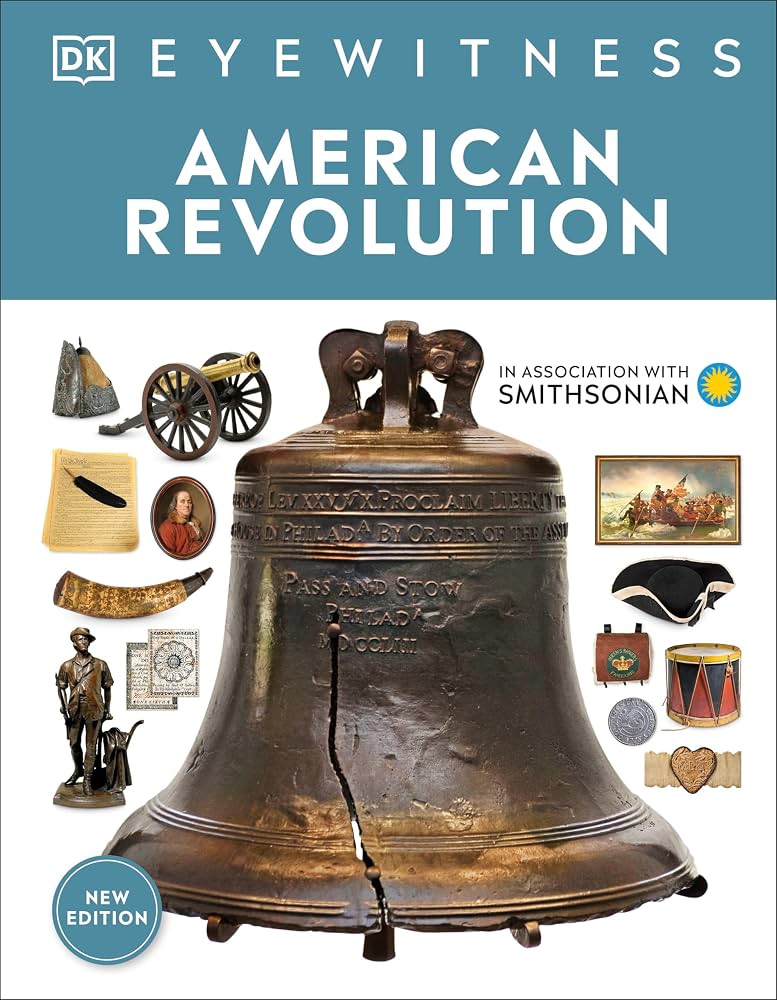
In the Eyewitness series, American Revolution (DK, 2022) covers all aspects of the Revolution with wonderful illustrations, including maps, period prints, and photographs of artifacts. Each double-page spread features a different topic: titles include “Victory at Saratoga,” “Winter soldier,” “The war at sea,” “The home front,” and “A new nation emerges,” For ages 8-12.
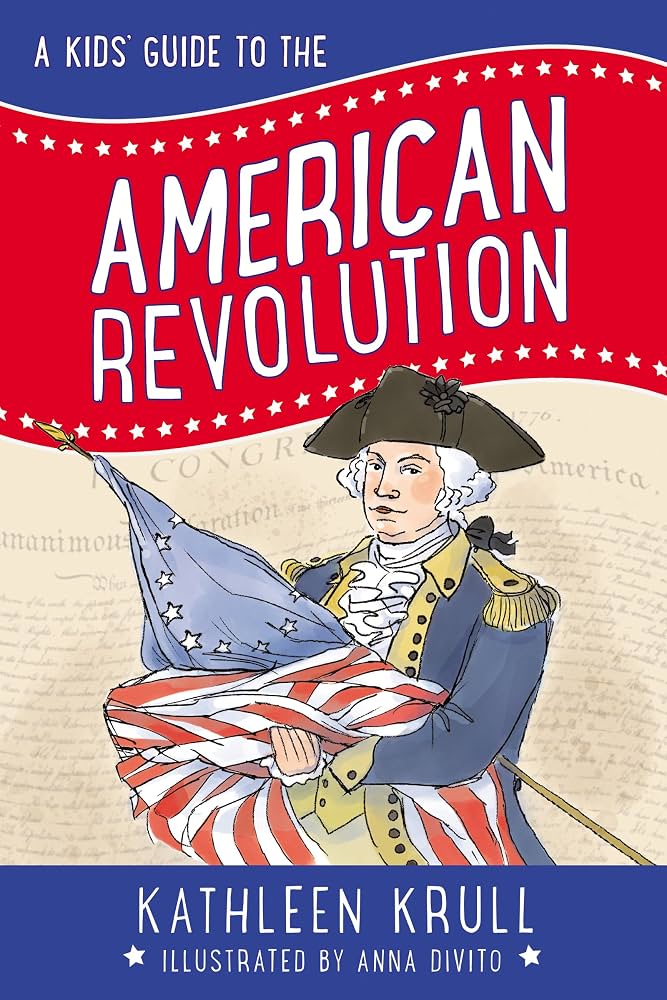
By Kathleen Krull, A Kid’s Guide to the American Revolution (HarperCollins, 2018) is an illustrated overview featuring a reader-friendly text, anecdotes, fact boxes, and quotations. Chapters include “The Notorious Thirteen Colonies,” “Weirdest Tea Party Ever,” “The First Shots,” and “The World Turned Upside Down.” For ages 8-12.
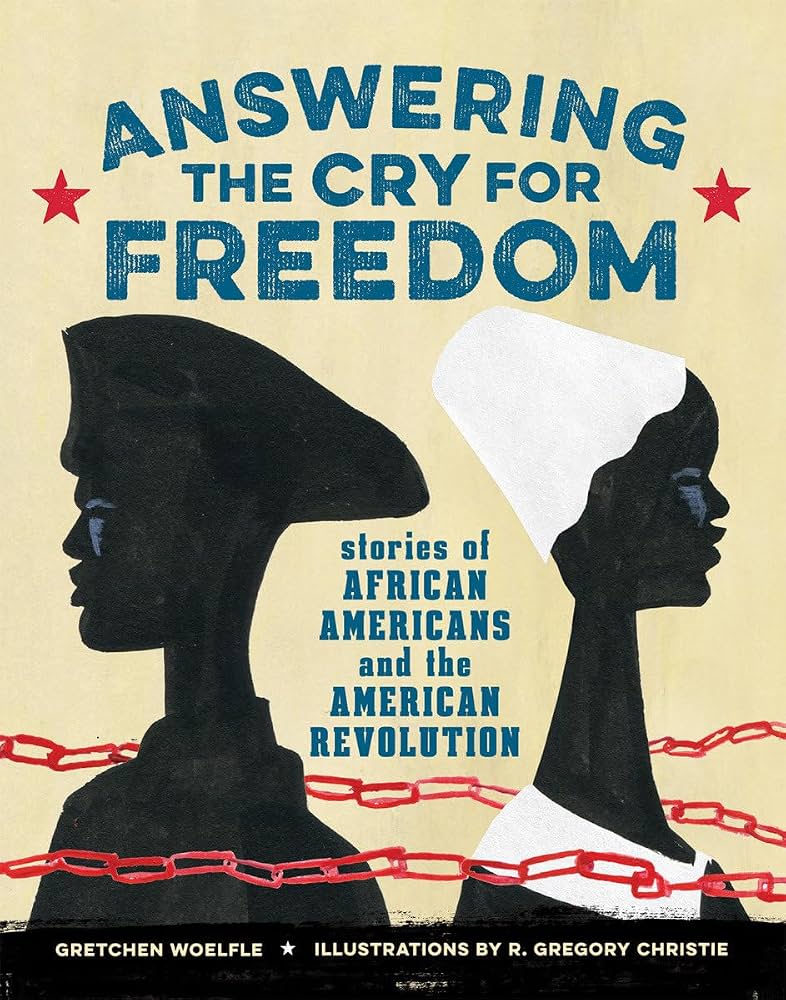
The story of America includes both ideals of freedom and equality – and the oppressive legacy of of slavery. Gretchen Woelfle’s Answering the Cry for Freedom: Stories of African Americans and the American Revolution (Calkins Creek, 2016) features thirteen African Americans who answered the cry for freedom – often without winning it for themselves - among them Boston King, James Amistead Lafayette, Phillis Wheatley, Ona Judge, and Sally Hemings. For ages 9-12.
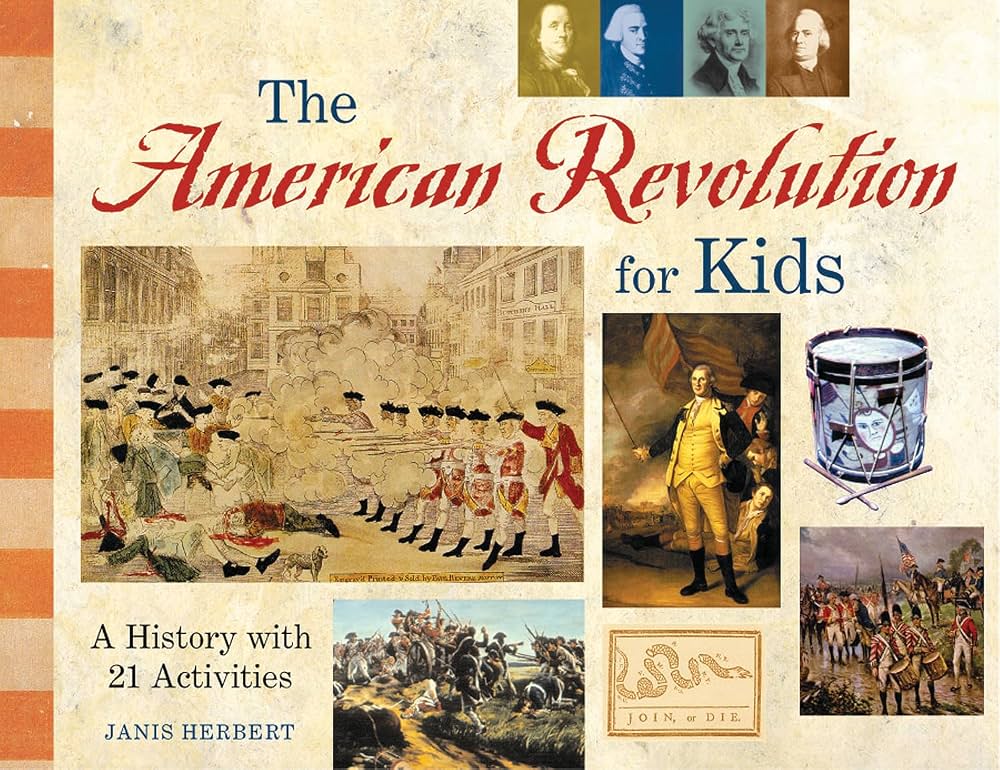
By Janis Herbert, The American Revolution for Kids (Chicago Review Press, 2002) combines a historical overview with a timeline, capsule biographies, period prints, and 21 hands-on activities, among them churning butter, brewing a batch of root beer, making a tricorn hat and a powder horn, and reenacting a Revolutionary battle. For ages 9-12.
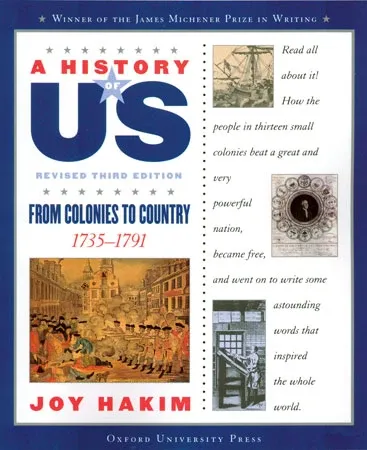
Joy Hakim’s acclaimed 11-volume The History of US (Oxford University Press, 2007) covers the history of the United States from the arrival of the first peoples to the present day. The books are fact-filled comprehensive accounts, illustrated with photos, maps, and period images; what differentiates them from the run-of-the-mill textbook, however, is that they read like engaging novels. Volume 3, From Colonies to Country 1735-1791 covers the American Revolution. For ages 9-13.
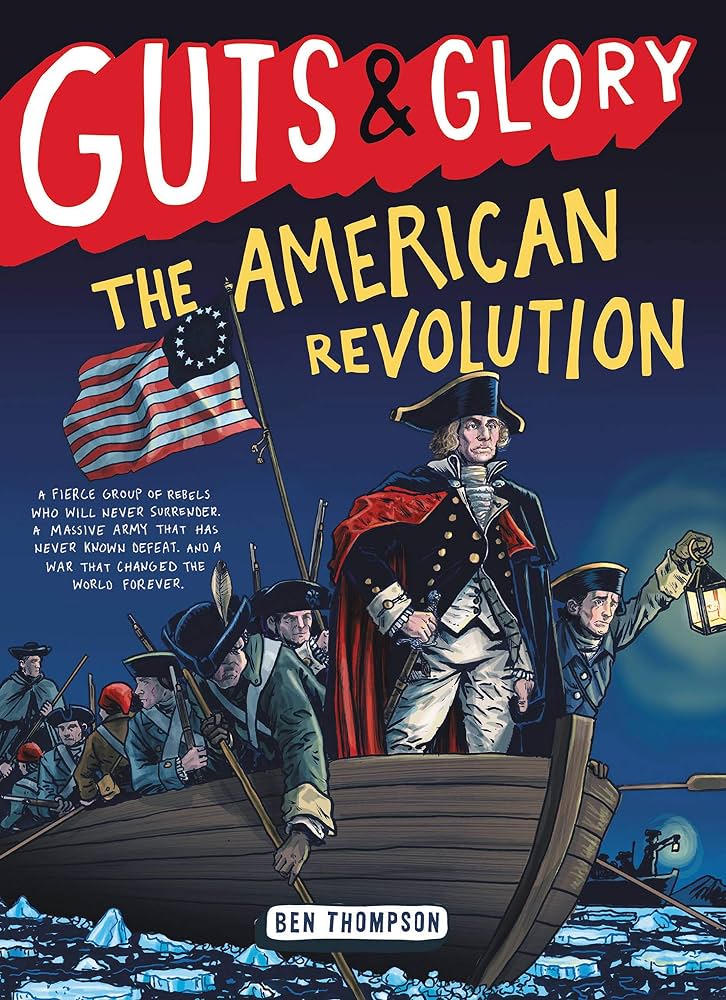
By Ben Thompson, Guts & Glory: The American Revolution (Little, Brown, 2019) is an action-packed account presented in the form of a lively story. Chapter one begins “The American Revolution began in the same place where many of the all-time greatest Dungeons and Dragons campaigns have started: a cool, old-school, wood-paneled tavern, lit by candles and full of all kinds of seedy outlaws.” The Guts & Glory series is generally recommended for ages 10-13.
Fiction
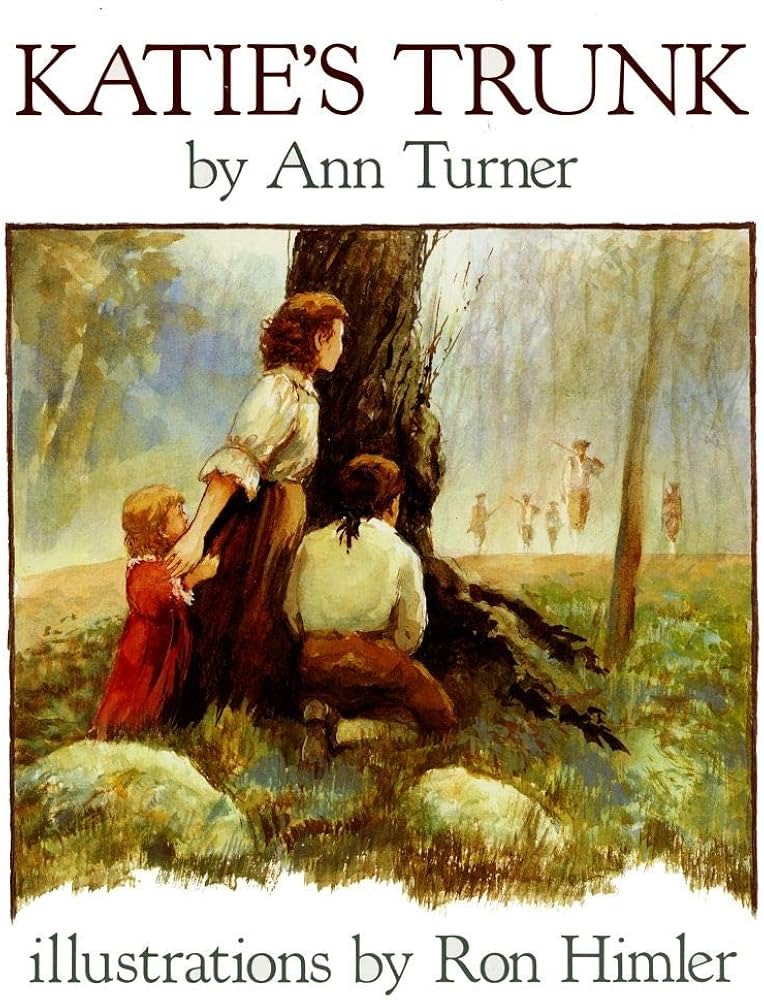
There are two sides to every story – and Loyalist families during the Revolution were often attacked for their beliefs. In Ann Turner’s Katie’s Trunk (Aladdin, 1997), the story of a Tory family during a rebel raid, young Katie – who can’t understand why all their neighbors have turned against them – hides in her mother’s wedding trunk. For ages 5-8.
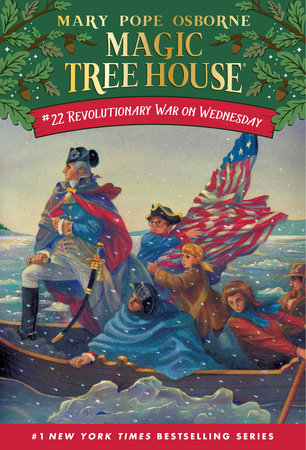
From Mary Pope Osborne’s time-traveling Magic Tree House series, in Revolutionary War on Wednesday (Random House, 2000) Jack and Annie are sent back to 1776 where they meet George Washington on the banks of the Delaware River in Pennsylvania. For ages 6-9.
Pair with the companion Magic Tree House Fact Tracker: American Revolution (Random House, 2004), which includes illustrated historical information for the same age group.
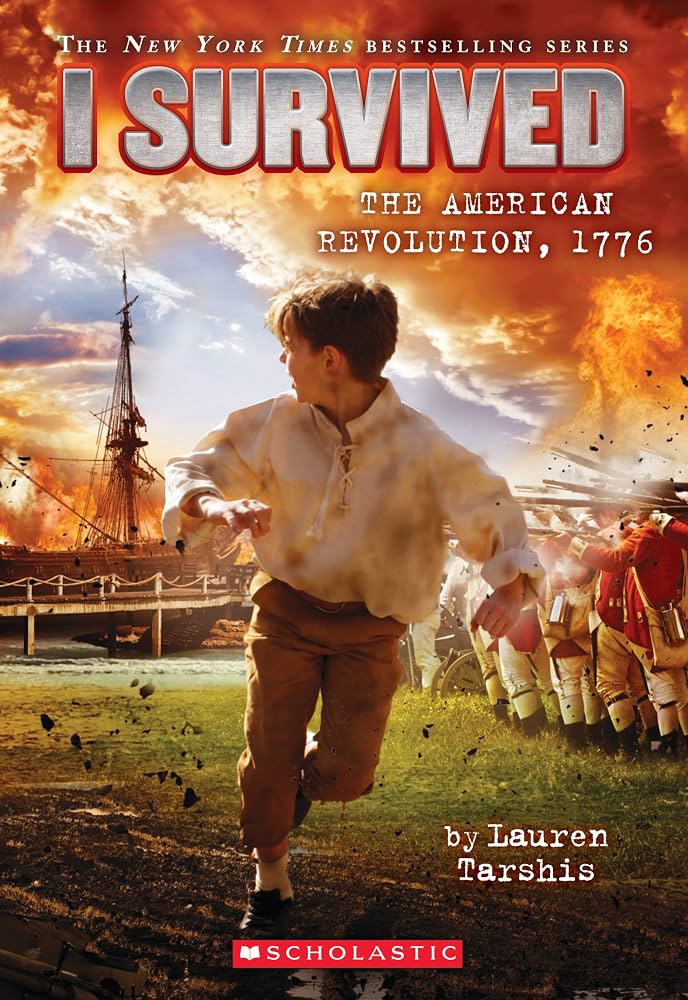
One of the I Survived series by Lauren Tarshis, in I Survived the American Revolution, 1776 (Scholastic, 2017), 11-year-old Nathaniel runs away from his cruel uncle and ends up in New York City during the battles between the British and the American rebels. An exciting read for ages 7-10.
Also see the graphic-novel version of the book (Graphix, 2023).
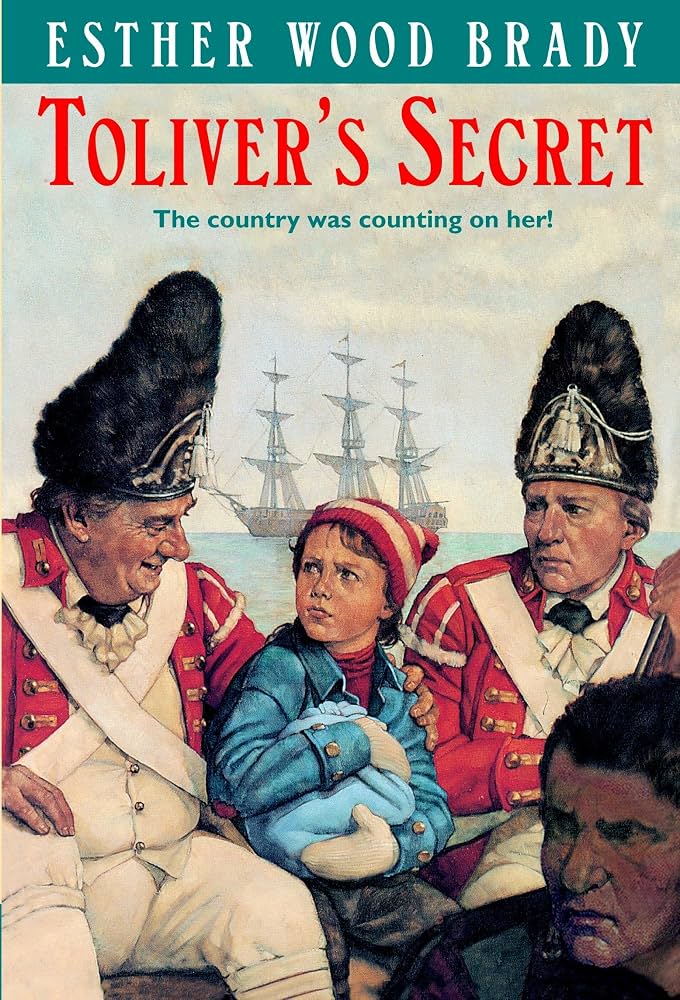
By Esther Wood Brady, in Toliver’s Secret Yearling, 1993), 10-year-old Ellen’s grandfather is injured – so Ellen disguises herself as a boy and replaces him on a secret mission, smuggling a message to General Washington. For ages 8-12.
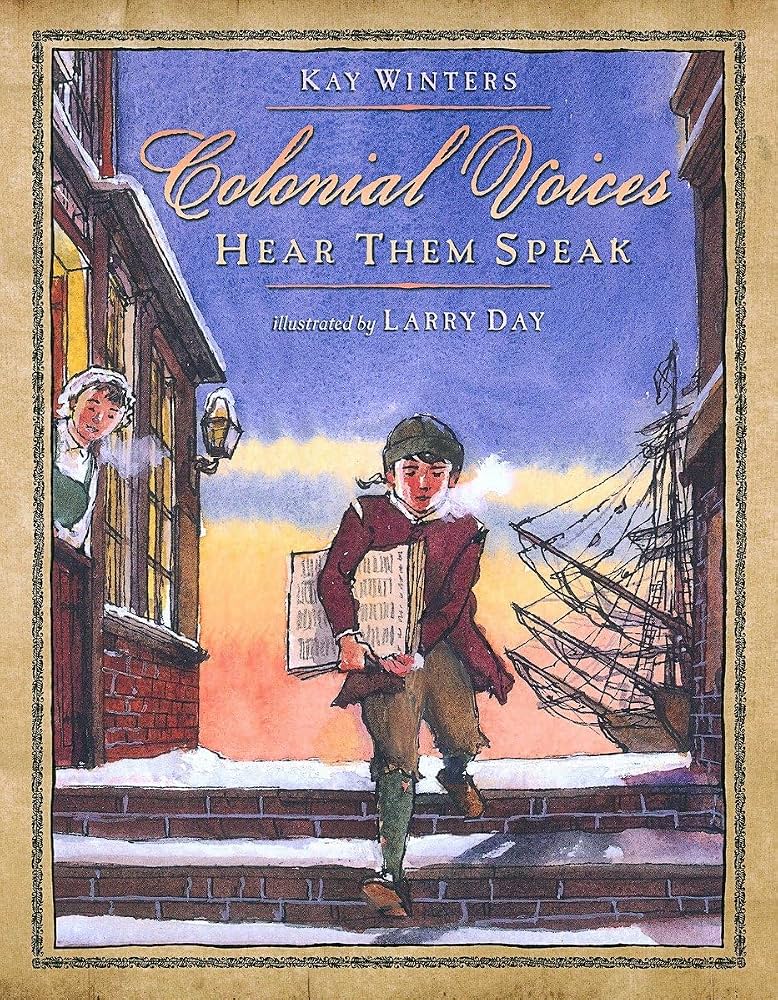
By Kay Winters, Colonial Voices: Hear Them Speak (Puffin, 2015), a beautifully illustrated story in verse, covers the leadup to the Revolution from many different points of view as Ethan, a printer’s errand boy, runs through town delivering a message. For ages 9-12.
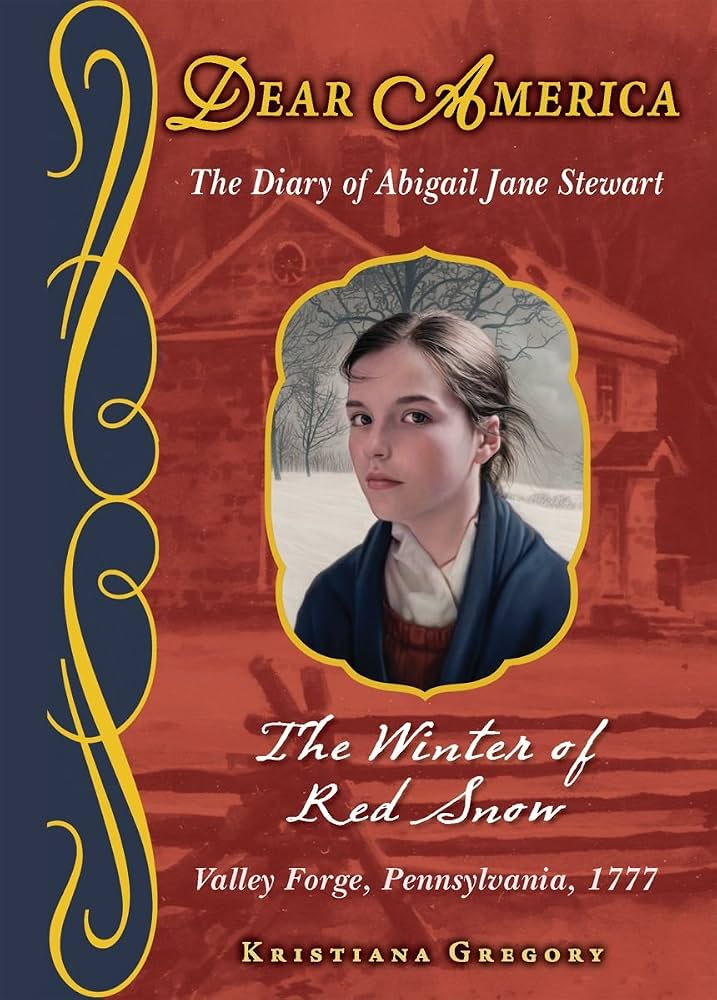
In the Dear America series, all fictionalized diaries of girls from various periods in history, Kristiana Gregory’s The Winter of the Red Snow (Scholastic, 2026) is the story of Washington’s winter encampment at Valley Forge, as told by 11-year-old Abby Stewart. For ages 9-12.
In the My Name Is America series, see Jim Murphy’s The Journal of William Thomas Emerson, A Revolutionary War Patriot (Scholastic, 1998), the fictionalized diary of 12-year-old Will, an orphan in colonial Boston, who joins the patriot movement. For ages 9-12.
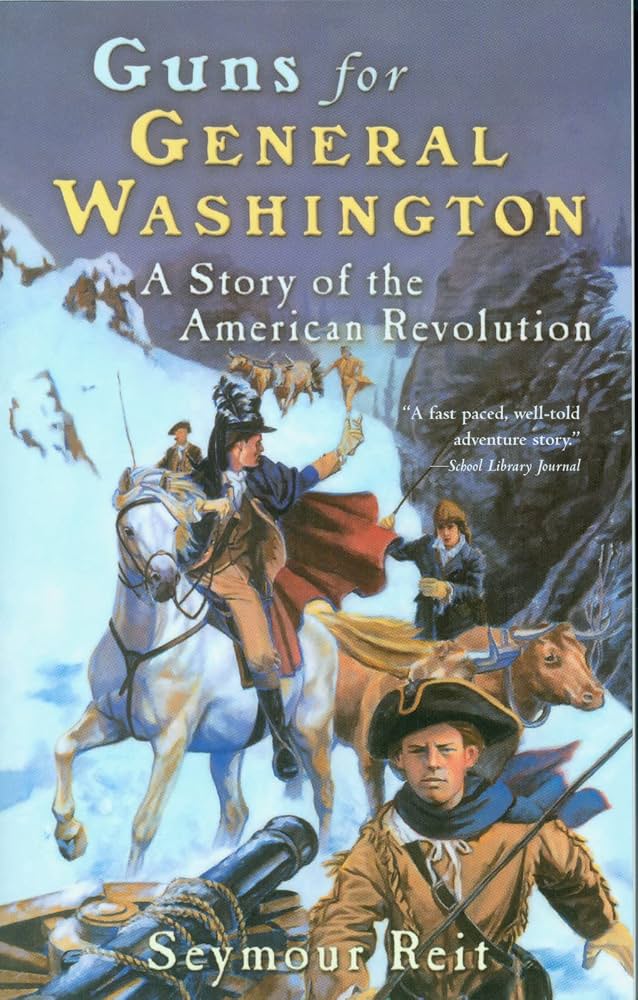
By Seymour Reit, Guns for General Washington (Clarion, 2001) is the fictionalized story of young Will Knox who, in the winter of 1775, helped transport the cannons from New York’s Fort Ticonderoga to Boston to help George Washington battle the British. An exciting read for ages 9-12.
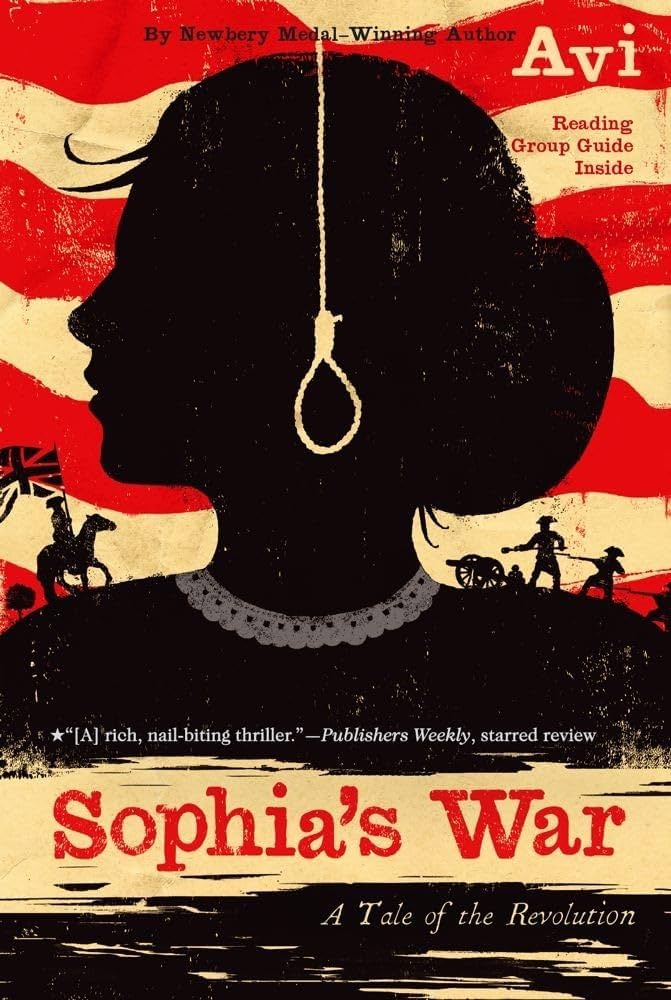
By Avi, Sophia’s War (Beach Lane Books, 2026) is the story of young Sophia Calderwood who, horrified by the execution of Nathan Hale, goes to work as a maid in the home of British commander General Clinton – and acts as a spy for the American cause. For ages 10-12.
(See SPIES, below.)
Also by Avi, see The Fighting Ground (HarperCollins, 1994) in which 13-year-old Jonathan joins the colonial militia in the fight for American independence – and finds that war is not what he expected. For ages 9-12.
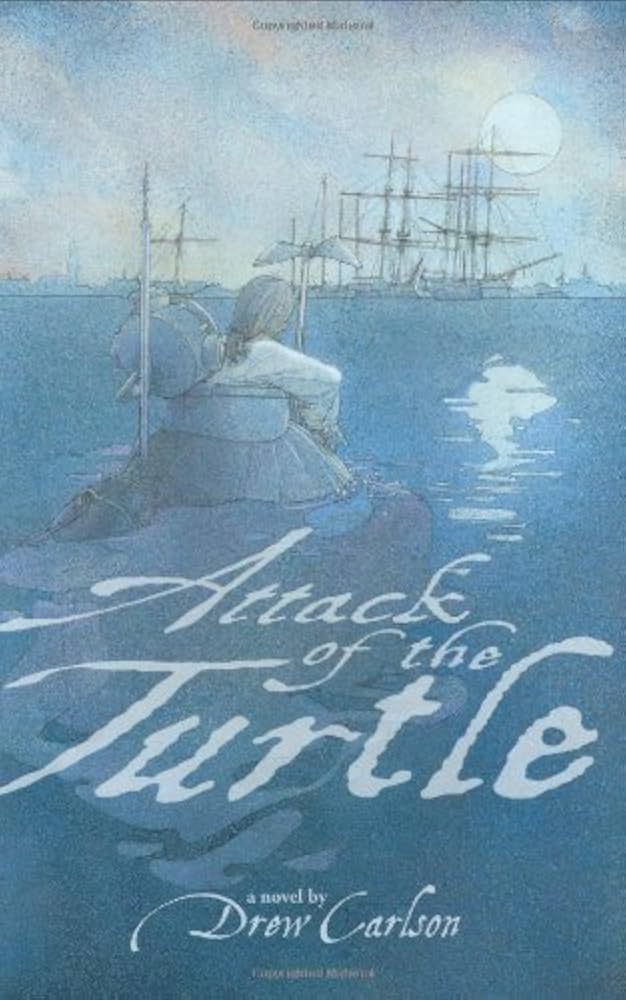
In Drew Carlson’s Attack of the Turtle (Eerdmans Books, 2008), 14-year-old Nathan – though he’s terrified of water – ends up helping his cousin David Bushnell, who has invented an early submarine, the American Turtle, that he plans to launch against the British warships in New York harbor. Based on actual historical events for ages 9-14.
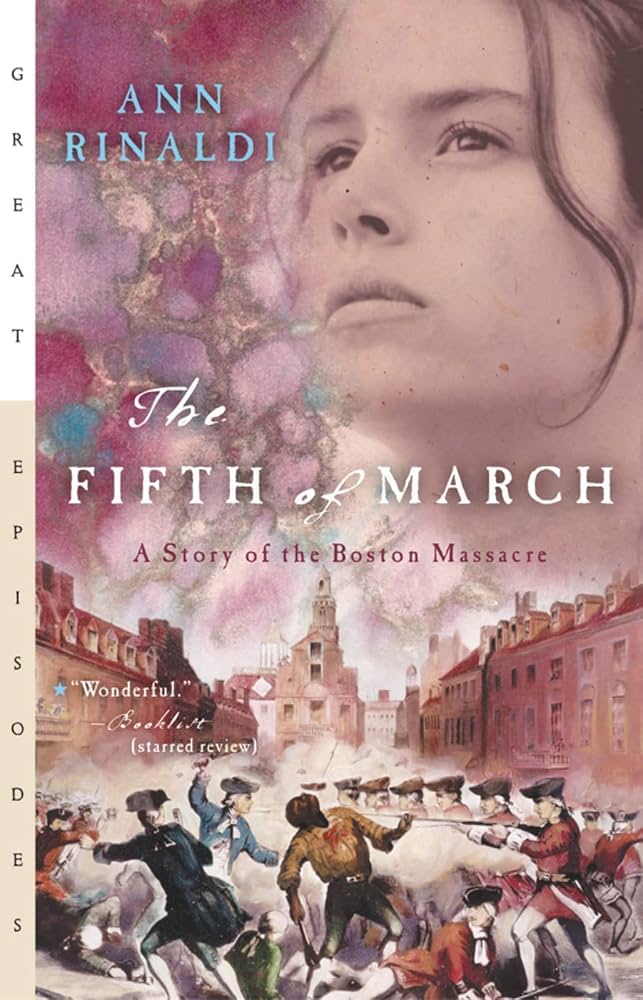
Ann Rinaldi’s The Fifth of March (Clarion, 2004) is the story of the Boston Massacre as seen through the eyes of Rachel Marsh, 14-year-old indentured servant to John and Abigail Adams. A great read for ages 10-12.
Rinaldi has written several other historical novels for the same age group set during the Revolutionary War, among them Cast Two Shadows: The American Revolution in the South (Clarion, 2004); The Secret of Sarah Revere (Clarion, 2003); and Finishing Becca (Clarion, 2004), a story about Peggy Shippen and Benedict Arnold.
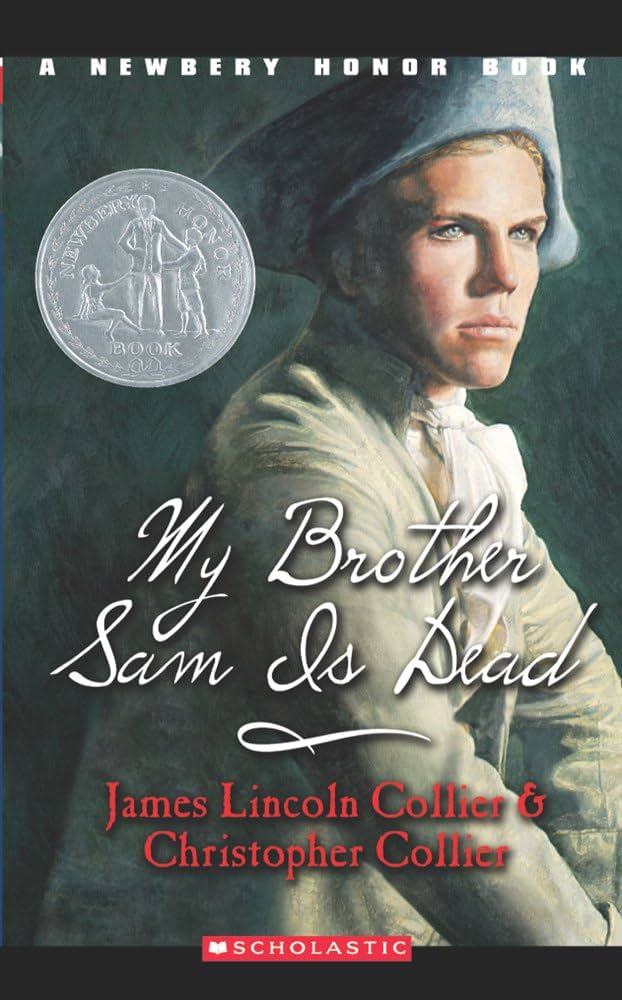
By James Lincoln Collier, My Brother Sam Is Dead (Scholastic, 2005) is the story of young Tim Meeker, torn between his brother Sam, a supporter of the American Revolution, and his father, a Loyalist. A good discussion book for ages 10-13.
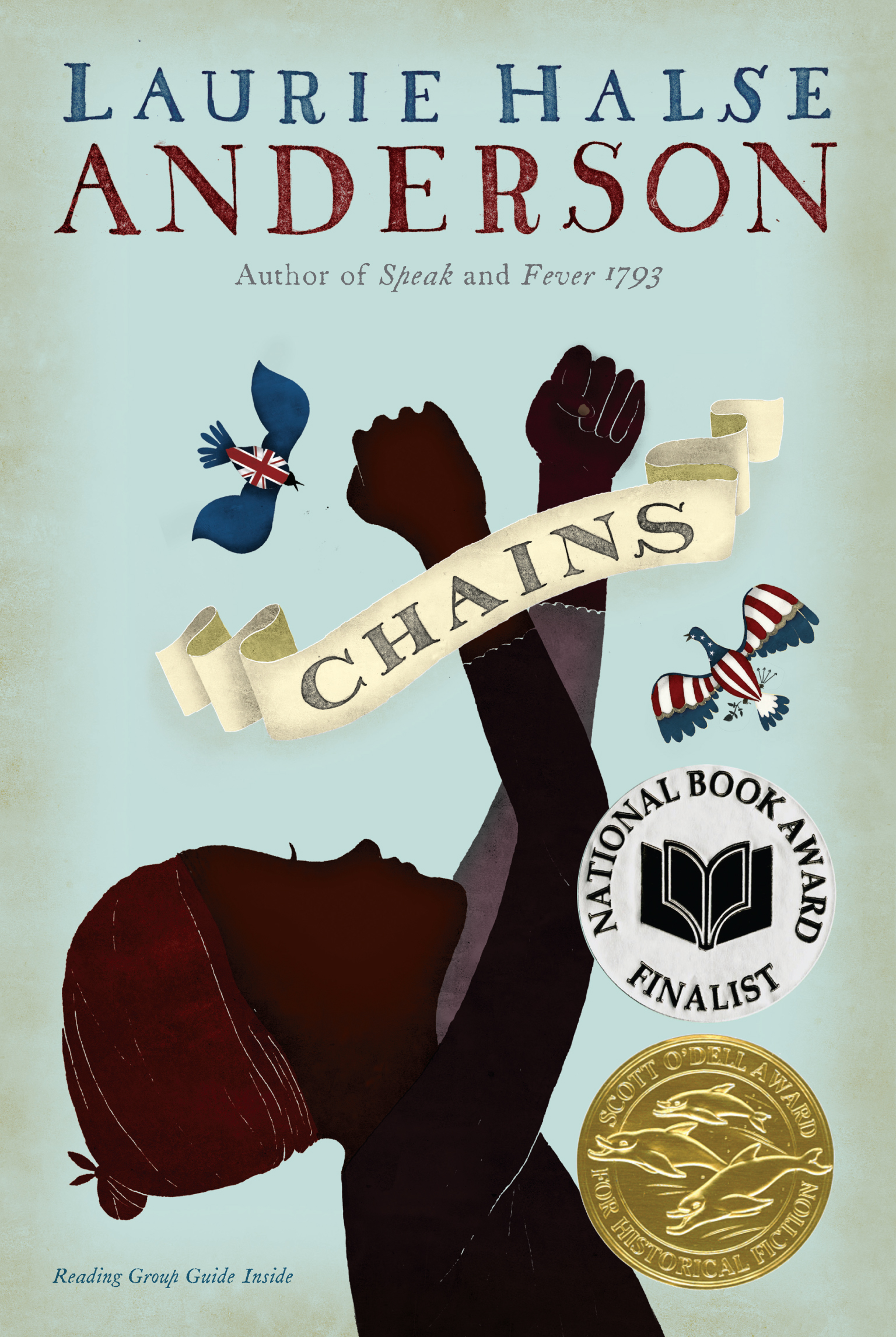
In Chains (Atheneum, 2010), the first of Laurie Halse Anderson’s Seeds of America trilogy, 13-year-old Isabel and her sister Ruth have been promised their freedom upon the death of their owner; instead they find themselves still slaves, the property of the Loyalist Locktons. Then Isabel meets Curzon, a slave in league with the Patriots, who convinces her to become a spy for the American cause. Subsequent titles are Forge and Ashes. For ages 10-13.
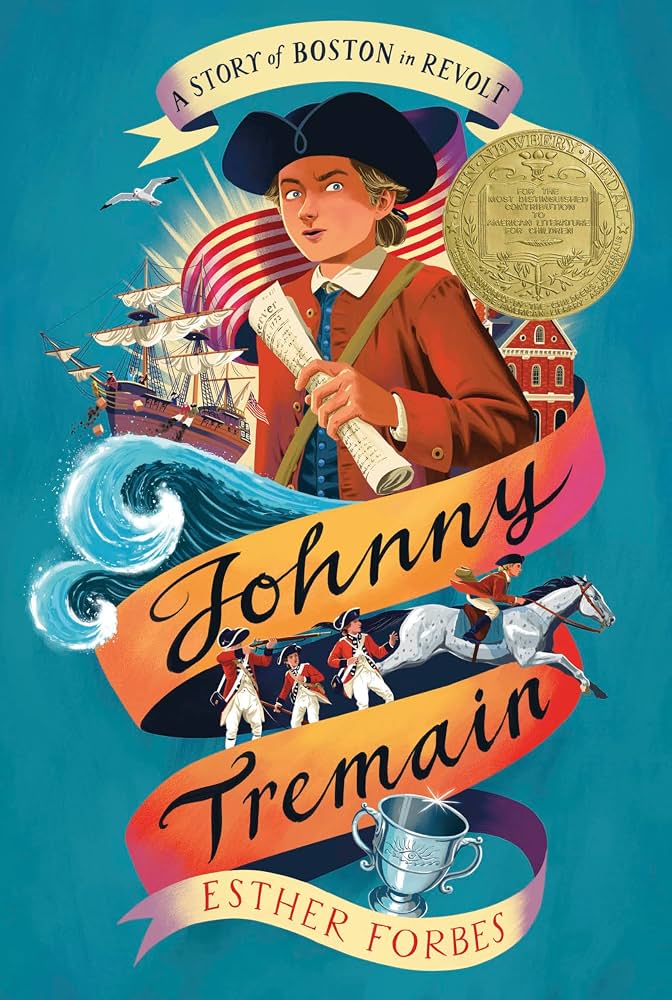
By Esther Forbes, Johnny Tremain (Clarion, 2011) – winner of the Newbery Medal in 1944 – is the story of the young silversmith’s apprentice who, after injuring his hand, becomes a messenger for the Sons of Liberty and is involved with many of the leading lights of the American Revolution, the Boston Tea Party, and the Battle of Lexington and Concord. A classic for ages 10-13.
The Disney movie version of Johnny Tremain (1957) is rated Approved. See https://www.imdb.com/title/tt0050567/.
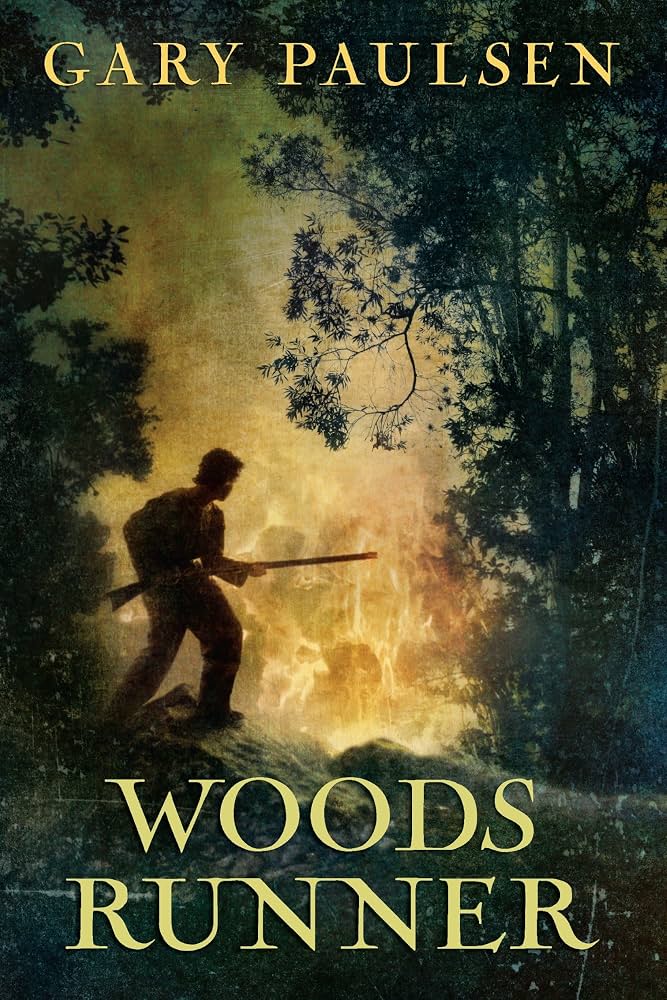
In Gary Paulsen’s Woods Runner (Wendy Lamb Books, 2011), the Revolutionary War seems far away from 13-year-old Samuel, growing up on the frontier – until his parents are taken away in an attack by British soldiers and Iroquois and Samuel sets out to save them. For ages 10-13.
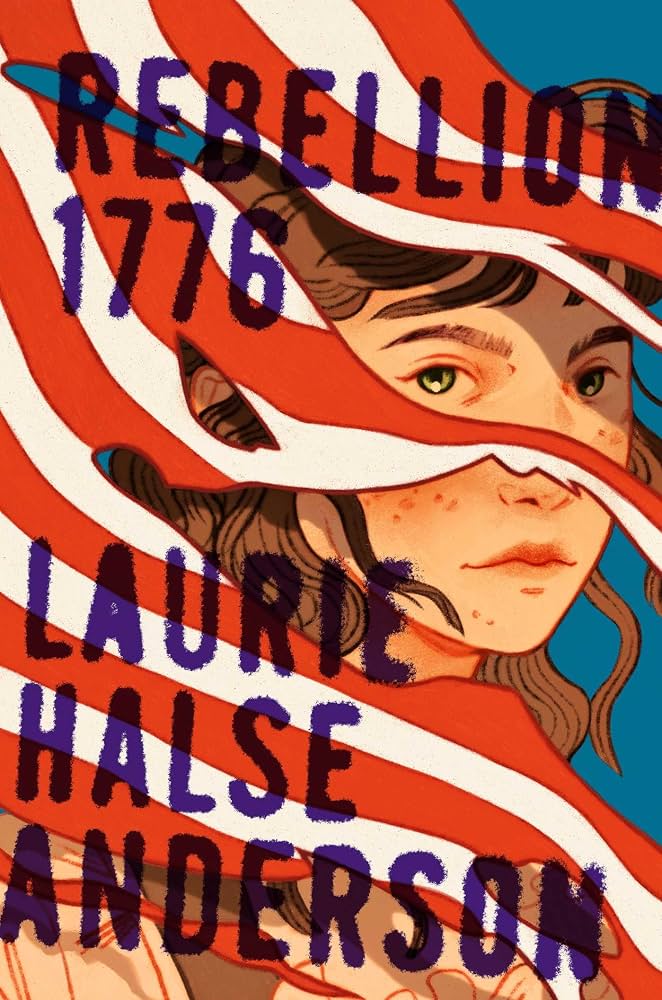
By Laurie Halse Anderson, Rebellion 1776 (Atheneum/Caitlyn Dlouhy Books, 2026) is set during the Siege of Boston. Thirteen-year-old Elsbeth’s father is missing and Elsbeth, doing her best to avoid the orphanage, has found work as a kitchen maid in the home of a wealthy Loyalist family. Then a smallpox epidemic sweeps through the city – and some beg for inoculation while others fear the process and refuse. For ages 10-14.
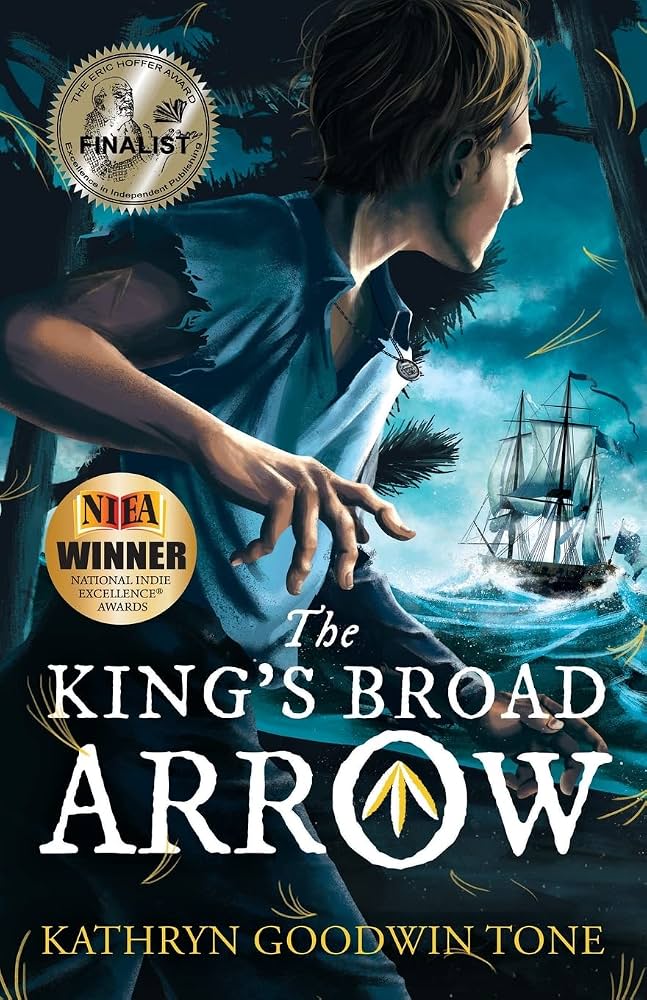
In The King’s Broad Arrow by Kathryn Goodwin Tone (Marron Press, 2020), young Sam Nevens has no desire to fight in the Revolution; he only wants to stay home, working on the family sawmill – until he’s captured and held on a British prison ship. For ages 11 and up.
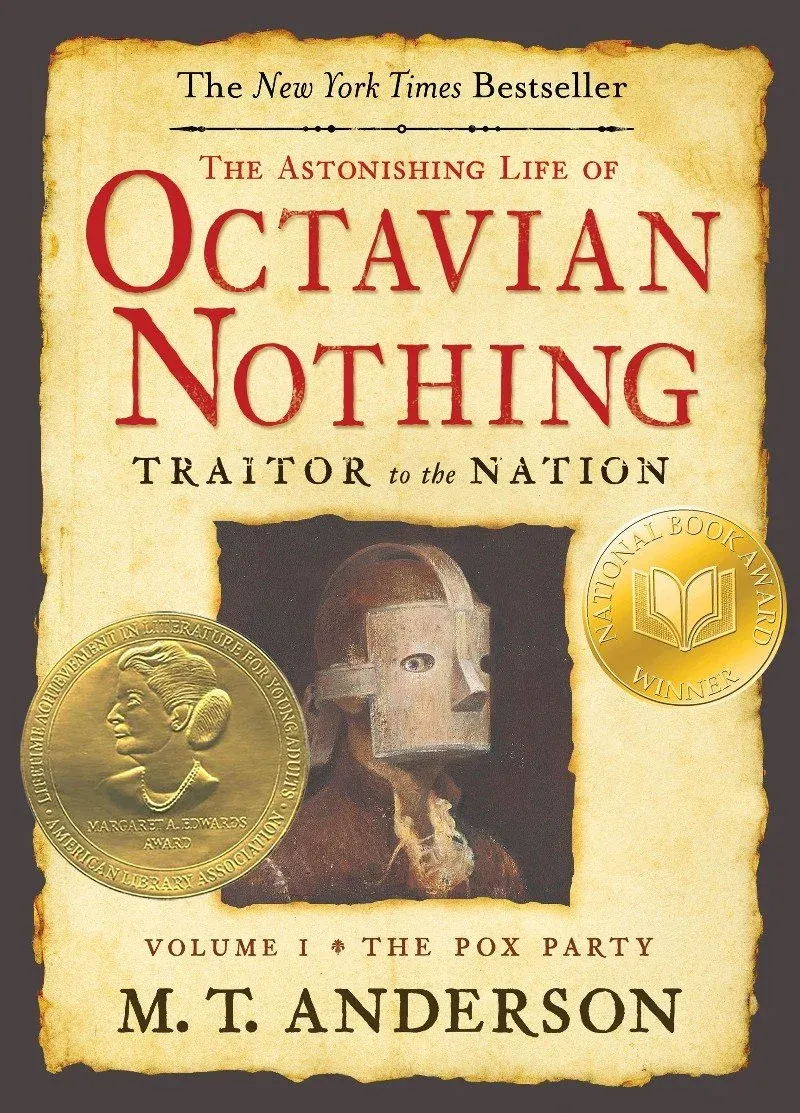
In M.T. Anderson’s The Astonishing Life of Octavian Nothing: The Pox Party (Candlewick, 2008), young Octavian is being raised by philosophers of the Novanglian Society, its members known only by numbers. When he learns the chilling truth about his situation – he’s a slave and the subject of a long-term experiment - he runs away and ends up in the colonial army. He discovers, though, that fighting for freedom may not mean freedom for him. Also see the sequel: The Kingdom on the Waves. A thought-provoking read for ages 13 and up.
Who's Who?
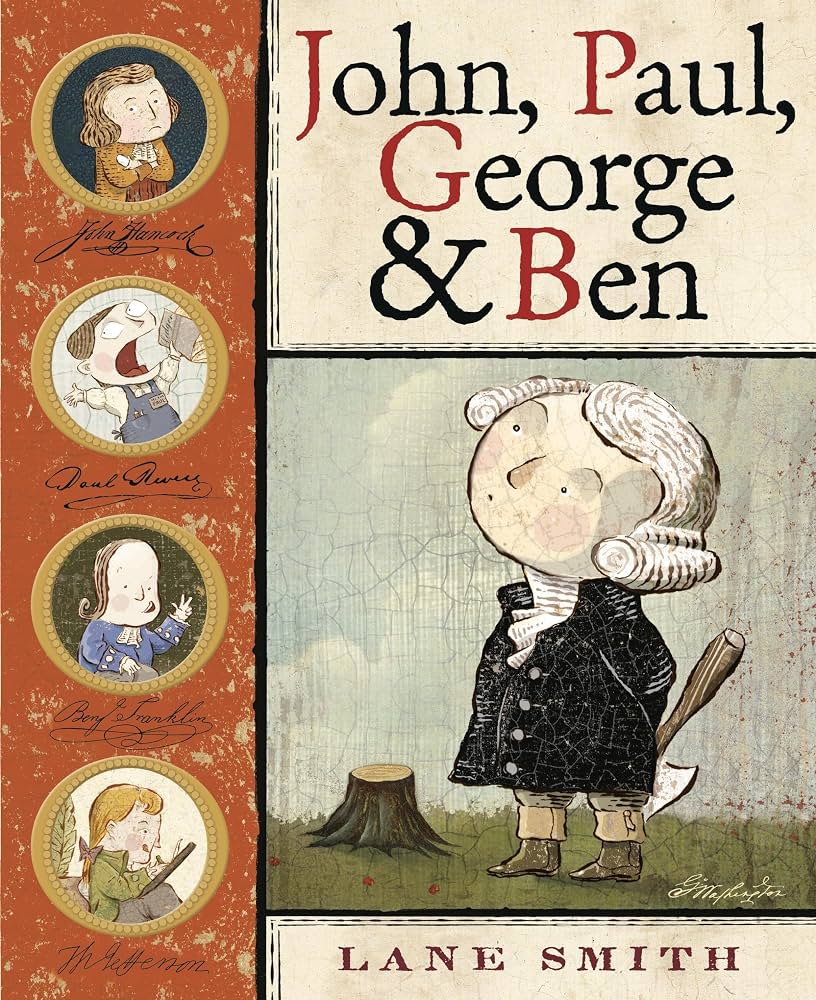
By Lane Smith, John, Paul, George, and Ben (Little, Brown, 2006) is a zany picture-book account of John (Hancock), Paul (Revere), George (Washington), and Ben (Franklin) – plus, occasionally, Tom (Jefferson). A helpful true-and-false section at the end points out what’s fact and what’s fiction. A fun read for ages 5-9.
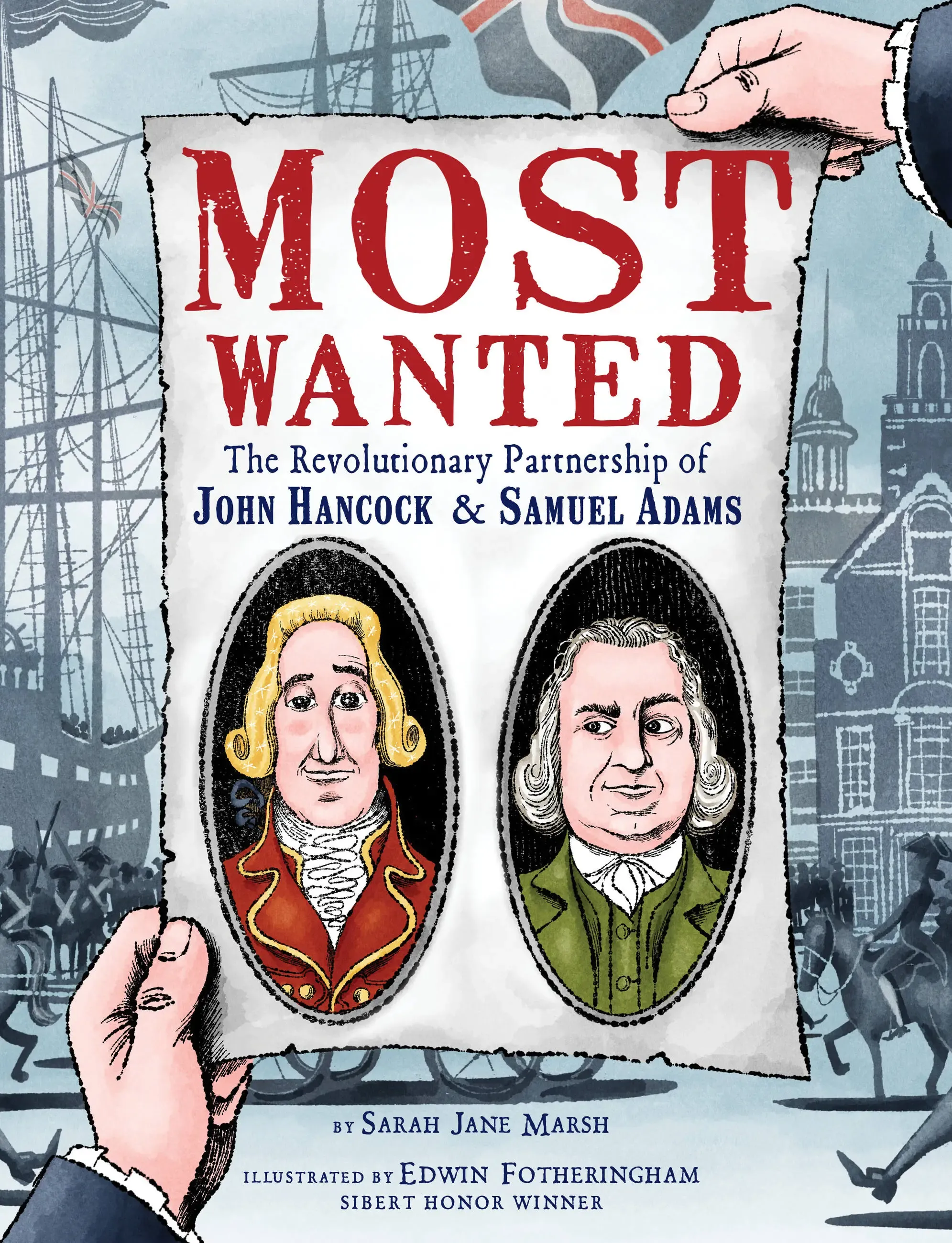
By Sarah Jane Marsh, Most Wanted (Little. Brown, 2020) is the story of the Revolutionary partnership between John Hancock and Sam Adams. For ages 6-10.
Also by Marsh for the same age group, see Thomas Paine and the Dangerous Word (Little, Brown, 2018), the story of Common Sense and its role in rallying Americans to the cause of independence.
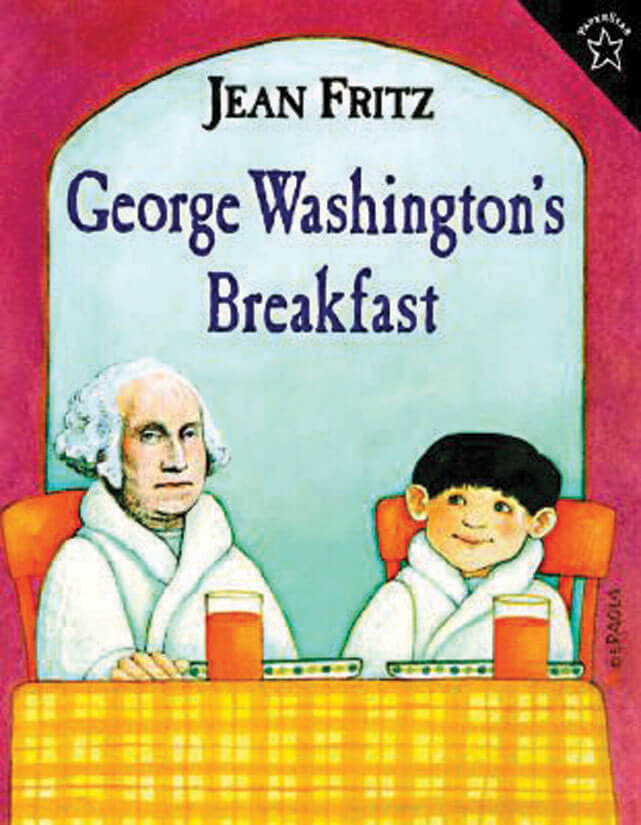
By Jean Fritz, with great illustrations by Tomie dePaola, George Washington’s Breakfast (Puffin, 1998) is a delightful picture-book account of a boy trying to find out what George Washington ate for breakfast – and finding out a great deal more about George along the way. For ages 7-10.
From Mount Vernon, see this recipe for George Washington’s breakfast at https://www.mountvernon.org/inn/recipes/article/hoecakes.
For more on Washington, see https://www.mountvernon.org/george-washington.
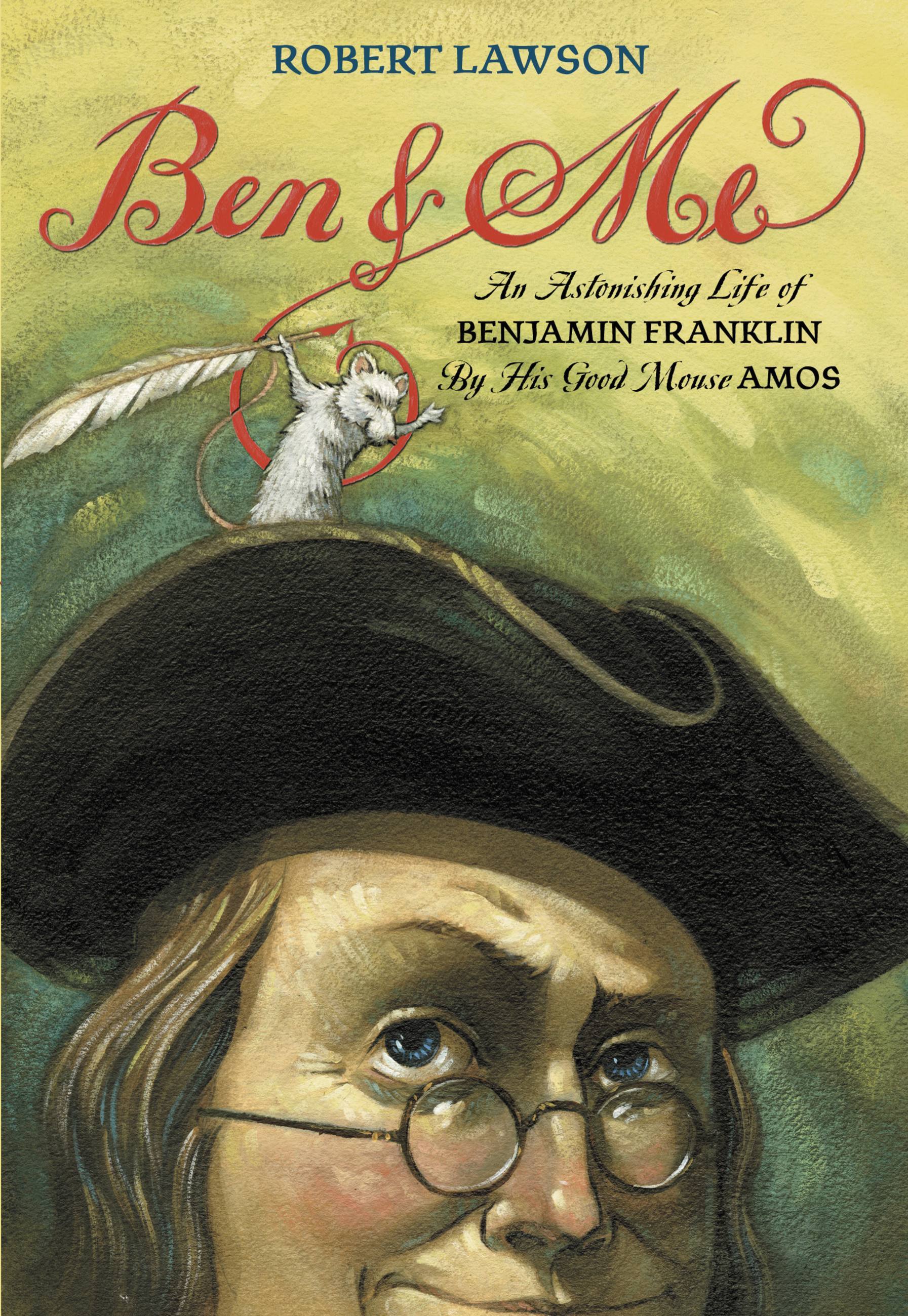
By Robert Lawson, Ben and Me (Little, Brown, 1988) is a delightful account of the astonishing life of Ben Franklin – as told by his Good Mouse, Amos. A wonderful read for ages 7-10.
See an animated version of Ben and Me at https://www.youtube.com/watch?v=hZRGvl9YF5I.
Also by Lawson, see Mr. Revere and I (Little, Brown, 1988), the story of Paul Revere as told by his (British) horse, Scheherazade.
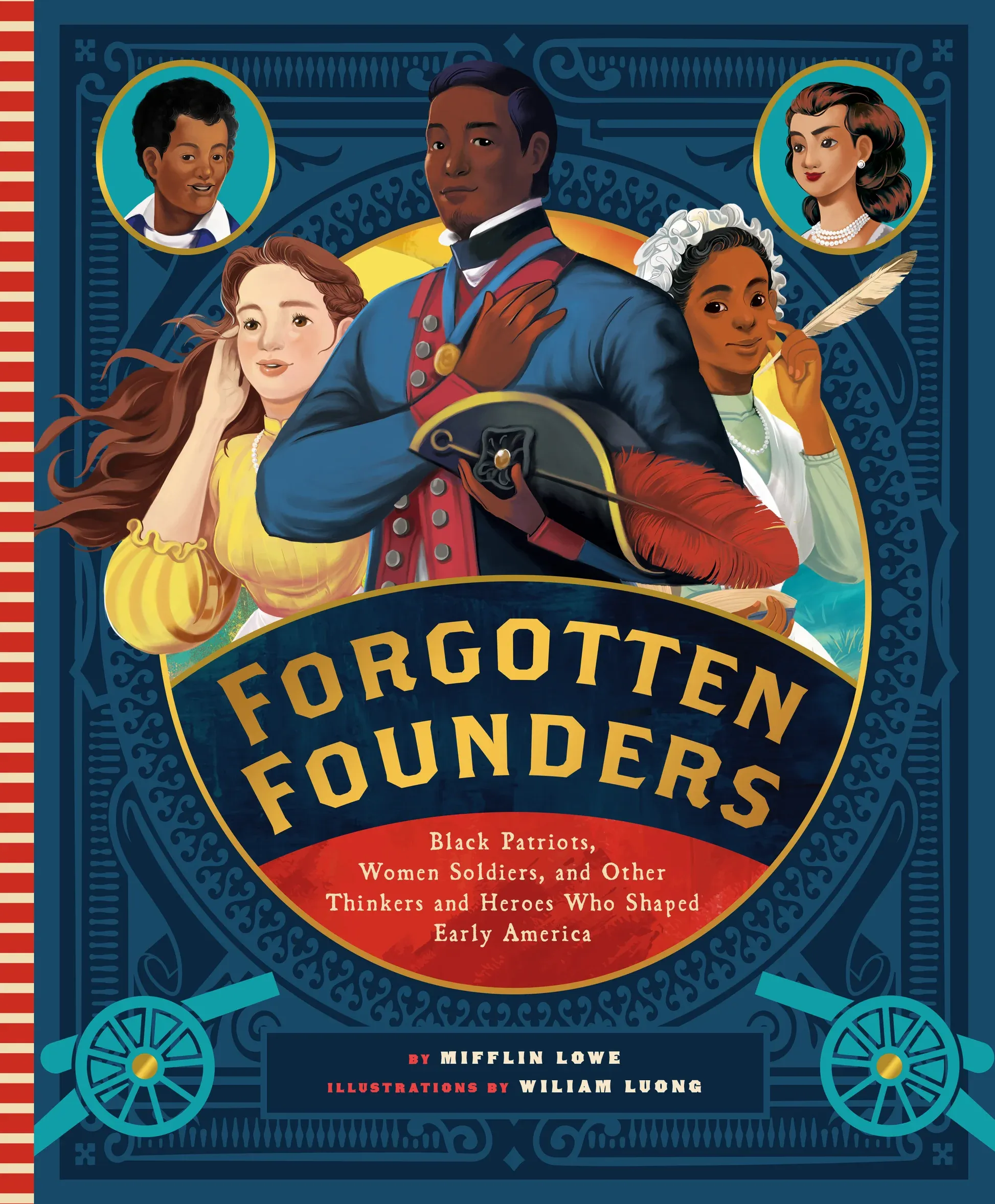
By Mifflin Lowe, Forgotten Founders (Bushel & Peck Books, 2022) is the engagingly designed story of the underappreciated contributors to the Revolutionary cause, including women, African Americans, Native Americans, and immigrants. Sidebars include fun facts and Think Deeper discussion questions. For ages 7-12.
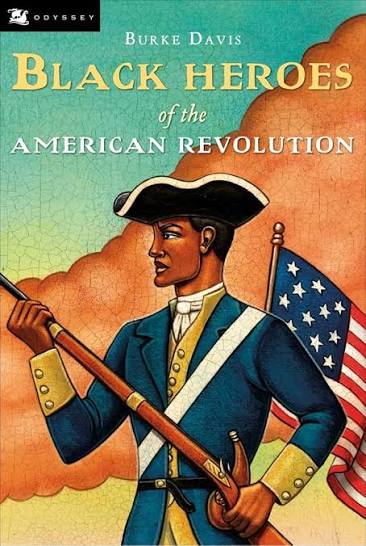
By Burke Davis, Black Heroes of the American Revolution (Clarion, 1992) is the story of the many African American men and women who contributed to the cause of American independence. For ages 8-11.
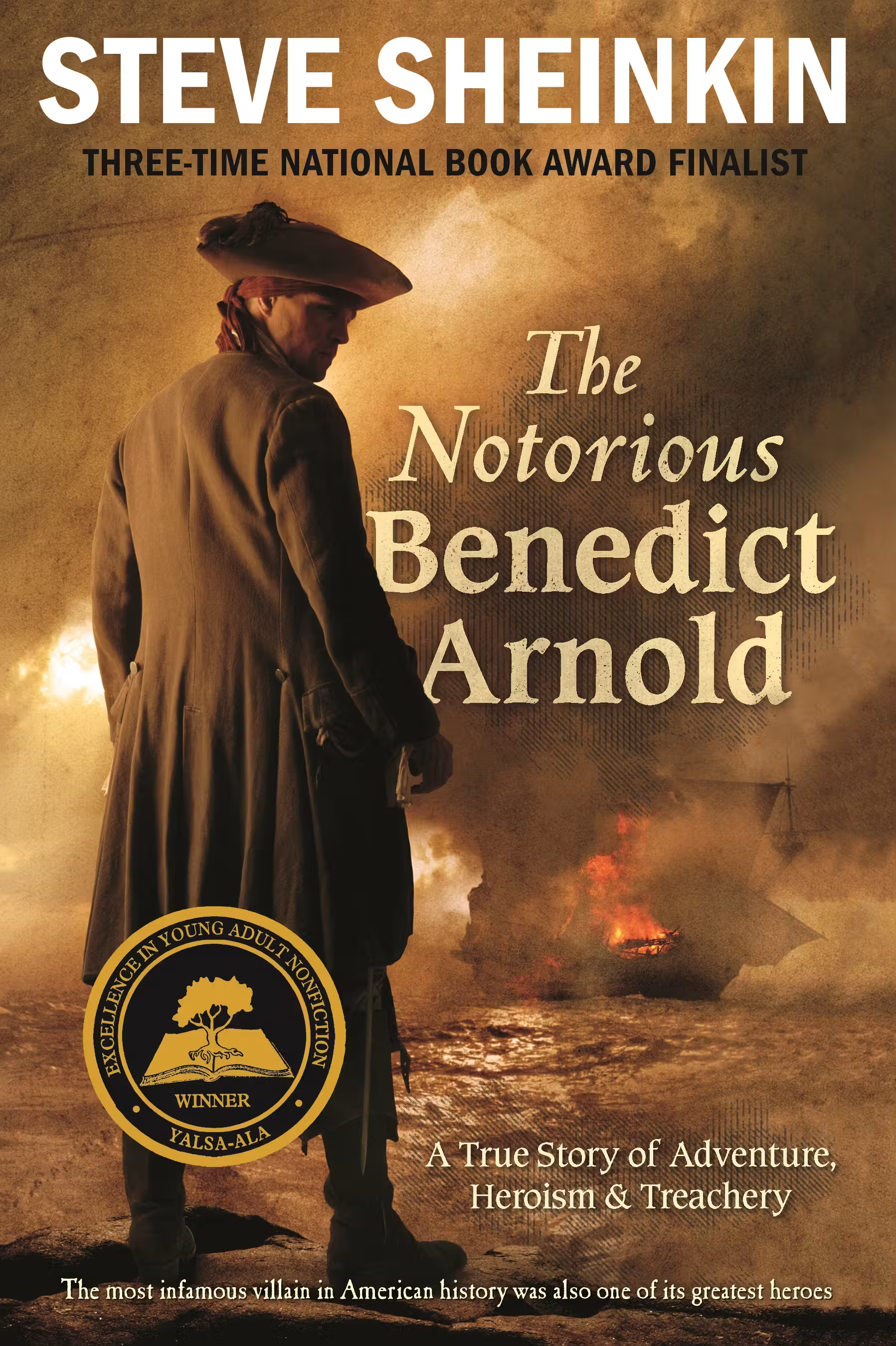
Steve Sheinkin’s The Notorious Benedict Arnold (Square Fish, 2013) points out – through first-person accounts, great stories, and catchy prose – that Arnold wasn’t just a traitor; he was also a Revolutionary hero. For ages 11-14.
By Jean Fritz in the Unforgettable American’s series, see Traitor: The Case of Benedict Arnold (Puffin, 1997) and Why Not, Lafayette? (Puffin, 2001), both catchy chapter biographies for ages 8-12.
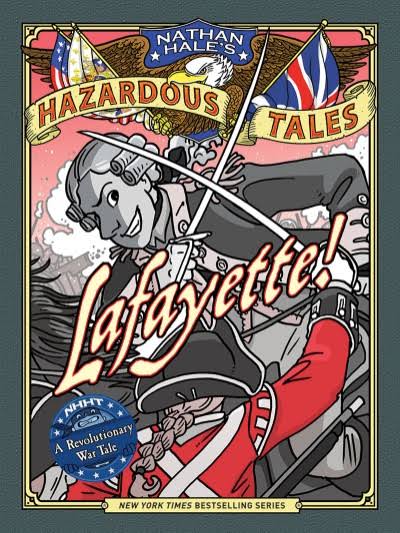
Nathan Hale’s Lafayette! (Abrams Fanfare, 2018), one of the Nathan Hale’s Hazardous Tales series, is a graphic-novel biography of the Marquis de Lafayette who arrived in America from France at the age of nineteen to join Washington’s Continental Army. For ages 9-12.
Also see Russell Freedman’s Lafayette and the American Revolution (Holiday House, 2021), marvelously illustrated with period prints and portraits, for ages 10-12.
By Selene Castrovilla, Revolutionary Friends (Calkins Creek, 2013) is the picture-book story of the friendship between George Washington and the young Marquis de Lafayette. For ages 7-10.
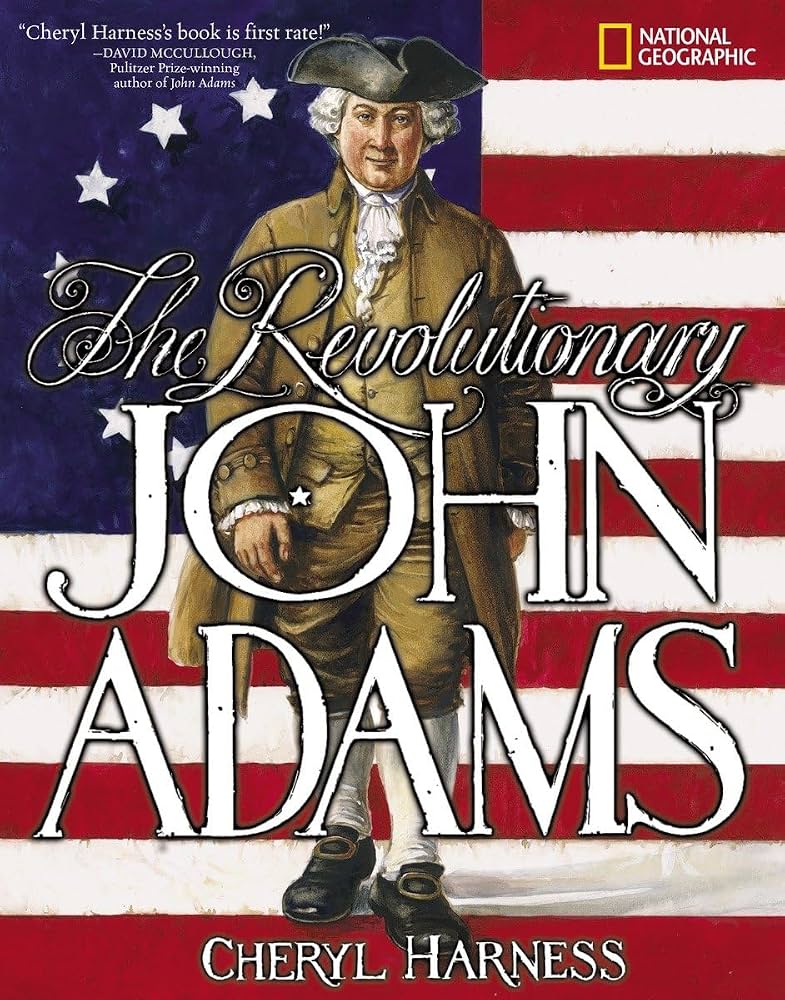
By Cheryl Harness, The Revolutionary John Adams (National Geographic Kids, 2006) is an excellent and attention-catching biography for ages 8-12.
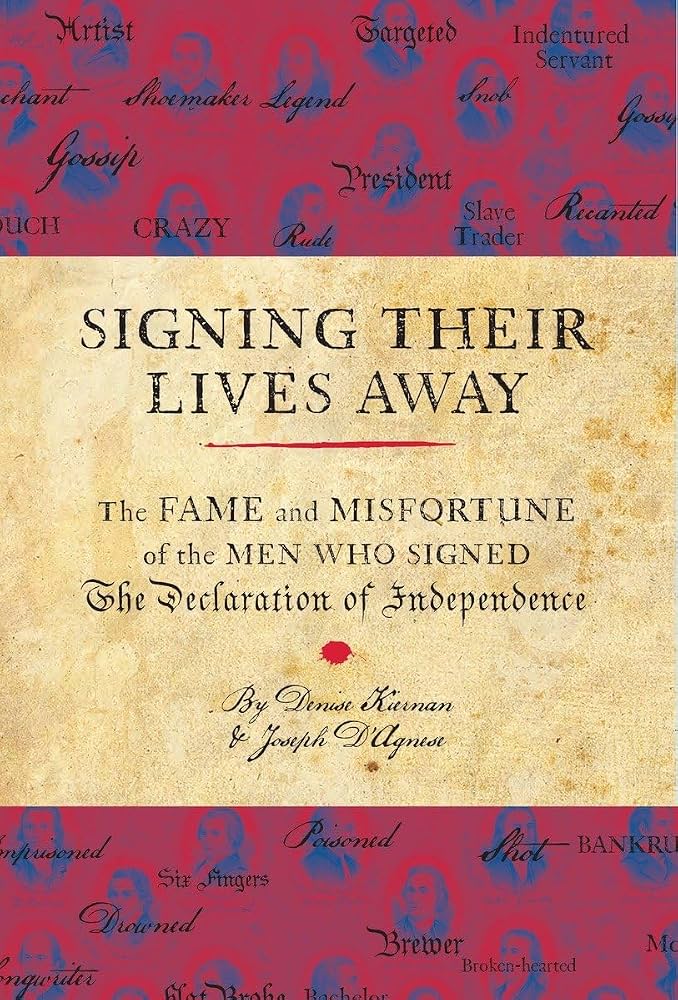
They pledged their lives, their fortunes, and their sacred honor. By Denis Kiernan and Joseph D’Agnese, Signing Their Lives Away (Quirk Books, 2019) traces the stories of each of the signers of the Declaration of Independence. Who were they and what happened to them? For ages 12 and up.
What About the Girls?
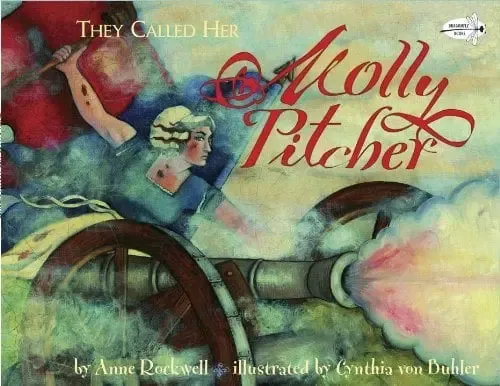
Anne Rockwell’s They Called Her Molly Pitcher (Dragonfly Books, 2006) is the story of Molly Hays who followed her husband when he joined George Washington’s army, earned her nickname “Molly Pitcher” by bringing water to the soldiers at the Battle of Monmouth, and took over firing the cannon when her husband was wounded. For ages 4-7.
For a graphic-novel version of Molly’s story, see Jason Glaser’s Molly Pitcher: Young American Patriot (Capstone, 2005) for ages 7-10.
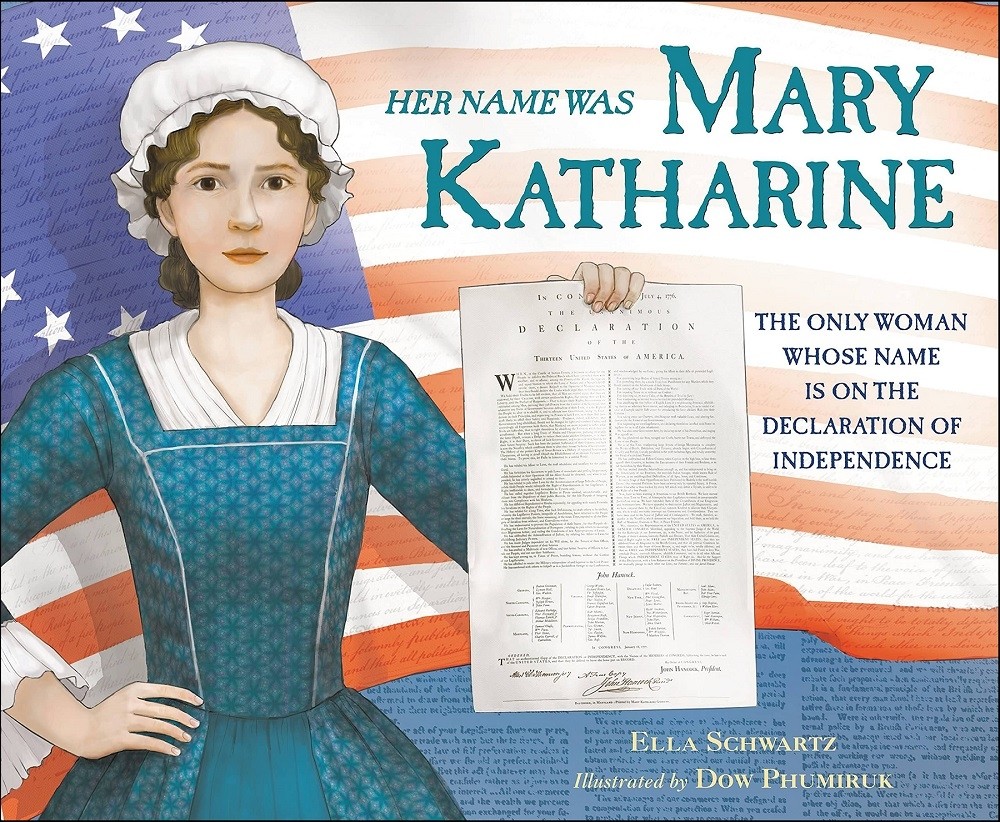
By Ella Schwartz, Her Name Was Mary Katharine (Christy Ottaviano Books, 2022) is the picture-book biography of patriotic printer Mary Katharine Goddard, the only woman whose name is on the Declaration of Independence. (Find out why.) For ages 5-8.
For the same age group, also see Karen Blumenthal’s Revolutionary Mary (Roaring Brook Press, 2025).
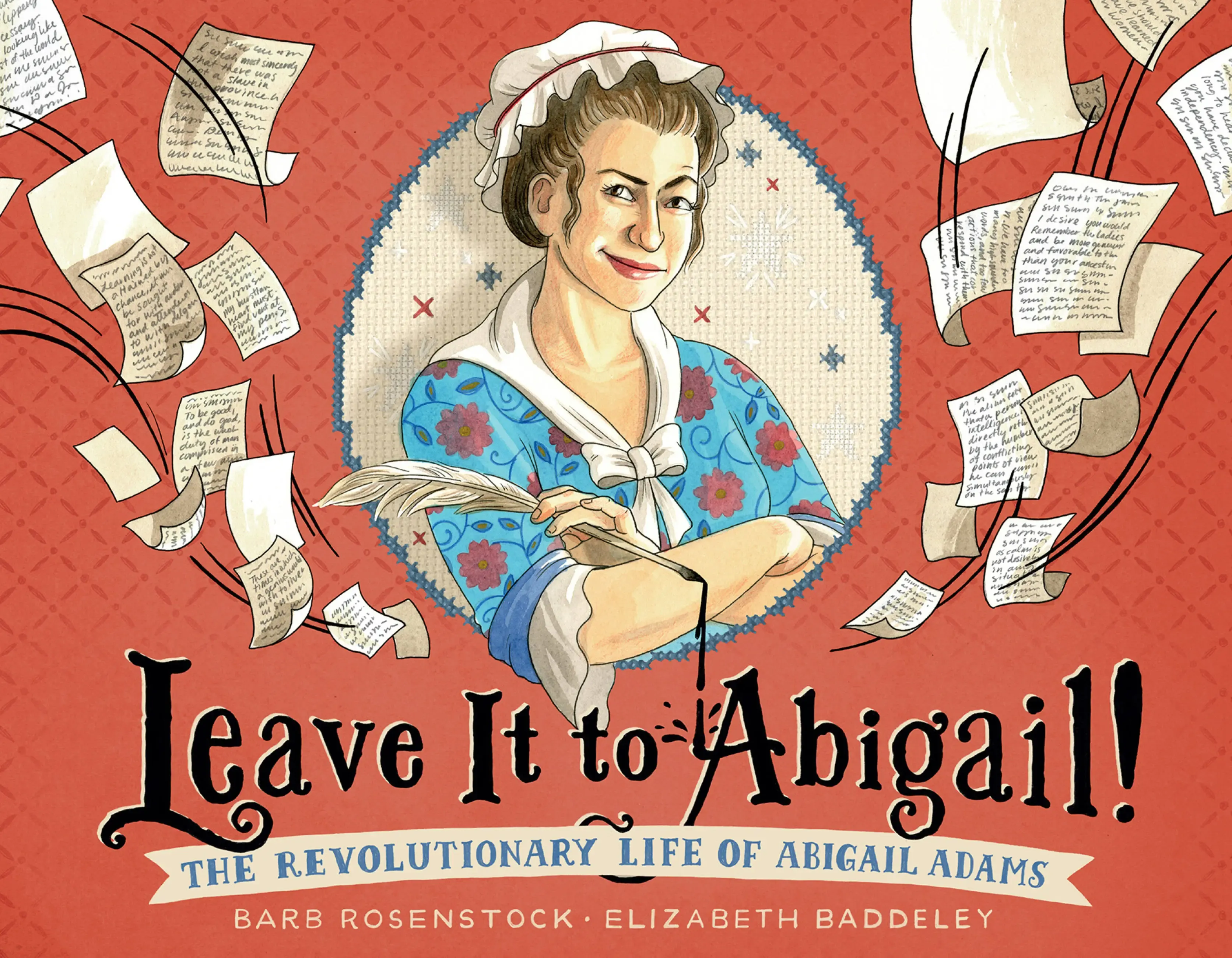
By Barb Rosenstock, Leave It to Abigail (Little, Brown, 2020) is a creatively designed picture-book biography of the remarkable Abigail Adams. For ages 5-9.
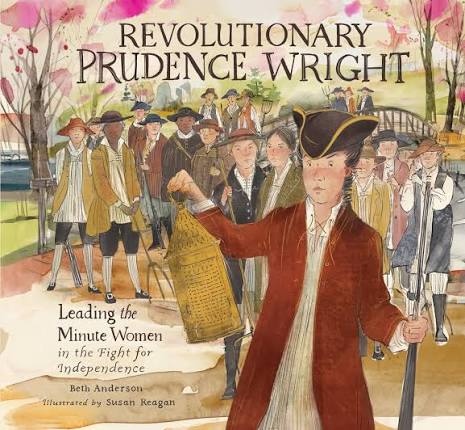
By Beth Anderson, Revolutionary Prudence Wright (Calkins Creek, 2022) is the picture-book story of determined Prudence, who organized the women of Pepperell, Massachusetts, into an armed band of “minute women.” A thrilling and little-known piece of Revolutionary history for ages 6-9.
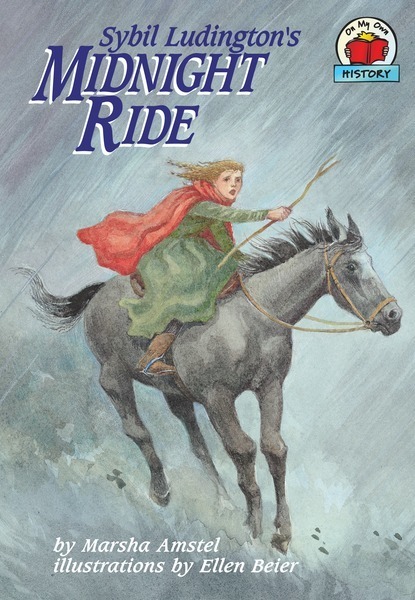
Paul Revere wasn’t the only one. Marsha Amstel’s Sybil Ludington’s Midnight Ride (First Avenue Editions, 2000) is the story of 16-year-old Sybil who, in April 1777, undertook a perilous ride to warn the American soldiers in New York that the British were on the way. For ages 6-9.
Other books about Sybil’s ride include the graphic novel Sybil Ludingyon Rides to the Rescue by Jessica Gunderson (Capstone, 2020) for ages 8-11; and Nicole Orr’s Sybil Ludington: Messenger for Independence (Curious Fox Books, 2025) for ages 8-12.
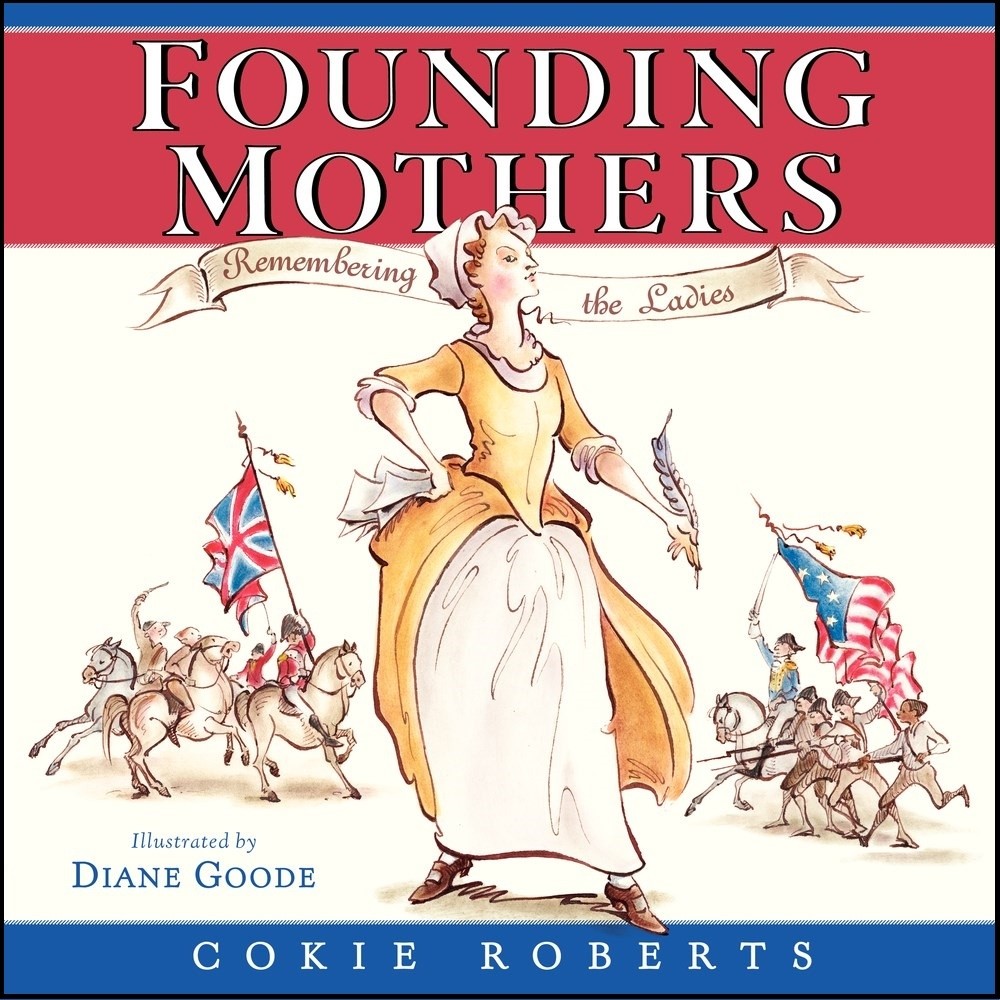
By Cokie Roberts, Founding Mothers (HarperCollins, 2014) – an adaptation of the best-selling adult book – is a beautifully illustrated collection of short biographies of women who contributed to the Revolutionary cause, among them Deborah Read Franklin, Eliza Lucas Pinckney, Mercy Otis Warren, and Phillis Wheatley. For ages 7-12.
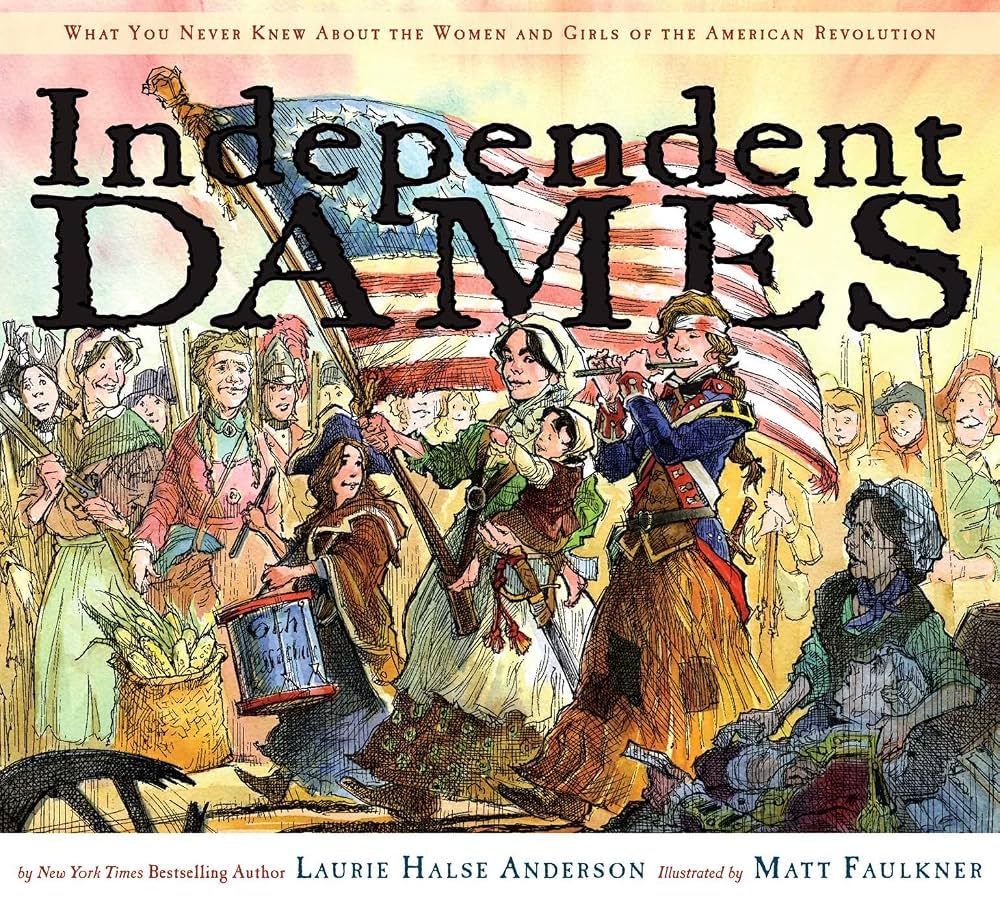
By Laurie Halse Anderson, Independent Dames (Simon & Schuster, 2008) is an entertaining collective biography of the many women and girls who played a crucial role in the American Revolution. For ages 7-10.
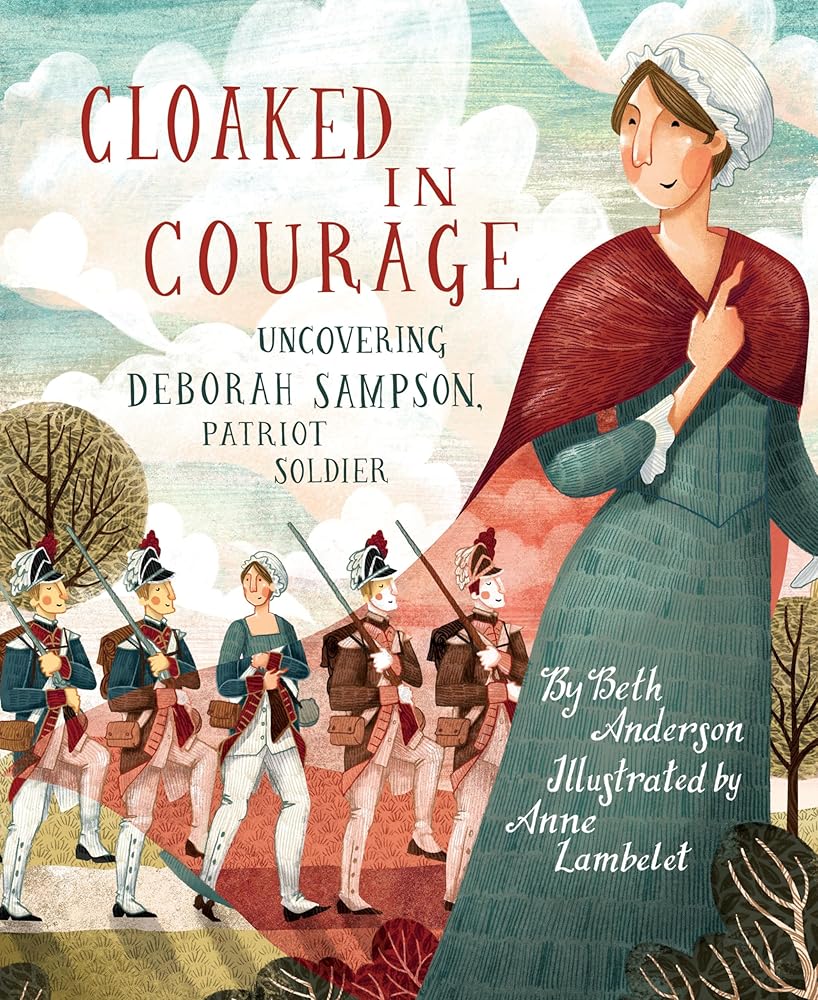
Beth Anderson’s Cloaked in Courage (Calkins Creek, 2022) is the story of Deborah Sampson who disguised herself as a man and enlisted, under the name of Robert Shurtliff, in George Washington’s Continental Army. For ages 7-12.
Also see Ann McGovern’s The Secret Soldier (Scholastic, 1990), a short biography of Deborah Sampson for ages 8-11.
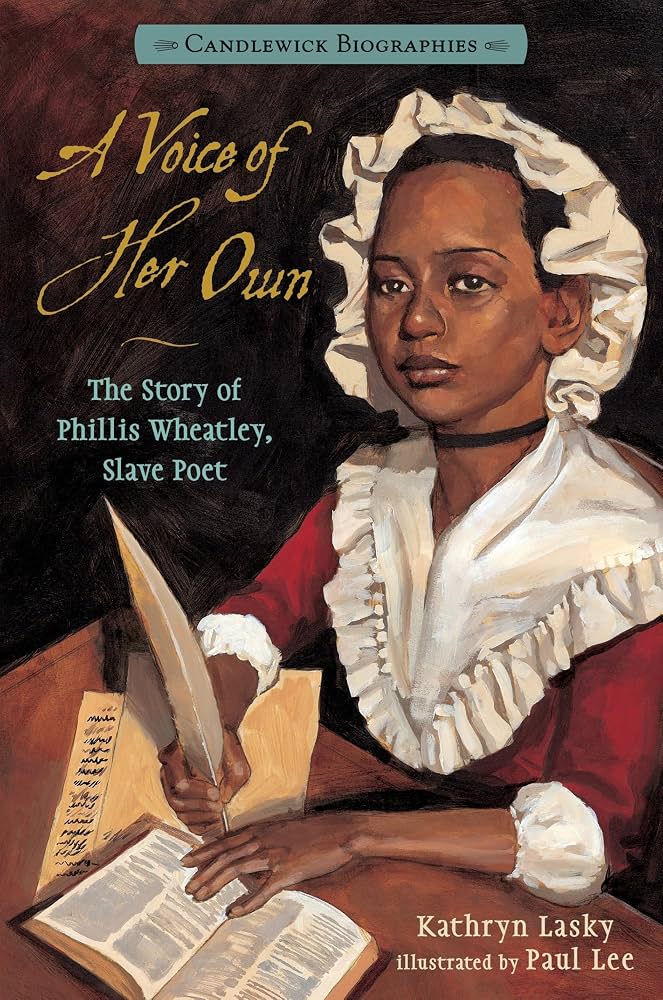
Kathryn Lasky’s A Voice of Her Own (Candlewick, 2012) is the illustrated story of Phillis Wheatley – named after the slave ship that transported her to America – who, in the midst of the Revolutionary War, became America’s first African-American poet. Many of her poems had themes of freedom. Food for discussion for ages 8-12.
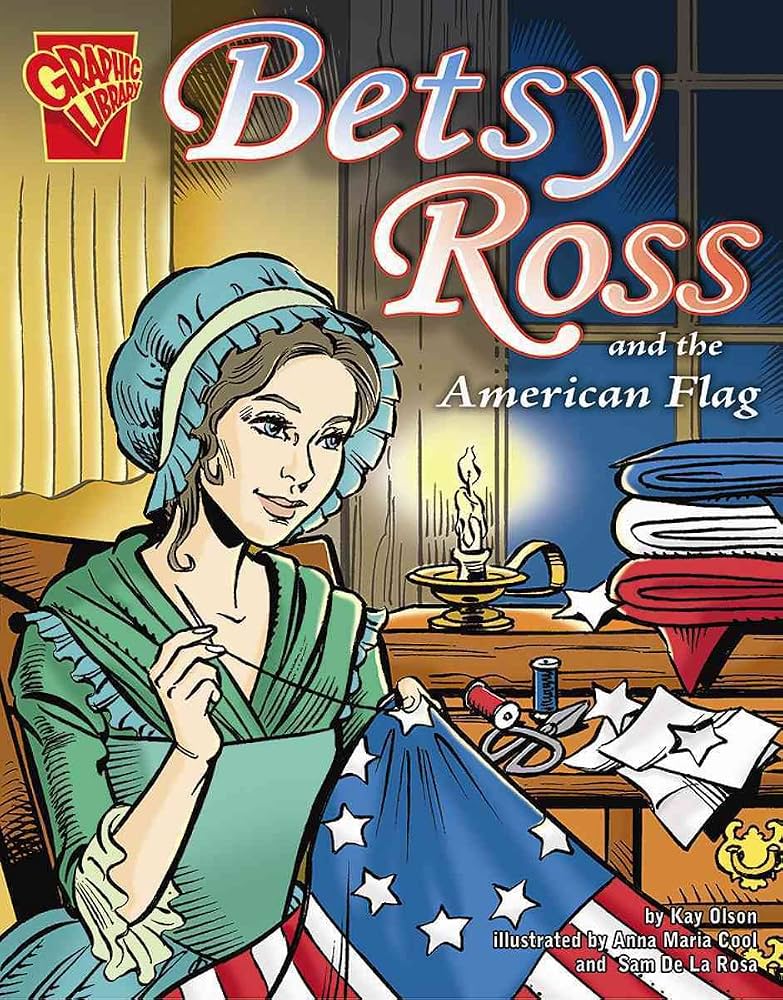
By Kay M. Olson, Betsy Ross and the American Flag (Capstone, 2006) is the graphic-novel story of Betsy Ross, maker of the flag for the new United States. (At least so the story goes.) For ages 8-12.
See how to cut a five-pointed star with just one snip (just like Betsy) at https://ushistory.org/historic-personages/betsy/flagstar.
By K.M. Waldvogel, Spies, Soldiers, Couriers, & Saboteurs (Orange Hat Publishing, 2019) is a collective biography of the women of the American Revolution for ages 8-12.
Spies!
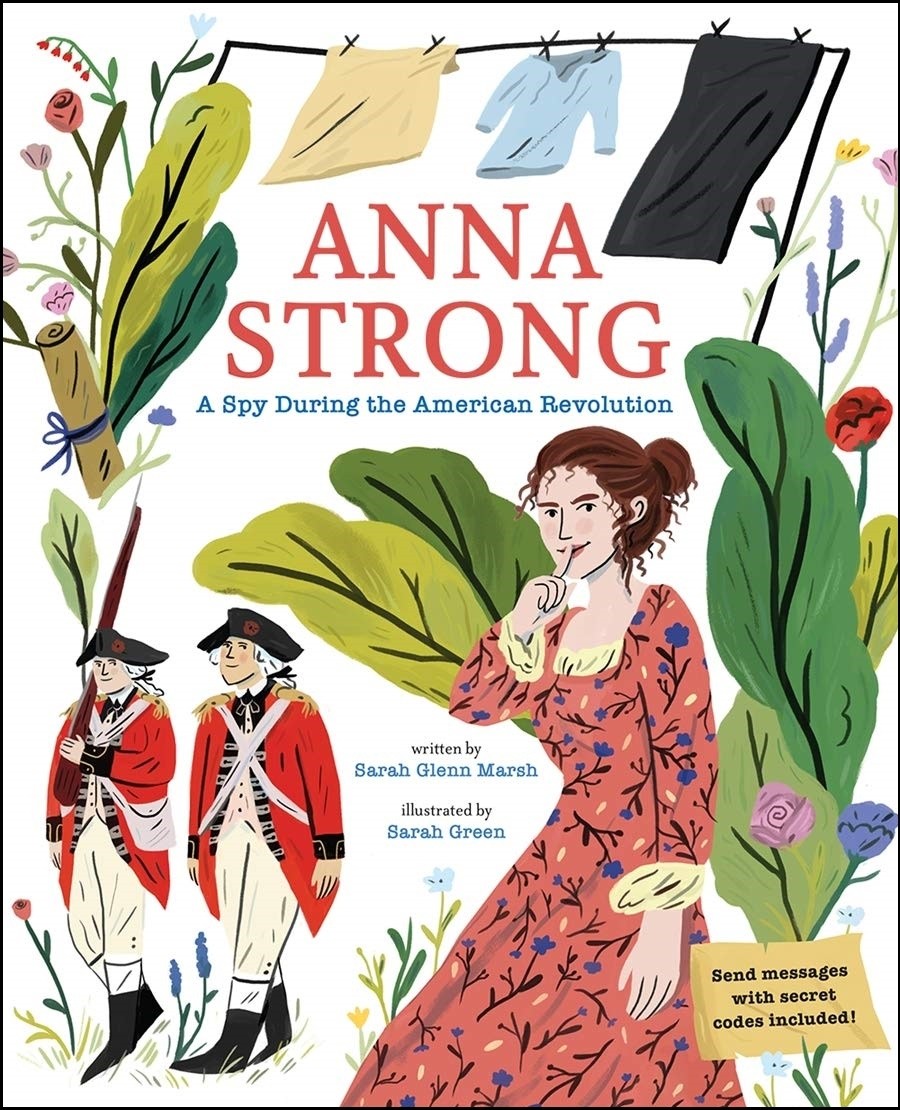
By Sarah Glenn, Anna Strong: A Spy During the American Revolution (Harry N. Abrams, 2020) is the story of Anna, a part of the patriot intelligence network known as the Culper Ring – who communicated messages by means of laundry on a clothesline. For ages 4-8.
Also see the graphic novel biography of Anna, The Spy Who Wore Petticoats by Bruce Berglund (Capstone, 2025) for ages 8-11.
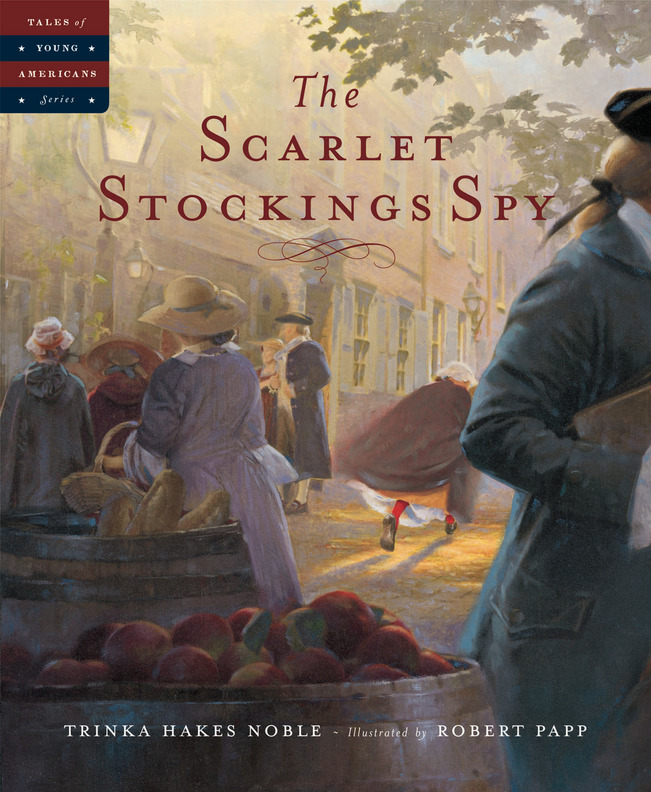
In Trina Hakes Noble’s fictional The Scarlet Stockings Spy (Sleeping Bear Press, 2004), set in Philadelphia in 1777, Maddy Rose’s brother Jonathan is fighting with General Washington – and Maddy Rose has worked out a code to help warn him of the British movements using her white petticoat and scarlet stockings hung on a laundry line. For ages 6-9.
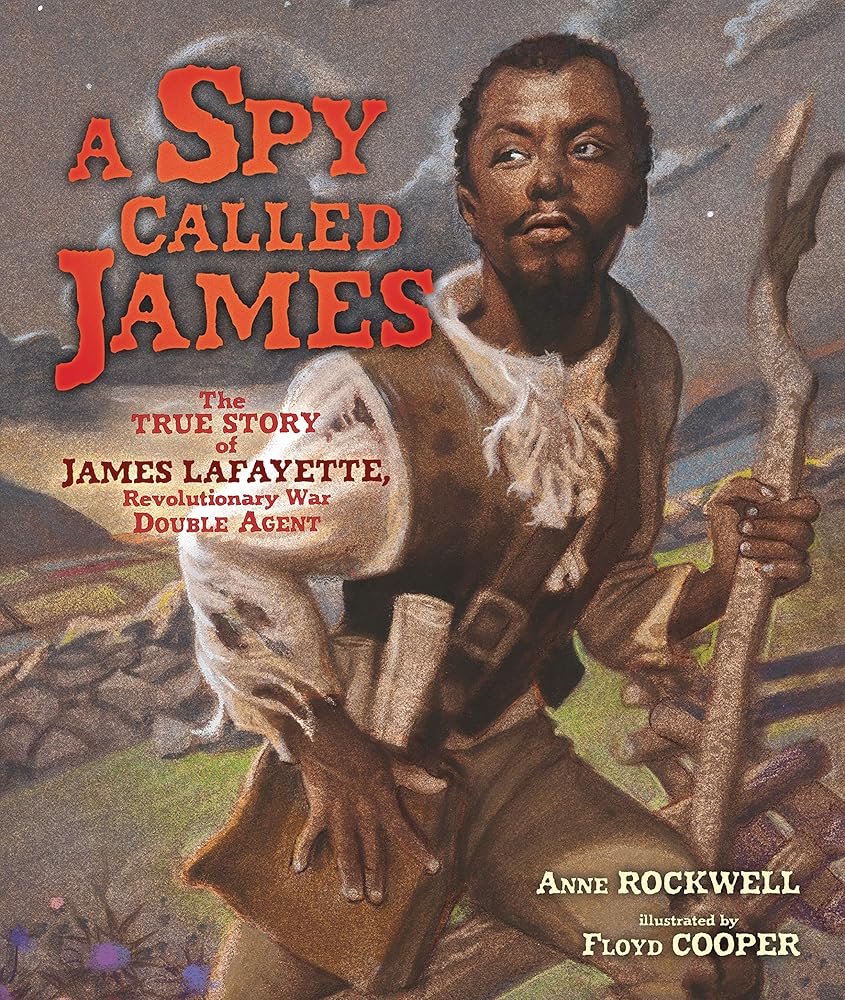
Anne Rockwell’s A Spy Called James (Carolrhoda, 2016) is the (true) story of James Lafayette, who served as a spy for George Washington – and then, when the war was over, had to fight for his own freedom. For ages 7-10.
By Elizabeth Raum, Spies of the American Revolution (Capstone, 2015) is an interactive choose-your-own adventure book offering multiple perspectives and 14 different endings. For age 8-11.
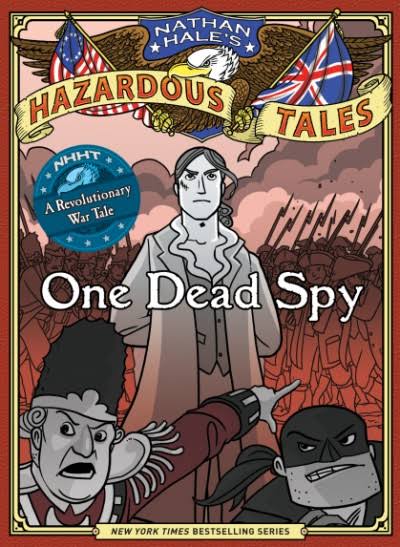
One of the Nathan Hale’s Hazardous Tales series, One Dead Spy (Adams Fanfare, 2012) is an exciting account of Nathan Hale, America’s first spy, and his involvement in the Revolutionary War. For ages 8-11.
Also see Nathan Olson’s graphic biography Nathan Hale: Revolutionary Spy (Capstone,2005) for ages 8-12.
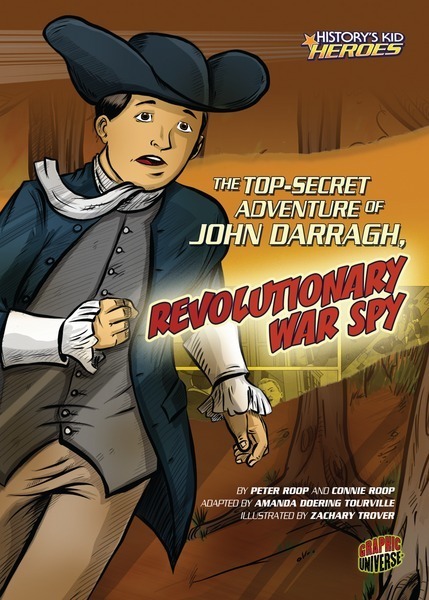
By Peter Roop and Connie Roop, The Top-Secret Adventure of John Darragh, Revolutionary War Spy (Graphic Universe, 2010) is the graphic-novel story of young John Darragh whose Philadelphia family spies on the British – and now John needs to sneak past the British soldiers to deliver messages to his brother in the rebel camp. For ages 8-11.
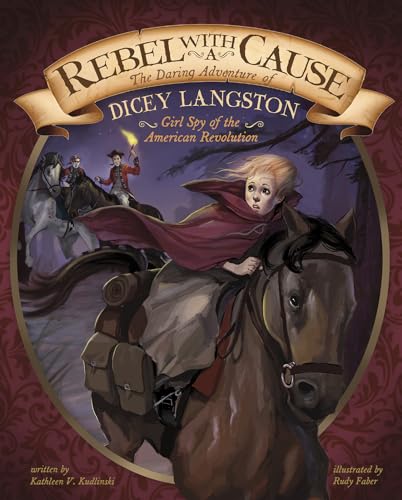
Kathleen V. Kudlinksi’s Rebel with a Cause (Capstone, 2015) is the true story of 14-year-old Dicey Langston (“Girl Spy of the American Revolution”) who risked her life to warn the Patriot camp of a British raid. For ages 8-11.
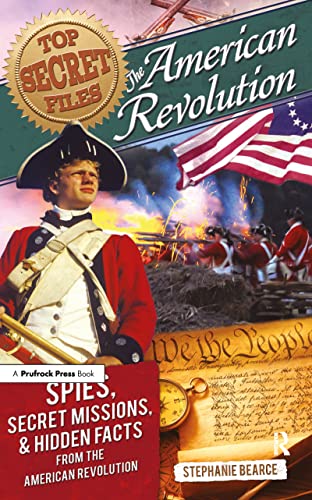
Stephanie Bearce’s Top Secret Files: The American Revolution (Routledge, 2014) is a fascinating account of the spies, secret missions, secret weapons, and undercover forces of the Revolutionary War with assorted Spy Training activities. (Try making invisible ink or cracking George Washington’s secret code.) For ages 9-12.
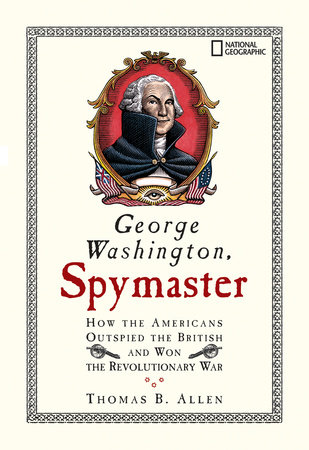
By Thomas B. Allen, George Washington, Spymaster (National Geographic Kids, 2007) is the exciting story of the war behind the American Revolution, a conflict waged by spies, counterspies, and secret agents. Learn about the Culper Ring and Washington’s secret codebook. For ages 9-13.
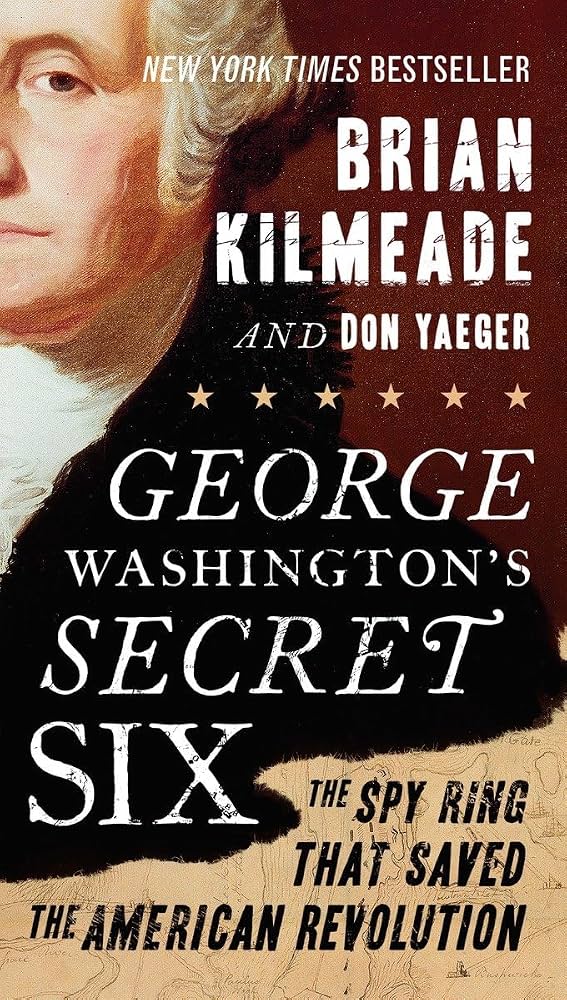
By Brian Kilmeade and Don Yaeger, George Washington’s Secret Six (Puffin, 2020) – an adaptation of the adult book for young readers – is the story of the top-secret Culper Spy Ring, Washington’s sophisticated intelligence network, and its long-unrecognized cadre of spies. For ages 10-14.
Projects and Activities
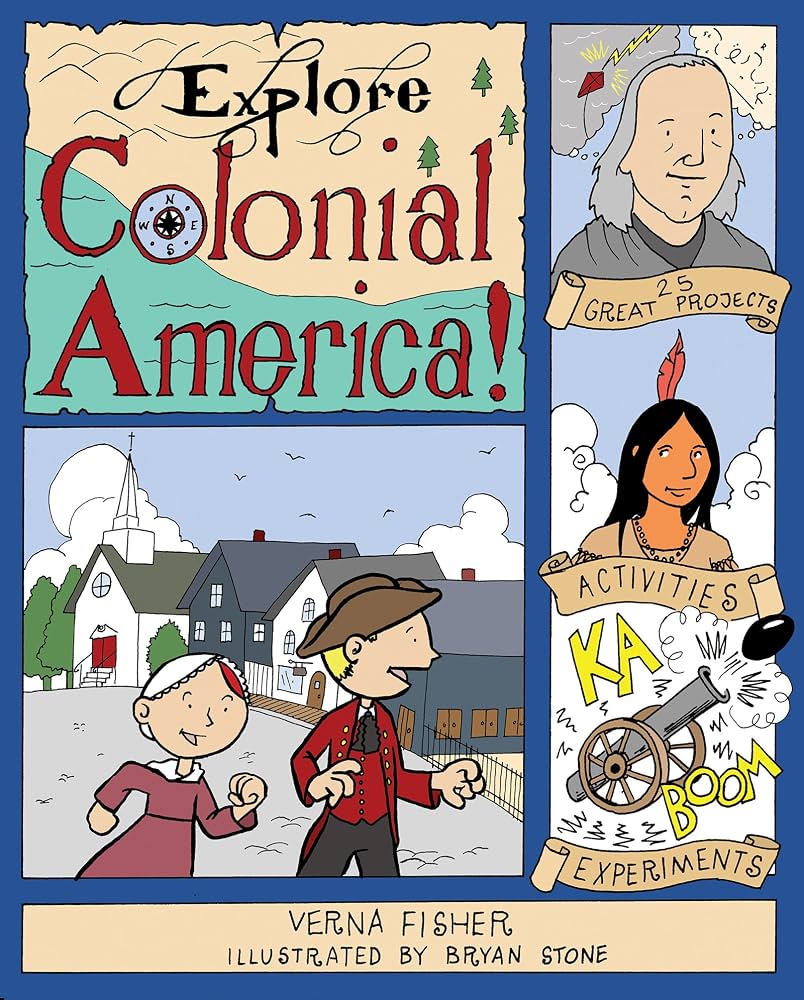
By Verna Fisher, Explore Colonial America (Nomad Press, 2009) is a nicely designed overview of colonial life and times with fact boxes, Words to Know entries, cartoon illustrations, and 25 hands-on projects. For ages 6-9.
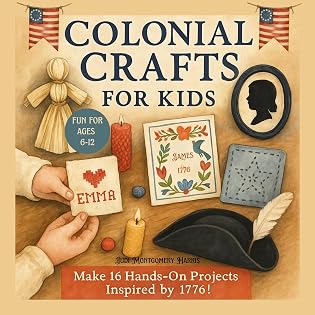
By Judi Montgomery Harris, Colonial Crafts for Kids (2025) has illustrated instructions for 16 crafts, among them making beeswax candles, clay marbles, a cornhusk doll, and a Pennsylvania Dutch bookplate. For ages 6-12.
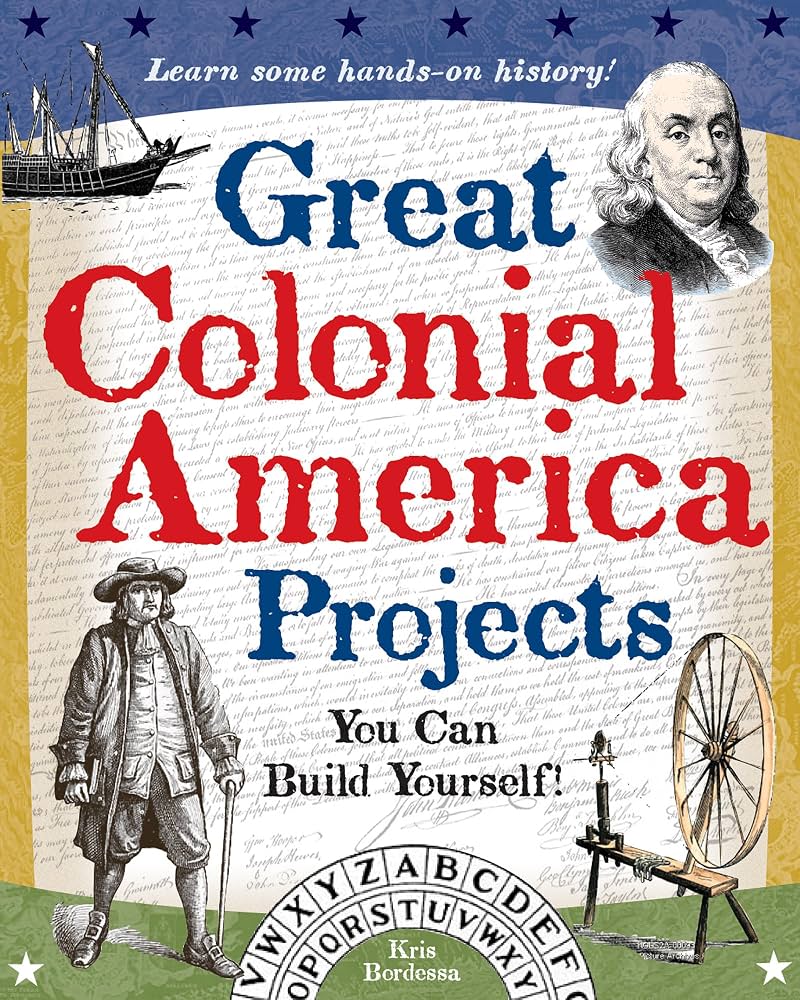
Kris Bordessa’s Great Colonial Projects You Can Build Yourself (Nomad Press, 2006) introduces colonial history through a reader-friendly text and hands-on crafts, among them making a pomander and a tin lantern, trying spinning and weaving, playing a stick-and-hoop game, and cooking up a batch of johnnycakes. For ages 9-12.
From the Museum of the American Revolution, see At-Home Crafts & Activities – among them making a window illumination, a model of Washington’s tent, a wampum belt, and a whirligig – at https://www.amrevmuseum.org/learn-and-explore/at-home-activities/at-home-crafts-and-activities.
From Mount Vernon, see 18th-century recipes, activities, and crafts for kids along with a link the lesson plans at https://www.mountvernon.org/education/for-teachers/lessonplans/online-activities-for-kids-2.
From I’m the Chef Too!, see Engaging American Revolution Crafts for Kids at https://www.imthecheftoo.com/blogs/stem-for-kids/american-revolution-crafts-for-kids-history-comes-alive. Themes include “Creating Iconic Symbols of Liberty,” “The STEM of 1776: Science and Engineering,” “Daily Life in the Colonies,” “Mapping the 13 Colonies,” and “The Chemistry of a Colonial Tea Party.”
Make your own army of Revolutionary soldiers – with clothespins! See https://www.facebook.com/watch/?v=3340323956028154.
Media and Movies
Explore the many exhibits at the Museum of the American Revolution at https://www.amrevmuseum.org/at-the-museum/exhibits.
See “5 Revolutionary War Videos for Kids” at https://www.thecleverteacher.com/5-revolutionary-war-videos-for-kids/. For ages 10 and up.
From The Great Courses, The American Revolution is a superb 24-lecture series by Professor Allen Guelzo of Gettsburg College. For teens and adults. See https://shop.thegreatcourses.com/the-american-revolution.
From the Journal of the American Revolution, see this list of films and TV programs on the American Revolution, ranked, with descriptions of best (and worst) lines and scenes, and historical accuracy and entertainment value ratings. (#1 is the 2008 TV series John Adams.) See https://allthingsliberty.com/2020/10/ranking-american-revolution-films-and-television/.
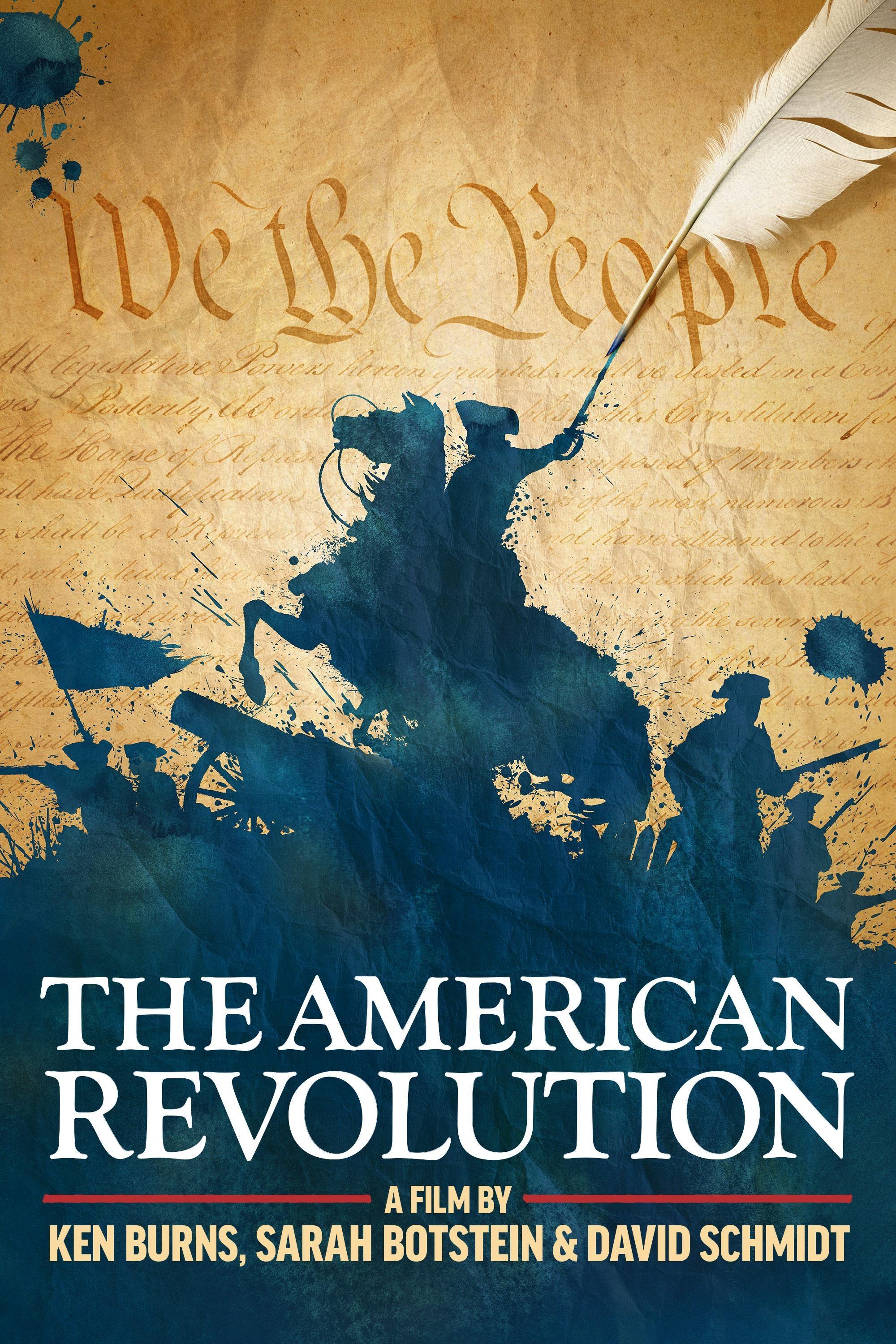
By Ken Burns, Sarah Botstein, and David Schmidt, The American Revolution (PBS, 2025) is an enthralling – and sometimes surprising – coverage of the war in six episodes. Titles are “In Order to Be Free (May 1754-May 1775),” “An Asylum for Mankind (May 1775-July 1776),” “The Times That Try Men’s Souls (July 1776-January 1777,” “Conquer by a Drawn Game (January 1777 – February 1778,” “The Sould of All America (December 1777- May 1780),” and “The Most Sacred Thing (May 1780 – Onward.” See https://www.pbs.org/show/the-american-revolution/ and
https://www.imdb.com/title/tt35328184/.
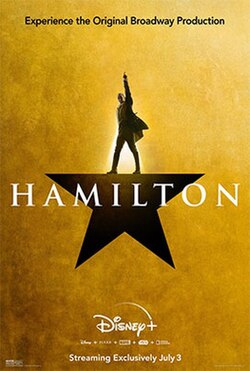
Lin-Manuel Miranda’s Hamilton (2020) – the fabulous musical account of the life of Alexander Hamilton - is rated PG-13. See https://www.imdb.com/title/tt8503618/.
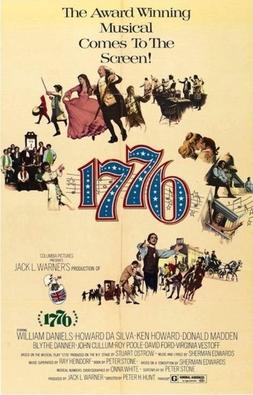
1776 (1972) is the musical retelling of the political struggle leading up to the Declaration of Independence. (It’s noted for outstanding performances, historical accuracy, and “unflinching social commentary” on slavery.) Rated PG.