
Pride!

In this collection
California became the first state to require the teaching of LGBTQ history in 2011, after which increasing numbers of books and resources have become available for parents and teachers - the trend now, unfortunately, is in the opposite direction.
Still, for a hyperlinked list of curriculum guides, lesson plans, primary sources, and books, see Teaching LGBTQ History.
LGBTQ History and Why It Matters is a comprehensive lesson with discussion questions and activities for middle-grade- and high-school-level students. Essential question: How can the way that history is taught and remembered create or reinforce “in” groups and “out” groups in a society?
All Kinds of Families

Sophie Beer’s Love Makes a Family (Dial, 2018) lists many definitions of love – “Love is baking a special cake.” “Love is finding the biggest puddle.” – each colorfully illustrated with a different family, some with two mothers, two fathers, just one parent, or one of each. For ages 2-4.

In Leslea Newman’s Heather Has Two Mommies (Candlewick, 2016), Heather’s favorite number is two – after all she has two hands, two feet, two purple cowboy boots, and two mommies, Kate, a doctor, and Jane, a carpenter. When she starts school, she discovers that – unlike many of her classmates - she doesn’t have a daddy. With the help of a thoughtful teacher, however, Heather soon learns that there are many different kinds of families – and the important thing about families is that they love each other. For ages 3-7.
Also by Newman for the same age group, see Mommy, Mama, and Me (Tricycle Press, 2008) and Daddy, Papa, and Me (Tricycle Press, 2008).
For more on Heather Has Two Mommies and LGTBQ books for children, see this article from the New York Times.

In Leslea Newman’s Donovan’s Big Day (Tricycle Press, 2011), Donovan’s two moms are getting married – and he’s going to be the ring bearer. For ages 3-7.

In Miriam B. Schiffer’s Stella Brings the Family (Chronicle Books, 2015), Stella’s class is celebrating Mother’s Day – but Stella doesn’t have a mom. Instead she has two dads. But Stella comes up with the perfect solution. For ages 4-7.

In Justin Richardson’s And Tango Makes Three (Little Simon, 2015), Roy and Silo – a pair of male penguins at the Central Park Zoo – form a family by adopting at baby chick of their own. For ages 4-8.

By Sara O’Leary, A Family is a Family is a Family (Groundwood Books, 2016) is a picture-book account of the many different kinds of families – all special, as long as they’re full of caring people. For ages 4-8.

In Daniel Haack’s Prince & Knight (little bee, 2018), a rhyming fairy tale, the prince and the knight join forces to fight a dragon – and find that they’ve fallen in love. (Not everybody wants to marry a princess.) For ages 4-8.

Dana Alison Levy’s The Misadventures of the Family Fletcher (Yearling, 2015) is the hilarious and delightful story of the Fletchers: two dads and their four multiracial adopted sons – Sam, Jax, Eli, and six-year-old Frog. Plus Sir Puggleton, the dog, Zeus, the cat, and Flare, Frog’s imaginary cheetah. For ages 9-12.

In Rebecca Stead’s The List of Things That Will Not Change (Wendy Lamb, 2020), Bea’s parents are divorcing and Bea’s dad is marrying his boyfriend Jesse – which Bea hopes will bring her a new sister, Jesse’s daughter. It’s not easy forming a new family, however, and Bea seeks reassurance from her notebook listing things that will not change – that is, she and her parents will always love each other. For ages 9-12.

Richard Peck’s The Best Man (Puffin, 2017 is a wonderful account of male relationships from the point of view of 11-year-old Archer Magill, culminating in the wedding of Archer’s Uncle Paul and his fifth-grade teacher, Ed McLeod. For ages 9-12.
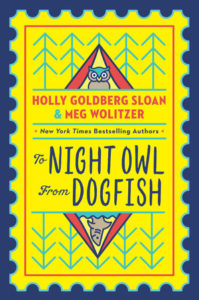
In Holly Goldberg Sloan’s To Night Owl from Dogfish (Puffin, 2020), Avery – bookish, afraid of water, and from New York City – and Bett, a California girl who loves animals and the ocean – are thrown together at camp when they find that their gay dads plan to marry. For ages 10-12.
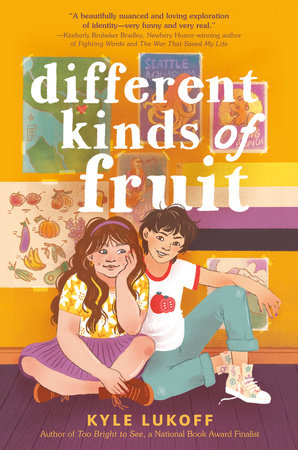
In Kyle Lukoff’s Different Kinds of Fruit (Dial, 2022), sixth-grader Annabelle makes a new nonbinary friend, Bailey, discovers a world of LGBTQ+ issues, learns a secret about her trans dad, and finds that categories – like girl, boy, straight, and gay – aren’t as simple as she thought they were. For ages 10-14.
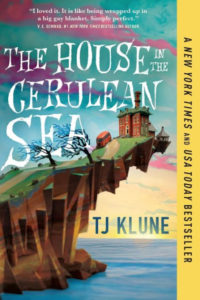
T.J. Klune’s The House in the Cerulean Sea (Tor, 2020) is a delightful and heartwarming fantasy in which Linus Baker, a caseworker in the Department in Charge of Magical Youth (DICOMY), is sent to evaluate six dangerous children – a gnome, a sprite, a wyvern, a strange green blob, a were-Pomeranian, and the Antichrist – at the Marsyas Island Orphanage. There he meets the orphanage director Arthur Parnassus. As Linus becomes more involved with Arthur and the children, he begins to doubt the legitimacy of DICOMY’s mission. It’s all about overcoming prejudice and learning to love – and there’s a wedding. For teens and adults.
Free to Be Me
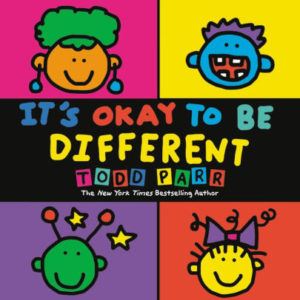
Todd Parr’s charmingly illustrated It’s OK to Be Different (Little, Brown, 2009) assures kids that it’s okay – to need help, to be a different color, to talk about your feelings, to have big ears. A good beginning for ages 3-6.
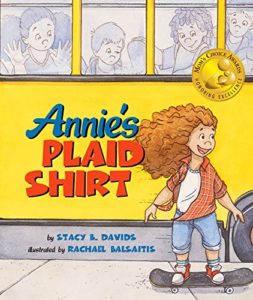
In Stacy B. Davids’s Annie’s Plaid Shirt (Upswing Press, 2015), Annie insists on wearing her plaid shirt everywhere. Then they’re invited to Uncle Benny’s wedding – and Annie’s mother wants her to wear a dress. But dresses simply aren’t right for Annie. For ages 3-7.
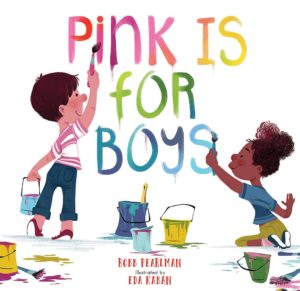
Robb Pearlman’s color-themed Pink Is for Boys (Running Press Kids, 2018) emphasizes that it’s all about what you love: pink is for boys (and girls); so are unicorns, racing cars, and baseball. For ages 4-7.
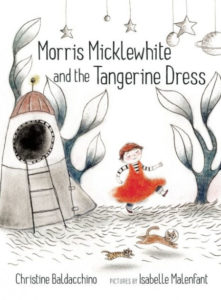
In Christine Baldacchino’s Morris Micklewhite and the Tangerine Dress (Groundwood Books, 2014), Morris loves wearing the tangerine dress in the class dress-up box – but he’s teased and banned from the spaceship that some of the other kids are building because astronauts don’t wear dresses. Morris, however, triumphs, inventing a marvelous space adventure of his own and taking two friends along. For ages 4-7.
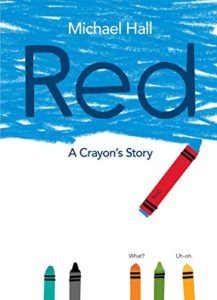
In Michael Hall’s Red: A Crayon’s Story (Greenwillow, 2016), a blue crayon – mistakenly labeled as red – has nothing but trouble. His teacher, mother, and friends all try to help – but nothing works until he finally discovers that he’s actually blue. A charming way to introduce gender issues for ages 4-8.
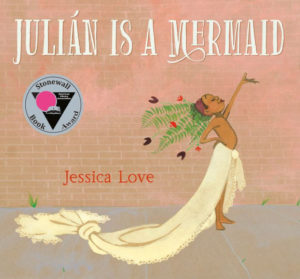
Jessica Love’s Julian is a Mermaid (Candlewick, 2018) is the story of Julian who – having seen people gorgeously costumed as mermaids on a train – Invents a spectacular costume of his own. For ages 4-8.
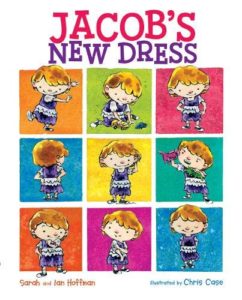
Sarah Hoffman’s Jacob’s New Dress (Albert Whitman & Company, 2020) begins “There are lots of different ways to be a boy.” Gender-nonconforming Jacob wants to wear a dress to school. “Well, it’s not what I would wear,” his dad says, “but you look great.” For ages 4-8.
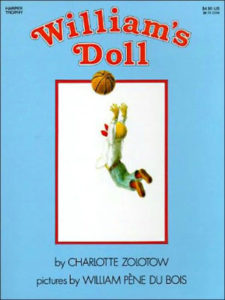
In Charlotte Zolotow’s delightful William’s Doll (Harper & Row, 1972), William wants a doll – despite all around him, who feel he’d be much better off with a basketball. His wise grandmother explains that William’s doll will help him learn to be a loving father. One of the first books to deal with gender stereotypes in toys. For ages 4-8.
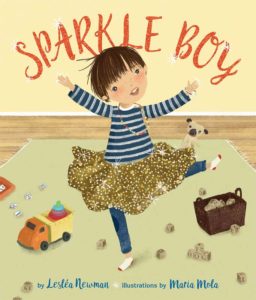
In Leslea Newman’s Sparkle Boy (Lee & Low, 2017), Casey loves his sister Jessie’s shimmery skirts, glittery bracelets, and nail polish. Jessie protests that boys can’t have such things – though her parents and grandmother explain that Casey can wear whatever he wants. When kids at the library tease Casey about his love of “girl” things, Jessie defends Casey’s right to be himself. A lovely story for ages 4-7.
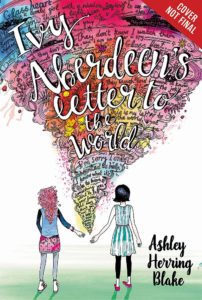
Those of us who grew up with Harriet the Spy know that it’s bad news to lose a diary. In Ashley Herring Blake’s Ivy Aberdeen’s Letter to the World (Little, Brown, 2019), Ivy does just that in the wake of a tornado – and then her secret pictures of girls holding hands begin to reappear, with notes urging her to reveal her true identity. For ages 8-12.
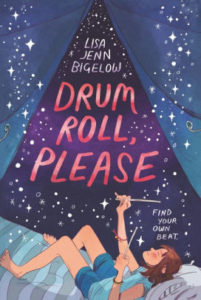
In Lisa Jenn Bigelow’s Drum Roll, Please (HarperCollins, 2019), Melly and her best friend Olivia spend the summer at rock-and-roll Camp Rockaway, where Melly has to deal with her parents’ divorce, the loss of her best friend, and her new feelings for another girl. For ages 8-12.
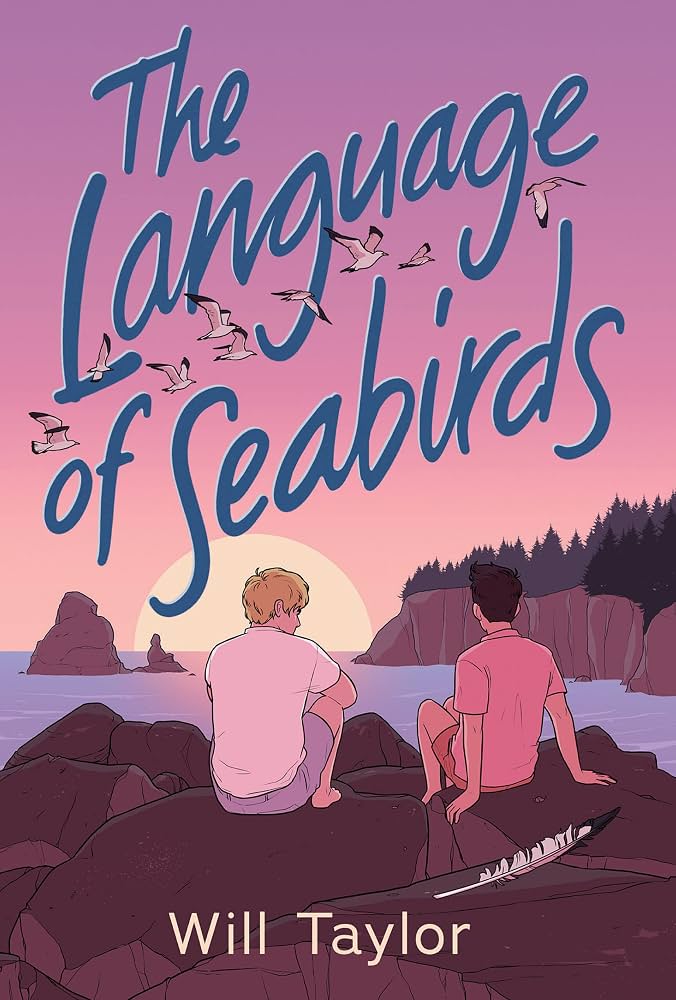
In Will Taylor’s The Language of Seabirds (Scholastic, 2024), Jeremy isn’t happy about spending the summer with his divorced dad and his uncle in Oregon – until he meets Evan and the two form a romantic relationship. A lovely story for ages 8-12.
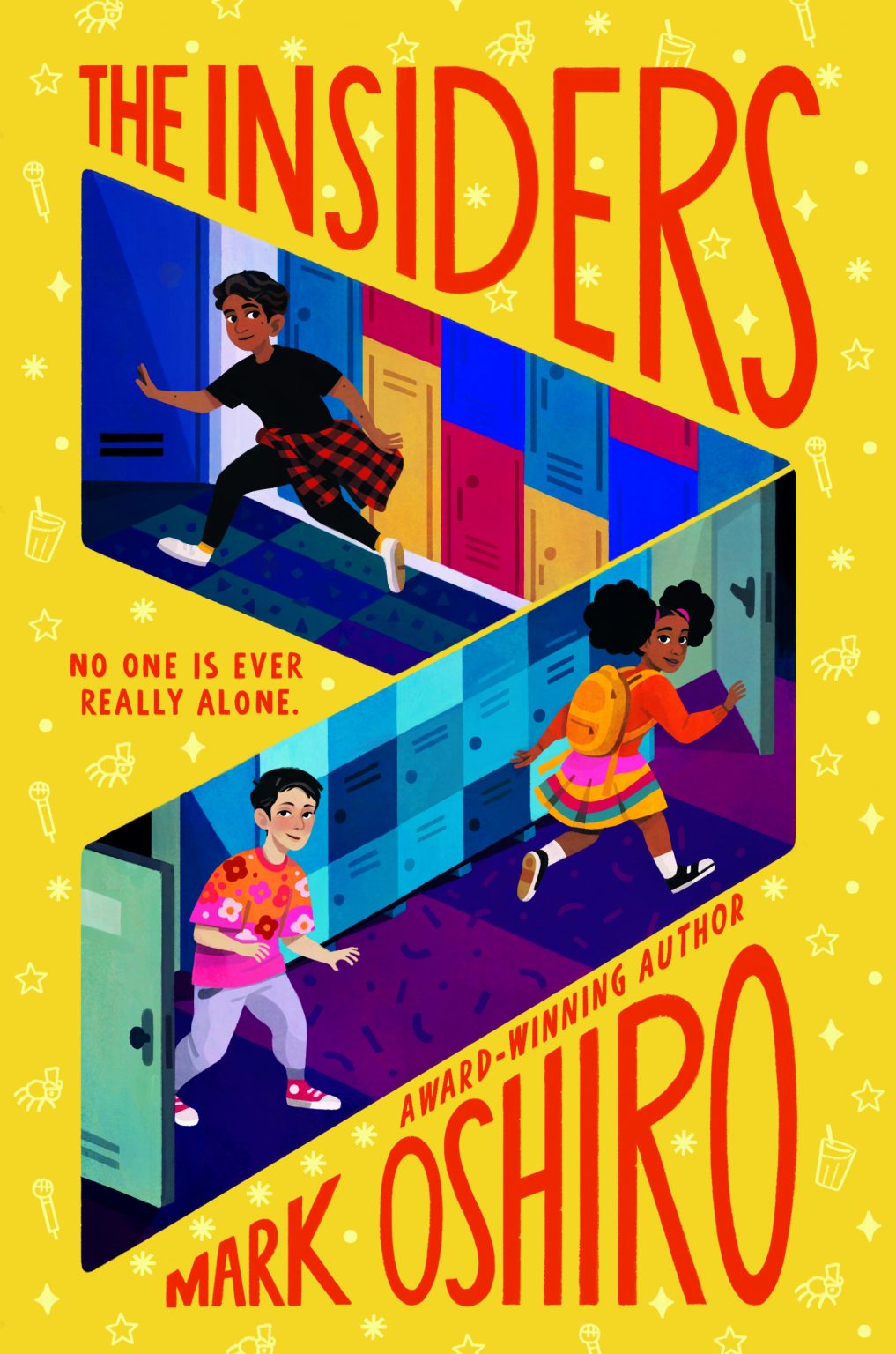
In Mark Oshiro’s The Insiders (HarperCollins, 2021), Hector Munoz, a gay kid in a new school, is miserable and isolated until he finds a door in the janitor’s closet that connects to a magical room where he finds support and friends. For ages 8-12.
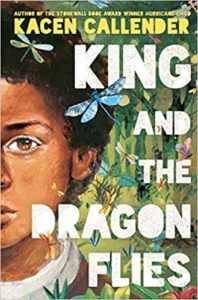
In Kacen Callender’s King and the Dragonflies (Scholastic, 2020), 12-year-old King is dealing both with the death of his older brother, his father’s definition of what it takes to be a man, and his feelings for his (male) friend Sandy. A haunting and wonderful story for ages 9-12.
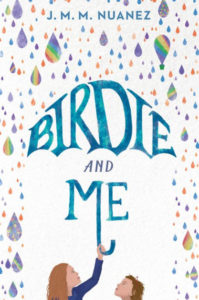
In J.M.M. Nuanez’s Birdie and Me (Puffin, 2021), 12-year-old Jack (short for Jacqueline) and her little brother, Birdie, after their mother’s death, have been sent first to live with sweet, but irresponsible Uncle Carl, then with gruff and conventional Uncle Patrick. There Birdie, who favors pink leggings and nail polish and maintains a “Book of Fabulous,” runs into trouble: Uncle Patrick, worried that Birdie will be prey to bullies, tries to force him to conform to gender norms. It’s a story of adults and children learning to understand each other as they gradually form a new and larger family. For ages 10-12.

In James Howe’s The Misfits (Atheneum, 2003), the four misfits – Bobby, an overweight 12-year-old tie salesman, rabble-rousing Addie, Skeezie, dubbed a hooligan, and Joe, who is gay – are all victims of name-calling in middle school. So they decide to do something about it. An upbeat story about the damaging effects of stereotyping and labels. For ages 10-14.

In Lisa Bunker’s Felix Yz (Puffin, 2018), 13-year-old Felix’s brain is fused with that of a Zyx, a hyperintelligent fourth-dimensional being, after a science experiment went dreadfully wrong. Now the two must be separated by the Procedure, which may kill them both. The book is written in the form of Felix’s secret blog as he counts down the days until the Procedure – complicated by Felix’s problems in middle school, which include a crush on classmate Hector, and the dynamics of family life, which include a very cool gender-unusual grandparent who divides the week between male and female personas. For ages 10-14.

Raina Telgemeier’s Drama (Graphix, 2012) is a graphic novel about a middle-school drama production – set against a background of burgeoning middle-school social relationships. Praised for its positive depiction and normalization of LGBTQ characters through Jesse and Justin, a pair of talented gay twins. For ages 10-14.

In Jen Wang’s The Prince and the Dressmaker (First Second, 2018), Prince Sebastian is supposed to be looking for a bride – but actually is spending his time donning gorgeous dresses and wowing Paris society in the guise of the Lady Crystallia. Only Frances, the talented little dressmaker, knows his secret. A very different Cinderella story for ages 12 and up.
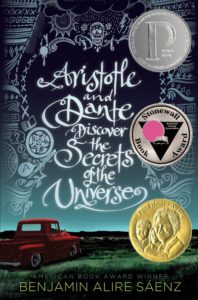
Benjamin Alire Saenz’s Aristotle and Dante Discover the Secrets of the Universe (Simon and Schuster, 2014) is a thoughtful and complex coming-of-age story about two boys falling in love: 15-year-old Aristotle (Ari), coping with a brother in prison and a father suffering from PTSD, and Dante, passionate about art and books. For ages 13 and up.
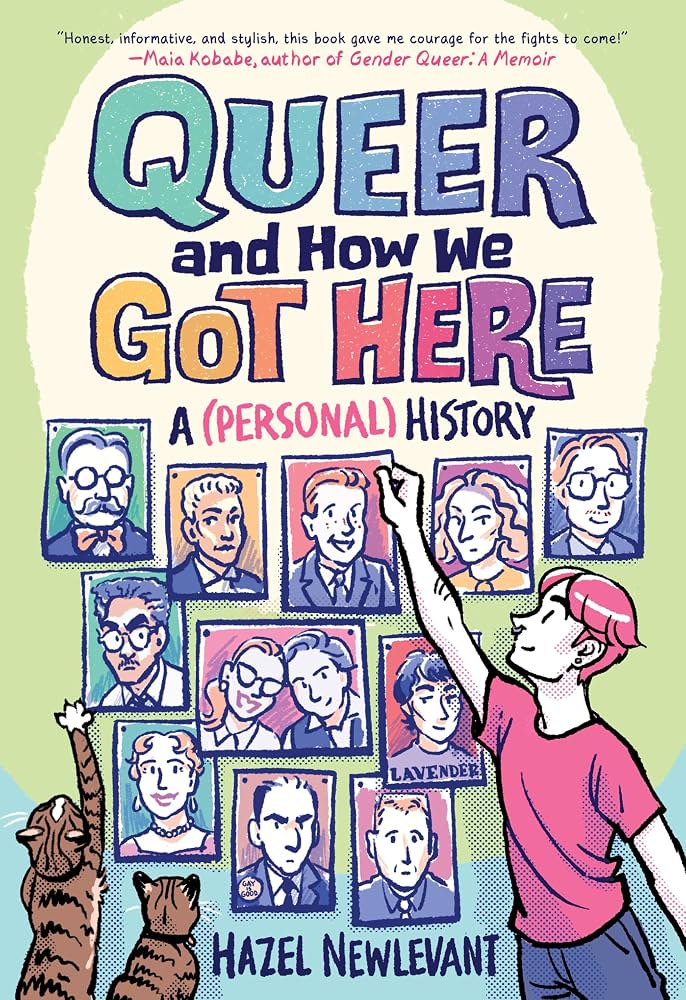
By Hazel Newlevant, Queer and How We Got to Here (Little, Brown Ink, 2026) is a mix of historical narrative and personal memoir as Hazel – who came out as bisexual at the age of 12 – learns to understand gender identity. For ages 14 and up.
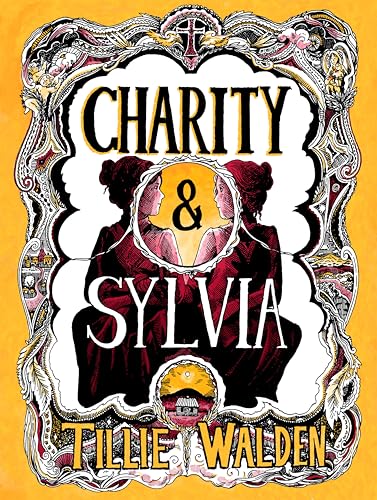
By Tillie Walden, Charity and Sylvia (Drawn and Quarterly, 2026) is the graphic-novel story of Charity Bryant and Sylvia Drake, an openly lesbian couple who lived – and thrived – in the village of Weybridge, Vermont, in the early 19th century. A groundbreaking biography of a pair of remarkable women for teens and up.
Trans Kids
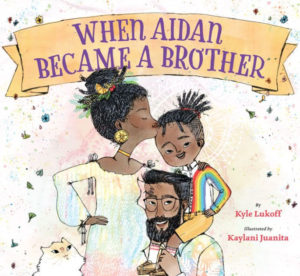
When Aidan, the trans boy character in Kyle Lukoff’s When Aidan Became a Brother (Lee & Low, 2019), was born, everyone assumed he was a girl. Now Aidan’s parents are expecting a new baby – and as they design the new nursery, Aidan worries that the new baby will be misunderstood like he was. Supportive parents explain that mistakes might be made – but they can always be fixed. For ages 4-7.
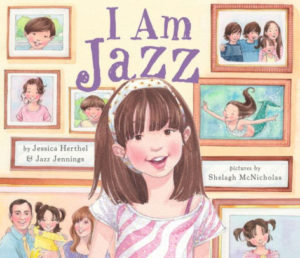
By Jessica Herthel I Am Jazz (Dial, 2014) is a picture-book account of real-life transgender kid Jazz Jennings, who knew from toddlerhood that she had a girl’s brain in a boy’s body. For ages 4-8.
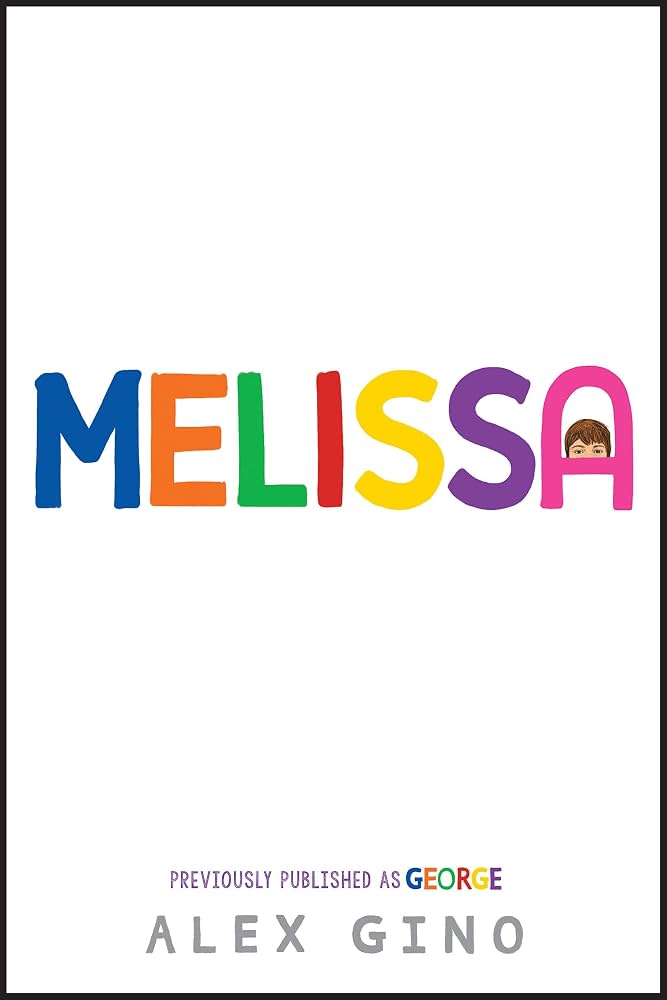
In Alex Gino’s Melissa (Scholastic, 2022), George may seem like a boy – but she knows in her heart that she’s a girl. Which is why she wants to play Charlotte in the class production of Charlotte’s Web. For ages 8-12.
Also by Gino, see Rick (Scholastic, 2020) in which Rick, despite a lot of pressure from his dad and his best friend, ends up in the school’s Rainbow Spectrum club where he meets Melissa (once George) and begins to explore his own identity. For ages 8-12.

By Caroline Huntoon, in Skating on Mars (Feiwel & Friends, 2023), 12-year-old nonbinary Mars – a talented figure skater – struggles to find a place in the binary world of skating when challenged to compete as a boy by high-school skating champ Xander in the Snowball competition. For ages 8-12.
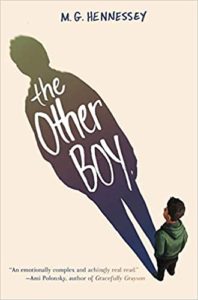
In M.G. Hennessey’s The Other Boy (HarperCollins, 2019), Shane was born a girl, but knows he’s really a boy. When Shane and his mother move from San Francisco to Los Angeles in middle school, Shane socially transitions to living as a boy – though his father refuses to allow him the testosterone injections that would take him through male puberty. Inevitably Shane’s secret comes out – though Alejandra, a Latina trans girl, gives him the support he needs. For ages 9-12.
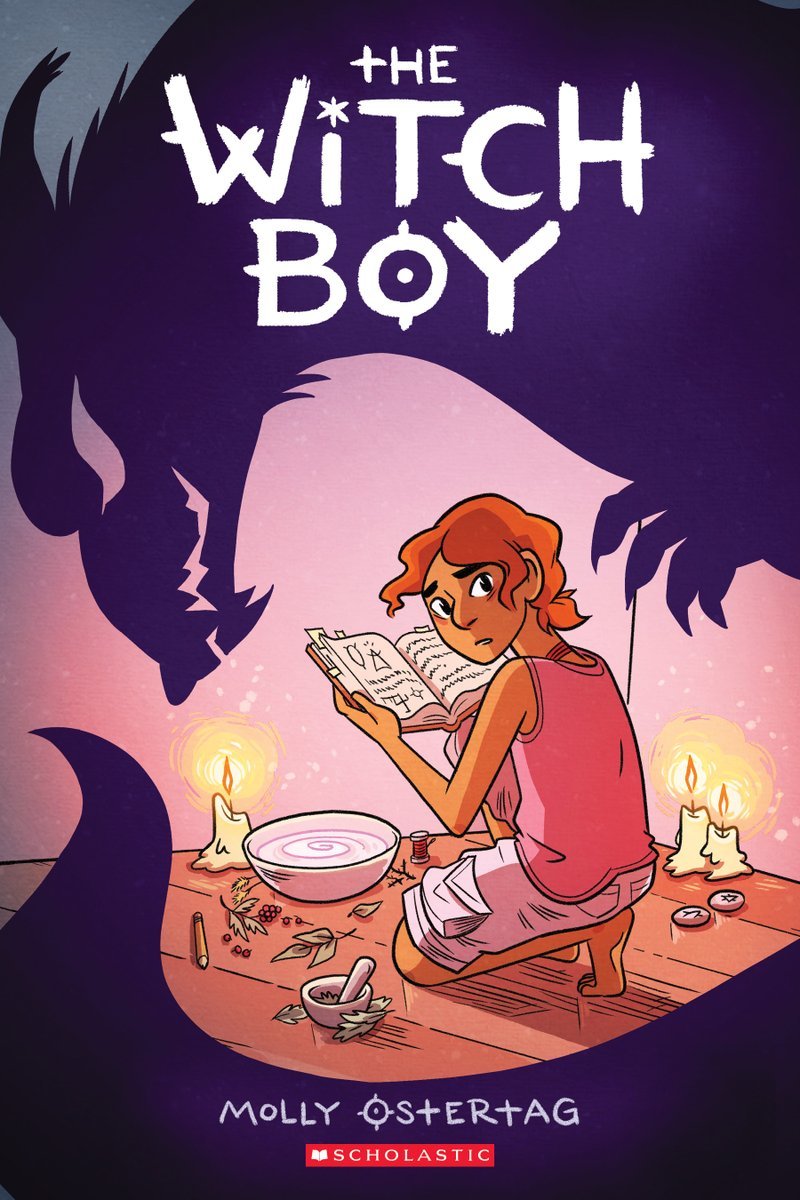
In Lee Knox Ostertag’s graphic novel The Witch Boy (Graphix, 2017), in 13-year-old Aster’s family all the girls grow up to be witches, the boys, shape-shifters. Aster hasn’t shifted; instead he’s been practicing witchcraft and wants to be a witch. An allegory for gender nonconformity and the courage for being oneself. For ages 9-13.
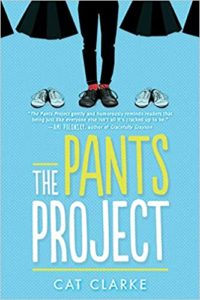
In Cat Clarke’s The Pants Project (Sourcebooks, 2019), 11-year-old Liv (not Olivia) knows he was always meant to be a boy – but the school’s conservative dress code is forcing him to wear skirts. So Liv institutes the Pants Project. Issues of gender identity, bullying, acceptance and respect, and social justice. For ages 9-13.
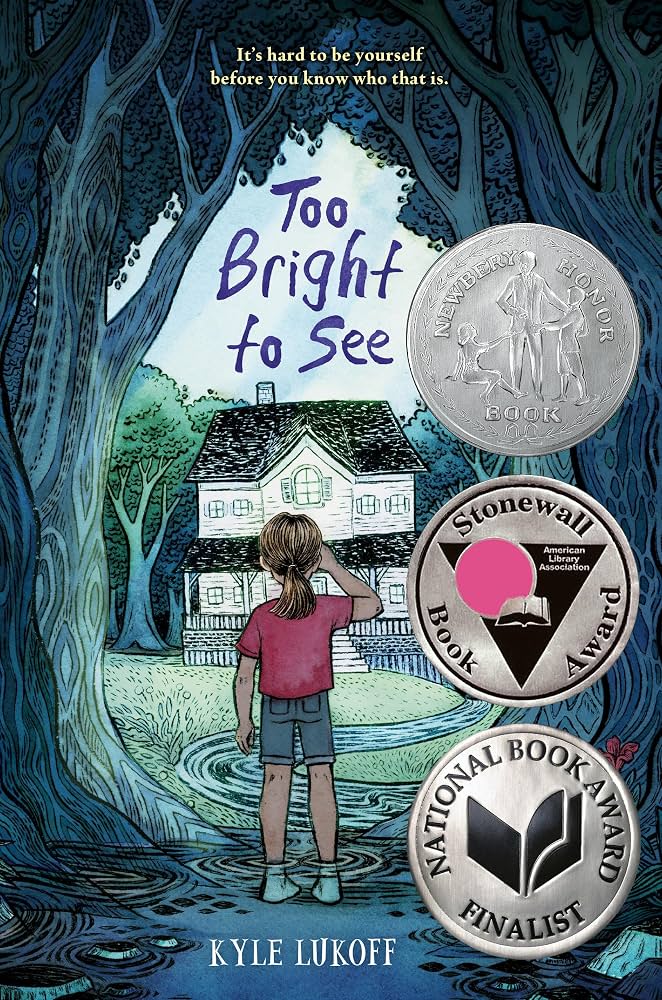
In Kyle Lukoff’s Too Bright to See (Dial, 2022) – a Newbery Honor book - 11-year-old Bug and best friend Moira are preparing for middle school – but unlike Moira, unhappy Bug has no interest in trying to be a girl. With some help from the ghost of her Uncle Roderick, Bug comes to realize the problem: she’s really a transgender boy. For ages 10 and up.

In Lisa Bunker’s Zenobia July (Viking, 2019), Zenobia – who used to live in Arizona with her dad – has moved to Maine to live with her aunts. There, though she’s previously been thought to be a boy, she’s coming out as a girl – but now has to combat cruel memes about her past that start popping up on her new school’s website. Luckily Zenobia is a kickass hacker. For ages 10-13.
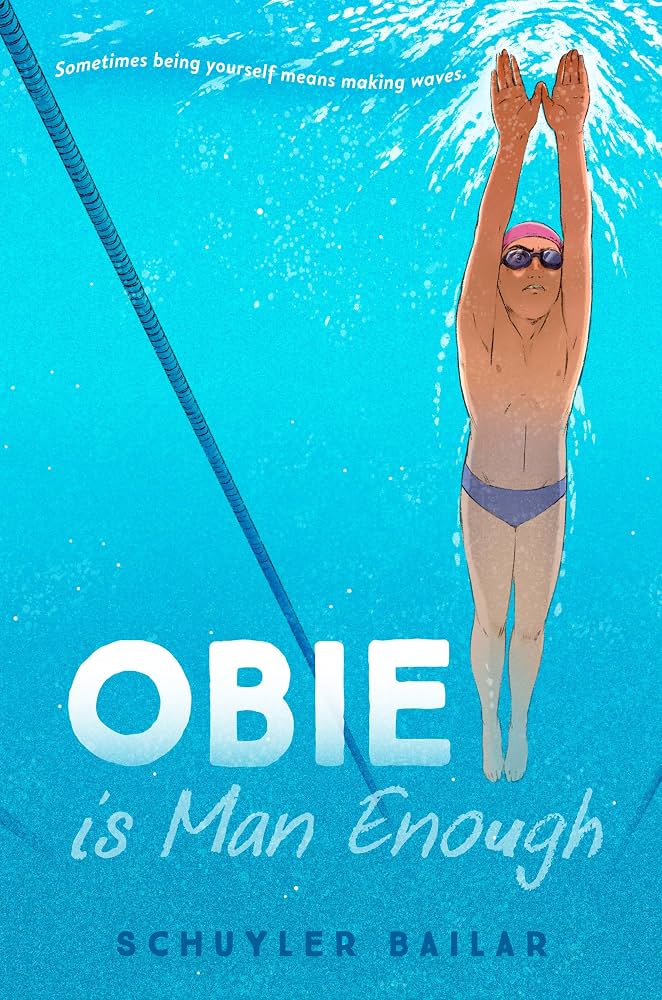
In Schuyler Bailar’s Obie Is Man Enough (Yearling, 2023), transgender tween Obie, after his transition, has been forced to leave his swim team and friends and start again. He’s got the support of a loving family and new crush Charlie (a cis-gender biracial girl), but he still has to cope with bullying and transphobia and he trains to qualify for the Junior Olympics. For ages 10-13.

Ami Polonsky’s Gracefully Grayson (Little, Brown, 2016) tackles the question of “What if who you are on the outside doesn’t match who you are on the inside?” Grayson Sender, born as a boy, is really a girl. Kirkus calls this one “a kind and earnest look at a young transgender adolescent’s experience.” For ages 10-14.

In Donna Gephart’s Lily and Dunkin (Yearling, 2018), Lily (born Timothy), a transgender girl, and Dunkin (born Norbert), who has bipolar disorder, forge a wonderful relationship. In a tree. For ages 10 and up.
Lgtbq History
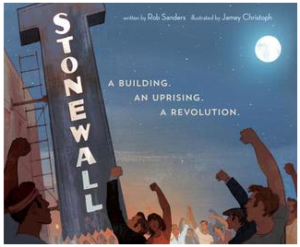
By Rob Sanders, Stonewall (Random House, 2019) is a picture-book story of the 1969 raid on the Stonewall Inn in New York city and the beginning of the gay rights movement. A powerful civil rights story for ages 5-8.
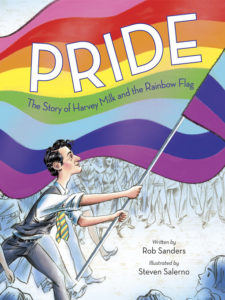
By Rob Sanders, Pride: The Story of Harvey Milk and the Rainbow Flag (Random House, 2018) is the picture-book account of Harvey Milk’s defense of gay rights and the design of the rainbow flag that became the symbol and inspiration of a political movement. A good introduction for ages 5-8.
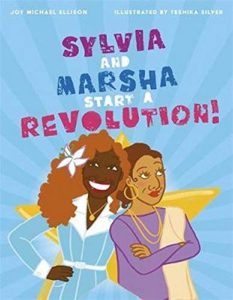
By Joy Michael Ellison, Sylvia and Marsha Start a Revolution (Jessica Kingsley Publishers, 2020) is the story of activists Sylvia Rivera and Marsha Johnson, both trans women of color, who found for respect and equality for the LGTBQ community. For ages 7-10.
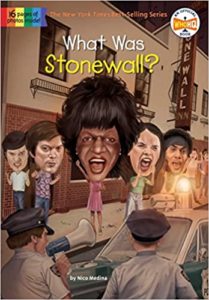
Nico Medina’s What Was Stonewall? (Penguin Workshop, 2019) is the story of how a spontaneous protest that arose at New York City’s Stonewall Inn led to the powerful LGBTQ rights movement in the U.S. For ages 8-12.
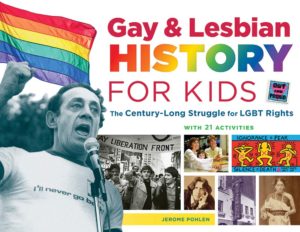
Jerome Pohlem’s Gay and Lesbian History for Kids (Chicago Review Press, 2015) is an overview of the century-long struggle for LGBTQ rights. Included are a timeline, capsule biographies, historical photographs, and 21 hands-on activities. For ages 9 and up.
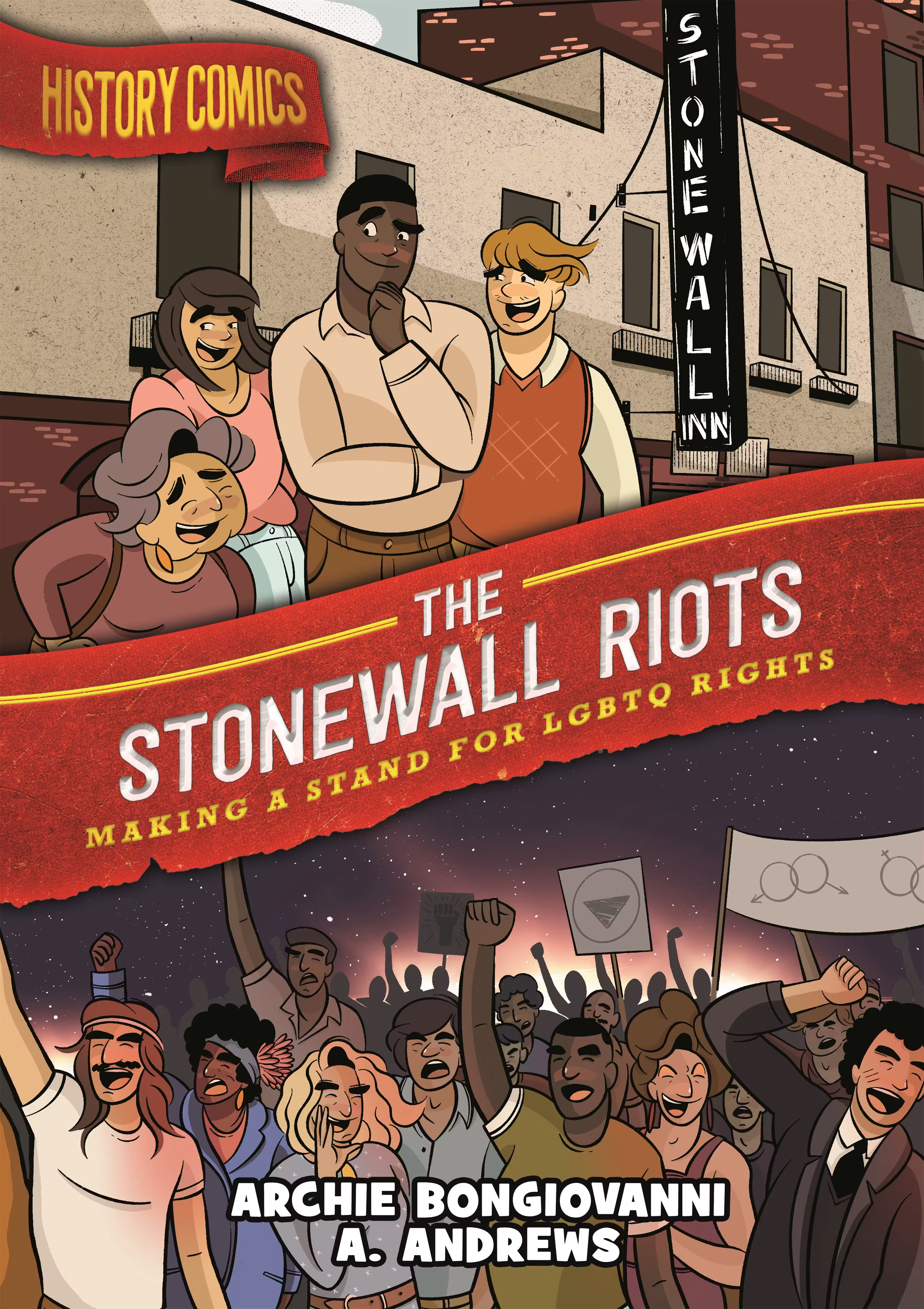
In Archie Bongiovanni’s The Stonewall Riots: Making a Stand for LGBTQ Rights (First Second, 2022) in the extensive History Comics series, three teenagers are transported from the present to the Stonewall Riots in the summer of 1969. For ages 9-13.
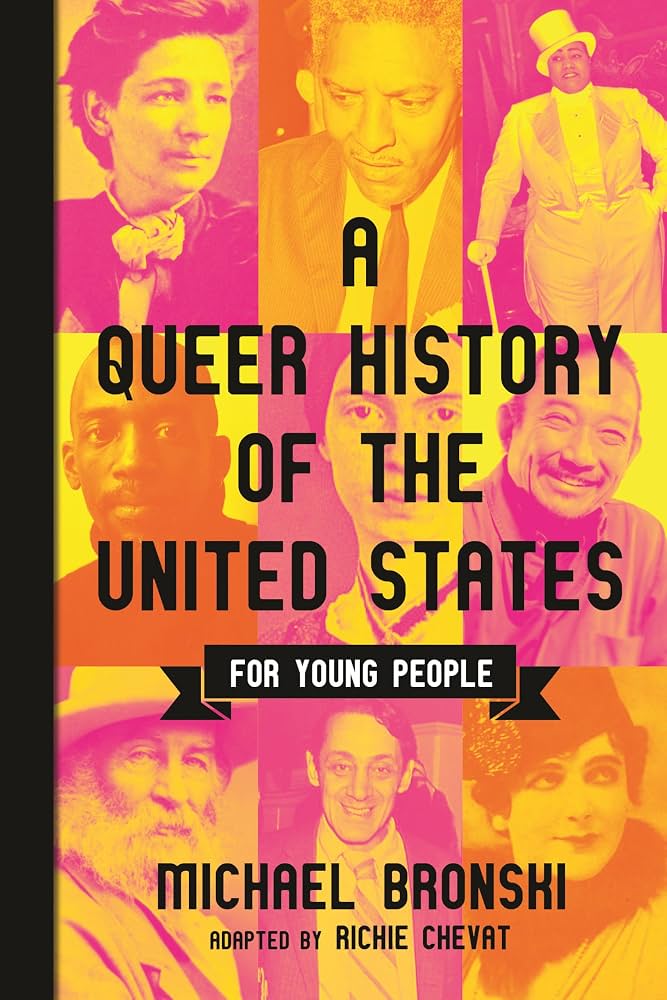
By Richie Chevat and Michael Bronski, A Queer History of the United States for Young People (Beacon Press, 2019) covers over 400 years of LGBTQ history using a mix of photos, letters, poems, fact boxes, and a reader-friendly narrative for ages 12 and up.
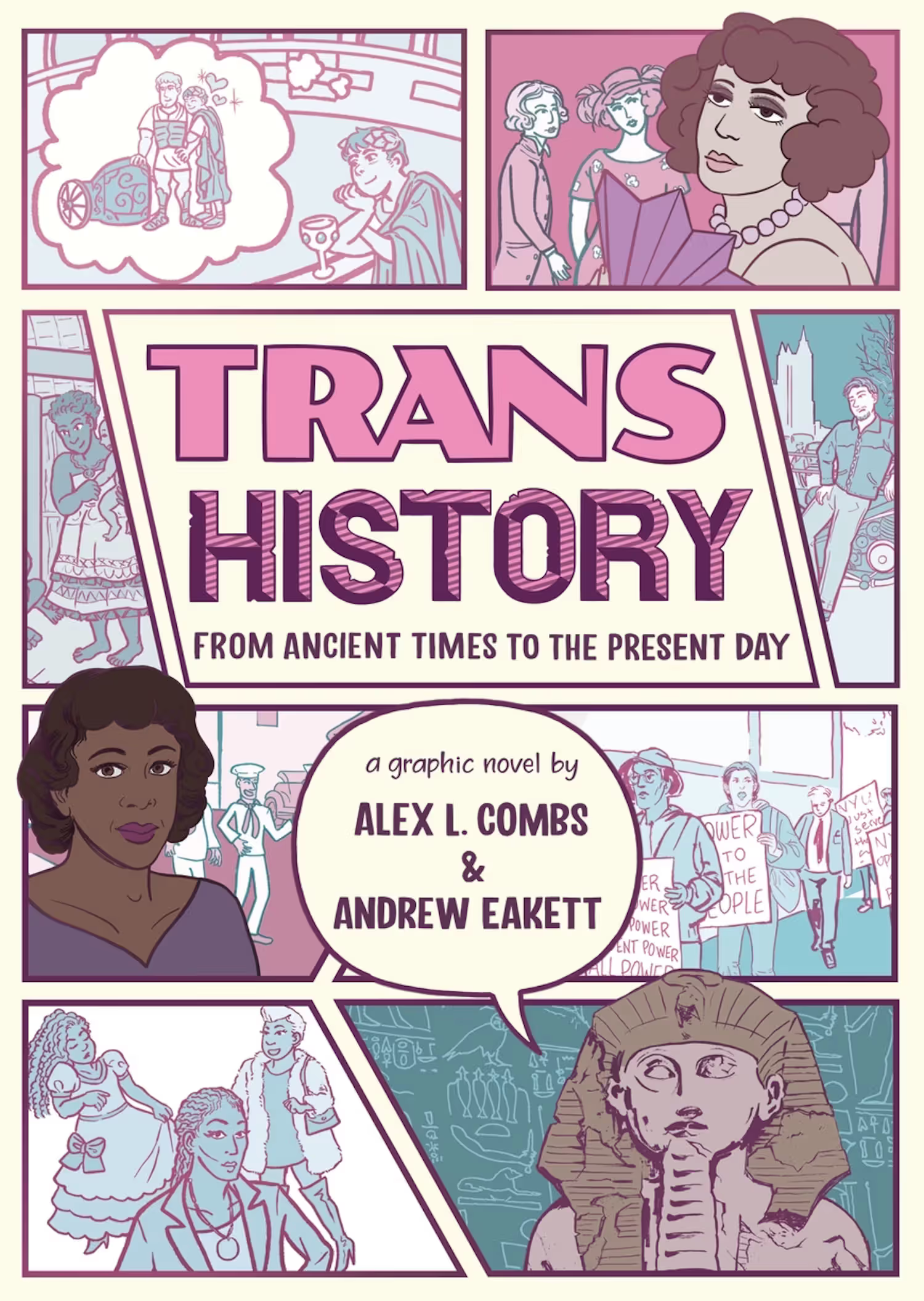
By Alex L. Combs and Andrew Eakett, Trans History: From Ancient Times to the Present Day (Candlewick, 2025) covers the long and conflicted story of gender nonconformity in graphic novel format. (Some points seem stretched: the fact that the female pharaoh Hatshepsut wore the traditional ceremonial beard probably isn’t enough to identify her as trans.) On the whole, though, an eye-opening read for ages 12 and up.
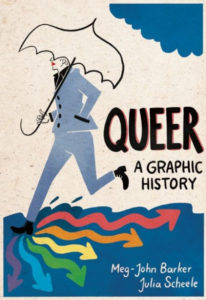
Meg-John Barker’s Queer: A Graphic History (Icon Books, 2016) is a well-done overview for ages 16 and up.
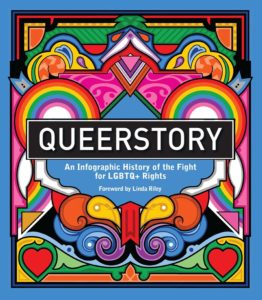
Rebecca Strickson’s Queerstory (Tiller Press, 2020) is a beautifully designed infographic history of the LGBTQ movement for teens and adults.
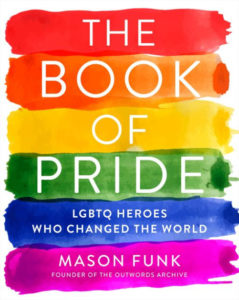
Mason Funk’s The Book of Pride (HarperOne, 2019) covers the leaders, activists, and others who fought for the gay pride movement from the 1960s to the present. Subtitled “LGBTQ Heroes Who Changed the World.” For teens and adults.
See this annotated LGBTQ Rights Timeline in American History.