
IN THE NEWS
In this collection
While younger kids don't need to hear the all the painful details of the daily news, it is important as they grow older to be aware to what's going on in the country and the world. It's also important, in this age of fake news, conspiracy theories, and mis- and disinformation, to be able to evaluate sources for reliability.
You might start by having kids share an interesting news story of the day at the dinner table. Which is how we learned a lot about zombie ants, Viking swords, and penguins.
History and the News
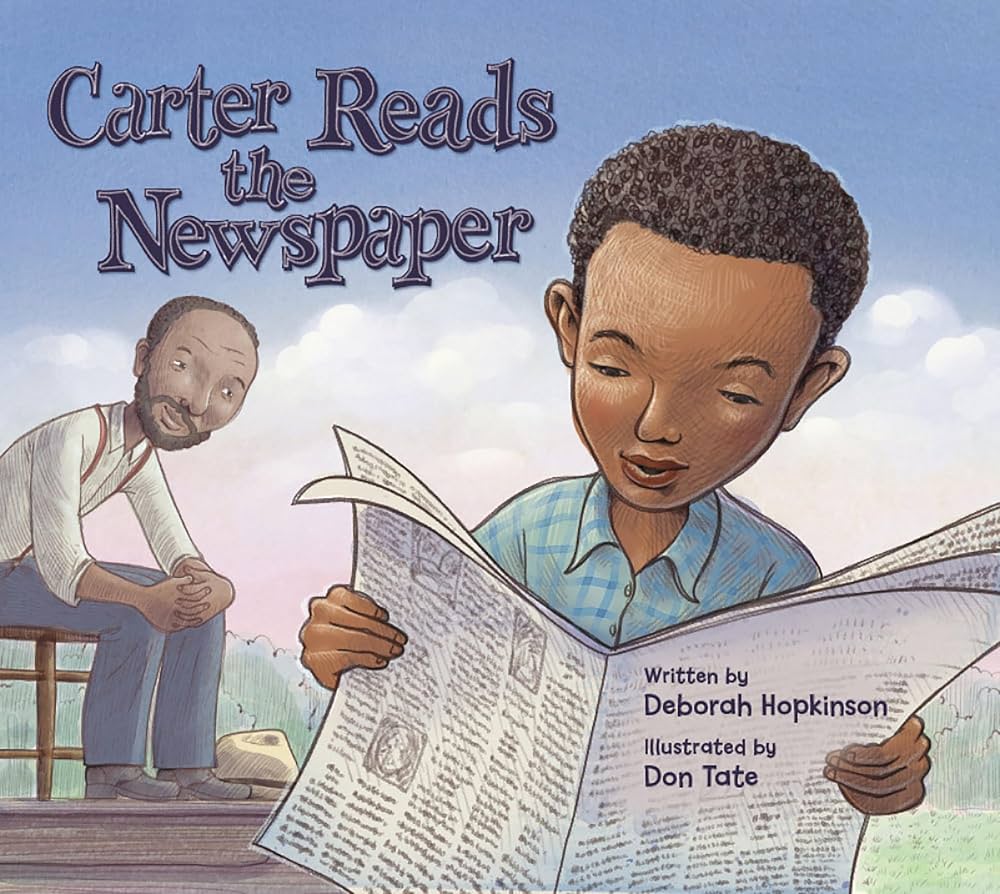
Deborah Hopkinson’s Carter Reads the Newspaper (Peachtree, 2021) is the picture-book story of Carter Woodson – who began by reading the newspaper to his illiterate, formerly enslaved father which gave him his first glimpses of the outer world. Later Carter read the newspapers to his fellow workers in the coal mines – and soon began to research issues about which they had questions. Carter went on to earn a doctorate from Harvard, to establish the study of Black history, and to found Black History Month. For ages 6-9.
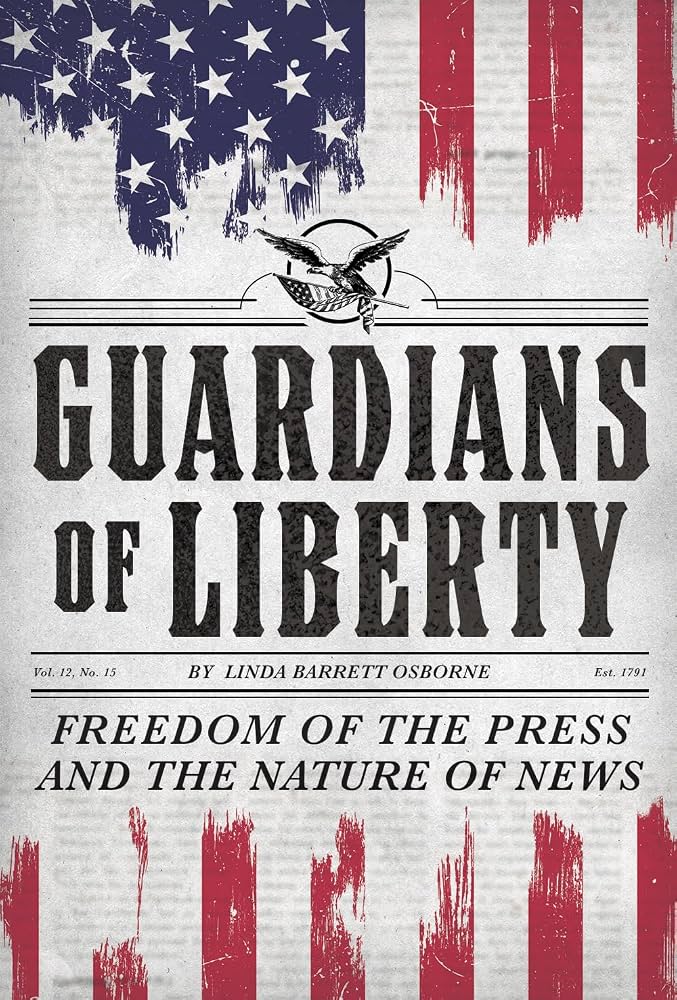
By Linda Barrett Osborne, Guardians of Liberty (Abrams, 2020) covers freedom of the press and the nature of news with many examples from the Revolutionary War through the first Trump administration. For ages 10-14.
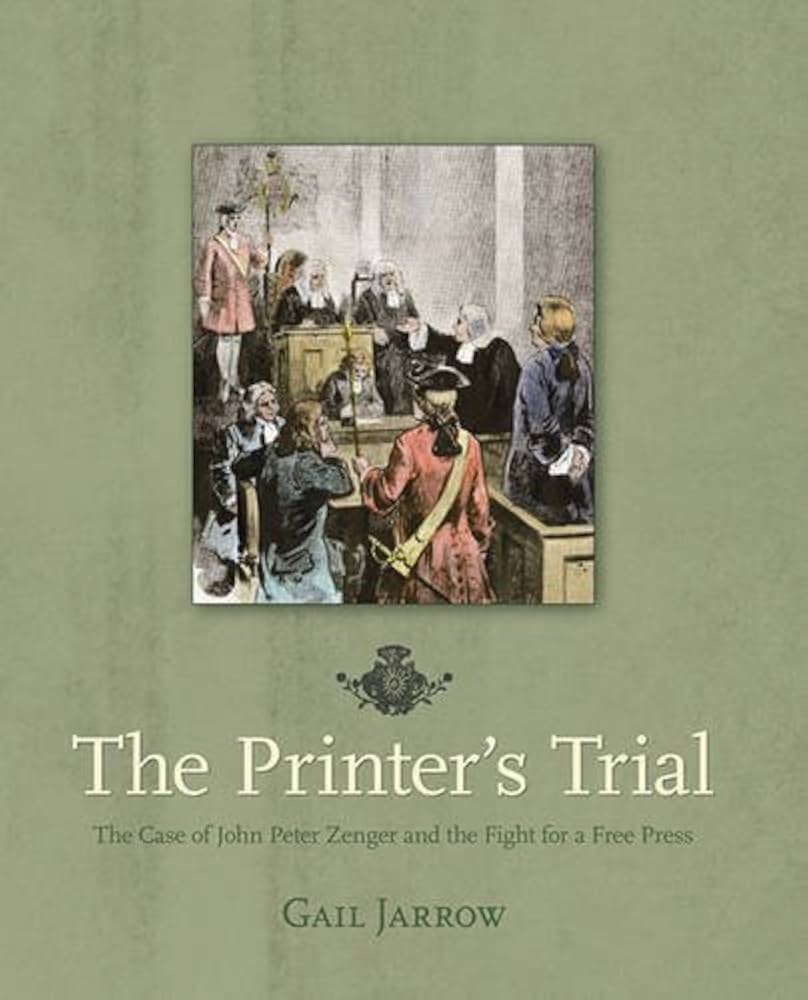
There doesn’t seem to be much in print for kids about the 1735 trial of John Peter Zenger – a landmark event that established the American precedent for freedom of the press. Worth tracking down is Gail Jarrow’s The Printer’s Trial (Calkins Creek, 2006), an account of Zenger’s trial for libel after he published an article criticizing the British governor of New York. (He was defended in court by Alexander Hamilton.) For ages 9-12.
For teens and adults, see Richard Kluger’s Indelible Ink: The Trials of John Peter Zenger and the Birth of America’s Free Press (W.W. Norton, 2017).
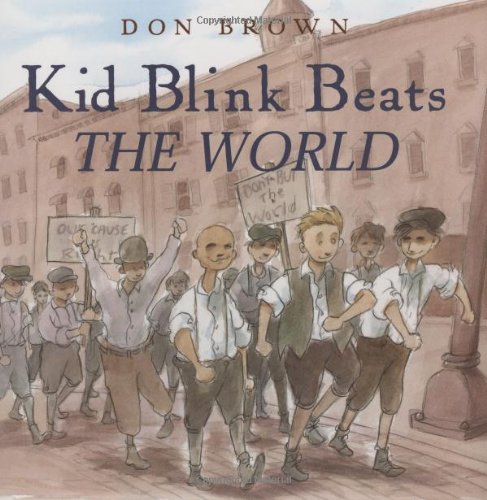
By Don Brown, Kid Blink Beats the World (Roaring Brook Press, 2004) is the picture-book story of the newsboys’ strike of 1899 – when the boys who sold newspapers on the New York City streets went on strike when the press owners threatened to charge them an extra penny to buy their papers. For ages 6-10. See https://www.zinnedproject.org/materials/kid-blink-beats-the-world/.
By Nel Yomtov, The 1899 Newsboys’ Strike (Capstone, 2022) is a graphic-novel account of the strike for ages 8-11.
Disney’s Newsies, the 1992 musical based on the 1899 newsboys’ strike, is rated PG. See https://www.imdb.com/title/tt0104990/.
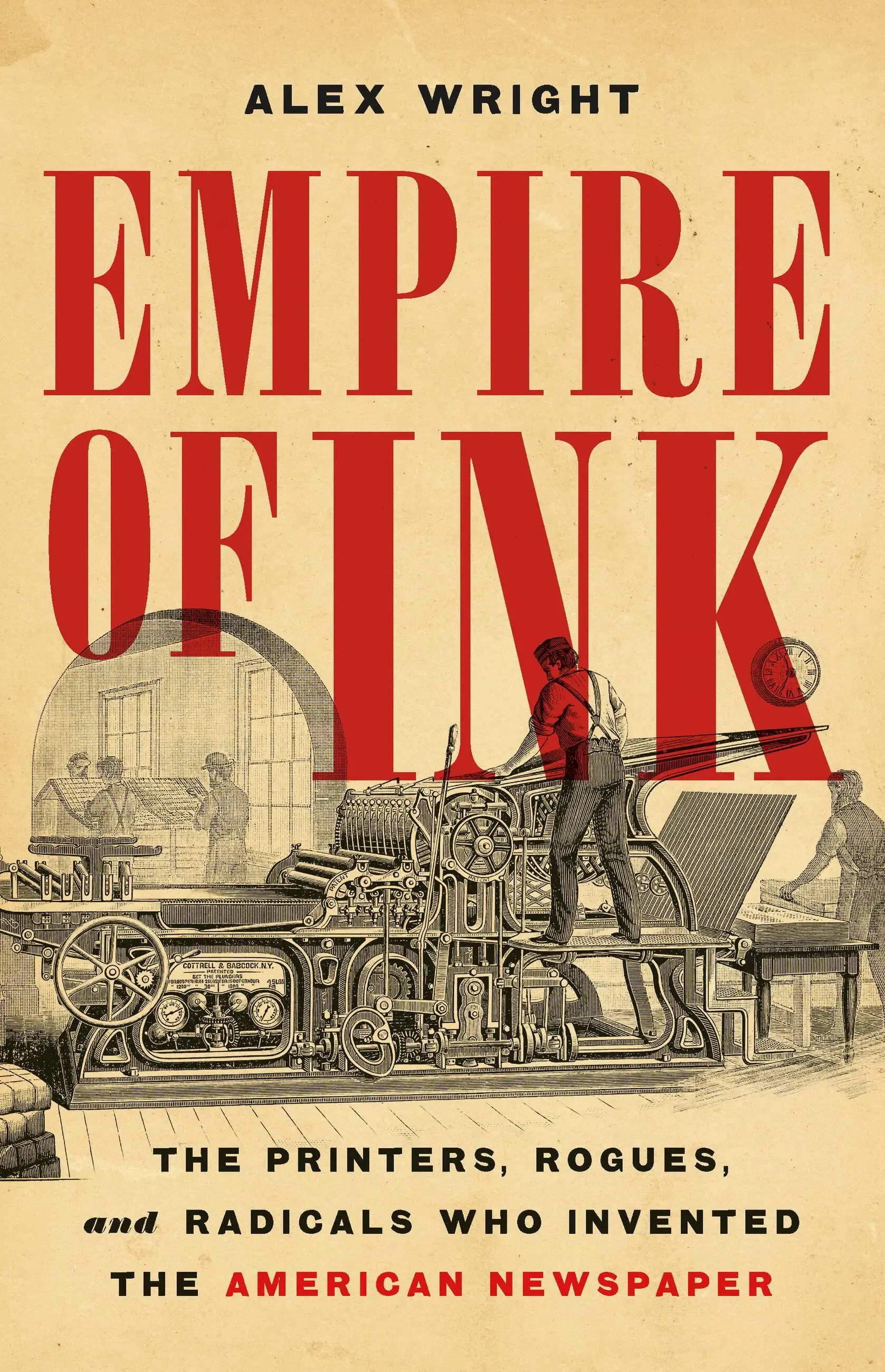
By Alex Wright, Empire of Ink (Basic Books, 2026) – subtitled “The Printers, Rogues, and Radicals Who Invented the American Newspaper” – is a sweeping history of the press for older teens and adults.
From Kiddle, see History of American Newspapers: Facts for Kids at https://kids.kiddle.co/History_of_American_newspapers. (The first newspaper in America was printed in Boston in 1690. It was shut down after just one issue.)
For a history of newspaper, starting with the advent of Gutenberg’s printing press, see https://2012books.lardbucket.org/books/culture-and-media/s07-01-history-of-newspapers.html.
What's in the News?
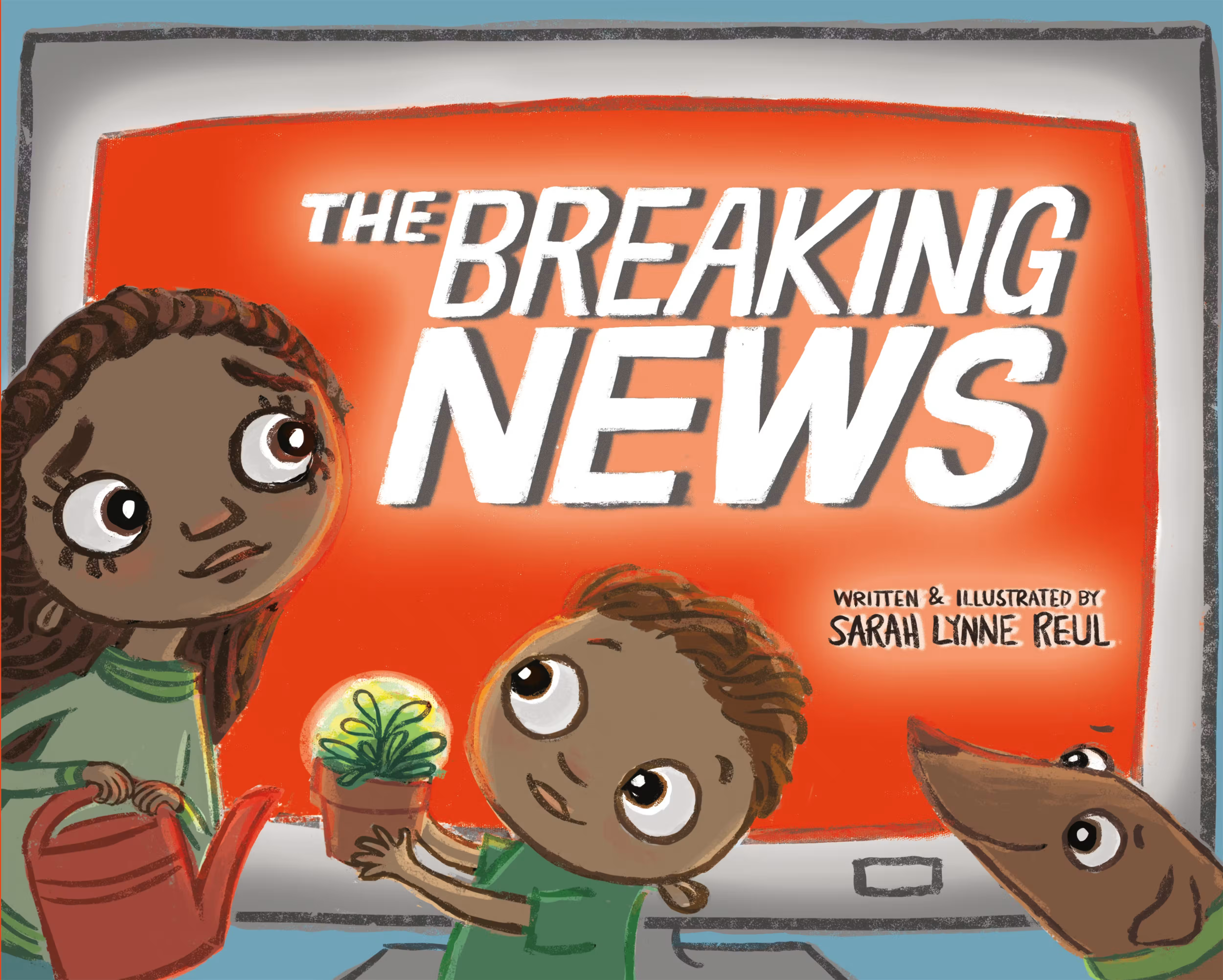
The news can be stressful or even scary. By Sarah Lynne Reul, The Breaking News (Roaring Brook Press, 2018) suggests ways of coping – through small acts of kindness and honest conversations. For ages 4-8.
The Teaching Kids News website at https://teachingkidsnews.com/ is an excellent resource for keeping kids up to date on current events and promoting critical thinking. The site covers Politics, Arts, Entertainment, Science, Sports, and Fake News, along with online games, research articles, and links to media literacy organizations. Highly recommended.

KidNuz is a daily news podcast for kids aimed at engaging listeners in current events, encouraging critical thinking, and promoting conversations. Included at the website are associated resources including daily quizzes, additional information, worksheets, and materials for junior journalists. See https://www.kidnuz.org/.
The Ten News is a news podcast for ages 8-12 (and their grown-ups). Included at the website are links to additional information. See https://www.thetennews.com/.
Newsy Pooloozi at https://www.newsypooloozi.com/ is a weekly news podcast for kids by kids covering science, technology, arts, culture, sports, current affairs, and more. See the website if you’d like to be a kid podcaster or if you’ve got a story to share.
On The Big Fib, each week a kid interviews two experts on a chosen topic, one of whom is a credentialed expert, the other of whom is a liar. An exercise in asking good questions and weighing the evidence. See https://podcasts.apple.com/us/podcast/the-big-fib/id1348469682.
TIME for Kids is a monthly news magazine available in four editions, variously for grades K-1, 2, 3-4, and 5-6. See https://www.timeforkids.com/.
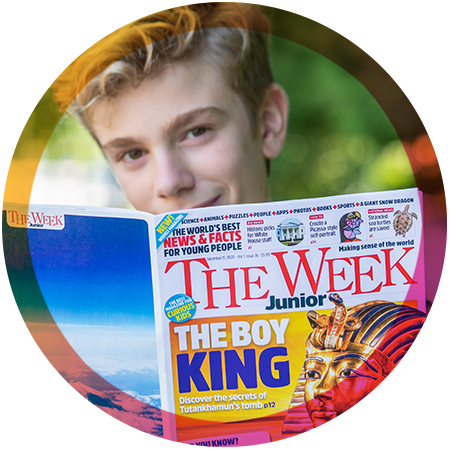
The Week Junior is an illustrated news magazine for ages 8-14 covering current events and news on nature, science, technology, sports, culture, and literature. See https://theweekjunior.com/.
Fake News - And How to Spot It
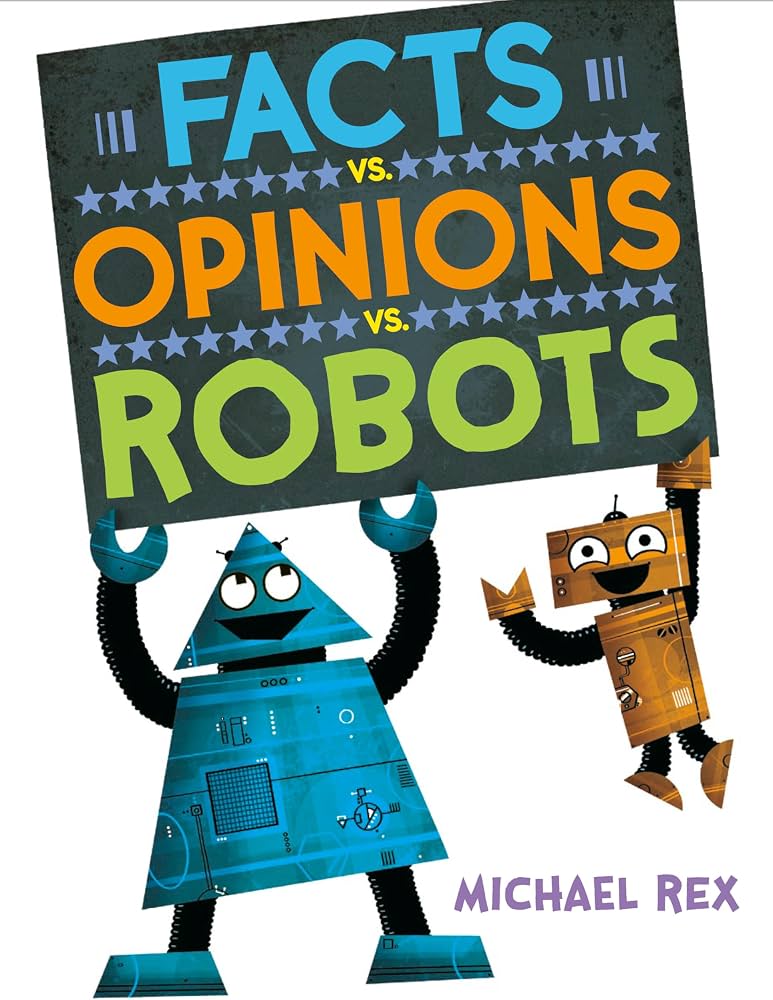
By Michael Rex, Facts vs. Opinions vs. Robots (Nancy Paulsen Books, 2020) is a hilarious – and seriously useful – account of how to differentiate between facts and opinions – with robots! (“The robot is green” – fact or opinion? What about “Green is a good color for robots”?) For ages 5-8.
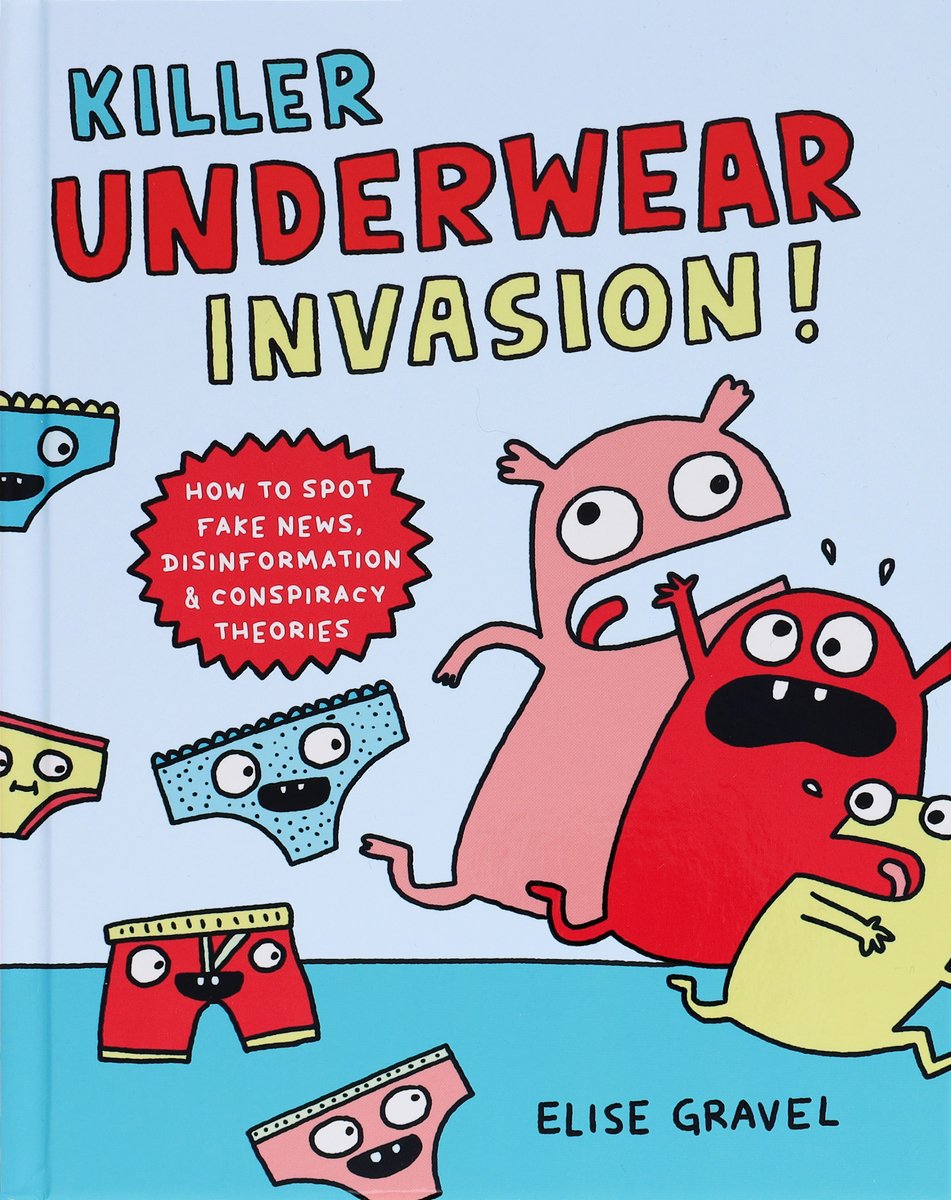
By Elise Gravel, Killer Underwear Invasion! (Chronicle Books, 2022) – illustrated in witty comic-strip style – covers fake news, how it spreads, and how to determine what’s true and what isn’t. (Can peanuts give you super-strength? Are there man-bats on the moon?) For ages 7-10.
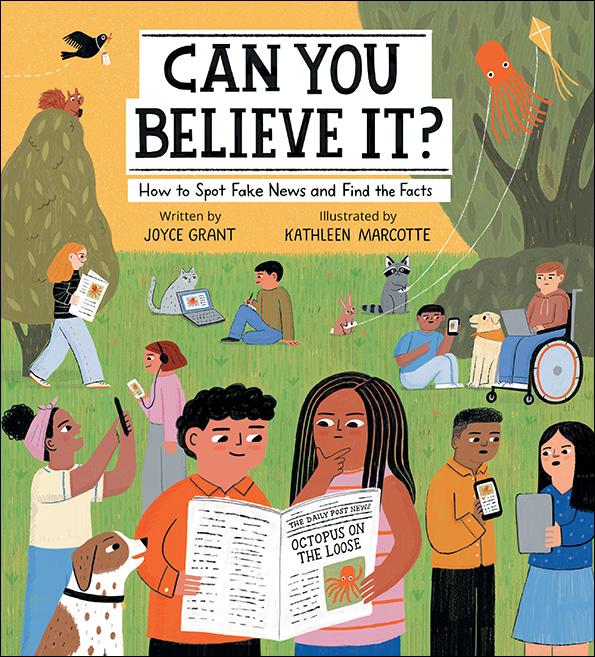
By Joyce Grant with colorful illustrations by Kathleen Marcotte, Can You Believe It? (Kids Can Press, 2022) covers how the news is made and what fake news is and how to spot it, with many thought-provoking examples. For ages 9-12.
Also by Grant, see Burst Your Bubble! (OwlKids, 2025), an explanation of internet algorithms and how they can be used to influence and limit the availability of information. For ages 8-12.
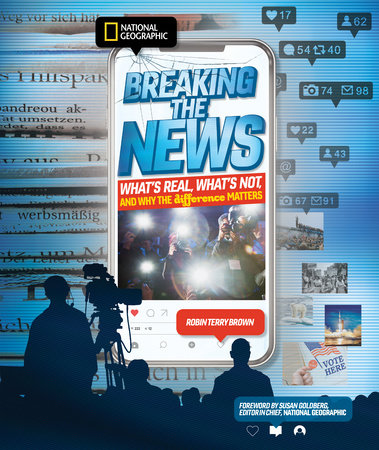
By Robin Terry Brown, Breaking the News (National Geographic Kids, 2020), subtitled “What’s Real, What’s Not, and Why the Difference Matters,” is a creatively designed media literacy book filled with catchy facts, iconic photos, and information on freedom of speech and the dangers of propaganda. For ages 10-14.
Hoaxes and Lies: Or Fooling Some of the People Some of the Time
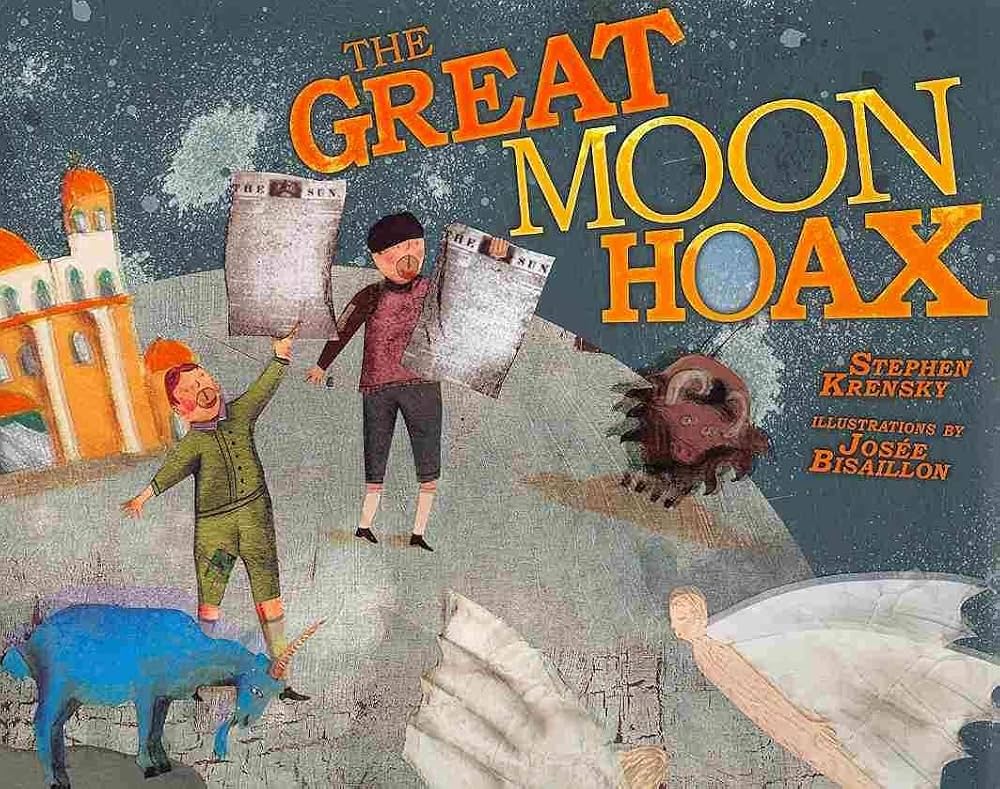
By Stephen Krensky, The Great Moon Hoax (Carolrhoda, 2011) is an account of the New York Sun’s wildly popular stories in the 1830s about astronomer Sir John Herschel’s discovery of life on the moon – including man-bats and moon beavers and buffaloes. The story is told from the point of view of Jake and Charlie, a pair of young newsboys. For ages 6-9.
For older teens and adults, see Matthew Goodman’s The Sun and the Moon (Basic Books, 2008), the story of how six splashy articles about life on the moon published in 1835 made the New York Sun the most widely read newspaper in the world.
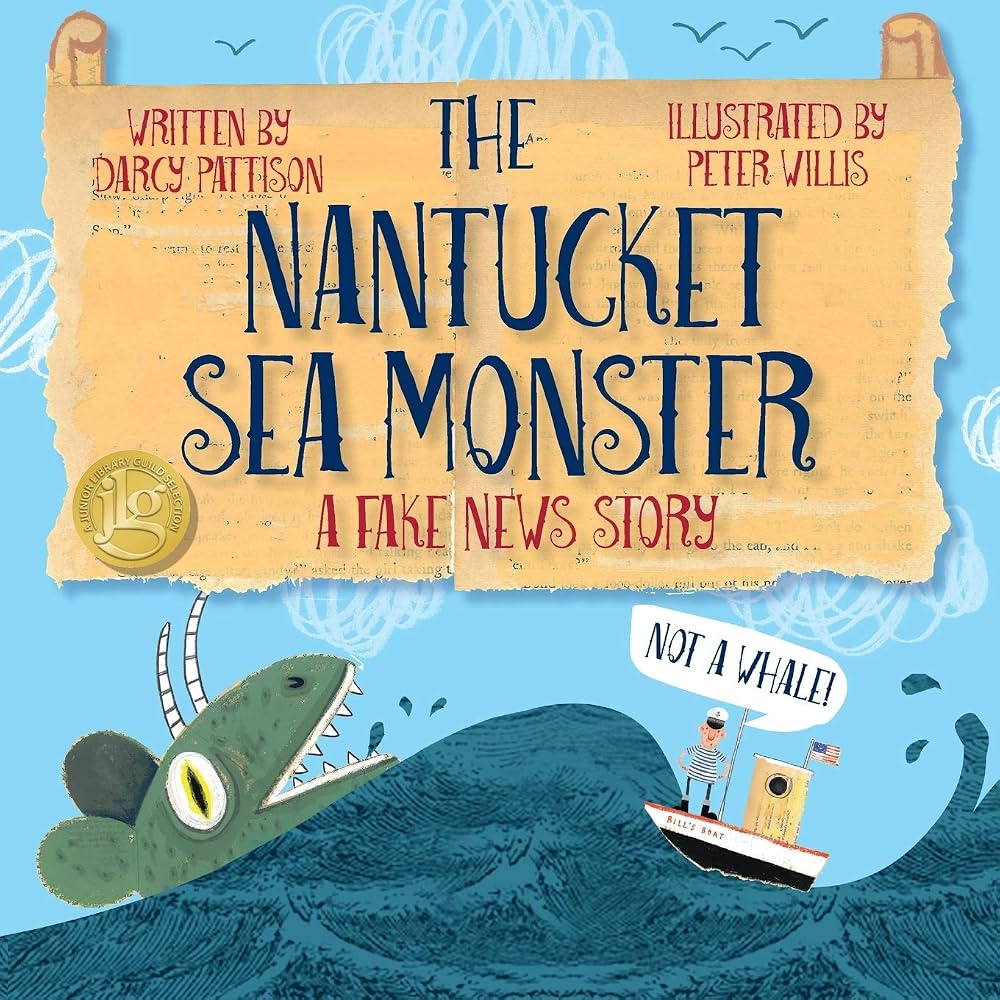
By Darcy Pattison, The Nantucket Sea Monster (Mims House, 2017) is the story of a sea monster, spotted off Nantucket Island in 1937, that soon became a newspaper sensation – until the story turned out to be totally false. A good discussion-promoter on freedom of the press and fake news for ages 7-10.
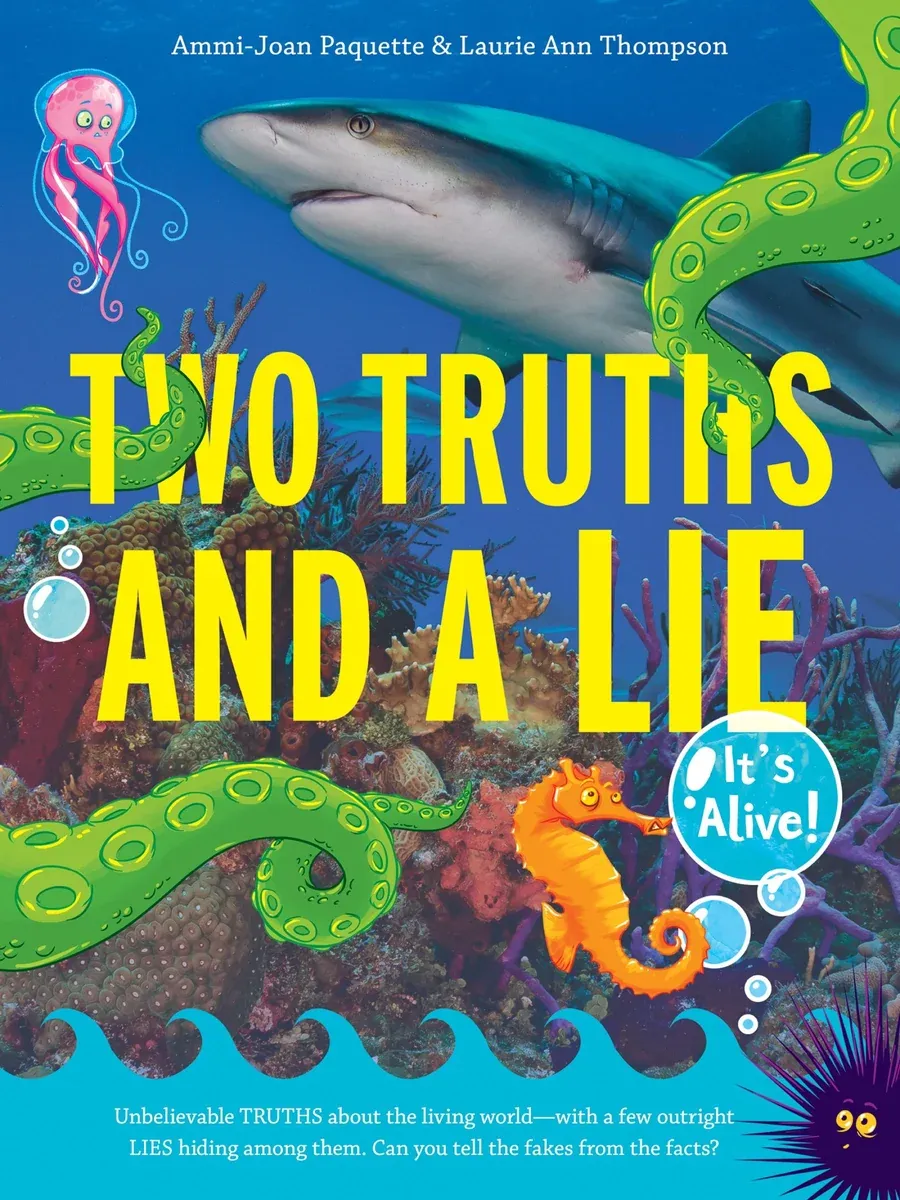
By Ammi-Joan Paquette and Laurie Ann Thompson, Two Truths and a Lie: It’s Alive! (Walden Pond Press) pairs bizarre-but-true stories about the living world with equally strange-sounding stories that aren’t. The trick is to do a bit of research and find which is which. For ages 8-12.
In the same series, see Two Truths and a Lie: Forces of Nature and Two Truths and a Lie: Histories and Mysteries.
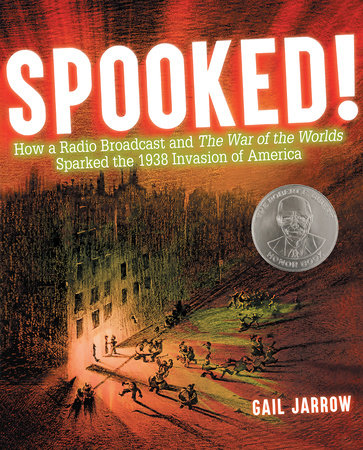
By Gail Jarrow, Spooked! (Calkins Creek, 2018) is the story of Orson Welles’s radio broadcast of H.G. Wells’s The War of the Worlds on October 30, 1938, convinced people that the Martians were invading – and set off a national discussion about fake news, propaganda, and the role of radio. For ages 10-13.
Pair with H.G. Wells’s The War of the Worlds – available in many editions, including a graphic-novel version.
The 2005 movie, directed by Steven Spielberg, is rated PG-13. See https://www.imdb.com/title/tt0407304/.
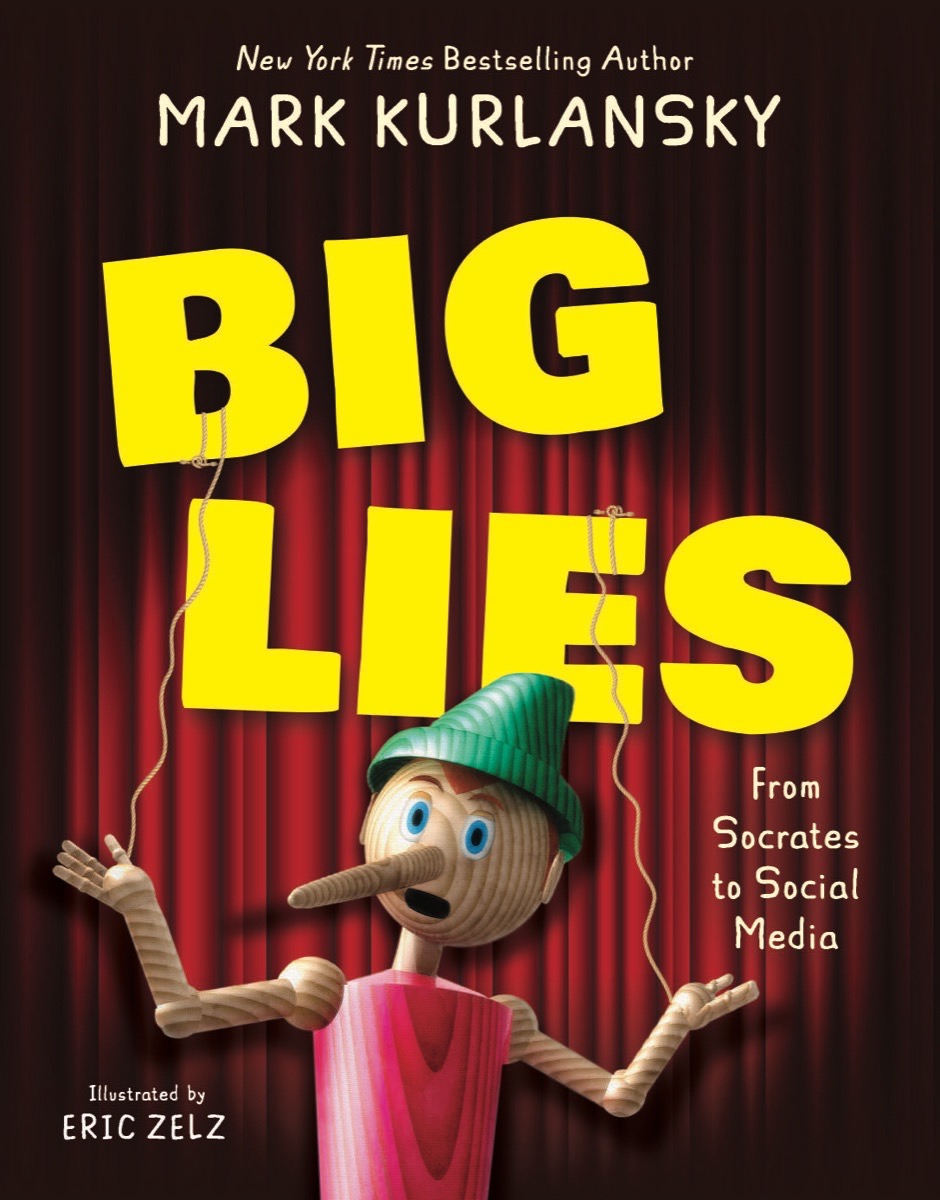
By Mark Kurlansky, Big Lies: From Socrates to Social Media (Tilbury House, 2023) is a history of “Big Lies” – a term coined by Adolf Hitler – from ancient times to the present day, including why lies are told and what the consequences are. “A lack of caring what is true and what is false is the undoing of democracy,” Kurlansky writes. An important read for ages 12-18.
Reporting the News
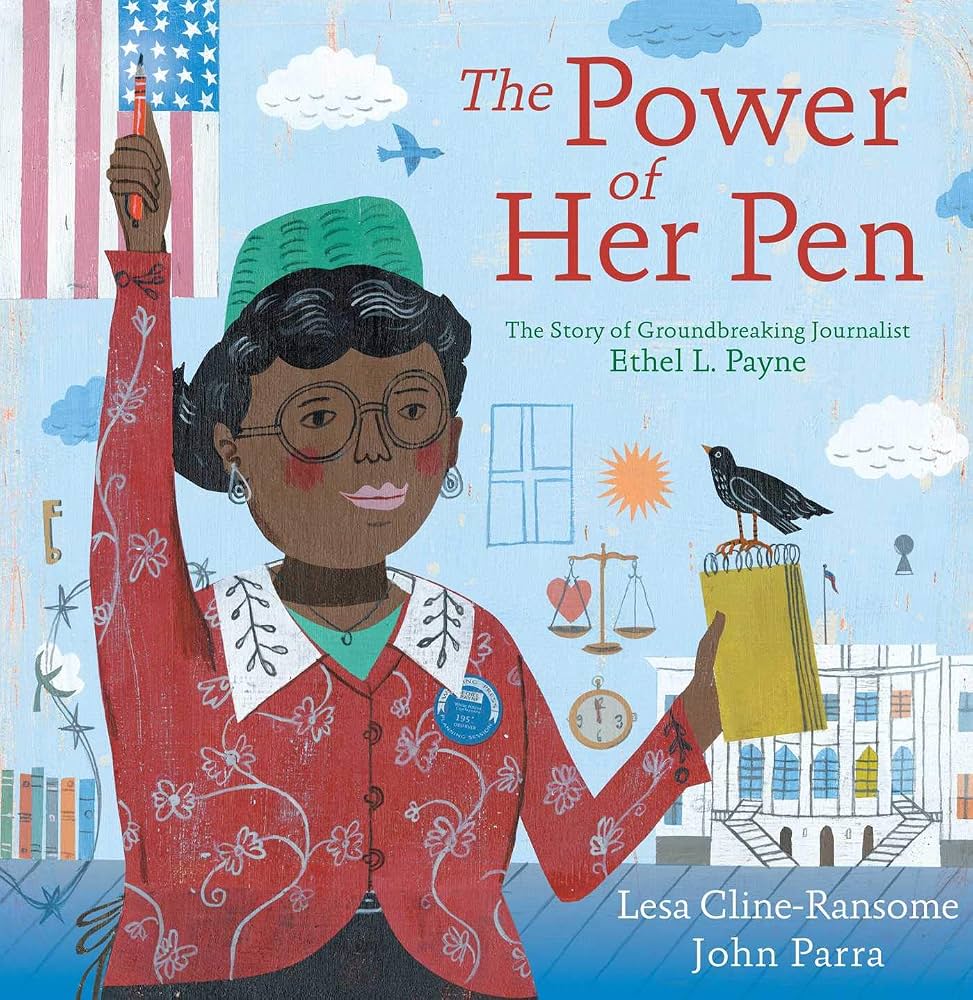
Lesa Cline-Ransome’s The Power of Her Pen (Paula Wiseman/Beach Lane Books, 2020) is the picture-book story of groundbreaking journalist Ethel L. Payne who became known as “The First Lady of the Black Press.” For ages 5-8.
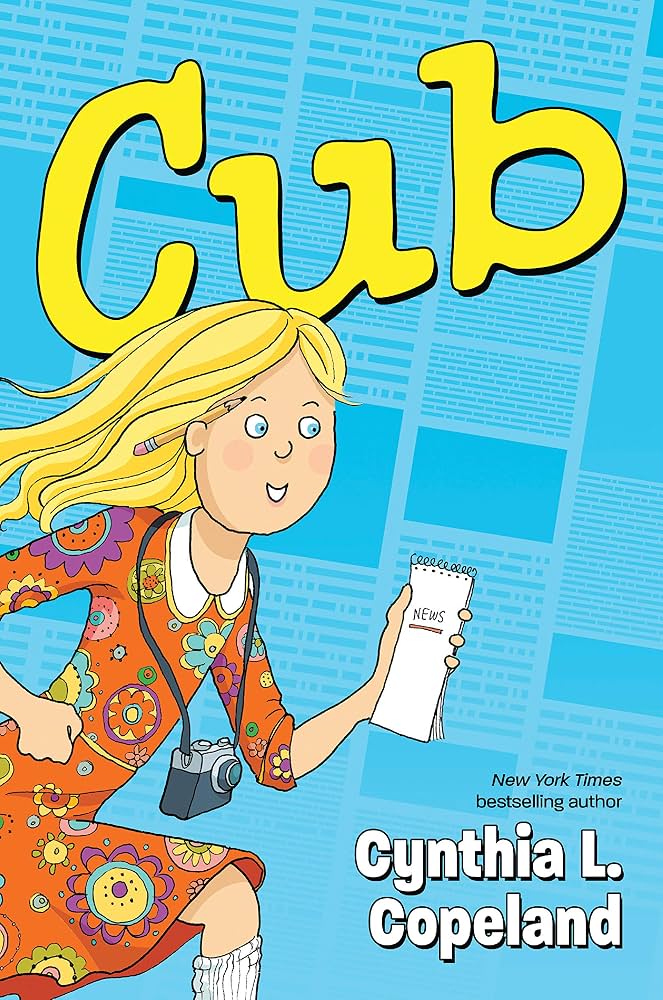
Cynthia Copeland’s Cub (Little, Brown Ink, 2020) is a graphic memoir of Copeland’s life as a journalist, beginning when 12-year-old Cindy lands a spot as a cub reporter on a local newspaper – and all the trials and tribulations and hilarious mistakes that follow as she finds her feet in her chosen career. For ages 8-12.
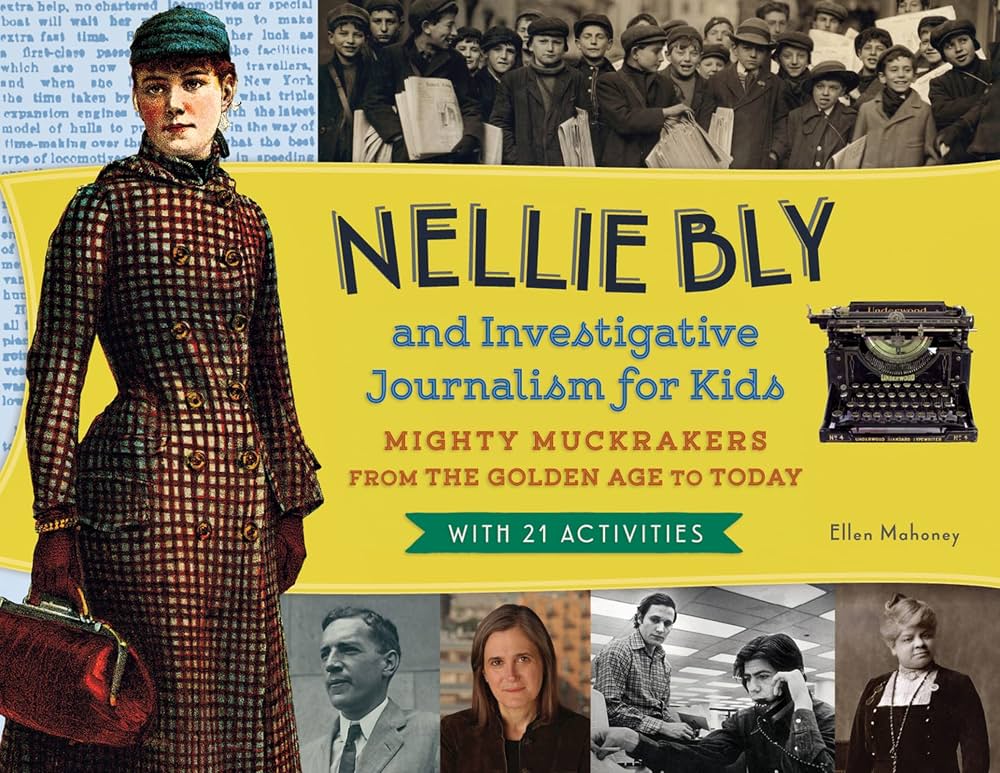
By Ellen Mahoney, Nelly Bly and Investigative Journalism for Kids (Chicago Review Press, 2015) covers the life and times of progressive journalist Nelly Bly, along with other activist journalists such as Jacob Riis, Ida Tarbell, Ida B. Wells, and Upton Sinclair. Included are a timeline, period photos, and 21 related activities, among them conducting an interview, designing a board game, creating a comic strip, and doing a “My Town” photo essay. For ages 9-12.
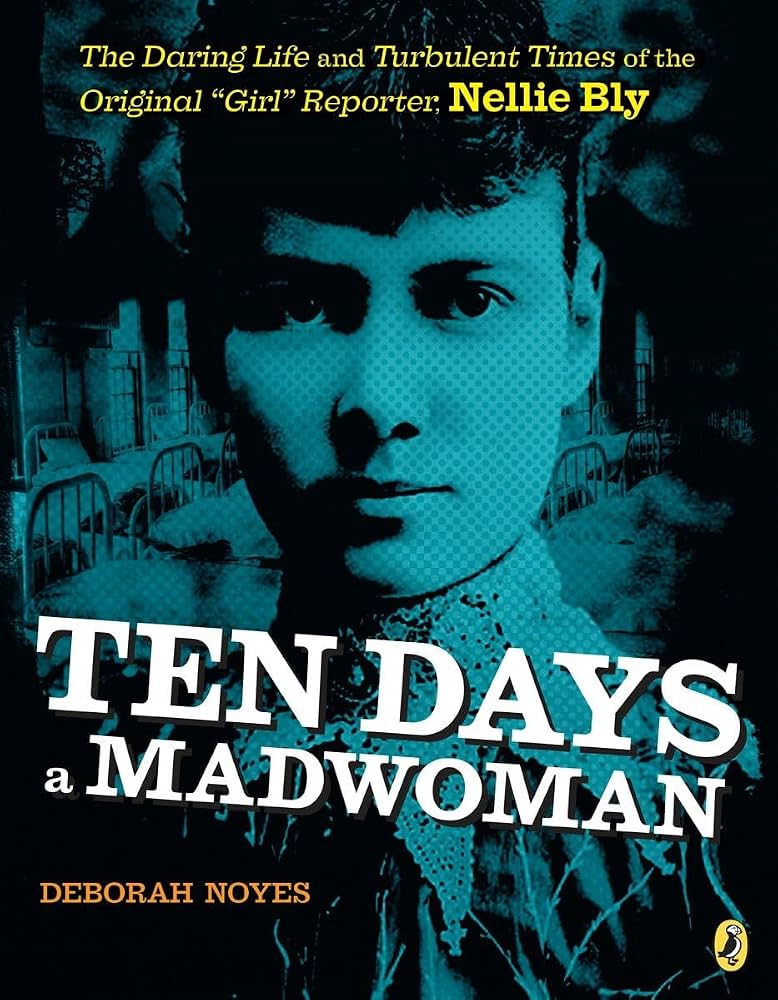
By Deborah Noyes, Ten Days a Madwoman (Puffin, 2017) is the story of the (dangerous) journalistic ploy that launched Nellie Bly’s career: feigning insanity, she had herself committed to the asylum on New York's Blackwell’s Island and followed her experience up with a horrifying exposé of what went on behind the asylum’s doors. For ages 10-12.
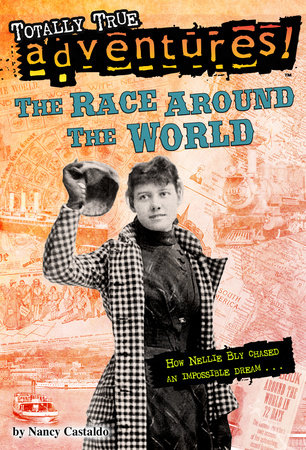
In the Totally True Adventures! Series, Nancy Castaldo’s The Race Around the World (Random House, 2015) is a short chapter-book account of journalist Nellie By’s race in 1889 to circle the world in less than eighty days. For ages 7-10.
For teens and adults, see Matthew Goodman's Eighty Days: Nelly Bly and Elizabeth Bisland's History-Making Race Around the World (Ballantine, 2013).
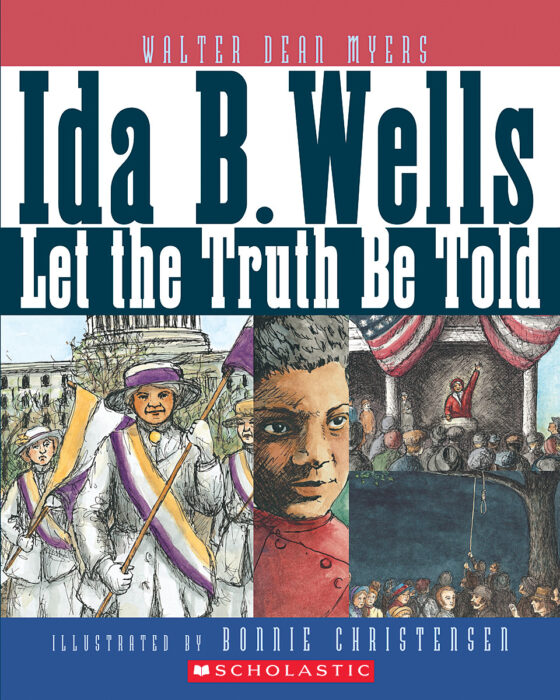
By Walter Dean Myers, Ida B Wells: Let the Truth Be Told (Quill Tree Books, 2015) is a picture-book biography of the determined woman who, born to enslaved parents, went on to become an activist, educator, and journalist, working to raise public awareness about the unequal treatment of blacks. For ages 5-8.
By Lesa Cline-Ransome, also see Ida B. Wells and the Untold Truth of a Country (Holiday House, 2027) for ages 10 and up.
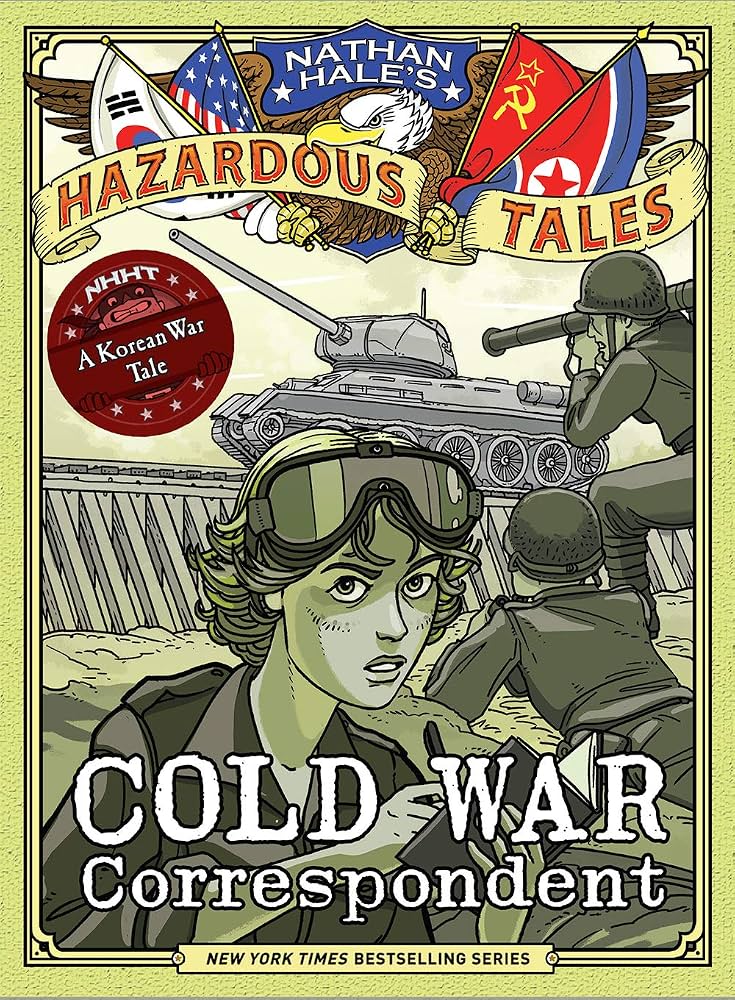
In the Nathan Hale’s Hazardous Tales series, Cold War Correspondent (Abrams Fanfare, 2021) is the graphic-novel story of the Korean War through the eyes of reporter Marguerite Higgins. For ages 9-12.
Pictures: Worth a Thousand Words
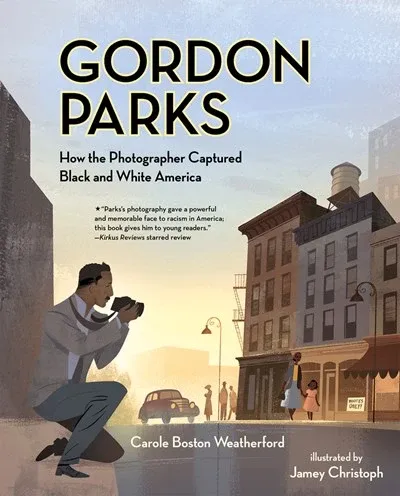
By Carole Boston Weatherford, Gordon Parks (Albert Whitman, 2015) is a picture-book biography of Parks, the multitalented photographer whose pictures made a powerful statement against segregation and racism in America. For ages 4-8.
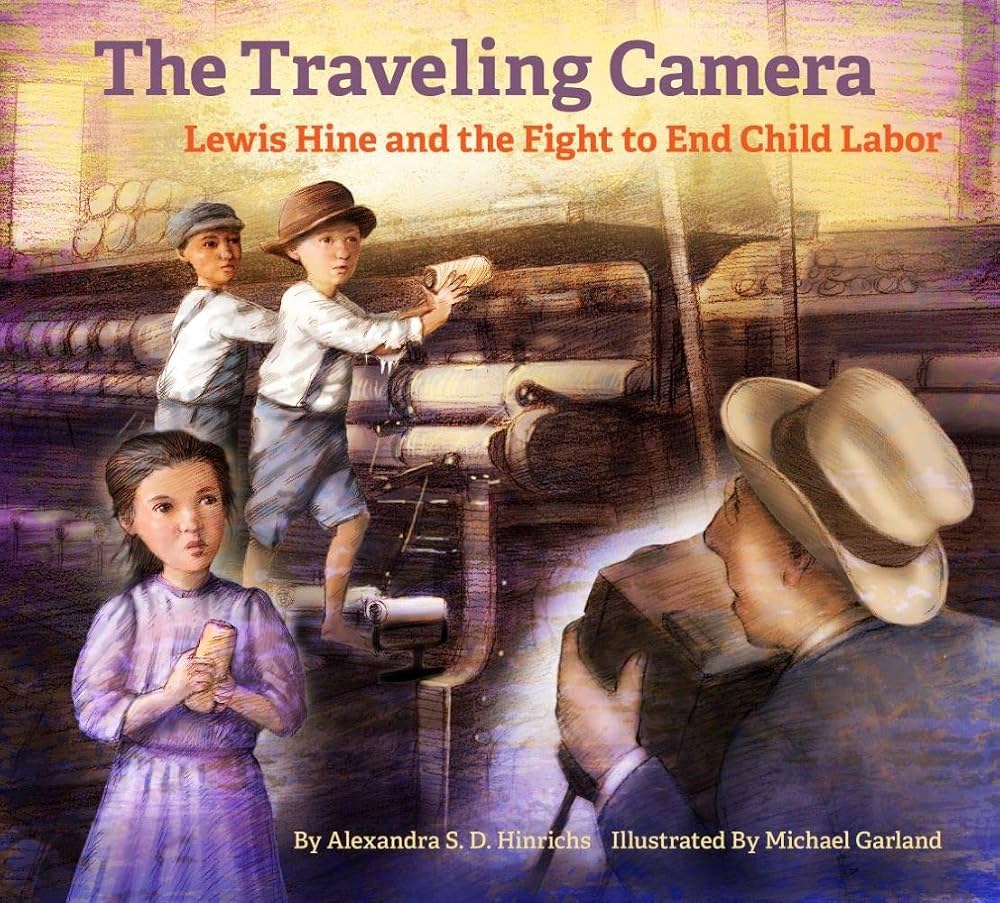
By Alexandra S.D. Hinrichs, The Traveling Camera (J. Paul Getty Trust, 2021) is the picture-book story of photographer Lewis Hine and his fight to end child labor. For ages 6-9.
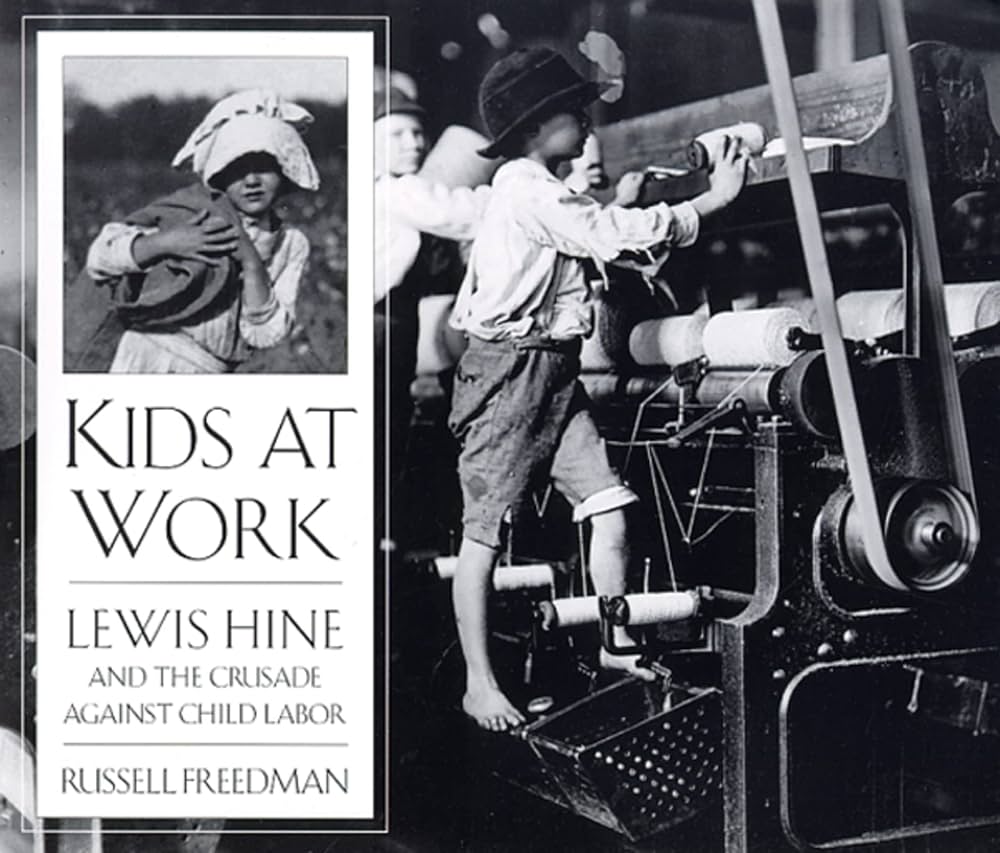
By Russell Freedman, see Kids at Work: Lewis Hine and the Crusade Against Child Labor (Clarion, 1998), a biography of photographer and social reformer Lewis Hine, illustrated with his compelling photos that convinced Congress to pass child labor laws. For ages 10-13.
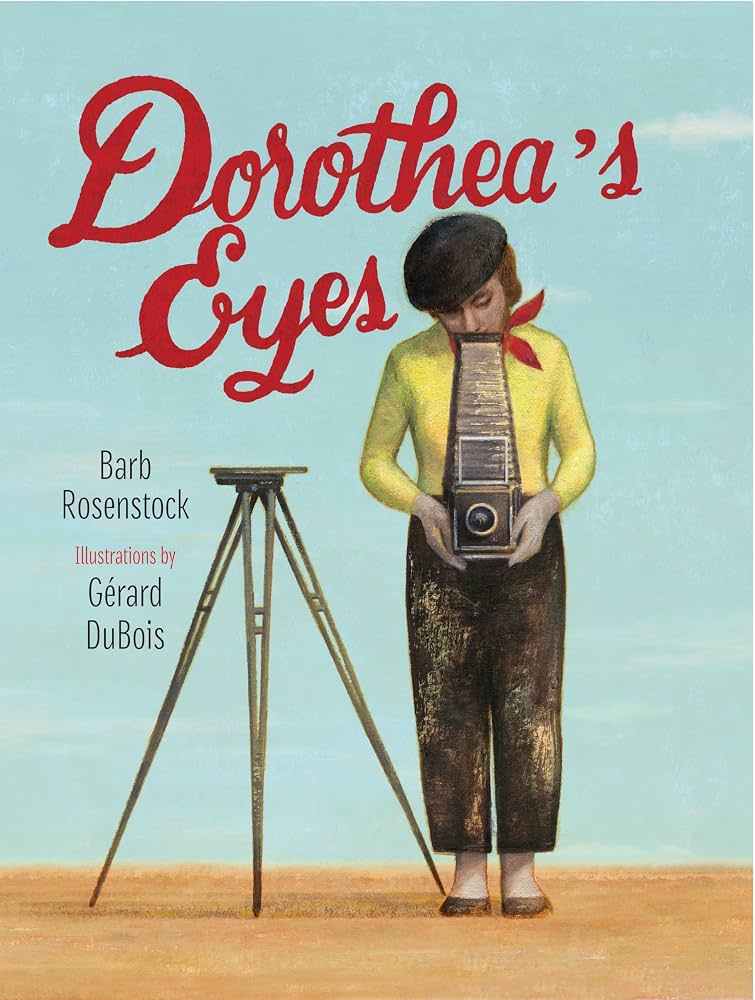
By Barb Rosenstock, Dorothea’s Eyes (Calkins Creek, 2022) is the story of social reformer and documentary photographer Dorothea Lange, best known for her pictures of life during the Great Depression. For ages 7-10.
By Carole Boston Weatherford, also see Dorothea Lange: The Photographer Who Found the Faces of the Great Depression (Albert Whitman, 2021) for ages 4-8.
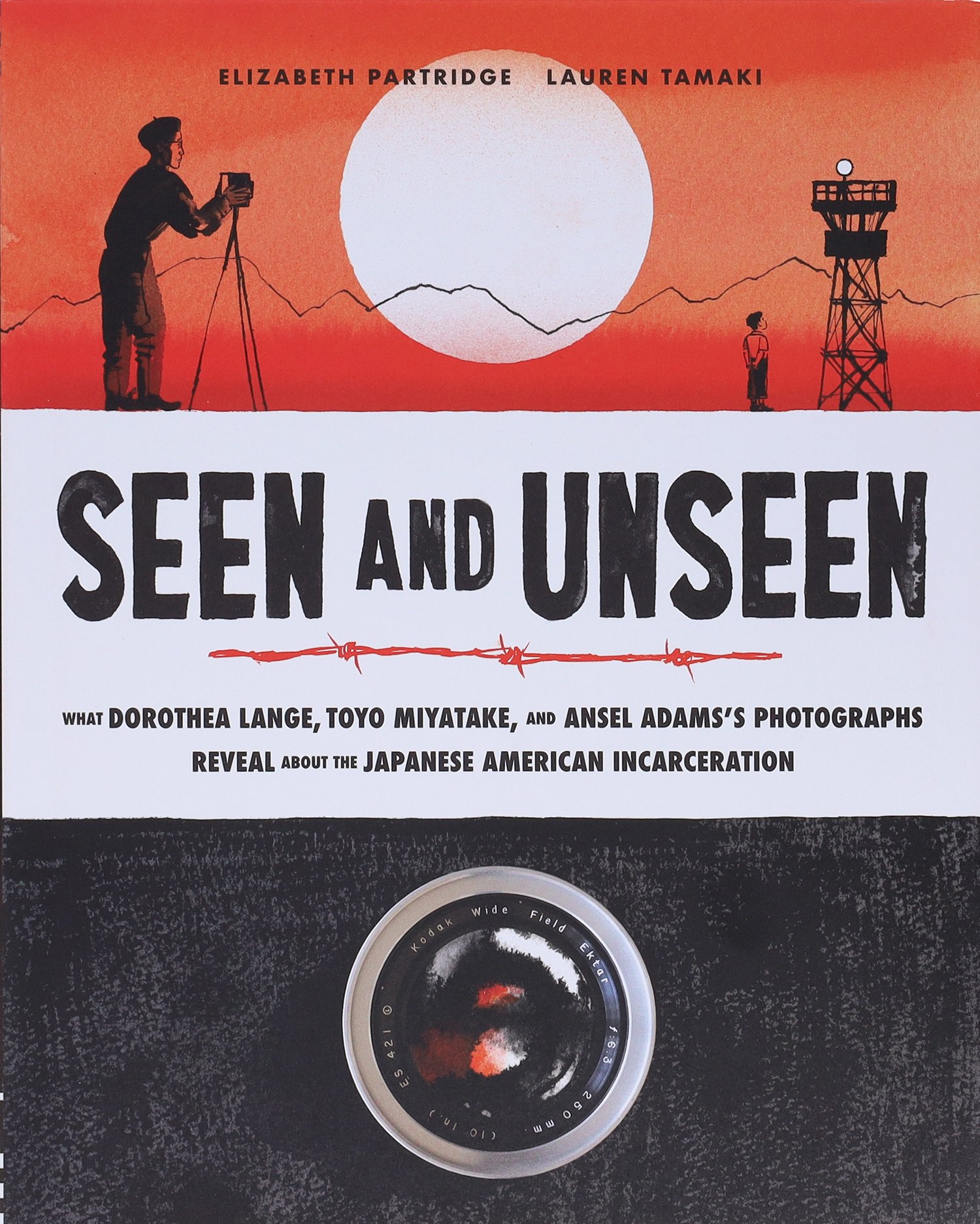
By Elizabeth Partridge, the award-winning Seen and Unseen (Chronicle Books, 2026) is the story of the Japanese internment during World War II as documented by three very different photographers; Dorothea Lange, who strongly opposed internment; Ansel Adams, more in line with government policy; and Toyo Miyatake, an imprisoned Japanese-American photographer, who recorded the harsh truth of life behind the barbed wire. For ages 10 and up.
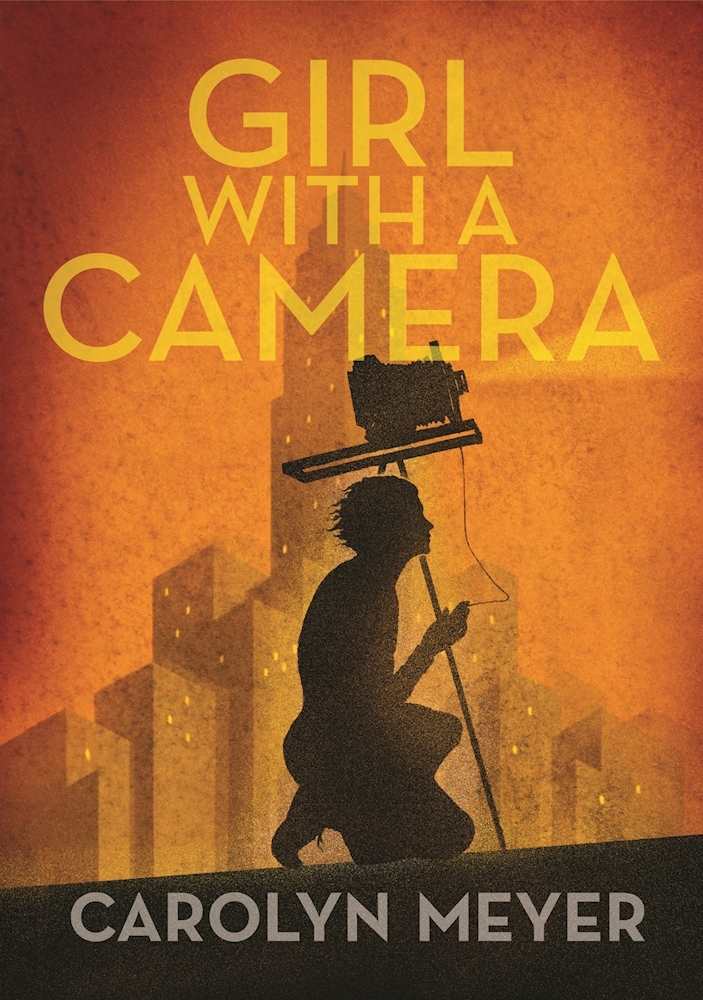
By Carolyn Meyer, Girl with a Camera (Calkins Creek, 2017) is the story of pioneering photographer Margaret Bourke-White who became the first female war correspondent during World War II – and who eventually (with her camera) traveled the world. For ages 10-14.
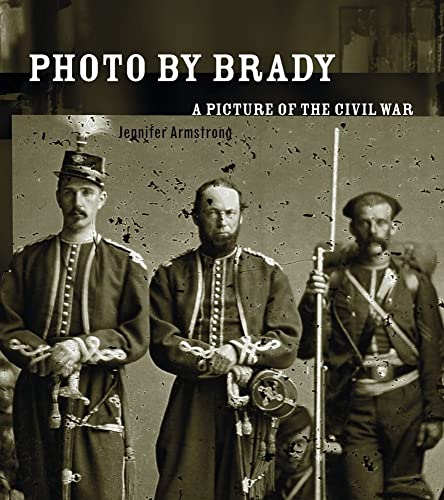
The American Civil War was the first war to be fully documented through photographs – through the efforts of Matthew Brady and his team of field photographers who traveled with the troops. Jennifer Armstrong’s Photo by Brady: A Picture of the Civil War (Atheneum, 2005) is an impressive history of the war through the photographer’s lens. For ages 11 and up.
Writing the News - And Other Things to Do with Newspapers
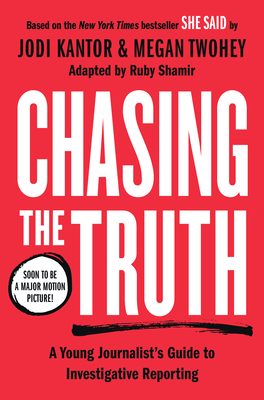
By Jodi Kantor and Megan Twohey, the Young Readers edition of Chasing the Truth (Philomel, 2022) is a guide to investigative reporting for ages 12 and up.
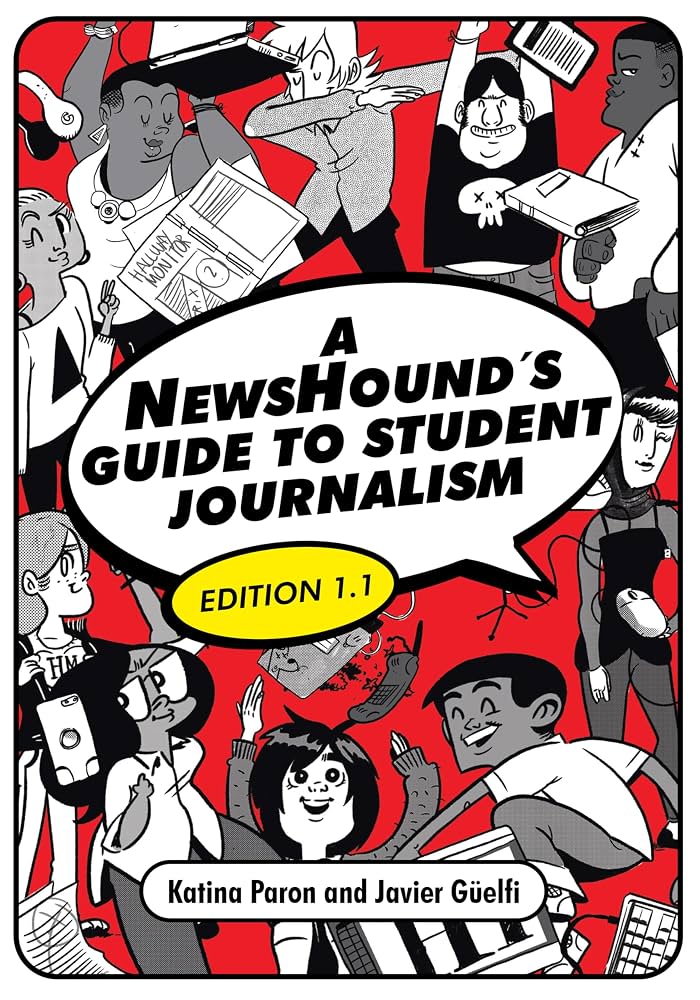
By Katina Paron and Javier Guelfi, A NewsHound’s Guide to Student Journalism (McFarland, 2024) is a graphic text book for young journalists that covers many aspects of investigating and verifying a news story, with useful examples and helpful hints on notetaking, surveys and polls, copyright infringement, interviews, and much more. For ages 13 and up.
The Scholastic Kids Press publishes up-to-date news stories by reporters ages 10-14. To read the news – or to apply to be a Scholastic reporter – see https://kpcnotebook.scholastic.com/.
Want to publish your own newspaper? There are many free (and for-pay) templates available online. For example, see Newspaper Templates at https://www.canva.com/templates/s/newspaper/.
Also see Newspaper Templates for Kids at https://thegoodocs.com/freebies/kid-newspapers/.
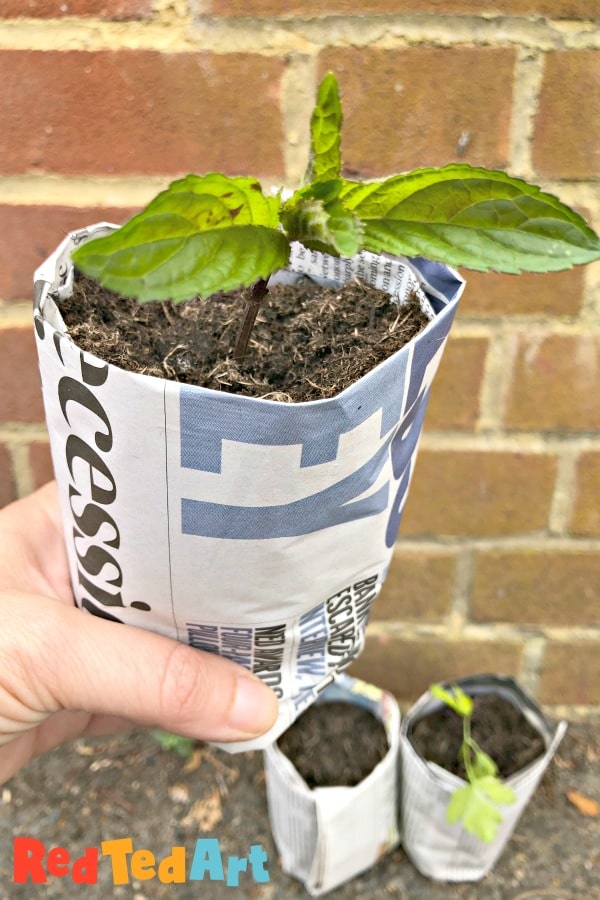
What to do with leftover newspapers? Make seedling pots! See https://www.redtedart.com/how-to-make-seedling-pots/.
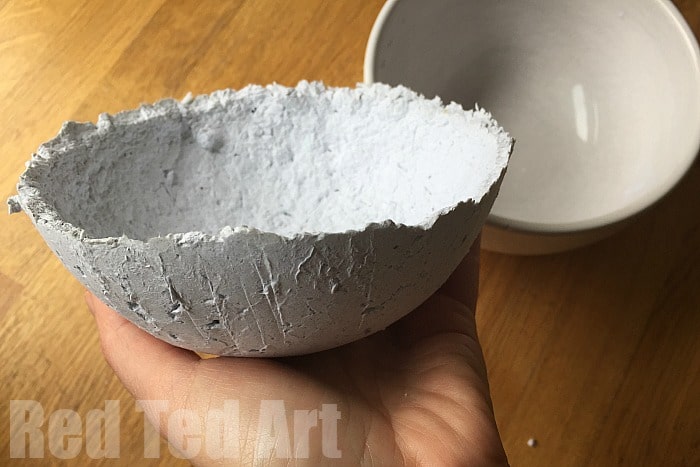
Or turn your newspapers into paper clay! See https://www.redtedart.com/how-to-make-paper-clay-8-steps-with-pictures/.
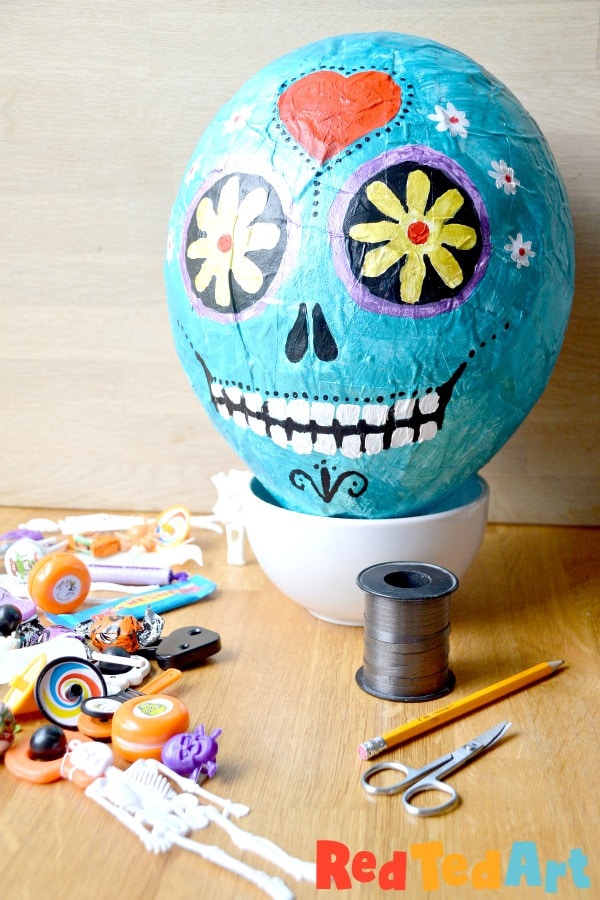
Or what about a newspaper piñata? See https://www.redtedart.com/diy-halloween-party-pinata/.
Fiction
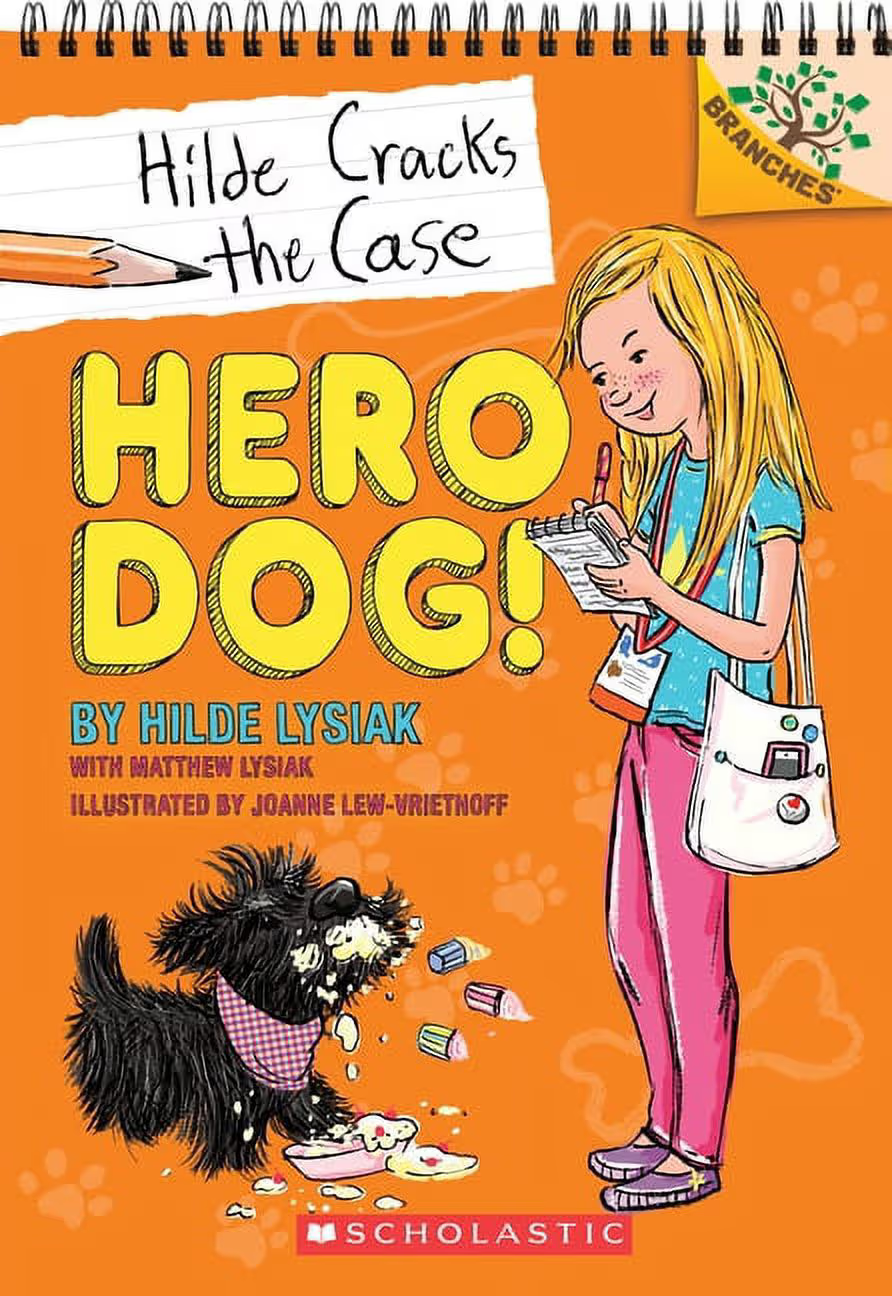
By Hilde Lysiak and Matthew Lysiak, the Hilde Cracks the Case series features nine-year-old crime reporter Hilde and her sister and photographer, Izzy, as they interview witnesses, follow clues, and solve crimes. Book one is Hero Dog! (Scholastic, 2017). For ages 6-9.
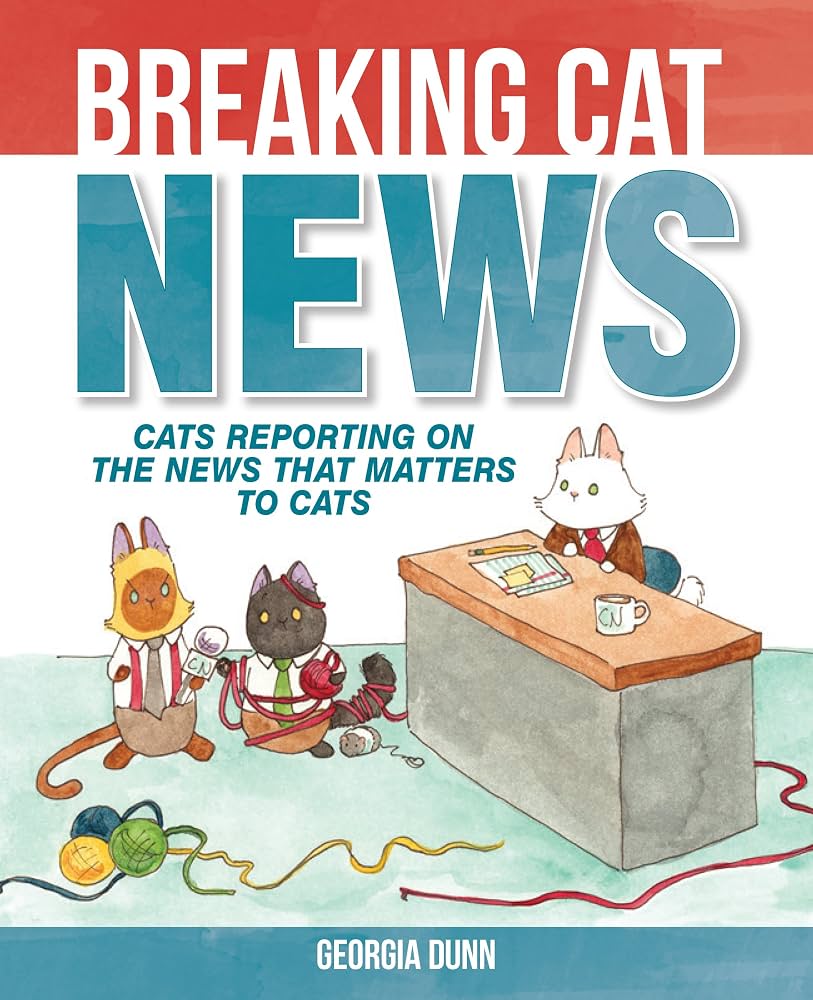
By Georgia Dunn, in Breaking Cat News (Andrews McMeel, 2016), three creative cats are reporting news – of interest to cats. (The Vacuum Cleaner Is Back! The Woman Is Cooking Bacon!) One of a graphic series for ages 6-9.
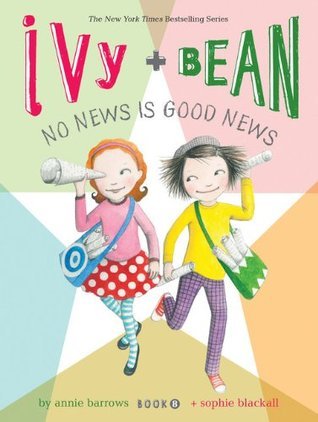
One of Annie Barrows’s Ivy + Bean series, in No News Is Good News (Chronicle Books, 2011), best friends Ivy and Bean decide to write and sell subscriptions to a newspaper in order to earn money to buy popular, squishable balls of Belldeloon cheese. For ages 7-9.
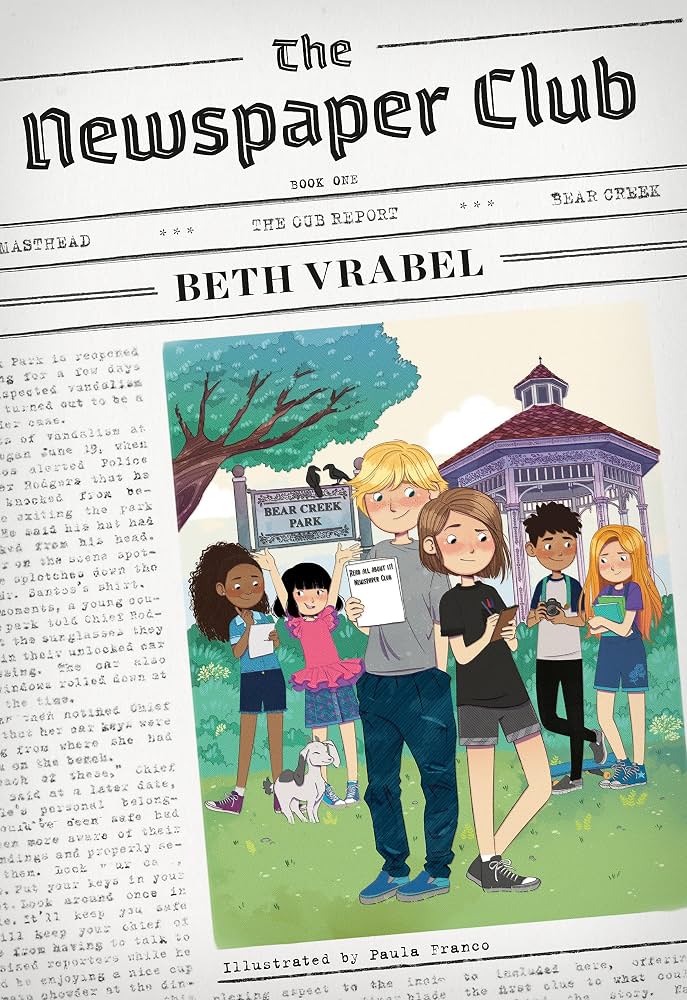
In Beth Vrabel’s The Newspaper Club (Running Press Kids, 2020), Nellie Murrow – daughter of two newspaper reporters – wants to investigate the confusing stories of vandalism in the town park, She ends up recruiting a group of friends to publish the Cub Report, the town’s first independent newspaper. For ages 8-11.
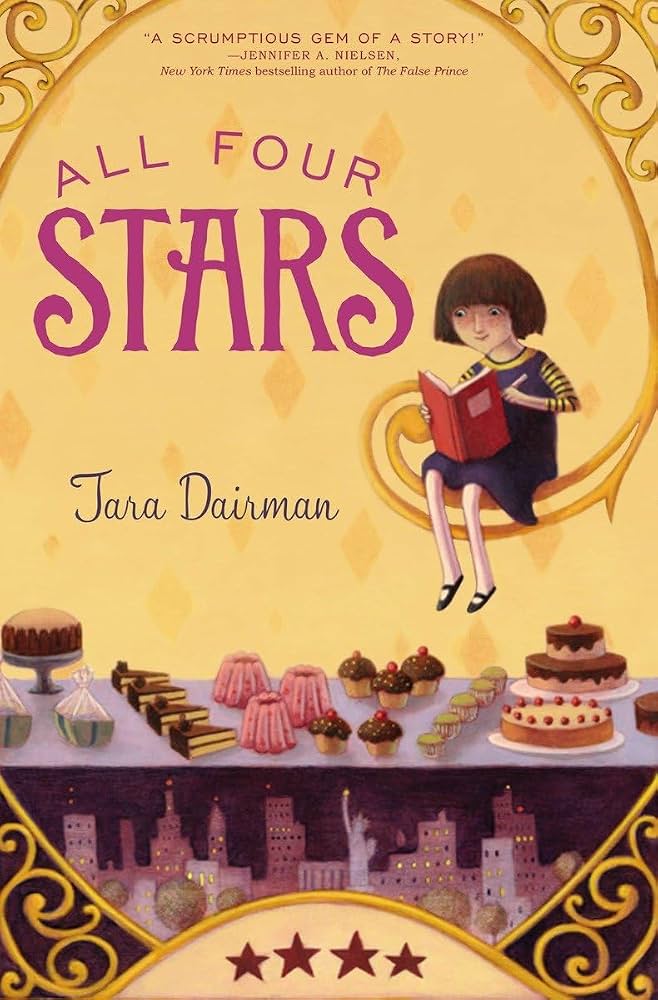
Want to be a food reporter? In Tara Dairman’s All Four Stars (Puffin, 2015), Gladys Gatsby, 11-year-old gourmet cook, has been banned from the kitchen after a crème brulée accident – but now she’s been invited to write a restaurant review for one of the largest newspapers in the world. For ages 8-11.
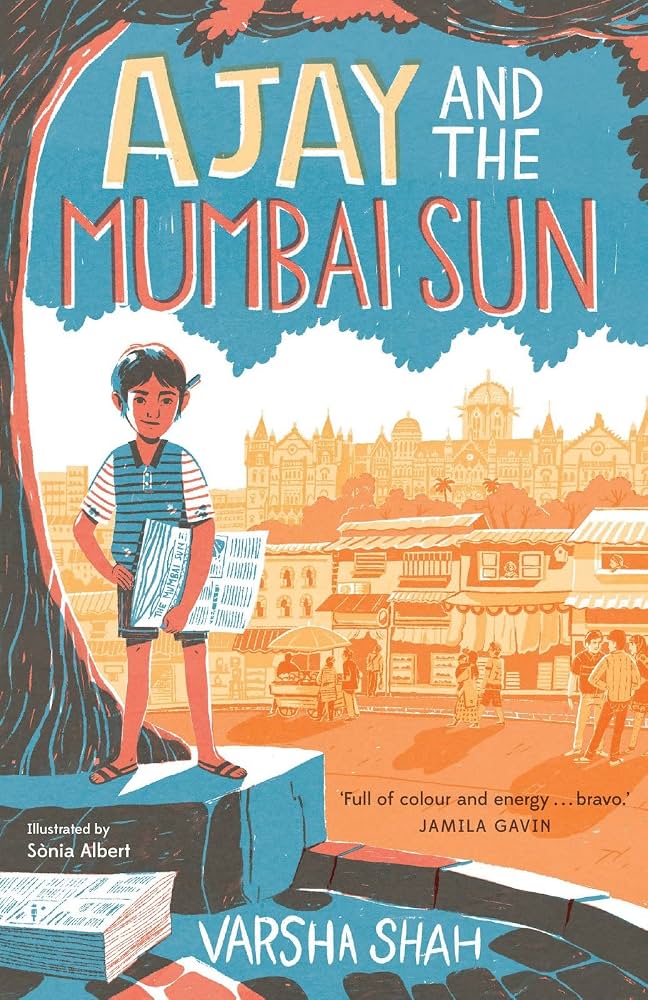
In Varsha Sha’s Ajay and the Mumbai Sun (Chicken House, 2023), Ajay – growing up homeless on the Mumbai railways – has always wanted to be a journalist. When he finds an abandoned printing press, he and friends begin to publish their own newspaper, The Mumbai Sun – and soon discover a plan to tear down a slum that will leave hundreds homeless. For ages 8-12.
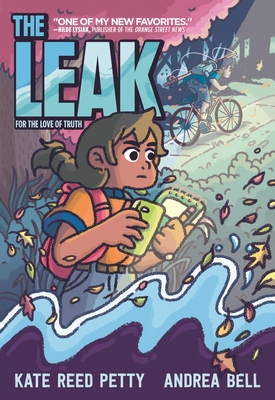
In Kate Read Petty’s The Leak (First Second, 2021), 12-year-old journalist Ruth tackles the local country club owner when she discovers black sludge in a local lake. A story about corruption, pollution, freedom of the press, and standing up for what is right for ages 8-12.
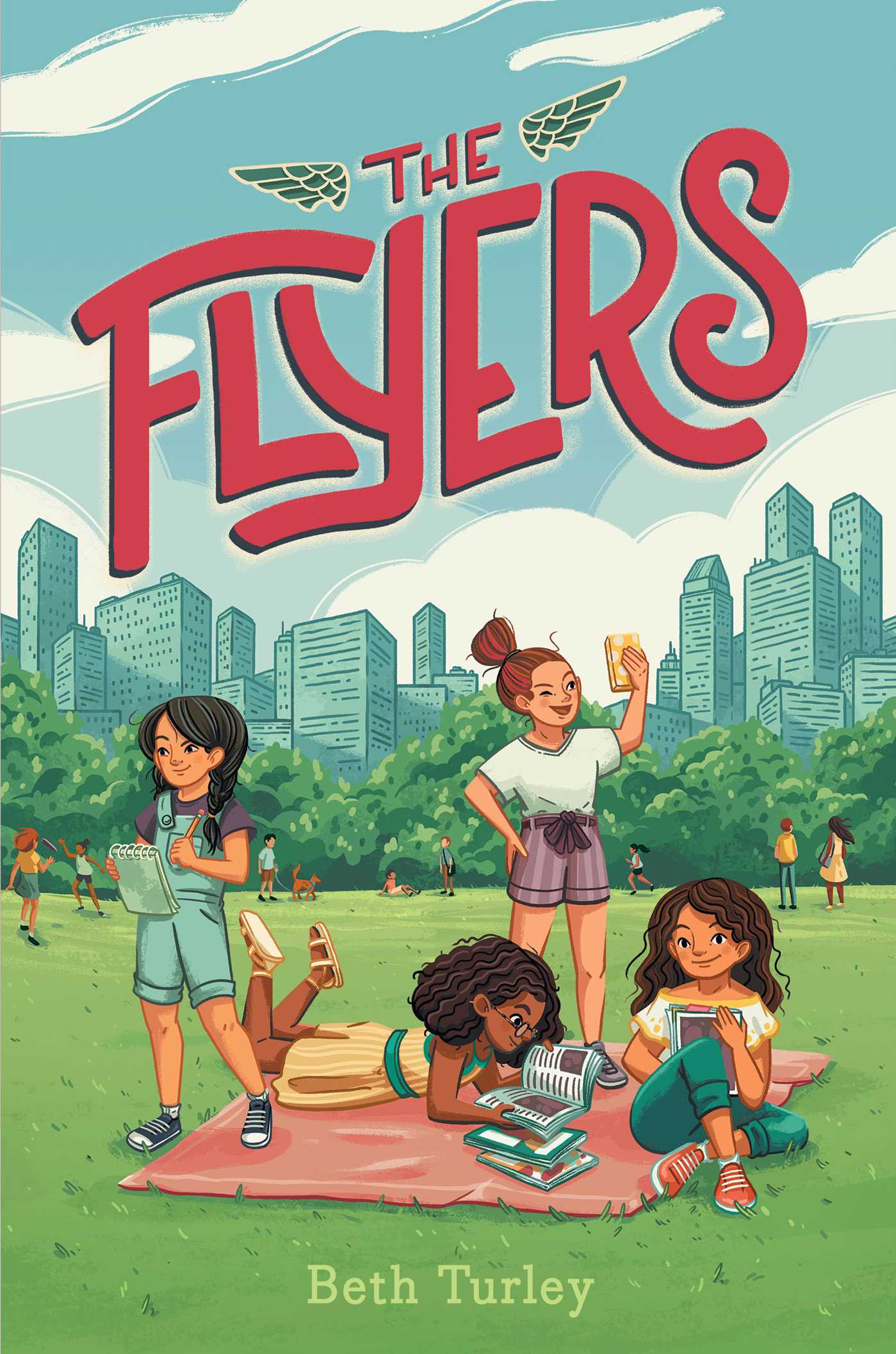
In Beth Turley’s The Flyers (Simon & Schuster, 2022), four seventh-graders – with very different sets of skills - have been chosen for internships in New York City for Spread Your Wings Magazine. For ages 8-12.
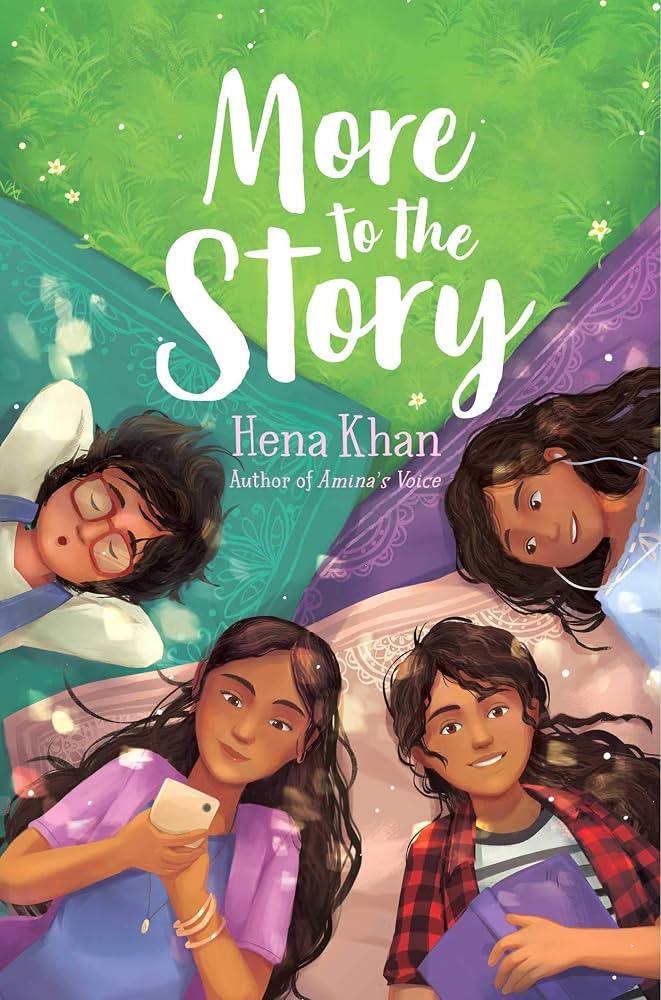
In Hena Khan’s More to the Story (Salaam Reads/Simon & Schuster, 2020), Jameela and her three sisters are devastated when their father leaves home to take a job overseas. Jameela, as feature editor of the middle school newspaper, is determined to make him proud by writing a truly epic article – but the editor-in-chief keeps shooting all her article ideas down. For ages 8-12.
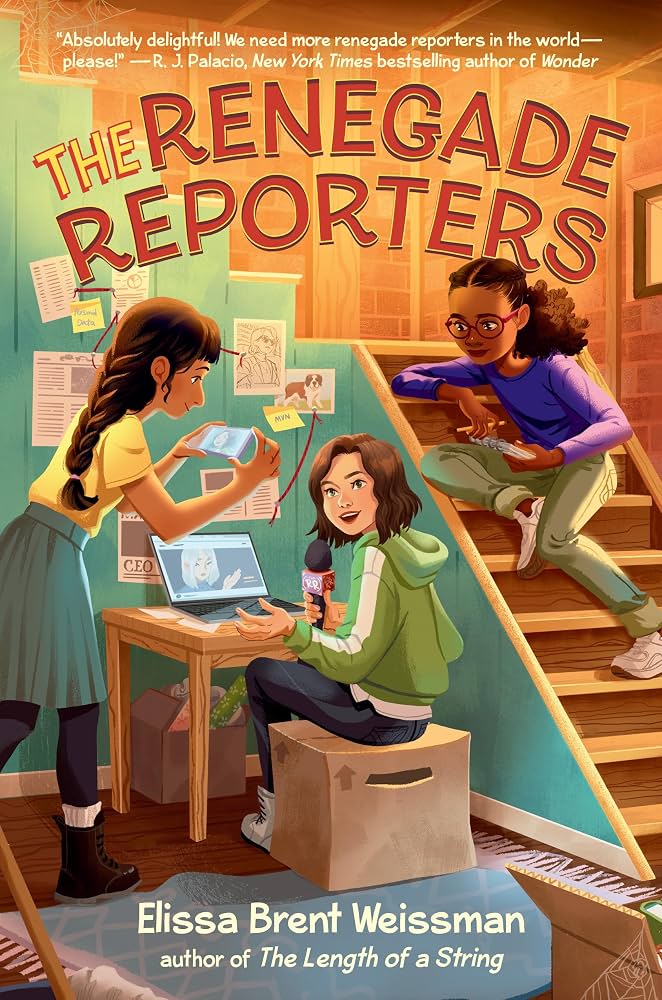
In Elissa Brent Weissman’s The Renegade Reporters (Dial, 2022), Ash – due to an unfortunate incident – has been kicked off the school news show and so, with friends Maya and Brielle, decides to start one of her own, The Underground News. And soon their investigations turn up what looks to be a very big story involving the media company that supplies the school’s software. For ages 8-12.
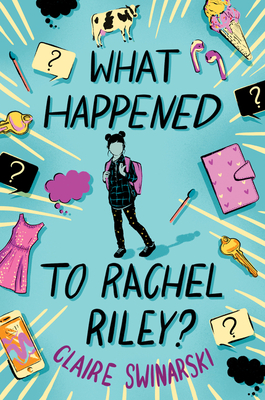
In Claire Swinarski’s What Happened to Rachel Riley? (Quill Tree Books, 2023), Anna, a new kid in school, wonders why classmate Rachel Riley is a social outcast – and embarks on an investigative podcast project to find out why. She unearths a “game” of sexual harassment. For ages 8-12.
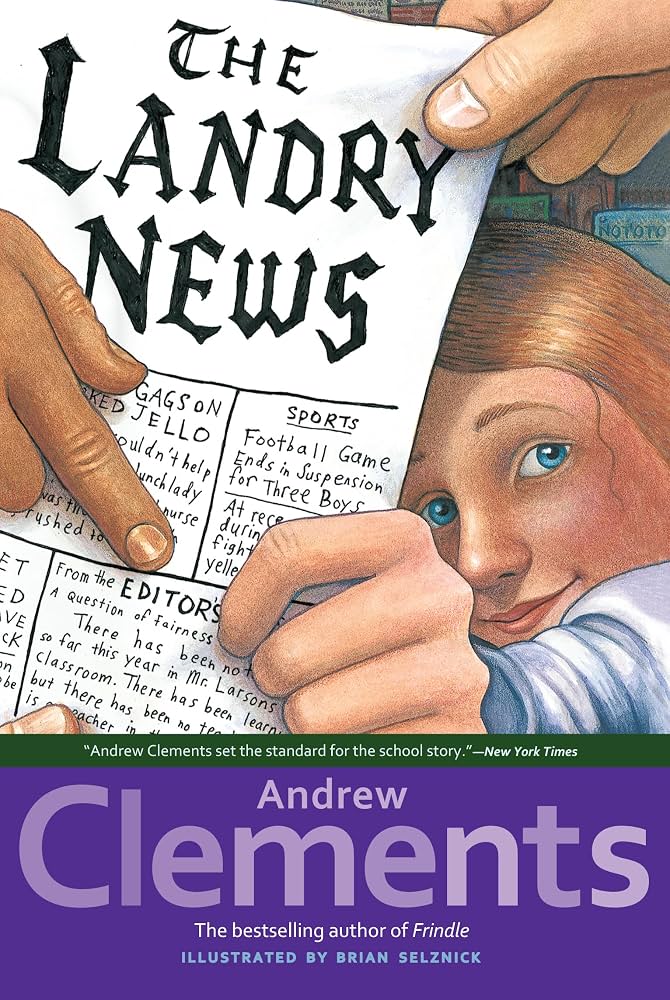
In The Landry News (Atheneum, 2000) by Andrew Clements, Cara Landry, the new kid in school, finds that her fifth-grade teacher, Mr. Larson – once Teacher of the Year - is now too discouraged to bother teaching. So Cara decides to publish her own newspaper and soon has the entire fifth grade involved – and ultimately a Landry editorial gives Mr. Larson a new lease on life. For ages 9-11.