
Education/Homeschooling
In this collection
General resources for parents, educators, and homeschoolers are legion – though just what it takes to create a vibrant and substantive education continues to be a matter of debate.
And what are the best educational tools? For homeschoolers, the computer is always high on everyone’s list – where would we all be without the internet? In our case, we also got a lot of mileage out of blank index cards, with which you can do practically anything, and the invaluable public library – to say nothing of LEGO bricks, model rockets, chemistry sets, bead looms, trowels and hoes, hammers and saws, and an awful lot of paint.
We met one homeschooling family who claimed that their most valuable educational tool was the bicycle, which was used for countless family field trips, including a spectacular ride across the country.
See below for books and resources on educational theory and practice, homeschooling helps, and – though at least two of our kids adored them - a mean word or two about the Berenstain Bears.
About Education

Educator E.D. Hirsch, Jr., argues that the problem with modern education is that it emphasizes the learning process over facts and knowledge. The bottom line: kids need information and the more of it, but better. This is the theme of Hirsch’s best-selling Cultural Literacy: What Every American Needs to Know (Vintage Books, 1988), which includes an impressive list of all the things kids need to know at least a little bit about to function in American society.
Also by Hirsch, see Why Knowledge Matters (Harvard Education Press, 2016), The Knowledge Deficit (Mariner Books, 2007), and The Schools We Need and Why We Don’t Have Them (Anchor Books, 1999).
The Core Knowledge Foundation has curricula and teaching guides based on Hirsch’s educational theories for grades K-8.

C.P. Snow’s The Two Cultures (Cambridge University Press, 2012), based on a lecture first delivered in 1958, discusses the split between the arts/humanities and the sciences – a divide that still has implications for our educational system and intellectual life. (Should engineers read Shakespeare? Should artists understand physics?)

By award-winning educator John Taylor Gatto, Dumbing Us Down (New Society Publishers, 2017) is a protest against the “hidden curriculum” of compulsory schooling – which, Gatto believes, discourages curiosity and independent problem-solving in favor of rule-following and conformity.

Cognitive scientist Daniel T. Willingham’s Why Don’t Students Like School? (Jossey-Bass, 2010) is less about why students don’t like school than how school might better show kids how to think and learn. Willingham is not a supporter of the idea of the natural learner. Thinking, he argues, is hard work and most avoid it – though people do enjoy solving problems, provided these aren’t so difficult that they leave us frustrated. He emphasizes the importance of memorizing facts and practicing skills.

By Charles Murray, Real Education (Crown Forum, 2008) argues that our educational system is based on a false premise: namely, that any child can be anything he or she wants. This simply isn’t true, Murray argues, and this sort of romantic thinking does more harm than good. Children have widely different interests and abilities; and way too many kids are being channeled into college, when trade certifications might be far more affordable, appropriate, and satisfying. College, Murray suggests, should be reserved for the academically gifted. It’s an interesting read which is bound to stir up controversy. Try it on your book club.

By economics professor Bryan Caplan, The Case Against Education (Princeton University Press, 2018) – brutally subtitled “Why the Education System Is a Waste of Time and Money” – argues that the primary aim of education is not to enhance students’ skills (most of what they learn is forgotten immediately after the final exam), but to signal the qualities of a good employee. In other words, employers reward students for investing in costly college educations that they hardly ever use.
Also by Caplan, see The World Might Be Better Off Without College for Everyone from The Atlantic (January/February 2018).

Howard Gardner’s Frames of Mind (Basic Books, 2011) outlines his theory of eight distinctive kinds of intelligences which – to varying extents – make up each person’s cognitive profile. These intelligences are visual-spatial, linguistic-verbal, logical-mathematical, interpersonal, intrapersonal, musical, bodily-kinesthetic, and naturalistic.
For a general summary, see Gardner’s Theory of Multiple Intelligences.

Gardner’s The Unschooled Mind: How Children Think and How Schools Should Teach (Basic Books, 2011) applies the theory of multiple intelligences to the schools, suggesting how education should be overhauled and restructured to mesh with kids’ actual learning processes. Gardner argues that schools would be far more successful if they operated like children’s museums or discovery centers.

Alfie Kohn’s Punished by Rewards (Mariner Books, 2018) explains that neither carrots nor sticks – incentives and punishments – are effective motivators of student performance. Instead, the task at hand should be motivating in its own right. Rather than persuade kids to tackle boring tasks by offers of treats and gold stars, it’s far more effective to alter the nature of the task itself.

Edited by Karl Weber, Waiting for Superman (Participant Media, 2010) is a guide to saving the public schools, with input and opinions from a wide range of educators, experts, and concerned citizens. Topics covered include teacher tenure and performance ratings, the pros and cons of teachers’ unions, the relative efficacies of public, private, and charter schools, and many other issues that bedevil the school system today.
See the documentary at https://www.youtube.com/watch?v=O9s1Sww9ohA.

By innovative and inspirational fifth-grade teacher Rafe Esquith, Teach Like Your Hair’s on Fire (Penguin, 2007) – subtitled “The Methods and Madness Inside Room 56” - is crammed with creative ideas for teaching everything from math facts to economics to full-text Shakespeare.

By Esme Raji Codell (a.k.a. Madame Esme), Educating Esme (Algonquin Books, 2009) is an informative and hilarious guide to a teacher’s first year in the classroom in an inner-city Chicago school. Though she got little support from the school administration, her creativity shines through. Who wouldn’t want a reading time machine made from a refrigerator box?

Nicholson Baker’s Substitute (Penguin, 2016) details the year he spent as a substitute teacher in the Maine public schools, teaching everything from kindergarten to twelfth grade. Variously described as hilarious, touching, and horrifying, his day-to-day experiences combine to paint an impressive and devastating picture of the problems inherent in present-day education.
Kids need more time to play. In Free to Learn (Basic Books, 2015), developmental psychologist Peter Gray, based on evidence from anthropology, psychology, and history, argues that free play empowers kids, and teaches them to solve problems and interact effectively with peers.

By Judy Jones and William Wilson, An Incomplete Education (Ballantin, 2006) is a clever and enjoyably readable compendium of all the things you should have learned in school – and either you didn’t, or you did and promptly forgot them. Covers everything from American Studies and Art History to Science and World History.
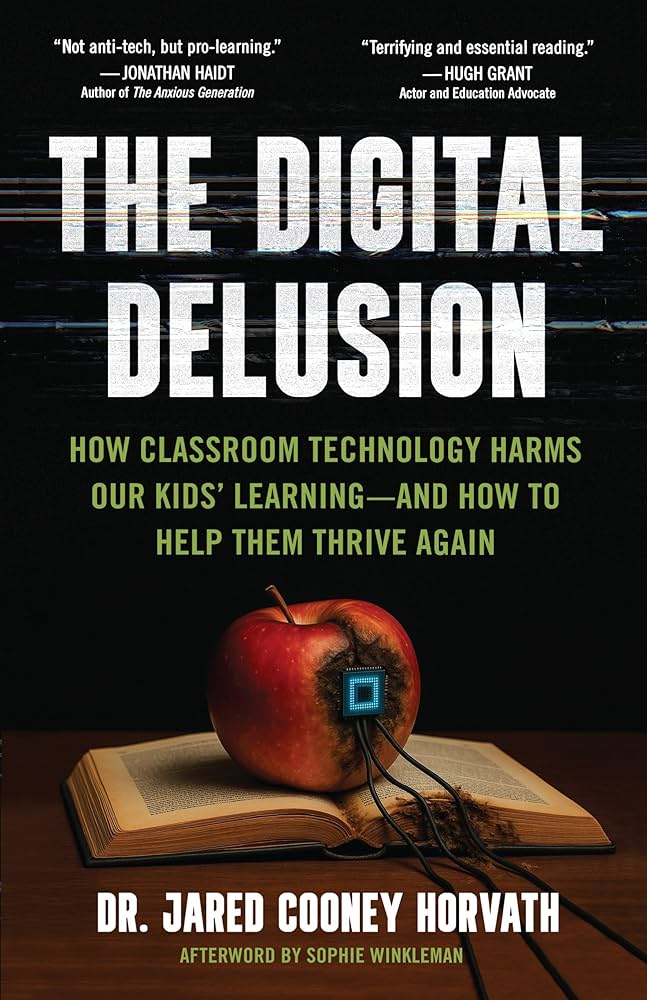
By Jared Cooney Horvath (educator and neuroscientist), The Digital Delusion (Harmony, 2026) argues that screen technology and digital tools that now dominate education have led to declining academic performance, fractured attention, and impaired cognitive development. It’s not a call to abandon technology, but an argument in favor of attention-rich, people-centered learning environments.
William Deresiewicz’s Excellent Sheep: The Miseducation of the American Elite and the Way to a Meaningful Life (Free Press, 2015) argues that the nation’s presumed best schools are turning out students unable to think critically or creatively – and furthermore, that the competitive drive to join their ranks is damaging students from the bottom up.
Also see Deresiewicz’s TED Talk on the liberal arts, titled “The Best Education for All” at https://www.youtube.com/watch?v=m7fmjsHw590.
Helps for Homeschoolers
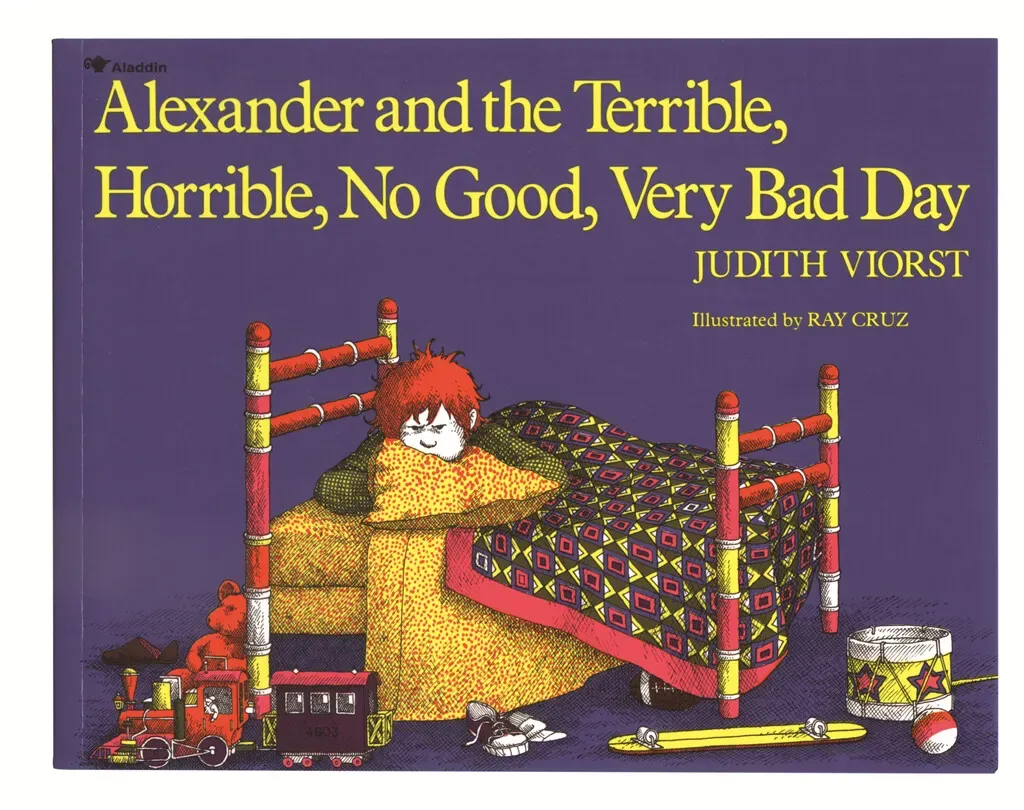
Trust me: every parent should have a copy of this one. In Judith Viorst's Alexander and the Terrible, Horrible, No Good, Very Bad Day (Atheneum, 1987), everything goes wrong for Alexander: he wakes up with gum in his hair; he drops his sweater in the sink; his teacher doesn’t like his picture of the invisible castle; and there are lima beans for supper and kissing on TV. He's thinking of running away to Australia. Some days, his mother explains, are just like that.
Even in Australia.

Rebecca Rupp’s Home Learning Year by Year (Third Edition)(Crown, 2026) is intended to help families who need – legally – to interface with the public schools, while at the same time want to provide a creative learning experience for their kids at home. It can be done – and this book is filled with anecdotes, resources, ideas, booklists, games, projects, and more for kids from preschool through high school.

John Holt, sometimes nicknamed the “father of homeschooling,” is the author of numerous books on innovative education, among them Teach Your Own (Da Capo Press, 2003), devoted to homeschooling. Chapters include “Why Take Them Out?.” “Common Objections to Homeschooling,” “Serious Play,” “Learning Without Teaching,” and “How to Get Started.”
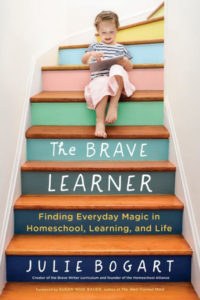
Julie Bogart’s The Brave Learner (Tarcher/Perigee, 2019) is packed with anecdotes, info, and creative ideas for homeschoolers. Julie tells us “I wanted to create a warm, memorable life for my kids and myself, not just an education.” A wonderful resource for those looking to do likewise.
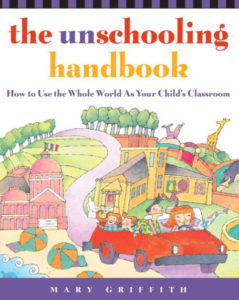
By Mary Griffiths, The Unschooling Handbook (Three Rivers Press, 1998) describes the theory and practice of the unschooling movement, based on the belief kids learn best when they purse their own interests and passions, without required curricula or imposed schedules.
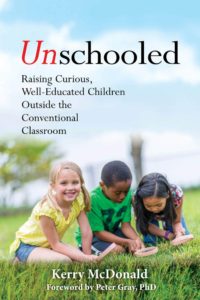
Kerry McDonald’s Unschooled (Chicago Review Press, 2019), subtitled “Raising Curious, Well-Educated Children Outside the Conventional Classroom,” points out that education is by no means synonymous with school. In lieu of the standardized-test-driven classrooms of today, unschoolers promote self-directed learning that keeps kids challenged and involved.
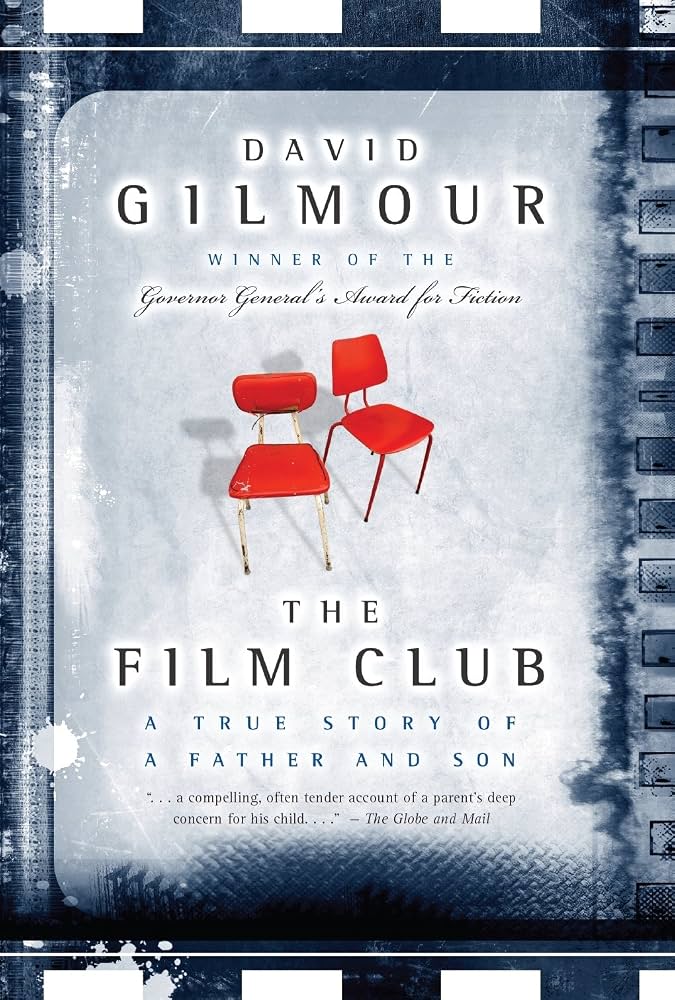
In David Gilmour’s The Film Club (Twelve, 2009), Gilmour’s teenage son, Jesse, was miserable and failing in school – so Gilmour offered him a deal: Jesse could drop out of school if he’d watch three movies a week of his father’s choosing. The film club covered a vast range of movies over the next years and led to a lot of conversation - and ultimately to the saving of a relationship and the strengthening of a father-son bond. It’s an object lesson in the benefits of unconventional educational approaches.
Grace Llewellyn’s Guerrilla Learning (Wiley, 2001) – subtitled “How to Give Your Kids a Good Education With or Without School” – aims to help parents create an environment conducive to the joy of learning. It’s not about getting better grades or getting your kid into Harvard, but instead emphasizes creative ways of exploring the world. “School achievement is not education,” Llewellyn writes. “Obedience is not education. Scoring high on a test is not education.”
Lenore Skenazy brought a media storm down on her head with a story of how she allowed her nine-year-old son to ride the New York City subway alone. Her book Free Range Kids (Jossey-Bass, 2010) argues against irrational worries and overprotective parents and emphasizes the importance of giving kids the freedom to explore on their own.
Among the many very different accounts of the homeschooling experience is Ben Hewitt’s Home Grown (Roost Books, 2014), the story of his sons’ unconventional education on a family farm in Vermont; and Kaleena and Aaron Amuchastegui’s The 5-Hour School Week (Lioncrest Publishing, 2018), the story of how they pulled their kids out of school to travel the globe and learn through experiences.
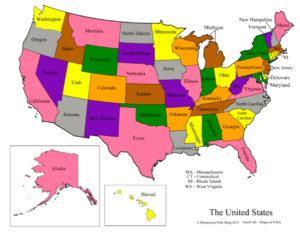
What’s legal – and what isn’t? See Homeschool Laws by State.
Creative and Critical Thinking
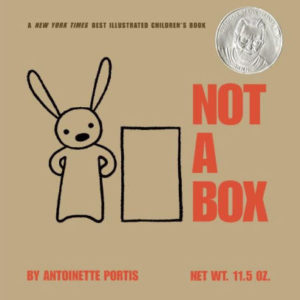
Annette Portis’s Not a Box (HarperCollins, 2006) is an exercise in imagination, as a little rabbit discovers that a box can be anything from a mountain to a robot to a rocket ship. For ages 3-7.
Also by Portis, see Not a Stick (2007).
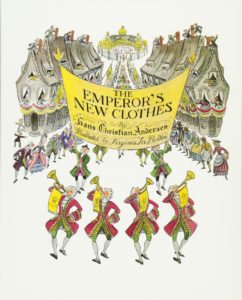
Hans Christian Andersen’s The Emperor’s New Clothes – in this version, illustrated by Virginia Lee Burton (HMH, 2004) - is a classic tale of speaking the truth – and of thinking outside the box. For ages 4-8.
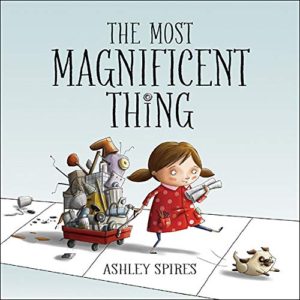
By Ashley Spires, The Most Magnificent Thing (Kids Can Press, 2014) features a pigtailed little girl who has a wonderful idea for building a MAGNIFICENT thing – but rather than being “easy-peasy,” the project turns out to be far more difficult than expected and she’s soon frustrated and angry. A story of creativity and perseverance. For ages 4-8.

Kobi Yamada’s picture book What Do You Do with an Idea? (Compendium, 2014) begins with a little boy who has an idea – shown as a gold-crowned egg on legs. He’s not sure what to do with it – but the idea is persistent and won’t leave him alone. Eventually, as he grows more and more confident, the idea blossoms, bursts into the sky and changes the world. For ages 5-8.
Also by Yamada, see What Do You Do with a Problem? (2016).

In Peter H. Reynolds’s The Dot (Candlewick, 2003), Vashti insists that she can’t draw. Frustrated, she makes a dot on a piece of paper – and her teacher frames it. Soon Vashti, inspired, produces a creative explosion of gorgeous dots – and eventually passes her excitement on to a discouraged little boy, who has just made a squiggle. For ages 5-9.

By Sir Ken Robinson, Creative Schools (Penguin, 2016) says that our outmoded industrial education system is damaging students, and argues instead for a highly personalized approach to learning.
Also see Robinson’s TED talk, Do Schools Kill Creativity? (Short answer: yes.)
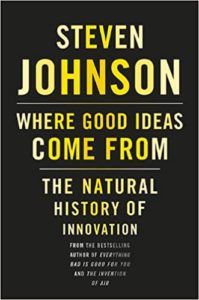
Steven Johnson’s Where Good Ideas Come From (Riverhead Books, 2011) is a natural history of innovation. What kind of environments are best for generating out-of-the-box ideas? Hint: networks and connections are pluses.
See a summary of Johnson’s key lessons.
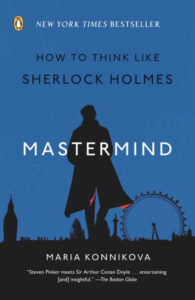
By Maria Konnikova, Mastermind: How to Think Like Sherlock Holmes (Viking, 2013) uses brain research and examples culled from Sir Arthur Conan Doyle’s master detective Sherlock Holmes and sidekick Dr. Watson to discuss cognition and thinking strategies.
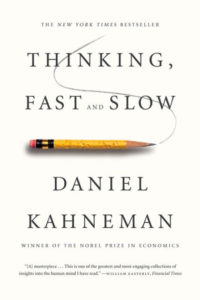
Daniel Kahneman’s Thinking Fast and Slow (Farrar, Straus & Giroux, 2013) spends many pages differentiating and explaining two major types of thinking: the first rapid, intuitive, and emotional; the second slow and deliberate, involving reason and concentration.
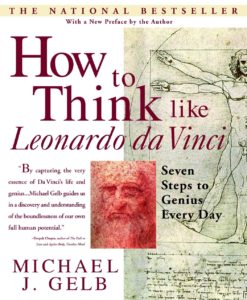
Michael J. Gelb’s How to Think Like Leonardo da Vinci (Dell, 2000) purports to be a seven-step program to becoming a genius, based on Leonardo’s notebooks, inventions, and works of art. Topics covered are problem solving, creative thinking, self-expression, and more.
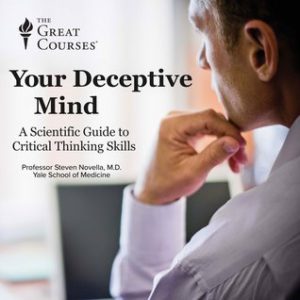
From The Great Courses (see below), Your Deceptive Mind: A Scientific Guide to Critical Thinking Skills is a 24-lecture course taught by Steven Novella of the Yale School of Medicine. Learn about the necessity of thinking about thinking, the neuroscience of belief, the unreliability of memory, logical fallacies and cognitive bias, and more. For ages 13 and up.
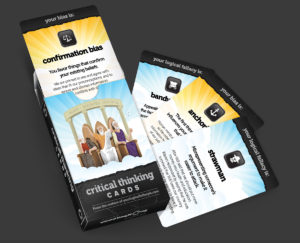
From the Thinking Shop, the Critical Thinking Cards Deck is a plus in the age of fake news, with examples of 24 logical fallacies and 24 cognitive biases. Learn to spot them. For ages 12 and up.
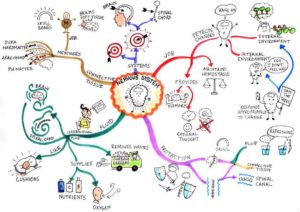
Mind maps are creative tools for note-taking, brainstorming, organizing your thoughts, and enhancing memory – and they’re fun.
Books on the theory and practice of mind maps include Nancy Margulies’s Mapping Inner Space (Corwin, 2001) and Tony Buzan’s Mind Maps for Kids (Thorsons, 2005), both with many colorful examples. Stock up on colored pens and pencils.
See Mind Maps for Kids for examples and suggested activities.
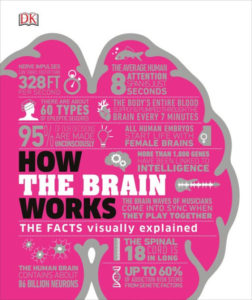
In Dorling Kindersley’s How Things Work series, How the Brain Works (DK, 2020) is a 200+-page graphically creative account of the workings of the human brain. An excellent and comprehensive overview, filled with catchy factoids and a question-and-answer feature.
Education Online
Khan Academy is a non-profit dedicated to providing a world-class education to students from kindergarten through adulthood. A wide range of free classes in math, science, computing, economics, the arts, reading and literature, and life skills, plus test prep workshops.

Outschool provides small online classes, clubs, and camps for ages 3-10. Everything from phonics and piano lessons to baking, chemistry, Spanish, algebra, and stop-motion animation.

The Great Courses offers over 800 multi-lecture courses, variously categorized under History, Mathematics, Music and Fine Arts, Literature and Language, Philosophy and Religion, Science, and more, available on DVD or as instant video or audio downloads. Full-price courses are expensive, but all go on sale periodically for a fraction of full price – just keep an eye out. Generally appropriate for ages 13 and up.

The mission of the Great Books Foundation is to promote critical thinking through shared inquiry discussion of books and ideas. Programs, which consist of books and teacher’s guides, are available for kids (K-12) and adults. The books include both fiction and nonfiction collections by award-winning authors, with open-ended discussion questions designed to promote reflection and debate.


TED-Ed is TED’s youth and education branch, introduced with the motto “Stay curious!” Hundreds of fascinating video-based presentations for all ages.
Homeschoolers in Fiction
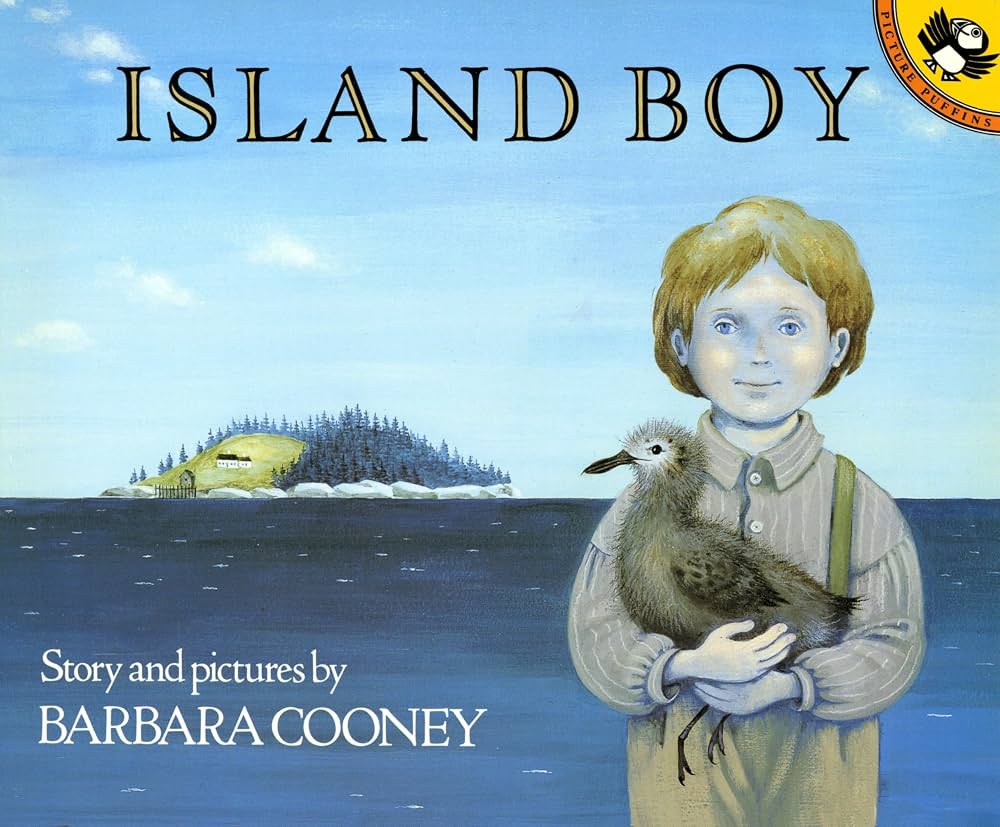
Barbara Cooney’s Island Boy (Puffin, 1991) is the story of Matthias, youngest of 12 children, raised on an island off the New England coast, where his Pa taught them how to plant and plow, hunt and fish, and handle a boat, and his Ma taught them how to read and write. Grown, Matthias returns to the island with his own wife and family, where their three daughters learn to make butter, cheese, soap, and candles, and to spin, weave, and knit. A lovely picture-book story of home learning and three generations of family life. For ages 3-7.
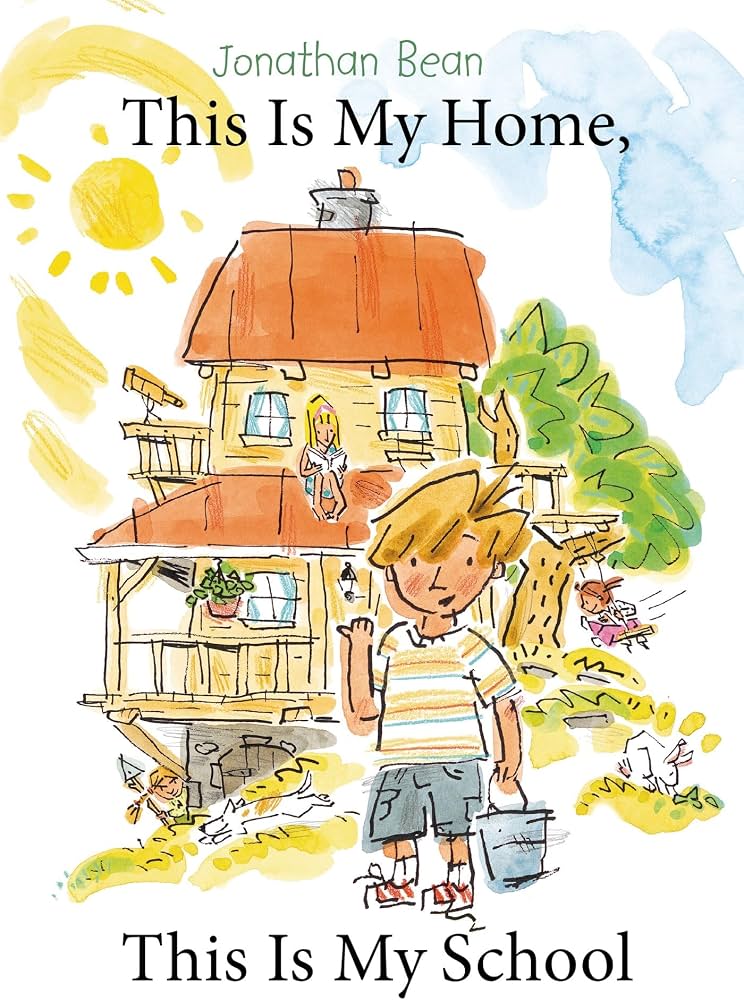
By Jonathan Bean, This Is My Home, This Is My School (Farrar, Straus & Giroux) is a semi-autobiographical account of one family’s homeschooling experience with wonderful action-crammed illustrations. This is what real homeschooling is like. For ages 4-8 – but everyone will love it.
By Jan and Stan Berenstain, The Berenstain Bears and the Nerdy Nephew (Random House, 1993), is the story of Ferdy, an unsocialized homeschooled bear, who only needs the experience of school to learn how to get along with others. One of the few books that I have ever actually thrown away. For ages 6-9.
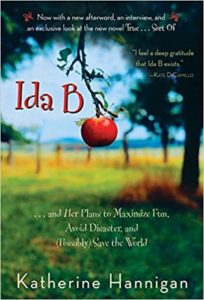
In Katherine Hannigan’s Ida B…and Her Plans to Maximize Fun, Avoid Disaster, and (Possibly) Save the World (Greenwillow, 2011), Ida – raised and homeschooled on her parents’ farm where she has a bond to the apple trees, is suddenly sent to school after her mother is diagnosed with cancer and her parents are forced to sell the orchard to pay medical bills. Ida, traumatized, is helped by an understanding teacher. For ages 9-12.
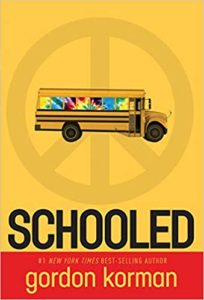
In Gordon Korman’s Schooled (Little, Brown, 2008), Capricorn Anderson has been raised and homeschooled on a commune by his hippie grandmother, Rain. When Rain falls out of a tree and is hospitalized, Cap is sent to public school – where, having no experiences in common with the other kids, he doesn’t begin to fit in. (He shows up wearing cornhusk sandals.)By the end of the book, however, the clueless Cap has won over his classmates, Rain has sold the commune at an enormous profit, and Cap decides to remain in school. For ages 9-12.
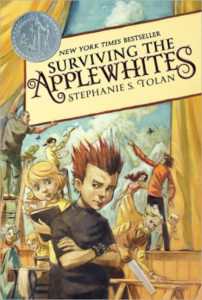
In Stephanie S. Tolan’s Surviving the Applewhites (HarperCollins, 2012), problem child Jake Semple – tossed out of every school he’s ever attended – is sent to live with the homeschooling Applewhites, an eccentric and endearing group of artists. There Jake – after a lot of riotous family drama – thrives. For ages 9-12.
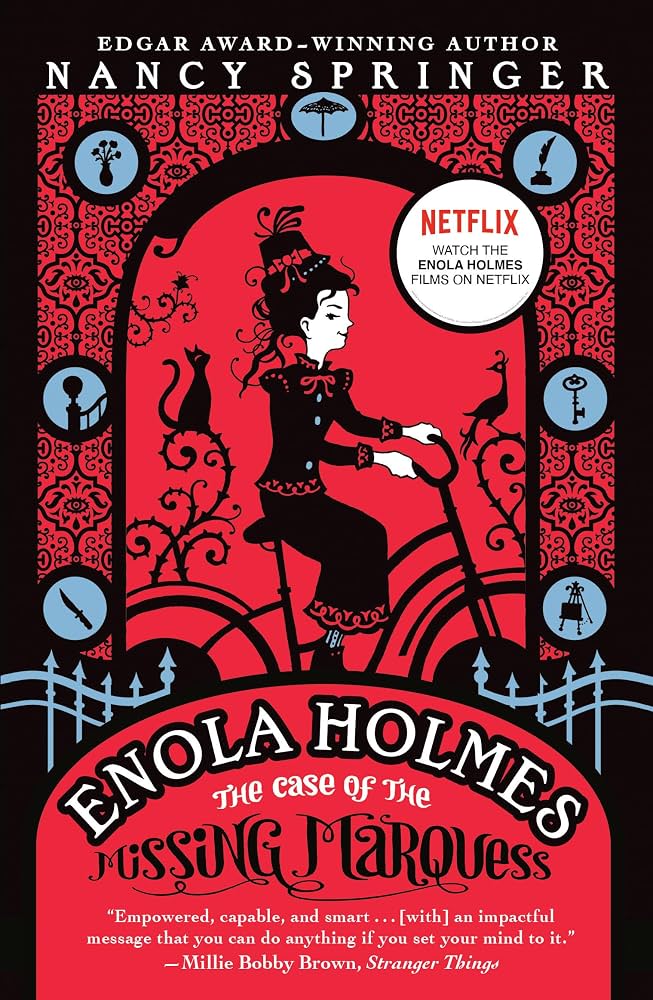
In Nancy Springer’s Enola Holmes: The Case of the Missing Marquess (Penguin, 2020) – first of a series - Enola, the much younger sister of the famous Sherlock and Mycroft Holmes, has been brilliantly homeschooled by her unconventional mother. When her mother goes missing, creative and independent Enola outwits both of her brothers and cracks the case. For ages 9-12.
Also see the Enola Holmes movies, starring Milly Bobby Brown (PG-13).
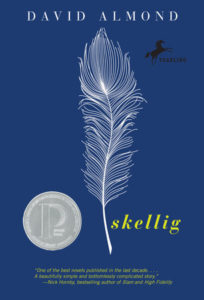
In David Almond’s Skellig (Yearling, 2000), Michael has just moved into a new house and his parents have discovered that his baby sister is seriously ill. Then Michael, along with brilliant homeschooled neighbor Mina – a fan of birds and William Blake – discovers a strange wizened creature hidden in the garage who just might be an angel. For ages 9-12.
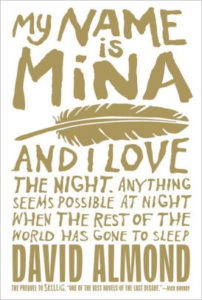
Also by Almond, My Name Is Mina (Yearling, 2012) is the story of homeschooled Mina, told through her journal, which is filled with myths, mathematics, marvelous words, wonders, and dreams. A prequel to Skellig for ages 9 and up.
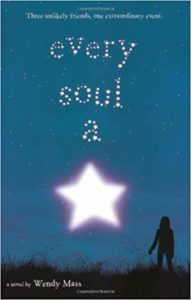
In Wendy Mass’s Every Soul a Star (Little, Brown, 2009), people are gathering at the Moon Shadow campground to view an eclipse of the sun. Among these are Ally – raised and homeschooled at the isolated campground, who can’t imagine any other way of life; Bree, popular girl at school; and pudgy misfit Jack. Then Ally discovers that her parents are turning the campground over to Bree’s parents – and both girls are horrified at the pending changes in their lives. For ages 9-12.
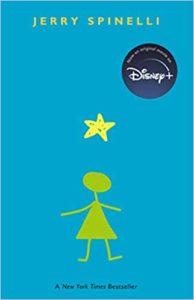
In Jerry Spinelli’s Stargirl (Ember, 2002), homeschooled Stargirl Caraway shows up in high school wearing pioneer dresses and toting a pet rat and a ukulele. She’s an enchanting free spirit and her story is narrated by Leo, a classmate who loves her – but wishes, all the same, that she were more…normal. Still, should you ever give up your self for another? An exploration of selfhood and conformity for ages 12 and up.
Also see the movie version of Stargirl (2020). Rated PG.
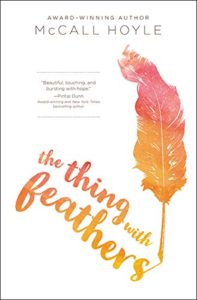
In McCall Hoyle’s The Thing With Feathers (Blink, 2018), homeschooled Emily is sent to public school – where she’s paired with popular boy Chatham York for a research project on Emily Dickinson - and worries that her classmates will find out about her epilepsy. A story of overcoming fears and forging new friendships. For ages 13 and up.
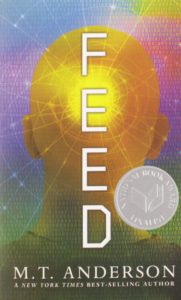
In M.T. Anderson’s brilliant dystopic novel Feed (Candlewick, 2012), citizens of the future carry digital implants – the feed – that ceaselessly bombard them with advertisements, channeling their thoughts and desires. Then Titus meets Violet, a bright and beautiful homeschooled girl who has refused the feed – and begins to realize the dark limitations of his media-dominated existence. For ages 13 and up.
Homeschoolers in the Movies
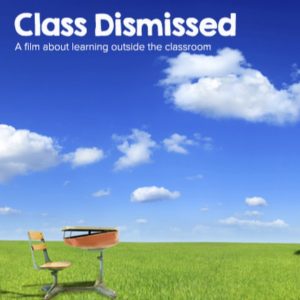
In Class Dismissed (2015), a California family – discouraged with the public school system – pulls their kids out of school. A look at multiple trends and techniques of homeschooling.

Set in the Pacific Northwest, Captain Fantastic (2016) is the story of a father raising and homeschooling his six kids in the boonies – far from corporate America where, in lieu of Christmas, they celebrate Noam Chomsky’s birthday. When tragedy plunges them back into the mainstream world, all have to come to terms with their philosophies and beliefs. Rated R.