
Ancient Egypt
In this collection
All about ancient Egypt, including books, activities, lesson plans, some wonderful art, the great game of Senet, instructions for making a mummy, and a hieroglyphic typewriter.
All About Ancient Egypt

Henry Barker’s Egyptian Gods and Goddesses (Penguin Young Readers, 1999) – in beginning-reader big print with a simple text – covers a scattering of Egyptian gods and goddesses (Horus, Re, Thoth, Osiris, Isis, Anubis), Egyptian death customs, and the significance of mummies and pyramids. For age 5-7.
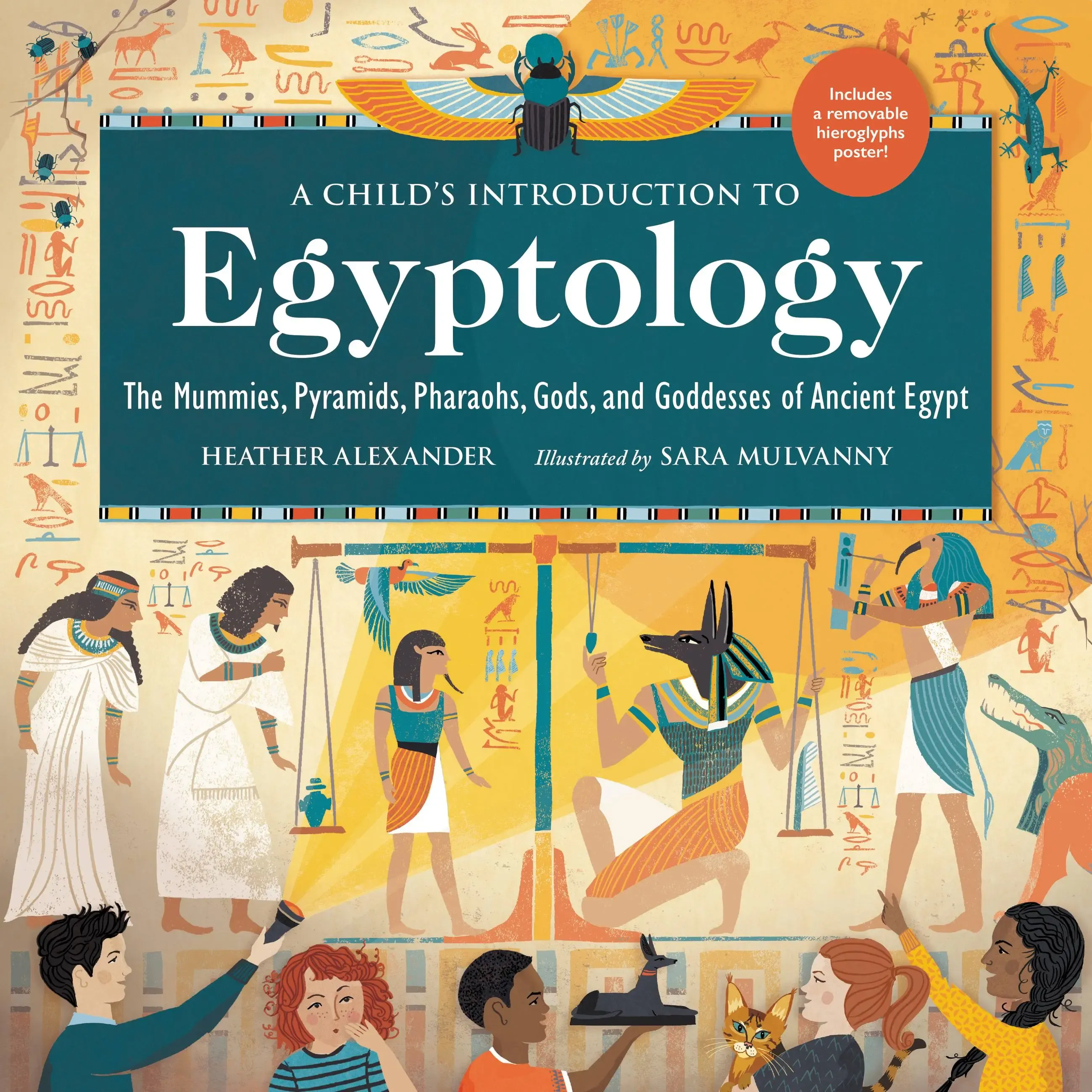
By Heather Alexander, A Child’s Introduction to Egyptology (Workman Kids, 2021) - on of the Child’s Introduction series – is a beautifully designed overview of ancient Egypt, covering its history from its 4500-year-old beginning through the reign of Cleopatra, Egyptian gods and goddesses, the pyramids, mummies, and the landmark discovery of Tutankhamun’s tomb. For ages 6-12.

By Crispin Boyer, the National Geographic Kids Everything Ancient Egypt (National Geographic Children’s Books, 2012), gorgeously illustrated with color photographs, covers the Nile River and the land of Egypt, pharaohs, pyramids and the afterlife, Egyptian mythology, and daily life in ancient Egypt. Included is a “Fun with Ancient Egypt” section with hands-on activities. For ages 8-12.

George Hart’s Ancient Egypt (Dorling Kindersley, 2008) in the Eyewitness Series is informational, interesting, and pure eye candy, crammed with terrific drawings and color photographs of artifacts and monuments. Most of the info is conveyed in picture captions. In the same series, also see James Putnam’s Pyramid and Mummy. For ages 8 and up.

Elizabeth Payne’s The Pharaohs of Ancient Egypt (Random House Books for Young Readers, 1981) is informative history presented throug compelling stories. The book begins with the discovery of the Rosetta Stone by Napoleon’s soldiers; then moves back in time to the first Egyptians, the stories of Cheops and the building of the Great Pyramid, the female pharaoh Hatshepsut, the warrior pharaoh Thutmose III, the criminal pharaoh Akhetaton (husband of Nefertiti), and more. Highly recommended. For ages 9-12.

Lila Perl’s 100+-page Mummies, Tombs, and Treasure (Clarion Books, 1987) – illustrated with maps, drawings, and great black-and-white photographs – is a detailed and well-done overview of Egyptian religious beliefs and death rituals. Chapter titles include “Why the Egyptians Made Mummies,” “How a Mummy Was Made,” and “The Mummy’s Treasure and the Tomb Robbers.” For ages 9 and up.
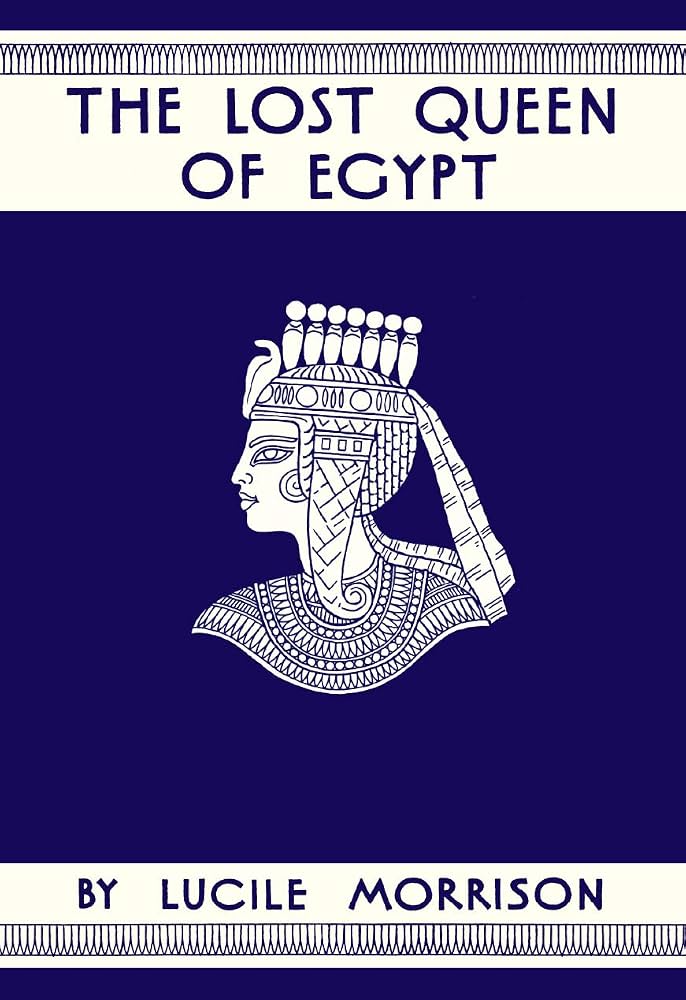
By Lucile Morrison, The Lost Queen of Egypt (Purple House Press, 2026) is the fictionalized story of Ankhsenpaaten, one of the six daughters of the pharoah Ahkenaten and his wife Nefertiti – who grew up to marry the royal prince Tutankhamen. A great read for ages 9-12.

Eric H. Cline’s The Ancient Egyptian World (Oxford University Press, 2005) in the World in Ancient Times series is a superbly researched and designed introduction to ancient Egypt, covering prehistory to the Greco-Roman period. Chapter titles include “Stairway to Heaven: The Old Kingdom,” “Thank You, Rosetta Stone: Hieroglyphs,” and “Home Builders: The Pyramid Age.” For ages 11 and up.
Egyptology

By Kathleen Weidner Zoehfeld, The Curse of King Tut’s Mummy (Random House Books for Young Readers, 2007) is the story of Howard Carter and the discovery of King Tutankhamen’s tomb in the form of a simple chapter book for readers ages 6-8.

Judy Donolly’s Tut’s Mummy: Lost…and Found (Random House Books for Young Readers, 1998), a Step Into Reading book, is a simple account of Howard Carter’s discovery of the spectacular tomb of the pharaoh Tutankhamen, illustrated with photographs. For ages 6-8.
See The Discovery of King Tut's Tomb.

Jessie Hartland’s How the Sphinx Got to the Museum (Blue Apple Books, 2010) begins with the building of the female pharaoh Hatshepsut’s Sphinx, then leaps ahead 3000 years to its discovery by archaeologists, and then to its (effortful) transport and installation at the Metropolitan Museum of Art. Starred reviews. For ages 6-9.

By Emily Sands (and Dugald Steer), Egyptology (Candlewick, 2004) purports to be the journal of Miss Emily Sands, who set off up on an expedition up the Nile in 1926 in search of the tomb of Osiris, and then vanished forever. Her journal, however, survived, crammed with observations, sketches, photos, fold-out maps, postcards, and informational booklets. A gorgeous book with a gilded and jeweled cover for ages 8 and up.

By David Weitzman, Pharaoh’s Boat (Houghton Mifflin Harcourt, 2009) is the story of the building of the Pharaoh Cheops’s boat – with beautiful illustrations, reminiscent of David Macaulay, but in color. The story of the ancient shipwrights is paired with that of the modern archaeologist who unearthed and restored the boat 4000 years later. For ages 9 and up.

Brian Fagan’s The Rape of the Nile (Basic Books, 2004) tells the tale of “Tomb Robbers, Tourists and Archaeologists in Egypt,” from the ancient historian Herodotus and the early Theban tomb robbers through mummy traders, the flamboyant Giovanni Belzoni (circus strongman and amateur Egyptologist), and recent discoveries, such as the tomb of the sons of Ramses and the sunken city of Alexandria. For teenagers and adults.
Want to become an Egyptologist? Find out how at Egyptologist: The Real Poop.
Online/on Screen
Mark Millmore’s Discovering Ancient Egypt website is crammed with information, interactive activities, videos, and photographs. Topics covered include Hieroglyphs, Pyramids & Temples, Kings & Queens, and Mummification. The site also features a hieroglyphic typewriter, quizzes, and extensive recommended book lists.
At NOVA’s Mysteries of the Nile website, visitors can tour ancient Egypt online, walk around the Sphinx, crawl through the Great Pyramid, and learn what it takes to raise an obelisk (and try it, at least virtually). Included is a selection of lesson plans.

PBS’s Egypt’s Golden Empire is a three-part series on the Egyptian New Kingdom (“The Warrior Pharaohs,” “Pharaohs of the Sun,” and “The Last Great Pharaoh”). The website has a series of eight accompanying lesson plans paired with interactive features and video clips. Lesson titles include Hieroglyphs and Communication, Tombs and the Afterlife, The Queens of Ancient Egypt, and The Science and Technology of Ancient Egypt.

Archaeologist John Romer’s Ancient Lives is a superb four-part DVD series on ancient Egypt. Not just ancient lives, these are the lives of real people. Very highly recommended. See https://www.imdb.com/title/tt1204193/; also see
https://www.youtube.com/watch?v=XzhnAUr4l0U.
On the NeoK12 website, Ancient Egypt is a collection of short educational online videos, among them “History of Egypt” (2 parts), “Secrets of the Pyramids” (2 parts), and “Engineering an Empire” (10 parts).

Professor Bob Brier’s 48-part History of Ancient Egypt is a thoroughly fascinating lecture series from The Great Courses, covering Egypt from prehistory to Cleopatra (the last Ptolemy), with side trips to discuss obelisks, Egyptian medicine, and mummies. Brier is a catchy and dynamic lecturer; the course is intended for teenagers and adults, but should appeal to younger kids as well. Get the DVD version; you’ll want the visuals. Full price is expensive, but all Great Courses are periodically put on sale.
Ancient Egyptian Myths and Legends

Shirley Climo’s The Egyptian Cinderella (HarperCollins, 1992) is the story of the slave girl Rhodopsis whose rose-colored slipper is stolen by a falcon and dropped in the lap of the pharaoh – who takes it as a sign that he should marry the one that the slipper fits. For ages 4-8.

By Marcia Williams – one of my all-time favorite author/illustrators - Ancient Egypt: Tales of Gods and Pharaohs (Candlewick, 2011) is a re-telling of nine ancient Egyptian tales, illustrated with wonderful (and cleverly funny) comic-strip-style drawings. For ages 6-9.

Dianne Hofmeyr’s The Star-Bearer (Frances Lincoln Children’s Books, 2012) is a beautifully illustrated creation tale from Egypt, beginning with the birth of the creator, Atum, from a lotus bud. Atum then brings into being Shu, the god of air, and Tefnut, the goddess of rain, whose children – Geb, god of earth, and Nut, goddess of the sky – must be separated so that creation can continue. Geb and Nut are devastated. For ages 6-10.
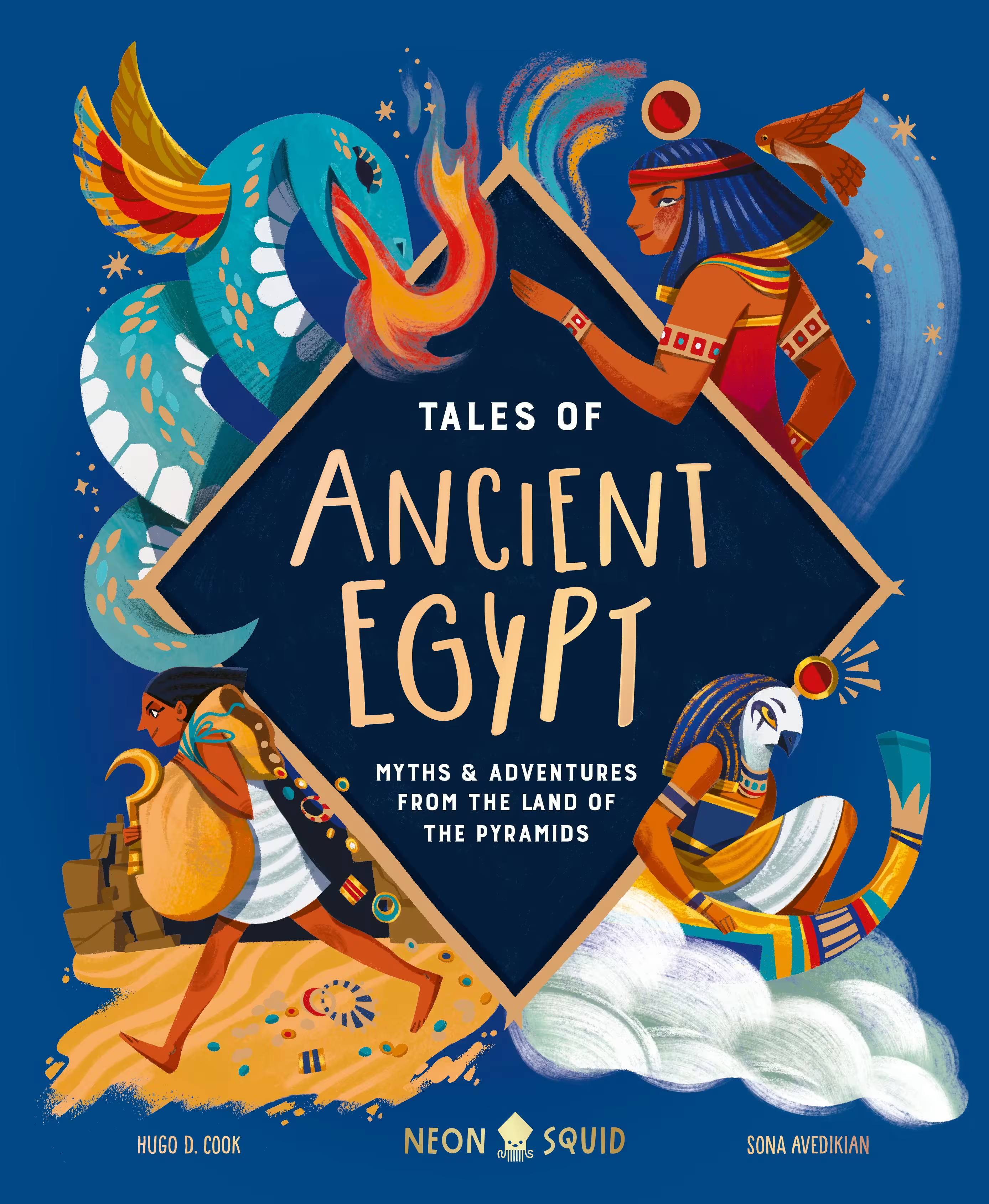
By Hugo D. Cook, Tales of Ancient Egypt (Neon Squid, 2024) combines historical stories with myths. For example, readers learn about mummies, tombs, and pyramids, an ancient Egyptian Cinderella, the story of Antony and Cleopatra, and much more. For ages for ages 8-10.

Donna Jo Napoli’s Treasury of Egyptian Mythology (National Geographic, 2013) is a gorgeously illustrated collection of myths, introducing Egyptian gods, goddesses, and mythical creatures. For ages 8-12.

Roger Lancelyn Green’s classic Tales of Ancient Egypt (Puffin, 2011) is a collection of 20 traditional stories, beginning with “Ra and His Children,” and continuing through “The Great Queen Hatshepsut,” “The Book of Thoth,” “The Story of the Shipwrecked Sailor,” “The Treasure Thief,” and “The Girl With the Rose-red Slippers.” For ages 8-12.
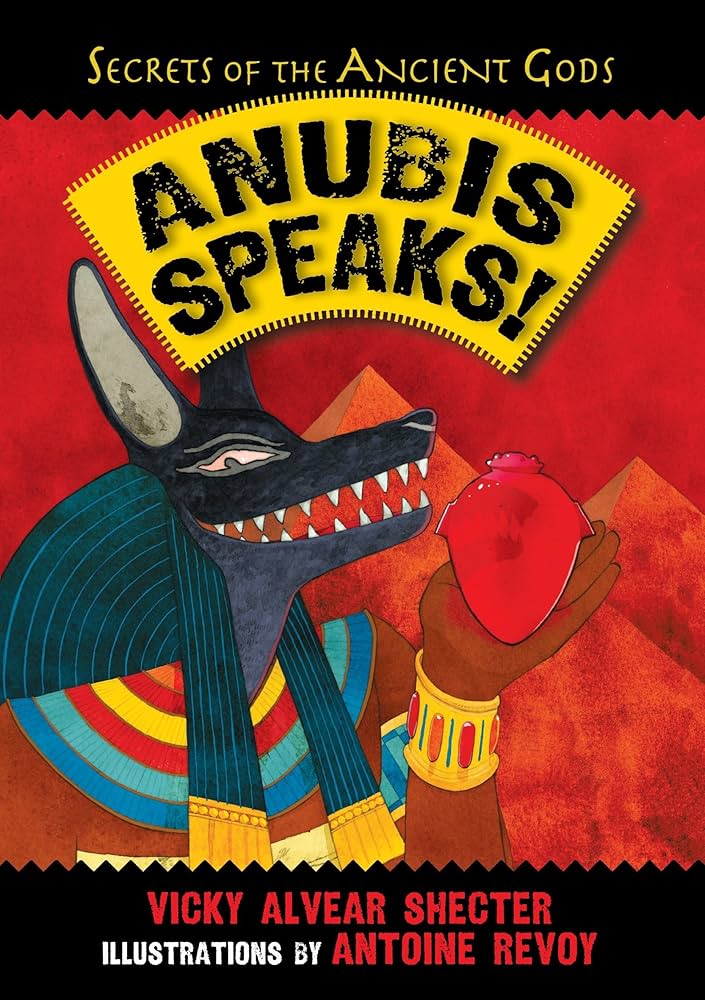
By Vicky Alver Schecter, Anubis Speaks (Astra, 2013) is a guide to Egyptian death practices and the afterlife, narrated in the first person by Anubis himself, god of death and mummification. (But take heed, “If you scare easily, I suggest you close this book right now and go back to coloring rainbows and unicorns. Seriously. There will be blood. And snakes.”) For ages 9-12.

By Morgan E. Moroney, Gods and Goddesses of Ancient Egypt (Rockridge Press, 2020) includes a timeline, map, and an introduction to the stories of the major Egyptian gods and goddesses, among them Ra (the Sun God), Osiris (God of the Underworld), Isis (Goddess of Magic, Thrones, and Healing), Seth (God of Deserts, Storms, War, and Chaos), Anubis, (God of Mummification), and Bastet (Goddess of Cats, Joy, and Motherhood). For ages 9-12.
Ancient Egypt in Fiction

In Tomie de Paola’s Bill and Pete Go Down the Nile (Puffin, 1996), Bill, a little green crocodile, and Pete, a bird (and Bill’s toothbrush), head down the Nile with the rest of the crocodiles in Mrs. Ibis’s class, learning Egyptian history and seeing the sights along the way. Humor and adventure for ages 4-8.

By Andrew Clements, Temple Cat (Houghton Mifflin Harcourt, 2001) is the story of an ancient Egyptian temple cat, worshipped as a god by the priests - but who, despite all the pampering, longs for freedom and life as an ordinary cat. Finally he runs away and ends up living in a fisherman’s hut by the sea, loved by the fisherman’s children. For ages 4-8.

In Fred Marcellino’s I, Crocodile (HarperCollins, 2002) – narrated by the crocodile – he’s been shipped from Egypt to France by Napoleon. (“What a cruel and abrupt departure from my mudbank.”) For ages 5-9.

In Mary Pope Osborne’s Mummies in the Morning (Random House Books for Young Readers, 1993) – third in the immensely popular Magic Treehouse series – Jack and Annie travel back in time to ancient Egypt. For ages 6-9.

In John Scieszka’s Tut, Tut (Puffin, 2004) – one of the zany Time Warp Trio series – Sam, Joe, and Fred, via magical book, are transported to ancient Egypt, where they promptly run afoul of the evil priest Hasmat. For ages 6-10.
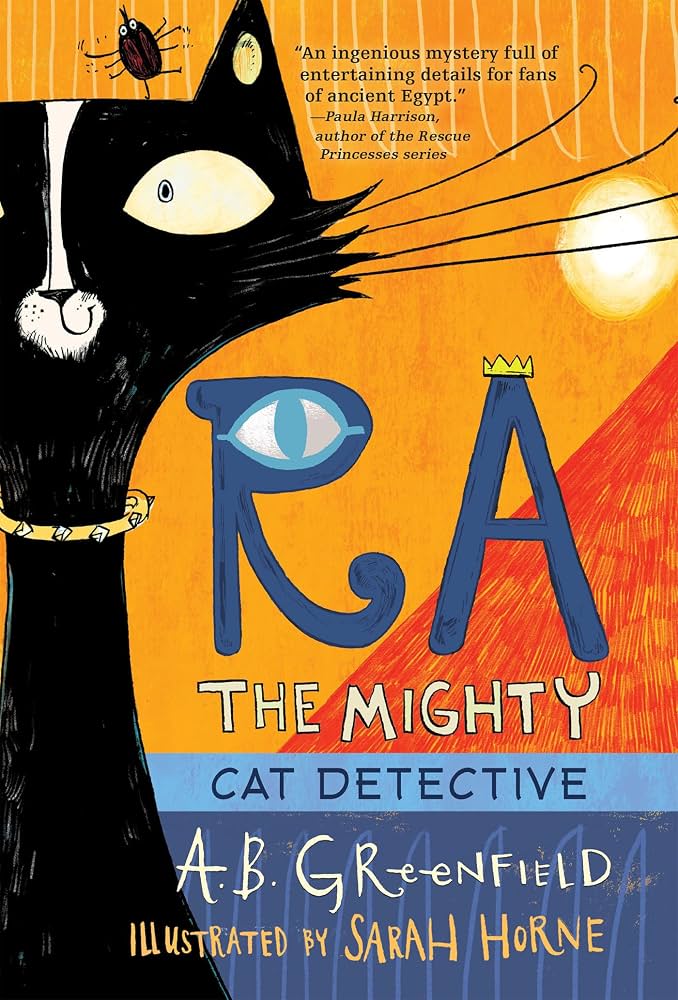
By A.B. Greenfield, Ra the Mighty: Cat Detective (Holiday House, 2019) features Ra, the pharoah’s favorite cat, and his sidekick, Khepri, a wise scarab beetle, who team up to solve the mystery of a missing amulet and save a young servant girl unfairly accused of the crime. Also see the sequels: Ra the Mighty: The Great Tomb Robbery and Ra the Mighty: The Crocodile Caper. For ages 7-10.
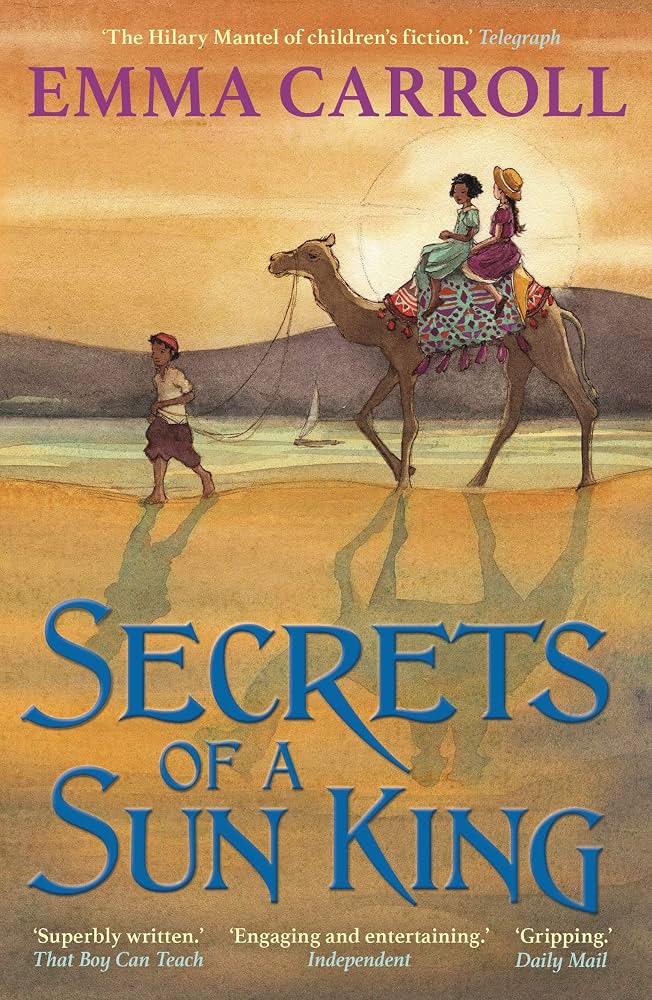
By Emma Carroll, Secrets of a Sun King (Faber and Faber, 2018) is set in 1922 – just as Howard Carter is digging in the Valley of the Kings. Then Lil, on her London doorstep, finds a mysterious package containing an ancient jar patterned with hieroglyphs – and sets out on an adventurous journey to Egypt to save her family from a curse. For ages 7-11.

In Herge’s Cigars of the Pharaoh (Little, Brown Books for Young Readers, 1976) – one of the popular Tintin series – Tintin and dog Snowy are on a cruise to Egypt where they meet Professor Sophocles Sarcophagus, join his expedition, and discover a pharaoh’s tomb filled with dead Egyptologists and cigars. Soon all are embroiled in exciting international intrigue. For ages 9 and up.

Richard Platt’s Egyptian Diary (Candlewick, 2014) is the journal of nine-year-old Nakht, a young scribe who discovers a tomb-robbing plot and meets the pharaoh Hatshepsut. For ages 9-12.

Eloise Jarvis McGraw’s Newbery Honor book, The Golden Goblet (Puffin, 1986), is an exciting mystery set in ancient Egypt. After 12-year-old Ranofer’s goldsmith father dies, his abusive half-brother, Gebu, takes over the family workshop and treats Ranofer like a slave. Gebu, it turns out, is also robbing the pharaoh’s tomb. For ages 9 and up.

The main character of Eloise Jarvis McGraw’s Mara, Daughter of the Nile (Puffin, 1985) is a bright and beautiful young slave girl (with a passion for reading) who becomes embroiled in palace intrigue in the days of the female pharaoh Hatshepsut. There’s some loose play with history here, but it’s a great story anyway. For ages 9 and up.

Who doesn’t love an imaginary world? In Zilpha Keatley Snyder’s The Egypt Game (Atheneum Books for Young Readers, 2009), April, Melanie, and Melanie’s little brother Marshall invent an elaborate fantasy game in which they re-create ancient Egypt. Soon, however, strange and worrisome things begin to happen. Including murder. For ages 9 and up.

In Rick Riordan’s The Red Pyramid (Hyperion Books for Children, 2011) – the first book of the Kane Chronicles series – Carter and Sadie Kane's Egyptologist father takes them on a private tour of the British Museum where he causes an explosion, reduces the Rosetta Stone to rubble, and wakes the sleeping gods of Egypt, who are definitely not friendly. For ages 9 and up.

Theodosia, main character of R.L. LaFevers’s Theodosia and the Serpents of Chaos (Houghton Mifflin Harcourt, 2008) is a feisty eleven-year-old whose father is curator of London’s Museum of Legends and Antiquities, filled with artifacts sent home by her mother, an archaeologist in Egypt. In this and subsequent books, Theo uses old Egyptian magic to ward off the curses that surround these ancient items – in this volume, an amulet capable of releasing the Serpents of Chaos and destroying the British Empire. The first of a series, with subsequent titles including Theodosia and the Staff of Osiris, Theodosia and the Eyes of Horus, and Theodosia and the Last Pharaoh. Starred reviews. For ages 9 and up.

Julius Lester’s Pharaoh’s Daughter (Houghton Mifflin Harcourt, 2009) is the story of Moses (Mosis) who appears as a conflicted teenager, torn between two cultures and influenced by very different women, among them his birth sister Almah and Meryetamun, the pharaoh’s daughter, who plucked him out of the bulrushes. A complex and interesting read for ages 12 and up.

Elizabeth Peters’s Crocodile on the Sandbank (Grand Central Publishing, 2013) is the first of an extensive mystery series set in the late 19th century starring feisty Egyptologist Amelia Peabody. (The author knows her stuff; she herself has a doctorate in Egyptology.) Among the subsequent titles are The Curse of the Pharaohs, The Mummy Case, and Lion in the Valley. Fun and exciting reads for teenagers and adults.

By Nobel laureate Naguib Mahfouz, Voices from the Other World: Ancient Egyptian Tales (Anchor Books, 2004) is a collection of five short stories set in ancient Egypt – though the themes (power struggles, morality) are timeless. For teenagers and adults.
Poetry

By Kay Winters, Voices of Ancient Egypt (National Geographic Children’s Books, 2009) is an illustrated collection of poems in the voices of 13 different everyday ancient Egyptians, among them a birdnetter, a marshman, a farmer, a weaver, and a dancer. (There’s nice potential for a writing project here.) For ages 9-12.
Pyramids

Philip Steele’s I Wonder Why Pyramids Were Built (Kingfisher, 2011) is written in a question-and-answer format that makes for a fun interactive read. As well as why were pyramids built, readers find out why paper is called paper, why women wore cones on their heads, and what Egyptians called cats. And more. For ages 7-11.

Jacqueline Morley’s You Wouldn’t Want to Be a Pyramid Builder (Franklin Watts, 2013) – one of the extensive You Wouldn’t Want to Be series – describes the lives of the pyramid builders with a humorous (but informational) twist. For ages 8-11.
In the same format, see You Wouldn’t Want to Be an Egyptian Mummy! (David Stewart, 2012), You Wouldn’t Want to Be Cleopatra! (Jim Pipe, 2017), and You Wouldn’t Want to Be Tutankhamen! (David Stewart, 2017).

David Macaulay’s award-winning Pyramid (Houghton Mifflin Harcourt, 1982) is a masterful account of the building of a pyramid, illustrated with wonderful detailed black-and-white drawings. A sure hit with future engineers. For ages 9 and up.
Also see Pyramid on YouTube.
From TeachEngineering, Evolutionary Engineering: Simple Machines - Pyramids to Skyscrapers teaches kids about six simple machines in the context of building a pyramid. Twelve days of activities.
Hieroglyphs

James Rumford’s Seeker of Knowledge: The Man Who Deciphered Egyptian Hieroglyphs (Houghton Mifflin Harcourt, 2003) is a picture-book biography of Jean-Francois Champollion, illustrated with lovely watercolor paintings. The margins are peppered with hieroglyphs and their explanations. (“There is a sharp-eyed ibis bird in the word ‘discover.’”) For ages 7-10.

Joyce Milton’s Hieroglyphs (Grosset & Dunlap, 2000) is a colorfully illustrated introduction with included hieroglyph alphabet chart and stencil. For ages 7-11.

From the Metropolitan Museum of Art, Catharine Roehrig’s Fun with Hieroglyphs (Simon & Schuster Books for Young Readers, 2008) has an explanatory booklet and 24 hieroglyphic stamps (plus ink pad) for creating your own ancient Egyptian messages. For ages 7 and up.

James Cross Giblin’s award-winning The Riddle of the Rosetta Stone (HarperCollins, 1993) is a fascinating and reader-friendly account of the famous Stone, its discovery, translation, and importance. For ages 9-12.
Also by Giblin, see Secrets of the Sphinx (Scholastic, 2004), the story of the 4500-year-old Sphinx, one of the largest sculptures in the world.
The Hieroglyphic Alphabet is a printable alphabet with pronunciation guide and simple black-line drawings.

Try a Hieroglyphic Typewriter.
Mummies

Aliki’s Mummies Made in Egypt (HarperCollins, 1985) is a picture-book account of ancient Egyptian religious beliefs and the mummification process, illustrated with delightful detailed little drawings. For ages 4-8.

NOVA’s The Mummy Who Would Be King explores whether a neglected mummy found on a museum shelf might be the remains of long-lost King Ramses I. Included at the website are a gallery of mummies, an audio slide show on the mummification process, resource lists, a program transcript, and a seven-page teacher’s guide with activities.
From the San Francisco Exploratium, Make a Mummy is a hands-on project in which kids mummify a fish using baking soda. See https://annex.exploratorium.edu/bodies/webcast_activity.html.
The Brooklyn Museum’s Mummy Chamber site includes a video of a mummy undergoing a CAT scan and an explanation of the results.
Chicken Mummies has complete instructions for mummifying a chicken. (If you’re not into chicken, try
Apple Mummies.)
From the Kids Activities blog, Let's Mummify Barbie has instructions for sending Barbie into the afterlife, complete with death mask, sarcophagus, and canopic jars.
SimMummy is an elaborate hands-on mummification simulation in which kids create a royal mummy (with a potato and an orange), make canopic jars and amulets, design a copy of the Egyptian Book of the Dead, design a Senet game (for the mummy’s afterlife entertainment), and make a sarcophagus and funeral mask. See https://neferchichi.com/simmummy.html.
Kings and Queens

Robert Sabuda’s magnificently illustrated picture book, Tutankhamen’s Gift (Aladdin, 1997) is the story of the boy who became pharaoh at the age of ten and spent much of his short reign repairing the temples destroyed by his older brother. The artwork – on handmade papyrus – is extraordinary. For ages 6-9.

Demi’s exquisitely illustrated Tutankhamun (Two Lions, 2009) is the story of the life and times of the young pharaoh, ending with the discovery of his tomb by Howard Carter. Included are a map and an illustrated family tree. For ages 8 and up.

By Diane Stanley, with marvelous illustrations by Peter Vennema, Cleopatra (HarperCollins, 1997) is an absorbing biography of the brilliant young queen who charmed Julius Caesar and Mark Antony. For ages 7-11.

In the Royal Diaries series, Kristiana Gregory’s Cleopatra VII: Daughter of the Nile, 57 BC (Scholastic, 1999) is Cleopatra’s story as told through the diary that she (supposedly) kept between the ages of 12 and 14. Endnotes explain what happened in later years. For ages 9 and up.

Shakespeare’s play Antony and Cleopatra – the tragedy that ends with suicide by asp – is available in many editions; the entire text is online here.

The film Cleopatra (1963) stars Elizabeth Taylor in the title role, with Richard Burton as Mark Antony and Rex Harrison as Julius Caesar. Reasonably historical and spectacular to look at. Rated G, which may be stretching it a bit.
From Smithsonian magazine, Who Was Cleopatra? discusses mythology, propaganda, Liz Taylor, and the real Queen of the Nile.

Peter A. Clayton’s detailed The Chronicle of the Pharaohs (Thames & Hudson, 2006) is a heavily illustrated reign-by-reign account of all the pharaohs and dynasties of ancient Egypt in chronological order. In the same series, see Joyce Tyldesley’s The Chronicle of the Queens of Egypt.
The Nile

In Laurie Krebs’s We’re Sailing Down the Nile (Barefoot Books, 2008), written in cheerful rhyming couplets, a group of kids sails down the Nile River, taking in all the wonderful sights along the way, among them pyramids, temples, and the Sphinx. An Egyptian travelogue for ages 4-8.

Allan Fowler’s The Nile River (Children’s Press, 2000) is a simple photo-illustrated introduction to the world’s longest river for ages 4-7. (Find out what a delta is.)

Tim Jeal’s Explorers of the Nile (Yale University Press, 2012) is the story of the mid-19th-century quest for what was then “the planet’s most elusive secret” – the source of the Nile River. (Alexander the Great was curious about it; the Emperor Nero sent a couple of centurions in search of it; and a common Roman proverb – referring to something difficult to perform – was “It would be easier to find the source of the Nile.”) Six major expeditions set out in search of it in the mid-1800s, including one led by Dr. David Livingstone (subsequently pursued by Henry Stanley). For teenagers and adults.

Mystery of the Nile is the story of a team of scientists who set out in 2004 to be the first to travel the entire length of the river. See https://www.imdb.com/title/tt0444673/.
Projects, Activities, and Things to Do

Mr. Donn’s Ancient Egypt for Teachers has a long list of well-chosen lesson plans along with activities, games, puzzles, and stories. Fun to explore.

Designed by Tom Tierney, Ancient Egyptian Costumes Paper Dolls (Dover Publications, 1997) has sixteen typical ancient Egyptian outfits, divided between male and female.

In Carmella Van Vleet’s Explore Ancient Egypt (Nomad, 2006), short, creatively illustrated chapters include “Egyptian Homes,” “Beer, Bread & Bartering,” “Amulets, Clothes & Makeup,” “King Tut & Other Cool Kings, and “Mummies and Pyramids.” Included are 25 projects and activities, among these making a scarab necklace, a hieroglyph tablet, and an edible pyramid. For ages 6-9.

In Linda Honan’s Spend the Day in Ancient Egypt (John Wiley & Sons, 1999), subtitled “Projects and Activities That Bring the Past to Life,” readers follow a pair of Egyptian kids through the day from getting dressed in the morning to meeting pyramid builders, visiting the temple, participating in a hunt, attending a royal jubilee, and feasting on the banks of the Nile. Sample projects include making an ankh amulet and a scarab, learning to count with Egyptian numbers and measure with a cubit stick, making a Senet board and a string of rhythm beads, and many more. For ages 8-12.
By Beth Blair and Jennifer A. Ericsson, The Everything Kids’ Mummies, Pharaohs, and Pyramids Puzzle and Activity Book (Adams Media, 2008) combines reader-friendly information with dozens of paper-and-pencil puzzles: Egyptian-themed crosswords, mazes, word scrambles, math challenges, and more. Also included: instructions for mummy-style Halloween costumes and patterns for Egyptian god and goddess puppets. For ages 8-12.

Carmella Van Vleet’s Great Egypt Projects You Can Build Yourself (Nomad Press, 2006) combines an interesting informational text (peppered with catchy fact boxes) with creative hands-on projects – for example, kids make papyrus paper, sandals, a cartouche, and a pyramid. Included are a timeline, map, and resource list. For ages 9-12.

By Simonetta Carr, Cleopatra and Ancient Egypt for Kids (Chicago Review Press, 2018) covers the life and times of Cleopatra, with a timeline, fact boxes, photos, and hands-on projects, among these making a writing tablet, a cartouche bookmark, a beaded necklace, and a model river boat. For ages 9 and up.

Andrew Haslam’s 64-page Ancient Egypt (Cooper Square Publishing, 2000) in the Make It Work! Series is a thoroughly hands-on approach to history. Historical information is paired with better-than-average crafts: for example, kids make Egyptian costumes, a model reed boat, a harp, a Senet game, a mummy mask, and more. Illustrated with color photographs. For ages 9 and up.
Art

Ralph Masiello’s Ancient Egypt Drawing Book (Charlesbridge Publishing, 2008) has easy-to-follow step-by-step instructions for drawing such ancient Egyptian icons as the Great Pyramid of Giza, the jackal god Anubis, and Queen Nefertiti. For ages 7-10.
Dick Blick has a lesson plan for making cool Egyptian-Inspired Jewelry.
Dress like an Egyptian! From Danielle’s Place, Egyptian Crafts and Learning Activities for Children has instructions and patterns for making an Egyptian costume, headband, bracelet, and collar.
Ancient Egyptian Crafts from Activity Village include salt-dough amulets and cartouches, a cat statue, a pharaoh’s headdress, a collar necklace, and more.

Crayola’s Egyptian Papyrus Paper is a craft project in which kids make “papyrus” from strips of brown bags soaked in water and glue.

From DLTK’s Crafts, this impressive Egyptian Pharaoh Mask is made using papier-mache, poster board, and a plastic face mask.
The Art of Ancient Egypt is a free downloadable 180-page book for teachers from the Metropolitan Museum, featuring maps and a detailed timeline, background information on Egyptian history and art, images, lesson plans, and activities.
Boundless is a company devoted to providing open and innovative educational materials online for college students (and others). Ancient Egyptian Art in their Art History section is an interactive text covering Egyptian art from the Early Dynastic Period through the period after Alexander the Great with images, cross-references, and quizzes.
Senet: The Ancient Egyptian Board Game
YouTube’s Senet Game has a history of the game (accompanied by ancient Egyptian paintings of Senet players) and complete playing instructions.
Play Senet on your iPhone.

This wooden 
Math
Count like an Egyptian. This colorful printable worksheet demonstrates the Egyptian counting system. Included is are worksheets with Egyptian hieroglyphs for kids to convert into modern numbers and vice versa.

From Claudia Zaslavsky’s Multicultural Math: Hands-On Activities From Around the World (Scholastic, 1996), Symbols for Numbers is a multifaceted lesson in which kids learn to count like ancient Egyptians, ancient Chinese, and Mayans.